
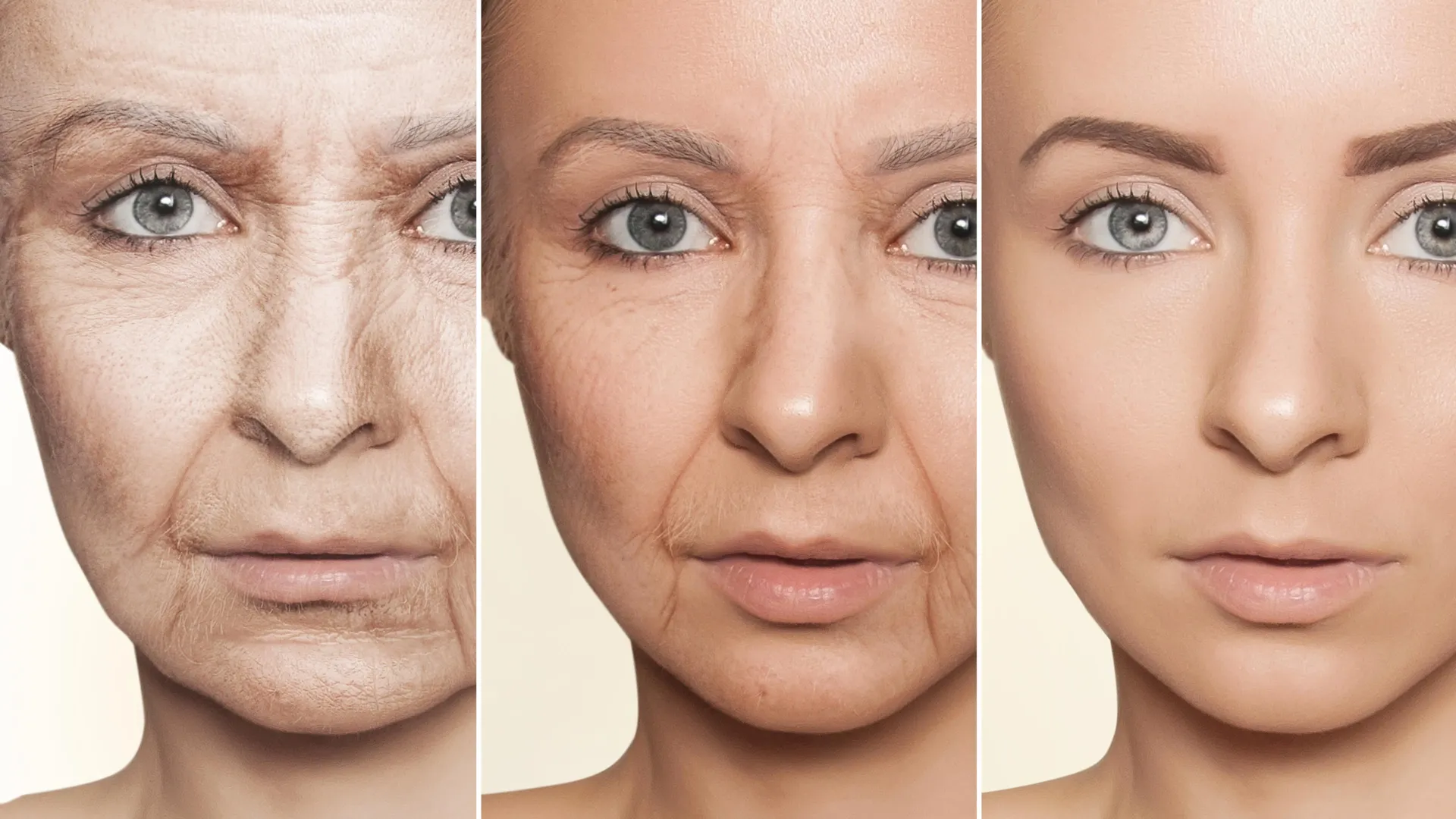
Scientists may have uncovered a hidden biological switch that helps control how quickly the body ages. Research published in the prestigious journal PLOS Biology suggests that declining levels of a crucial brain protein, known as Menin, can act as a potent trigger for inflammation, cognitive decline, and a cascade of other age-related changes that manifest throughout the entire body. In groundbreaking experiments conducted with laboratory mice, researchers were able to reverse several key indicators of aging by restoring the protein’s presence. Even more remarkably, a simple dietary supplement containing a specific amino acid demonstrated a significant improvement in cognitive function.
The Hypothalamus: A Central Command Center for Aging
These pivotal findings contribute substantially to a growing body of scientific evidence that points towards the hypothalamus, a small yet extraordinarily influential region of the brain, as a central regulator of the aging process. This region is responsible for orchestrating a vast array of essential bodily functions, including metabolism, hormonal balance, body temperature regulation, sleep-wake cycles, and the body’s intricate stress response system. Increasingly, researchers are viewing the hypothalamus not merely as a control center for individual physiological processes, but as the primary command hub that dictates the pace and progression of aging itself.
A Declining Brain Protein: The Case of Menin
The study, meticulously led by Dr. Lige Leng and his distinguished colleagues at Xiamen University in China, placed a specific focus on Menin, a protein with a critical role in suppressing inflammation within the brain. Prior scientific investigations had already established Menin’s significant involvement in modulating neuroinflammatory activity. The research team embarked on their work with a fundamental question: could the natural decline of this protective protein with age be a direct contributor to the aging process?
Their experimental investigations yielded striking results. They observed a precipitous drop in Menin levels within the hypothalamus as the mice aged. This decline was not uniform across all brain cells; it occurred specifically in neurons located within the ventromedial hypothalamus (VMH). This particular sub-region of the hypothalamus is strongly implicated in the regulation of metabolism and systemic aging. Intriguingly, Menin levels remained largely unaffected in the surrounding support cells, such as astrocytes and microglia, which are crucial for brain health and function.
To further elucidate the consequences of this age-related Menin depletion, the researchers ingeniously engineered mice in which Menin activity could be selectively diminished. The effects observed in these genetically modified mice were profound and alarming. Even in younger mice engineered to have lower Menin levels, researchers noted a significant increase in brain inflammation, a thinning of the skin, a reduction in bone mass, impaired balance, demonstrable memory deficits, and ultimately, a shortened lifespan when compared to their genetically unaltered counterparts. These findings strongly suggest that Menin functions as a vital protective "anti-aging" factor within the brain, safeguarding against the degenerative processes associated with growing old.
The Unexpected Link to D-Serine
One of the most surprising and potentially revolutionary discoveries to emerge from this research was the identification of a direct connection between declining Menin levels and the diminished production of D-serine. D-serine is an amino acid that also functions as a critical neurotransmitter within the brain. It plays a pivotal role in facilitating communication between neurons and is indispensable for processes such as learning and memory formation.
The research team meticulously traced the decline in D-serine production to a reduction in the activity of a specific enzyme responsible for D-serine synthesis. This enzyme, in turn, appears to be directly regulated by Menin. This intricate regulatory pathway highlights the interconnectedness of molecular processes within the brain.
D-serine is naturally present in a variety of foods, including soybeans, eggs, fish, and nuts. It is also readily available as a dietary supplement, making it a potentially accessible intervention. The researchers’ interest in D-serine was further piqued by existing scientific literature. Previous studies had already established a correlation between declining D-serine levels and age-related cognitive impairment, as well as reduced synaptic plasticity – the brain’s remarkable ability to strengthen and adapt neural connections, which is fundamental for learning and memory.
Reversing the Tide: Restoring Menin and its Effects
With a clearer understanding of Menin’s role and its link to D-serine, the researchers then set out to determine if restoring Menin levels could effectively reverse existing age-related decline.
In a series of carefully controlled experiments, the Menin gene was delivered directly into the hypothalamus of elderly mice. These mice were approximately 20 months old, a stage considered roughly equivalent to late-life aging in humans. Remarkably, within just 30 days of this gene therapy intervention, the treated animals exhibited significant and measurable improvements across a range of age-related indicators. These improvements included enhanced learning capabilities, better memory recall, improved balance, increased skin thickness, and a notable increase in bone density.
These tangible physical improvements were accompanied by a corresponding increase in D-serine levels within the hippocampus, a brain region universally recognized for its critical role in memory formation and consolidation. This observation further solidified the link between Menin, D-serine, and cognitive function.
In a parallel set of experiments, the research team investigated the potential therapeutic benefits of D-serine supplementation alone. Older mice were administered D-serine supplements for a period of three weeks. The results indicated that these mice displayed improved cognitive performance. However, it is crucial to note that this D-serine supplementation, while beneficial for cognition, did not reverse the physical aging markers observed in the skin and bone tissue. This critical distinction suggests that Menin likely influences the aging process through multiple interconnected biological pathways, and that its role extends beyond merely regulating D-serine production.
The Hypothalamus: A Growing Frontier in Aging Research
The burgeoning interest in the hypothalamus as a key player in aging is a relatively recent phenomenon, fueled by a surge of scientific discoveries in recent years. Researchers are increasingly uncovering compelling evidence that this small but mighty brain region acts as a master conductor of many facets of aging throughout the entire body.
More recent investigations have begun to explore how age-related alterations in hypothalamic DNA methylation patterns and hormonal signaling pathways might contribute to the development of devastating neurodegenerative diseases, such as Alzheimer’s disease. A significant study published in Nature Communications in 2024, for instance, revealed that the hypothalamus undergoes distinct epigenetic changes as it ages. These changes, the study posited, may influence crucial pathways involving hormones like oxytocin and gonadotropin-releasing hormone (GnRH), both of which have been linked to aging and overall brain health.
Collectively, these accumulating findings are strengthening the scientific paradigm that aging is not simply an inevitable process of wear and tear on the body’s various systems. Instead, a growing number of scientists are beginning to suspect that the brain, particularly the hypothalamus, may actively regulate significant aspects of the aging process through its intricate control of inflammation, metabolism, and hormonal signaling.
The Promise and Peril of D-Serine for Humans
Despite the immense excitement generated by these findings, it is imperative to emphasize that this research remains in its nascent stages and was conducted exclusively in mice. The direct translation of these results to humans requires extensive further investigation. Scientists are still uncertain whether boosting Menin levels or supplementing with D-serine could safely and effectively slow the aging process or improve cognitive function in people.
The researchers themselves have issued important caveats, cautioning that altering such powerful and fundamental brain signaling pathways could potentially lead to unforeseen and unintended consequences. Significant further research is needed to fully understand the precise reasons behind Menin’s decline with age, the duration and sustainability of any potential benefits, and whether D-serine supplementation might produce adverse side effects over extended periods in humans.
Nevertheless, this groundbreaking study offers a tantalizing glimpse into a future where the aging process might be targeted more directly and effectively. Dr. Leng expressed optimism, stating, "We speculate that the decline of Menin expression in the hypothalamus with age may be one of the driving factors of aging, and Menin may be the key protein connecting the genetic, inflammatory, and metabolic factors of aging. D-serine is a potentially promising therapeutic for cognitive decline."
Further elaborating on the mechanistic insights, Dr. Leng noted, "Ventromedial hypothalamus (VMH) Menin signaling diminished in aged mice, which contributes to systemic aging phenotypes and cognitive deficits. The effects of Menin on aging are mediated by neuroinflammatory changes and metabolic pathway signaling, accompanied by serine deficiency in VMH, while restoration of Menin in VMH reversed aging-related phenotypes." These statements underscore the complex interplay of factors involved and the significant therapeutic potential identified in the study.
The implications of this research are far-reaching, potentially opening new avenues for interventions aimed at mitigating the debilitating effects of aging. As scientists continue to unravel the intricate molecular mechanisms that govern aging, the hypothalamus stands out as a critical nexus of control, and proteins like Menin may hold the keys to unlocking healthier, longer lifespans. The journey from laboratory mouse to human application is often long and complex, but this study represents a significant and hopeful stride forward in our quest to understand and potentially influence the fundamental biological processes of aging.
