
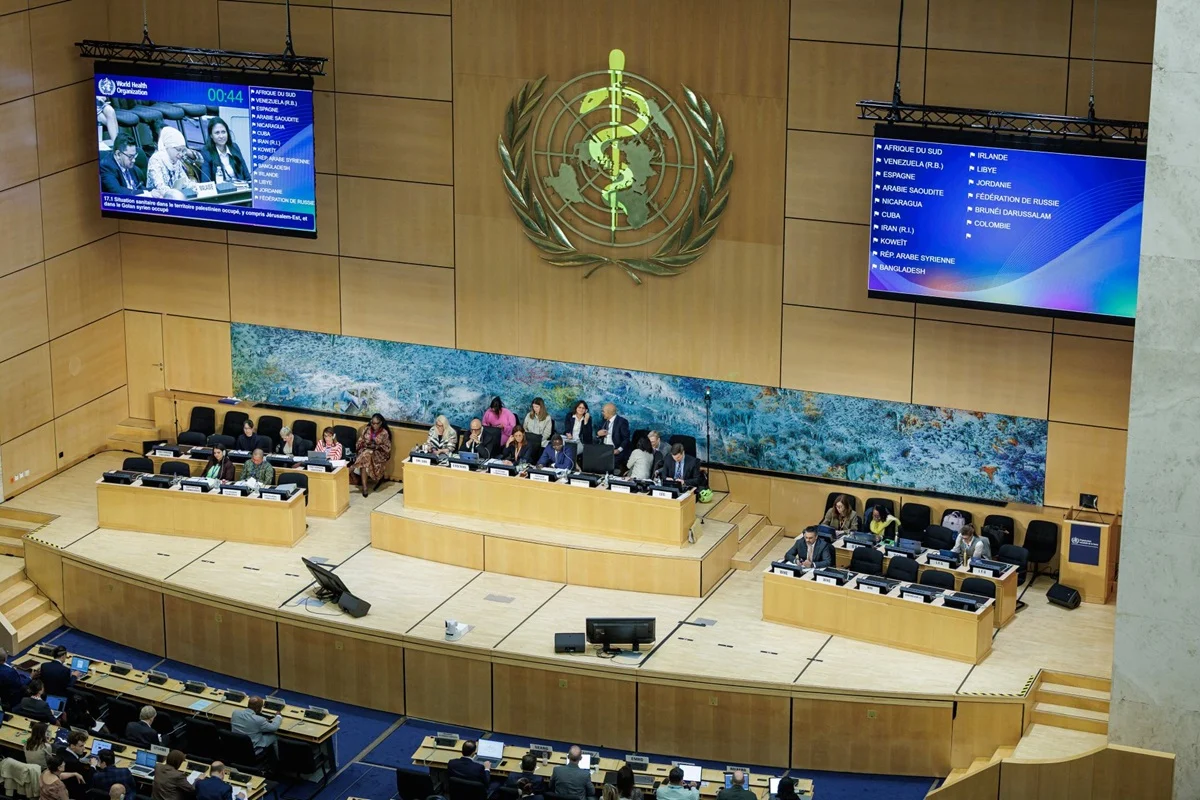
The Seventy-ninth World Health Assembly has officially endorsed a landmark decision requesting the Director-General of the World Health Organization (WHO) to develop a comprehensive post-2030 tuberculosis (TB) strategy. This decision, reached during the latest plenary sessions in Geneva, mandates a collaborative developmental process involving Member States and a broad spectrum of health stakeholders. The finalized strategy is slated for submission to the Eighty-first World Health Assembly in 2028, positioning it as the primary roadmap for global TB eradication efforts in the decade following the 2030 Sustainable Development Goal (SDG) deadline.
The move signals a proactive shift in the global health architecture, acknowledging that while the current "End TB Strategy" has facilitated significant milestones, the complexities of the modern epidemiological landscape require a modernized approach. The new framework will be designed to integrate emerging scientific breakthroughs—including next-generation vaccines and shorter treatment regimens—with the overarching goals of universal health coverage (UHC) and global health security. This strategic alignment is particularly critical as the international community prepares for the 2028 United Nations High-Level Meeting on TB.
The Evolution of the Global Tuberculosis Response and Current Progress
The Assembly’s deliberations were informed by a detailed progress report on the implementation of the existing End TB Strategy, which was originally adopted in 2014 with the ambitious goal of ending the global TB epidemic. The data presented underscores a dual reality: historic achievements tempered by persistent systemic vulnerabilities. Since the turn of the millennium, expanded access to diagnostic tools and treatment protocols has saved an estimated 83 million lives. Furthermore, 2024 has emerged as a pivotal year, recording the first post-pandemic decline in TB incidence and the highest-ever documented levels of access to essential TB services.
However, the report also serves as a stark reminder that tuberculosis remains one of the world’s leading infectious killers, second only to COVID-19 during the height of the pandemic and often surpassing HIV/AIDS in annual mortality. Global targets set under the 2030 Agenda for Sustainable Development remain significantly off track. The WHO highlights that the trajectory toward a 90% reduction in TB deaths and an 80% reduction in incidence by 2030 has been severely hampered by several converging factors.
Chronic underfunding remains the primary obstacle; the gap between the investment required and the funding available for TB prevention, diagnosis, and treatment continues to widen, particularly in low- and middle-income countries. Additionally, the disruptive legacy of the COVID-19 pandemic, which diverted resources and paralyzed screening programs, continues to be felt. Beyond the clinical realm, the Assembly noted that broader social determinants—including rising inequality, geopolitical conflict, climate-related displacement, and the resulting vulnerability of marginalized populations—are fueling the continued spread of the disease.
Recognizing Steatotic Liver Disease as a Growing Noncommunicable Threat
In a significant expansion of the global noncommunicable disease (NCD) agenda, delegates at the Assembly approved a resolution recognizing steatotic liver disease (SLD) as a major public health challenge. Formerly known under the umbrella of "fatty liver disease," the rebranding to SLD reflects a more precise, non-stigmatizing medical terminology that encompasses various manifestations of the condition. SLD is now estimated to affect 1.7 billion people worldwide, making it one of the fastest-growing causes of chronic liver disease and a significant contributor to the global NCD burden.
The resolution highlights the intrinsic link between SLD and the modern metabolic syndrome. The condition is closely associated with rising rates of obesity, type 2 diabetes, and cardiovascular disease. While metabolic dysfunction-associated steatotic liver disease (MASLD) represents a large portion of the burden, alcohol-associated liver disease remains a critical factor in global morbidity and mortality.
Public health experts warn that without immediate intervention, SLD serves as a "silent epidemic." In its early stages, the disease often presents no symptoms, yet it can progress to liver fibrosis, cirrhosis, and hepatocellular carcinoma (liver cancer). The increasing prevalence of these advanced stages is placing unprecedented pressure on healthcare systems, particularly in regions where liver transplantation and advanced oncology services are limited.
The newly adopted resolution calls for a multisectoral response. Member States are urged to integrate SLD management into their national NCD strategies, focusing on primary healthcare as the first line of defense. This includes improving surveillance and public awareness while promoting lifestyle interventions to address shared risk factors such as physical inactivity and unhealthy diets. Furthermore, the resolution requests the WHO to provide technical support to countries to strengthen screening and diagnostic capacities, with a specific focus on high-risk populations, including the rising number of children and adolescents affected by metabolic issues.
Addressing Equity Gaps in Haemophilia and Rare Bleeding Disorders
The Assembly also turned its attention to the often-overlooked community of individuals living with haemophilia and other rare bleeding disorders. A new resolution was endorsed to address the profound "equity gap" in the diagnosis and treatment of these conditions. It is estimated that nearly 70% of people worldwide living with haemophilia remain undiagnosed, a statistic that translates to hundreds of thousands of individuals living without the medical support necessary to prevent life-threatening complications.
Haemophilia and related disorders, such as von Willebrand disease, impair the blood’s ability to clot. This leads to prolonged bleeding after minor injuries and, in severe cases, spontaneous internal bleeding into joints and muscles. Without access to prophylaxis—the regular administration of clotting factor concentrates—these episodes cause irreversible joint damage, chronic pain, disability, and premature death.
The resolution represents a formal commitment by Member States to integrate bleeding disorder management into national health policies. Key commitments include:
- Diagnostic Capacity: Strengthening laboratory infrastructure to ensure early and accurate diagnosis.
- Essential Medicines: Encouraging the inclusion of life-saving therapies, including both traditional factor concentrates and modern non-factor therapies, in national Essential Medicines Lists (EML).
- Primary Care Integration: Ensuring that primary healthcare providers are trained to recognize symptoms and facilitate timely referrals to specialized centers.
- Data Collection: Enhancing national registries to better track the prevalence and outcomes of bleeding disorders, which is essential for resource allocation.
By recognizing these conditions within the broader framework of NCDs and maternal health, the Assembly aims to reduce the stigma associated with rare genetic disorders and ensure that "no one is left behind," regardless of the rarity of their condition or their geographic location.
Combatting Health Misinformation to Restore Public Trust
Recognizing that medical breakthroughs are ineffective if the public does not trust the institutions delivering them, the Assembly held a Strategic Roundtable on health mis- and disinformation. This session brought together leaders from government, science, civil society, and the private sector to address what many now describe as a "public health threat" on par with viral pathogens.
The roundtable participants reached a consensus that misinformation is not merely a communication hurdle but a structural challenge that undermines the delivery of vaccines, treatments, and public health advice. The "infodemic" observed during the COVID-19 pandemic served as a catalyst for this discussion, highlighting how rapidly spreading falsehoods can lead to vaccine hesitancy and the rejection of evidence-based interventions.
The discussions emphasized the need for a "whole-of-society" approach. Strategies identified include:
- Empowering Frontline Workers: Training health professionals to engage in empathetic, evidence-based communication with patients who have encountered misinformation.
- Proactive Engagement: Moving away from reactive "fact-checking" toward a model of "pre-bunking," where credible information is disseminated before myths can take hold.
- Technological Collaboration: Strengthening partnerships with technology and social media platforms to ensure that high-quality health information is prioritized in algorithms.
- Community Trust: Leveraging trusted local voices—such as community leaders and youth advocates—to bridge the gap between scientific institutions and the public.
The WHO’s role was defined as a central convener, providing normative guidance and helping countries build resilient information ecosystems that can withstand the pressures of the digital age.
Analysis of Implications and Future Chronology
The outcomes of this World Health Assembly session reflect a sophisticated understanding of 21st-century health challenges. By planning for a post-2030 TB strategy now, the WHO is acknowledging that the fight against infectious disease is a multi-decadal endeavor that cannot be tethered solely to short-term political cycles. The 2028 submission deadline provides a four-year window for rigorous consultation, ensuring the next strategy is informed by the latest molecular biology and socioeconomic research.
The recognition of SLD and the renewed focus on haemophilia indicate an evolving definition of "global health priorities." It suggests that the international community is beginning to balance its focus between high-mortality infectious diseases and chronic, often invisible, conditions that diminish the quality of life for billions.
As the Assembly concludes, the focus shifts to implementation. The success of these resolutions will depend on the ability of Member States to translate high-level policy into localized action. The biennial progress reports requested by the Assembly will serve as the primary mechanism for accountability. For TB, the road to 2028 will be marked by intense resource mobilization; for SLD and bleeding disorders, the challenge will be the integration of specialized care into already strained primary health systems. Ultimately, these decisions represent a collective effort to rebuild global health architecture that is more inclusive, scientifically grounded, and resilient against the rising tide of misinformation.
