
Recent breakthroughs in cardiovascular research have identified a specific gut-heart connection that could revolutionize the prevention and treatment of atrial fibrillation (AFib), the world’s most common sustained cardiac rhythm disorder. A comprehensive study published in the journal Cell Metabolism reveals that the gut bacterium Ruminococcus gnavus plays a critical role in maintaining cardiac health by producing a metabolite known as isovaleric acid (IVA). This compound appears to act as a chemical shield, signaling heart cells to suppress inflammation and prevent the cellular death pathways that lead to the structural remodeling of the heart.
Led by Ning Ding and a team of researchers at Xi’an Jiaotong University in China, the study provides some of the most compelling evidence to date that the microbial ecosystem within the human digestive tract exerts a direct influence on the electrical stability of the heart. By bridging the gap between nutritional intake, microbial metabolism, and cardiac electrophysiology, the findings suggest that the future of AFib management may lie not just in the heart itself, but in the precision modulation of the gut microbiome.
The Global Burden and Mechanics of Atrial Fibrillation
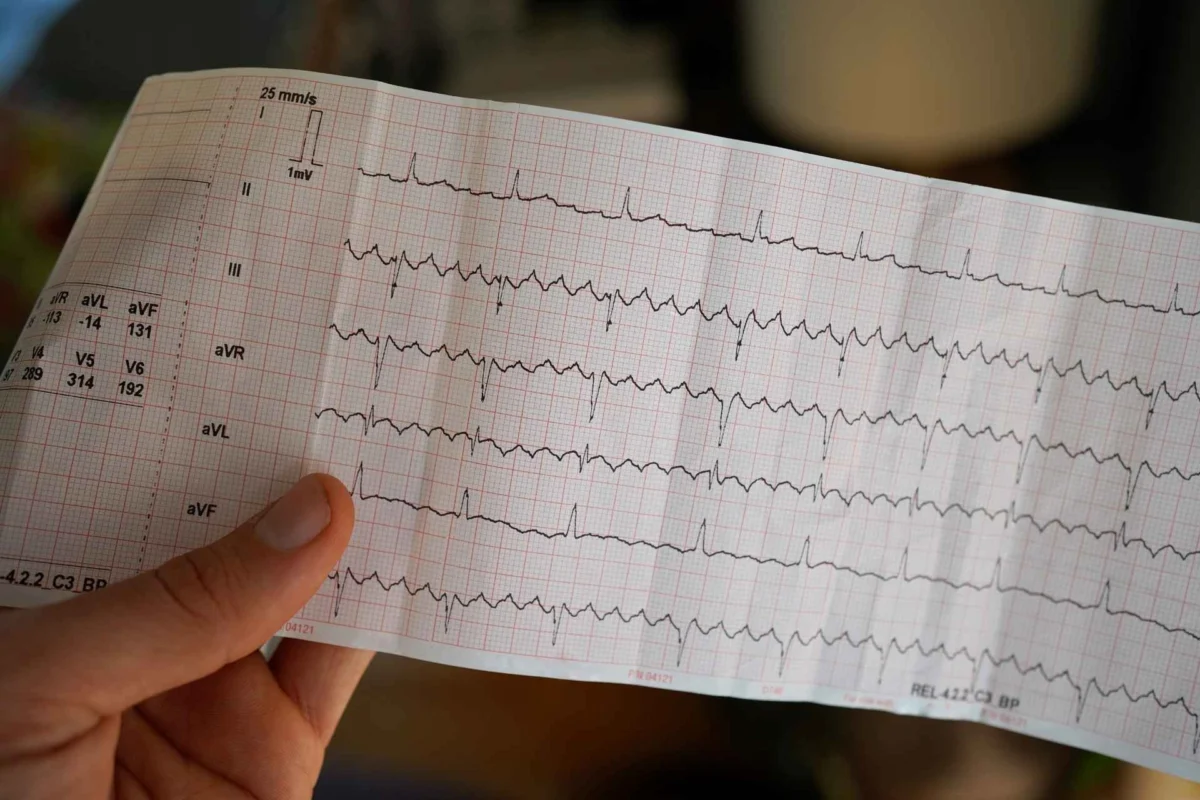
Atrial fibrillation is characterized by an irregular and often rapid heart rate that can lead to blood clots, stroke, heart failure, and other heart-related complications. During AFib, the heart’s two upper chambers—the atria—beat chaotically and irregularly, out of coordination with the two lower chambers. According to the World Health Organization and the American Heart Association, AFib affects more than 37 million people globally, and its prevalence is expected to rise significantly as the global population ages.
Traditional management of AFib focuses on rate control, rhythm control through anti-arrhythmic drugs, and the prevention of blood clots using anticoagulants. In more severe cases, catheter ablation—a procedure that scars small areas of heart tissue to block irregular electrical signals—is employed. However, these treatments often address the symptoms rather than the underlying biological drivers of the disease. The realization that systemic inflammation and metabolic dysfunction drive the "remodeling" of the heart has led researchers to look beyond the cardiovascular system for answers.
Chronology of the Discovery: From Patient Cohorts to Molecular Pathways
The research team at Xi’an Jiaotong University followed a multi-stage investigative path to isolate the protective role of R. gnavus. The study began with a comparative analysis of the gut microbiota and blood metabolites of human subjects. The researchers recruited a cohort consisting of patients diagnosed with atrial fibrillation and a control group of healthy individuals.
Through advanced metagenomic sequencing and metabolomic profiling, the team identified a stark disparity: patients with AFib exhibited significantly lower levels of R. gnavus compared to their healthy counterparts. This depletion was accompanied by a corresponding drop in several short-chain fatty acids (SCFAs), most notably isovaleric acid.
Following the human observations, the researchers moved to animal models to establish causality. They utilized germ-free mice—animals raised in sterile environments without any internal microbes. These mice are known to have a higher susceptibility to cardiac issues and inflammatory stress. When the researchers restored the gut bacteria in these mice, they observed a marked improvement in cardiac function. Specifically, when the mice were supplemented with R. gnavus, there was a significant reduction in AFib susceptibility, heart tissue scarring (fibrosis), and systemic inflammation.
In the final phase of the study, the team pinpointed the exact biochemical mechanism. They discovered that R. gnavus metabolizes the dietary amino acid leucine into isovaleric acid using a specific bacterial enzyme called vorC. This isovaleric acid then enters the bloodstream and binds to a receptor on heart cells known as GPR109A. This binding action effectively shuts down a signaling pathway that would otherwise trigger inflammatory cell death (pyroptosis) and tissue degradation.
Supporting Data: The Link Between IVA and Clinical Outcomes
The data provided by the study offers a quantitative look at how microbial health translates to cardiac stability. In the human cohort, the researchers found that lower levels of isovaleric acid were not merely a marker of the disease but were actively correlated with the severity of the condition.
Key data points from the study include:
- Heart Size and Remodeling: Patients with the lowest concentrations of isovaleric acid tended to have larger atrial diameters, a classic sign of cardiac remodeling that predisposes the heart to rhythm disturbances.
- Inflammatory Markers: Low IVA levels were strongly associated with higher concentrations of C-reactive protein (CRP) and other pro-inflammatory cytokines in the blood.
- Recurrence Rates: In patients who underwent treatment for AFib, those with higher baseline levels of R. gnavus and isovaleric acid had a significantly lower risk of the arrhythmia returning post-treatment.
In the experimental mouse models, the administration of isovaleric acid alone—without the bacteria—was sufficient to replicate many of the protective effects. This suggests that while the bacteria are the "factory," the metabolite is the "medicine." The researchers noted that mice treated with IVA showed a decrease in the activation of the NLRP3 inflammasome, a protein complex that is a major driver of inflammation in heart tissue.
The Role of Leucine and the vorC Enzyme
A critical aspect of this research is the identification of the metabolic precursor: leucine. Leucine is an essential branched-chain amino acid found in many high-protein foods, including eggs, dairy, beans, and meat. While leucine is vital for muscle protein synthesis, this study highlights its role as a substrate for beneficial gut bacteria.
The discovery of the vorC enzyme is particularly significant for future diagnostic tools. By measuring the presence and activity of the vorC gene within a patient’s gut microbiome, doctors might eventually be able to assess a person’s inherent risk for developing AFib or their likelihood of responding well to certain treatments. This adds a layer of precision medicine to cardiology that has previously been absent.
Analysis of Implications: A Shift Toward Microbiota-Based Therapy
The implications of this study are far-reaching, suggesting that the medical community may need to reconsider how it approaches preventative cardiology. If AFib is at least partially a result of a "missing" microbe or a metabolic deficiency, then probiotics or postbiotic supplements could become a standard part of heart health regimens.
"These results reveal that the microbial metabolism of dietary leucine and the production of isovaleric acid play pivotal roles in preventing AFib onset and progression," the study authors noted. This statement underscores a shift from seeing the gut as merely a digestive organ to seeing it as a sophisticated chemical processing plant that regulates systemic health.
However, experts in the field urge a balanced interpretation. While R. gnavus showed protective effects in this specific context, the gut microbiome is highly complex. Some previous studies have linked R. gnavus to inflammatory bowel disease (IBD) in different contexts, suggesting that the "behavior" of a microbe can change based on the overall microbial environment and the specific strains involved. This highlights the need for targeted, strain-specific research before any "heart-healthy" probiotics are brought to market.
Future Directions and Clinical Potential
The success of this study in mice provides a robust framework for human clinical trials. The next logical step involves testing whether oral supplementation of isovaleric acid or targeted "probiotic cocktails" containing R. gnavus can reduce AFib episodes in high-risk human populations.
Furthermore, the study opens up new avenues for dietary recommendations. While a "heart-healthy" diet has traditionally focused on low sodium and healthy fats, it may soon include specific requirements for amino acids like leucine, paired with the necessary fiber and prebiotics to support the growth of R. gnavus.
Beyond AFib, the discovery of the IVA-GPR109A signaling pathway may have applications for other inflammatory heart conditions, such as myocarditis or heart failure with preserved ejection fraction (HFpEF). By identifying a natural way to suppress inflammatory cell death in the heart, the researchers have provided a potential blueprint for a new class of "metabolite-mimetic" drugs.
In conclusion, the work of Ning Ding and colleagues marks a milestone in the study of the gut-heart axis. By demonstrating that a specific bacterial enzyme can convert a common dietary amino acid into a potent cardiac protector, the study provides a clear biological mechanism for how our internal "garden" keeps our heart in rhythm. As the medical community continues to explore the vast landscape of the human microbiome, the humble Ruminococcus gnavus may stand out as a key ally in the global fight against cardiovascular disease.
