
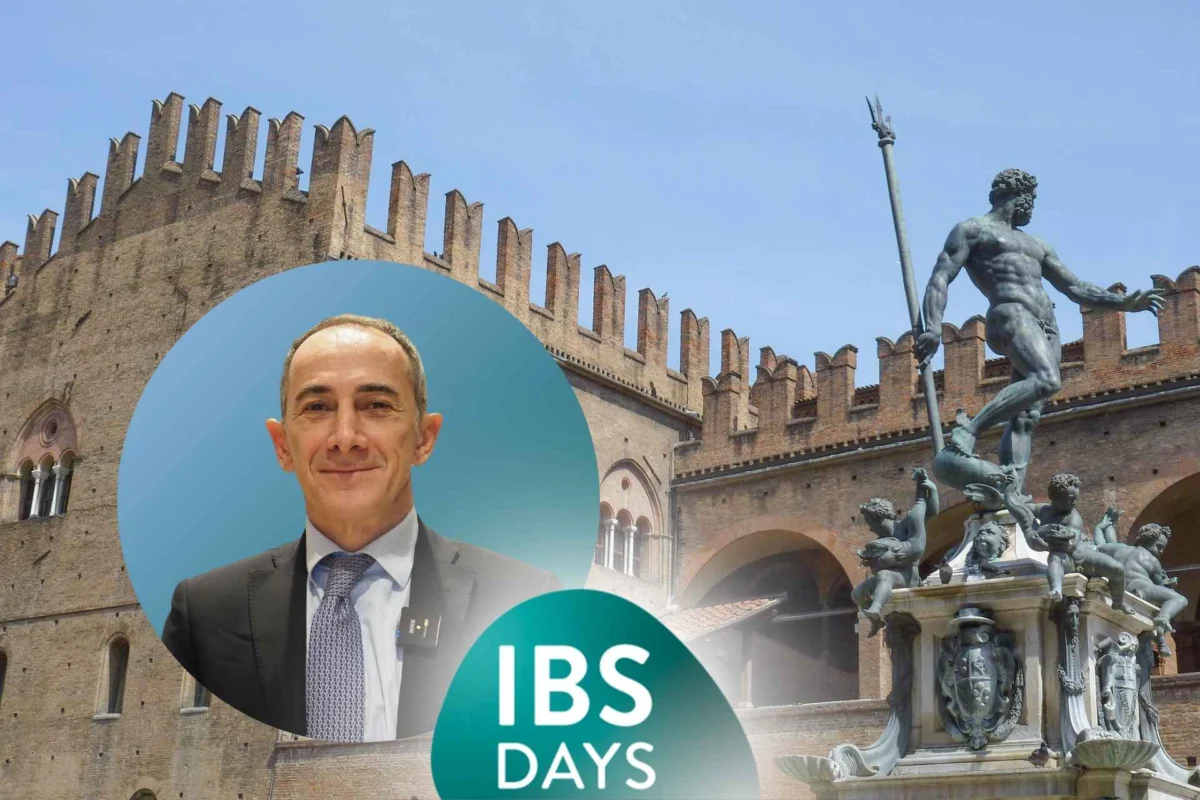
The city of Bologna, Italy, is set to become the epicenter of global gastroenterological research as it prepares to host the fifth edition of IBS Days from June 15 to 17, 2026. This prestigious congress, held at the historic Palazzo Re Enzo, represents a critical milestone in the study and treatment of Irritable Bowel Syndrome (IBS), a condition that affects a significant portion of the global population. The 2026 meeting is poised to be particularly consequential, as it will serve as the platform for the first European launch of the Rome V criteria, the gold standard for diagnosing disorders of gut-brain interaction (DGBI). By bringing together an international faculty of distinguished key opinion leaders, the event aims to bridge the gap between emerging scientific research and clinical practice, offering a comprehensive look at the future of gastrointestinal health.
The Evolution of IBS Days and the Choice of Bologna
IBS Days has established itself as one of the most specialized and influential gatherings in the field of functional gastroenterology. Since its inception, the congress has focused exclusively on the complexities of Irritable Bowel Syndrome, recognizing that this condition requires a multidisciplinary approach encompassing neurology, microbiology, nutrition, and internal medicine. The selection of Bologna as the host city for the 2026 edition is deeply symbolic. As the home of the world’s oldest university and a long-standing center for medical excellence, Bologna provides a fitting backdrop for an event that seeks to advance human understanding of the body’s most complex internal systems.
The venue, Palazzo Re Enzo, located in the heart of the city’s medieval center, offers a unique environment where historic architecture meets modern scientific discourse. Built in the 13th century, the palace will house hundreds of specialists, researchers, and clinicians, facilitating a level of peer-to-peer interaction that is vital for the dissemination of new medical standards.
Chronology of the Congress: A Three-Day Deep Dive
The fifth edition of IBS Days is structured to provide both foundational education and high-level scientific debate. The three-day program is designed to move from clinical basics to the cutting edge of experimental medicine.
Monday, June 15: The Postgraduate Course
The congress will open on June 15 with a dedicated postgraduate course. This session is specifically designed for practicing clinicians, gastroenterologists in training, and healthcare professionals who seek to update their diagnostic and therapeutic toolkits. The curriculum will focus on the most advanced therapeutic approaches currently available, emphasizing evidence-based medicine. Participants will engage with case studies and interactive sessions led by international faculty, ensuring that the theoretical knowledge discussed in the subsequent days can be translated into immediate improvements in patient care.
Tuesday, June 16: The Rome V Launch and Pathophysiology
Tuesday marks the official commencement of the scientific congress and the most anticipated moment of the event: the first European presentation of the Rome V criteria. For the past decade, clinicians have relied on the Rome IV criteria, but the evolution of science—particularly in the realms of genetics and the microbiome—has necessitated an update. This session will detail the revised diagnostic algorithms and the shifts in how IBS is classified within the broader spectrum of gut-brain interaction disorders.
Following the launch, the focus will shift to the pathophysiology of IBS. Experts will present the latest findings on intestinal permeability, often referred to as "leaky gut," and how changes in the gut barrier contribute to systemic inflammation and symptom severity.
Wednesday, June 17: Treatment Frontiers and the Gut-Brain Axis
The final day of the congress will explore the diverse range of factors influencing IBS, from the role of the microbiota to the intricacies of visceral sensitivity. A significant portion of the day will be dedicated to the gut-brain axis, a bidirectional communication system that has revolutionized the understanding of functional gastrointestinal disorders. The sessions will also cover dietary interventions, such as the low-FODMAP diet, and the potential of personalized nutrition and probiotics in managing chronic symptoms.
The Global Burden of IBS: Supporting Data and Context
The significance of IBS Days 2026 cannot be overstated when considering the global prevalence and economic impact of Irritable Bowel Syndrome. IBS is one of the most common gastrointestinal disorders worldwide, with estimates suggesting that it affects between 5% and 15% of the general population. In Europe alone, millions of individuals suffer from the chronic abdominal pain, bloating, and altered bowel habits associated with the condition.
Data from recent epidemiological studies indicate that IBS has a profound impact on quality of life, often comparable to that of major chronic diseases like congestive heart failure or diabetes. Furthermore, the economic burden is substantial. In the United States and the European Union, the direct and indirect costs associated with IBS—including healthcare utilization, diagnostic testing, and lost workplace productivity—are estimated to reach billions of euros annually.
The introduction of the Rome V criteria at the Bologna congress is expected to provide a more refined framework for diagnosis, potentially reducing the "diagnostic odyssey" many patients face. By standardizing the criteria, the medical community aims to minimize unnecessary invasive testing while ensuring that patients receive targeted, effective treatments earlier in the course of their illness.
Technical Analysis of the Rome V Transition
The transition from Rome IV to Rome V represents a paradigm shift in how functional gastrointestinal disorders are perceived. Historically, these conditions were often diagnoses of exclusion, frequently dismissed as "psychosomatic" due to the lack of visible structural abnormalities in the gut. However, the Rome Foundation has led the charge in redefining these as disorders of gut-brain interaction.
The Rome V update is expected to integrate ten years of research into the enteric nervous system and the role of neuro-inflammation. Preliminary insights suggest that Rome V will place a greater emphasis on patient-reported outcomes and the nuances of symptom frequency and severity. By refining these categories, the new criteria will allow for more precise clinical trials, as researchers will be able to group patients with more similar underlying biological mechanisms. This precision is essential for the development of "personalized gastroenterology," where treatments are tailored to the specific pathophysiological profile of the individual.
Expert Perspectives and Institutional Impact
While official statements from the Rome Foundation and the IBS Days organizing committee will be finalized closer to the event, the medical community’s anticipation is already palpable. Leading gastroenterologists have noted that the European launch of Rome V in Bologna will likely set the agenda for gastrointestinal research for the next decade.
"The launch of Rome V is not just a change in documentation; it is a change in the way we think about the patient," notes the inferred sentiment from the global faculty. "Bologna 2026 will provide the necessary forum to debate these changes and ensure they are implemented consistently across European healthcare systems."
The involvement of an international faculty ensures that the congress will address the geographic variations in IBS. Research has shown that the prevalence and presentation of IBS can vary significantly between cultures, often influenced by local diets and environmental factors. The 2026 congress will facilitate a cross-pollination of ideas between experts from North America, Europe, and Asia, fostering a truly global approach to a global problem.
Broader Implications for the Future of Healthcare
The fifth edition of IBS Days arrives at a time when the healthcare industry is increasingly focused on the microbiome and its systemic effects. The topics slated for discussion in Bologna—such as intestinal motility and the role of the microbiota—have implications far beyond the digestive tract. Emerging research suggests that the health of the gut is inextricably linked to mental health, autoimmune function, and even metabolic health.
By advancing the science of IBS, the 2026 congress contributes to a broader understanding of human biology. The focus on the gut-brain axis, in particular, highlights the necessity of integrated care models where gastroenterologists work alongside dietitians and psychologists. This holistic approach is expected to become the standard of care in the years following the Bologna meeting.
Furthermore, the emphasis on intestinal permeability and visceral sensitivity at the congress reflects a move toward identifying bio-markers for IBS. Currently, the lack of a definitive blood test or imaging marker remains a challenge. The research presented in 2026 may pave the way for new diagnostic technologies that can objectively measure gut function, further legitimizing the experience of patients and streamlining clinical workflows.
Conclusion
As June 2026 approaches, the medical community looks toward Bologna with high expectations. The fifth edition of IBS Days represents more than just a scientific meeting; it is a foundational event that will redefine the diagnostic landscape for one of the world’s most prevalent and misunderstood conditions. Through the launch of the Rome V criteria and the exploration of the gut-brain axis, the congress at Palazzo Re Enzo will provide the clarity and innovation needed to improve the lives of millions of IBS patients globally. The convergence of historical tradition and future-oriented science in Bologna ensures that the insights gained during these three days will resonate throughout the medical field for years to come.
