
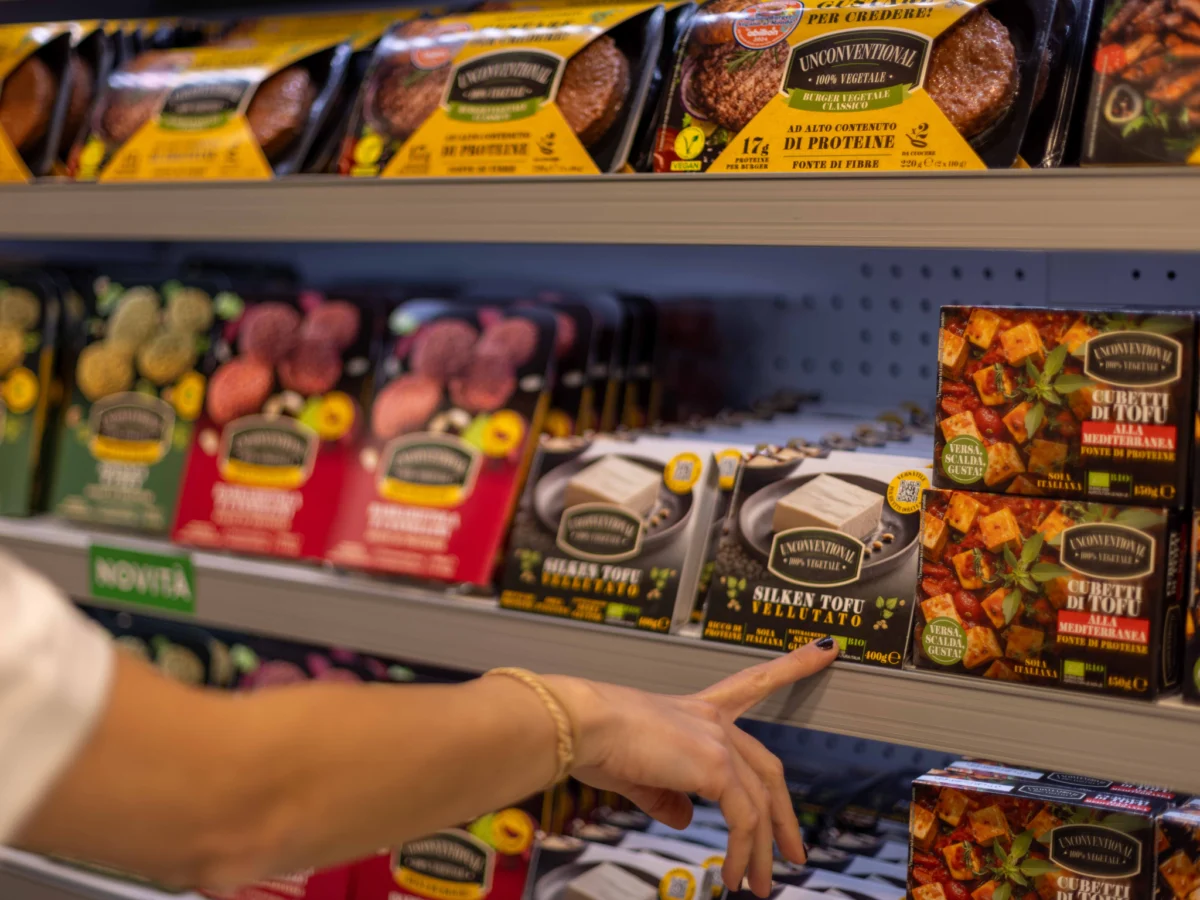
The Italian meat industry titan, Amadori Group, has strategically acquired Unconventional, a prominent player in the plant-based protein sector based in Bologna. This landmark transaction propels Amadori into the rapidly expanding meat-free market and immediately positions the company as the third-largest branded entity within Italy’s burgeoning vegan food landscape. The move signifies a significant diversification strategy for Amadori, leveraging the growing consumer demand for alternative protein sources driven by health consciousness and environmental awareness.
The acquisition, finalized for an undisclosed sum, sees Amadori Group take full control of Unconventional from its previous owner, dairy producer Granarolo. This includes the complete management of the Unconventional brand and its production facilities located in Coriano. This integration marks a pivotal moment for Amadori, allowing it to tap into a segment that has experienced sustained growth in recent years, mirroring global trends towards plant-based diets.
Denis Amadori, CEO of Amadori Group, expressed his enthusiasm for the strategic acquisition. "This acquisition represents an important acceleration in our growth path, allowing us to become one of the top three branded players in the plant-based processed foods sector," he stated. This sentiment underscores the company’s ambition to not only participate in but lead within the alternative protein market. The deal also aligns with a broader trend of consolidation within the alternative protein sector. Since September 2024, the industry has witnessed over 70 companies undergo buyouts, acquisitions, mergers, or face insolvency, highlighting a period of significant restructuring and maturation.
Unconventional’s Strategic Role in Amadori’s Diversification
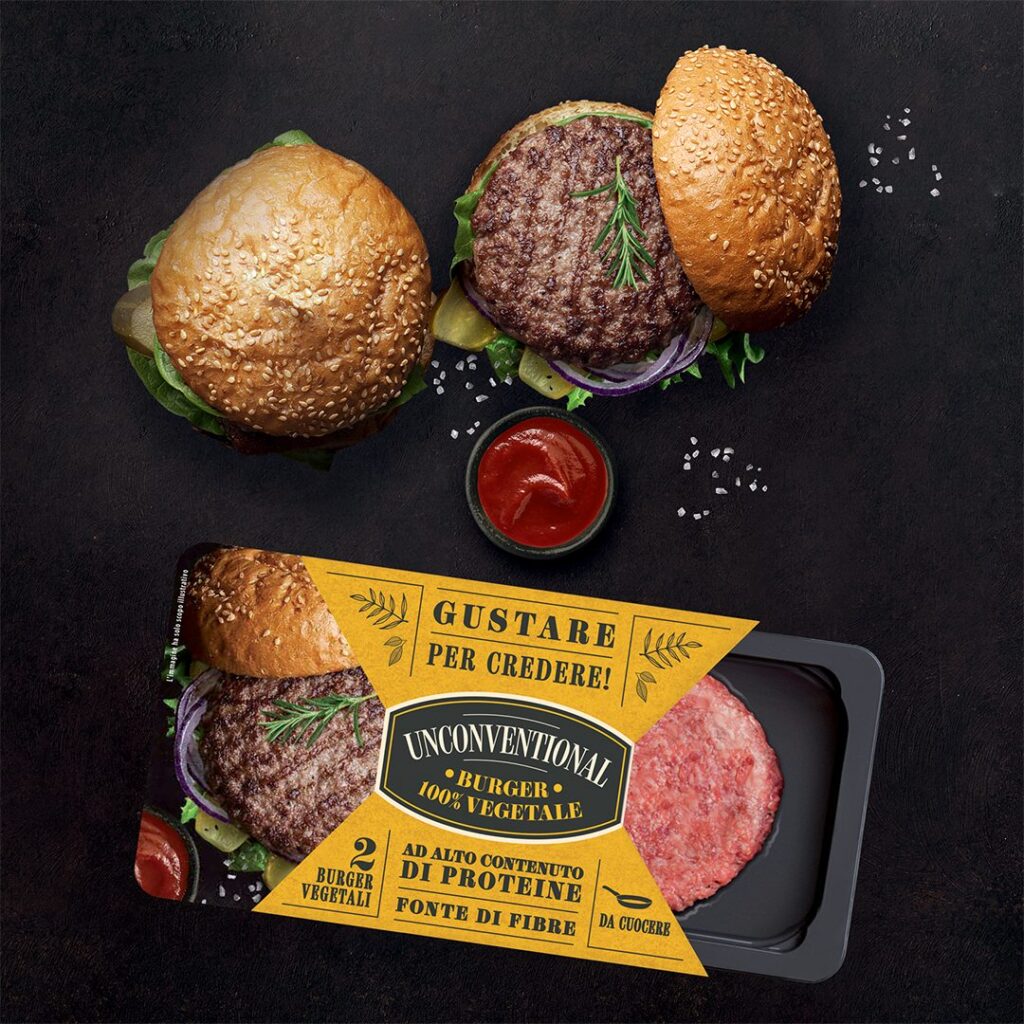
Founded in 2020 by Granarolo, Unconventional has established itself as a key innovator in the Italian plant-based market. The company specializes in a diverse range of soy-based meat alternatives, including popular items such as burgers, meatballs, sausages, and chicken fillets, alongside tofu and mini veggie burgers. These products cater to both the retail and foodservice sectors, demonstrating a comprehensive market reach.
Granarolo’s decision to divest Unconventional stems from a strategic realignment of its business priorities. Stanislao Fabbrino, President of Granarolo, explained the rationale behind the sale: "With a view to simplifying our business model, we are focusing on the milk and dairy products market." This strategic pivot allows Granarolo to concentrate its resources and expertise on its core competencies while ensuring the continued growth of Unconventional under a new, strong ownership. Fabbrino further commented on the transaction, expressing satisfaction with the outcome: "We are extremely pleased to have completed this important transaction, underlining the continuity of Italian ownership, with a solid, traditional company from our region. We are collaborating with this company and are confident it will ensure further growth for a recognisable and well-regarded brand like Unconventional."
For Amadori Group, integrating Unconventional into its portfolio is a calculated step towards enhancing its overall protein offering. The acquisition aims to diversify its product range, thereby solidifying its market position and accelerating its leadership trajectory in the broader protein industry. The company plans to leverage its extensive logistics and sales network to support the Unconventional brand. This established infrastructure is expected to ensure supply continuity for Unconventional’s product line, which Amadori acknowledges as a "benchmark" within the Italian plant protein sector.
"Unconventional 100% Vegetable enriches our offer with products with a high rate of innovation, responding to the new needs of consumers looking for a balanced and varied diet," stated the Amadori CEO. He further emphasized the synergy of the integration: "We will integrate this brand into our ecosystem, certain that the strength of the Amadori Group will be able to project it towards new goals." This indicates a commitment to investing in the brand’s future development and expanding its market presence.
The Ascendant Trajectory of Italy’s Plant-Based Sector
The acquisition of Unconventional by Amadori Group is occurring against a backdrop of robust growth for plant-based foods in Italy. Data from Circana reveals that sales in this category surged by 3.8% last year, surpassing €208 million, with a notable increase of nearly 6% in sales volumes. This expansion has led to plant-based products becoming a staple in 28.7% of Italian households.
This consistent upward trend has been described by Amadori as "years of uninterrupted growth." The Italian Food Union’s plant-based products arm reports a significant 10.6% increase in the number of Italians consuming meat and dairy alternatives since 2023. A substantial segment of the population, nearly half (46%), now incorporates plant-based products into their diets two to three times per month.

Market analysis indicates that meat-free burgers, meatballs, sausages, and cold cuts are particularly popular, being consumed by 45% of Italian citizens and leading the plant-based market. The primary drivers behind this dietary shift are varied. According to recent research, 42% of consumers opt for plant-based foods to diversify their diets, while 19% seek to increase their intake of plant proteins.
The perception of vegan food among Italians is overwhelmingly positive. Over 73% of respondents in a recent survey identified plant-based products as healthy, recognizing their rich content of fiber, vitamins, minerals, and protein, coupled with low fat and cholesterol levels. This positive perception is a crucial factor underpinning the market’s sustained growth.
Beyond perceived health benefits, culinary innovation and convenience also play significant roles. A notable 66% of respondents attribute their increased consumption of plant-based foods to the culinary creativity they enable, allowing for experimentation with new flavors, textures, and ingredients. For 65% of consumers, plant-based options are an excellent choice for quick meal preparation, even when fresh seasonal vegetables are not readily available.
Environmental considerations are also increasingly influencing purchasing decisions. Over two-thirds of respondents (68%) choose plant-based products due to their absence of animal-derived ingredients, and 63% cite their reduced environmental impact as a key factor. This growing awareness of sustainability further bolsters the demand for plant-based alternatives.
Broader Economic and Industry Implications
The shift towards alternative proteins holds significant economic potential for Italy. Research suggests that a widespread transition to alternative proteins could enhance the nation’s self-sufficiency by reducing reliance on imports. Projections indicate this could add approximately €10 billion in gross value annually by 2040, underscoring the strategic importance of supporting and developing this sector.
This potential is already being recognized and acted upon by established players within the food industry. In 2024, Gruppo Tonazzo made the decisive move to cease its meat operations after 136 years in business, redirecting its focus entirely to plant-based proteins through its Kioene brand. This demonstrates a clear recognition of the market’s future direction and a willingness to adapt.
Further evidence of the sector’s dynamism is seen in the acquisition of The Bridge, a 32-year-old vegan food producer, by asset manager Ambienta earlier this year. These transactions collectively signal a period of significant investment and consolidation, as companies seek to capitalize on the rapidly evolving landscape of protein consumption. The acquisition of Unconventional by Amadori Group is therefore not an isolated event but rather a key development within a broader industry transformation, solidifying Italy’s position as a significant market for plant-based innovation and production.
