
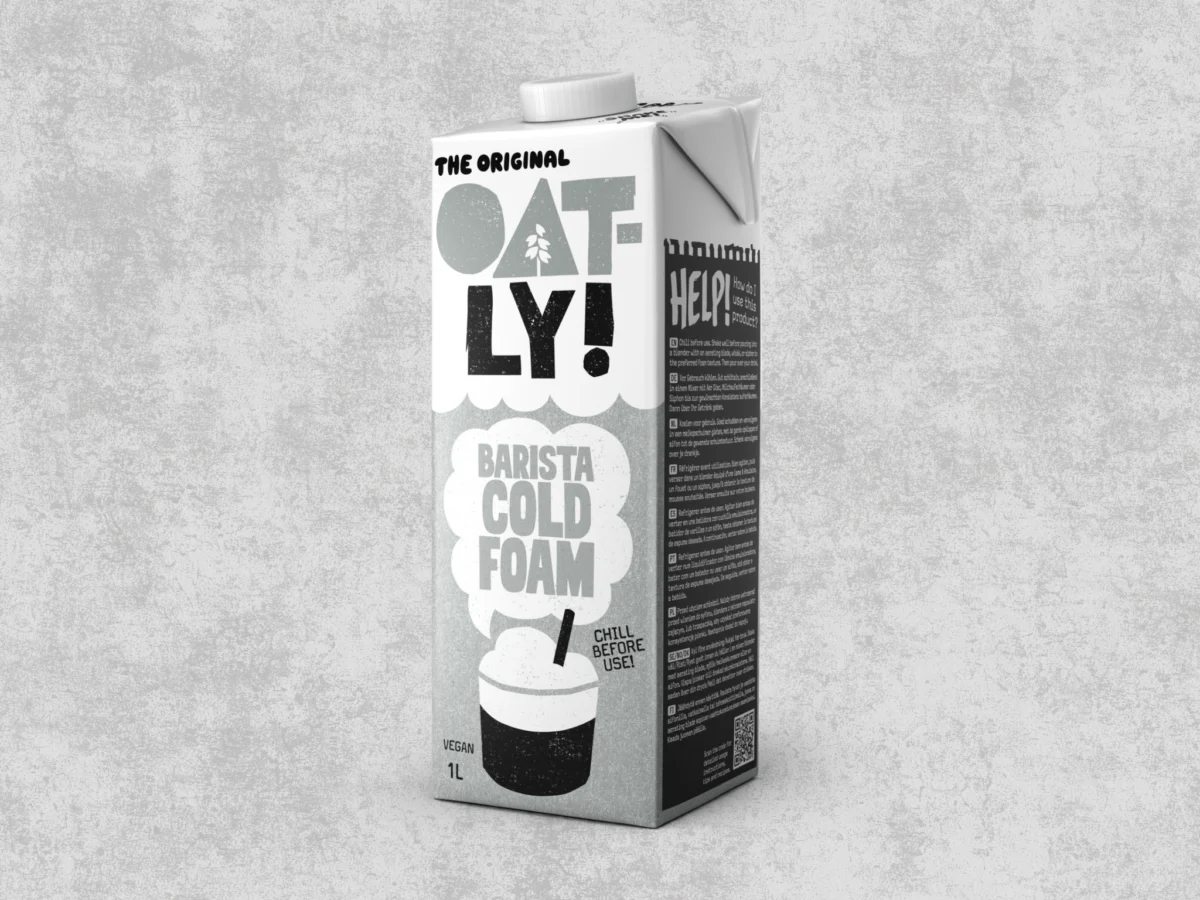
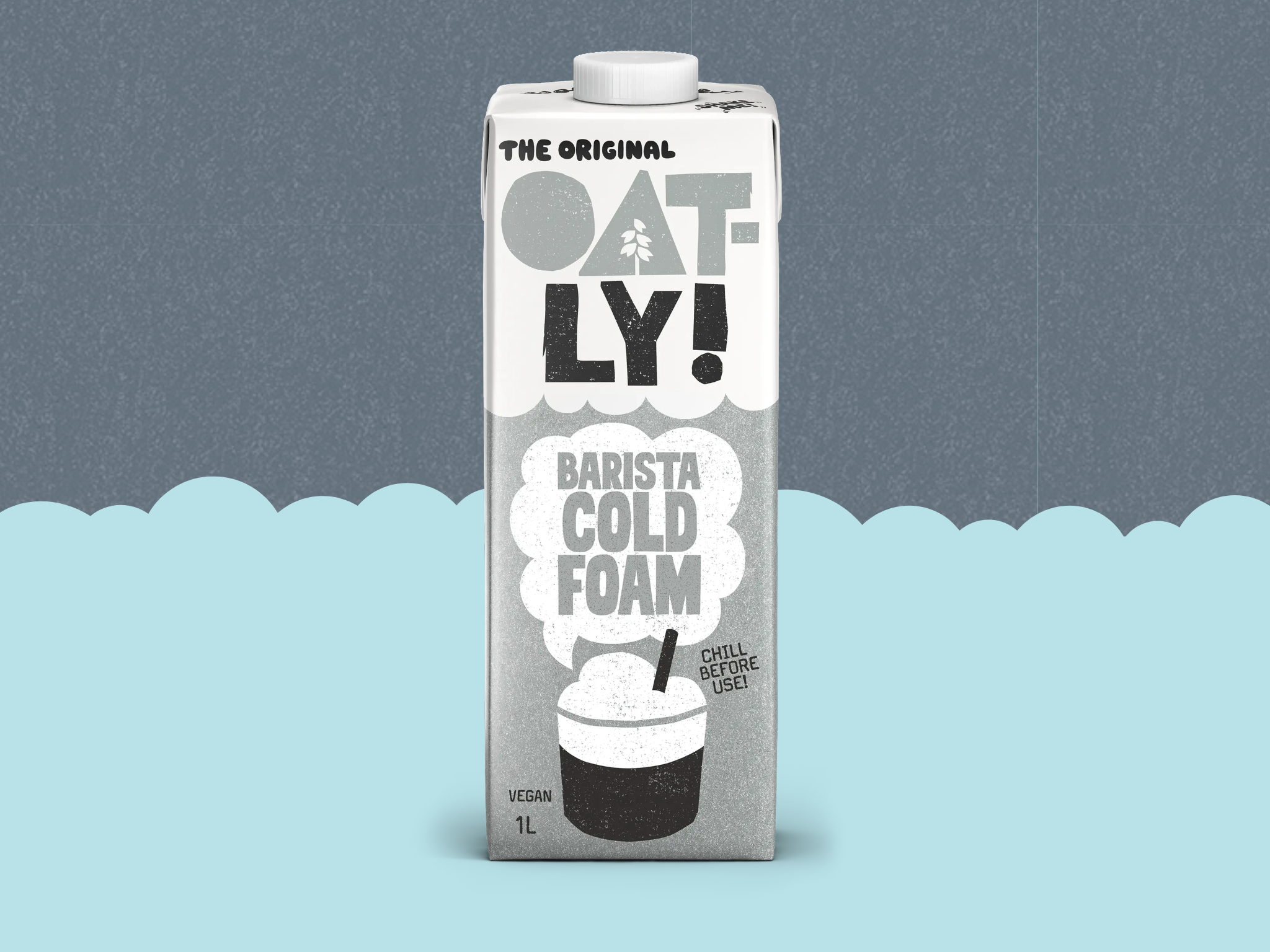
Oatly’s highly anticipated Barista Cold Foam milk is officially rolling out to coffee shops, signaling a significant advancement for non-dairy versions of the increasingly popular beverage topping. This launch addresses a long-standing gap in the market for consumers seeking the indulgent, visually appealing textures of cold foam without the use of dairy products. The Swedish oat milk giant’s latest innovation promises to democratize the creation of sophisticated coffee beverages, empowering both consumers and independent coffee businesses.
The quest for a satisfactory non-dairy cold foam has been a personal journey for many, including dedicated coffee enthusiasts who have found traditional dairy-based options to be the only reliable route to achieving the desired frothy topping. For years, the desire for a stable, creamy, and aesthetically pleasing cold foam layer on iced beverages has often been met with the limitations of DIY attempts or the exclusivity of proprietary formulations. The challenges lie in replicating the unique properties of dairy cream, which naturally emulsifies and stabilizes when frothed, creating a dense yet airy texture that can hold its shape.
Oatly’s strategic entry into this segment is driven by a keen understanding of evolving consumer preferences and the burgeoning café culture. The company, known for its pioneering role in the plant-based milk industry, has been observing the significant rise in demand for visually appealing, highly customizable, and indulgent coffee drinks, particularly among younger demographics. This trend is characterized by a thirst for innovative flavor profiles, international influences, and aesthetically pleasing presentations that are ripe for social media sharing.
Toby Weedon, Oatly’s Barista Development Director, emphasized the seismic shift in beverage culture. "There has been a big shift in drinks culture towards visually striking, highly customizable beverages, and cold foam plays a major role in that trend, with no signs of slowing down," Weedon stated. This observation underscores the market’s readiness for a robust, plant-based cold foam solution.
The Rise of Cold Foam: From Niche to Mainstream
The ubiquity of cold foam in contemporary coffee culture is undeniable. It has transitioned from a niche offering to a prominent feature on coffee shop menus and a consistent presence across social media platforms. From delicate "coconut clouds" to protein-enhanced latte toppings, cold foam has become a staple in visually driven café experiences.
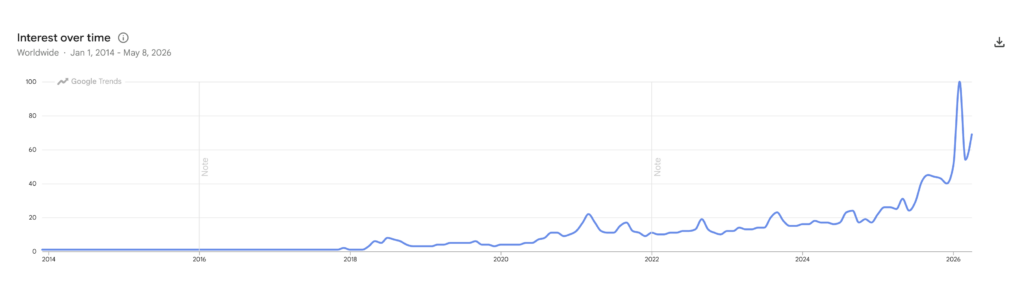
Market analysis from platforms like Spate indicates a dramatic surge in interest surrounding cold foam. Year-over-year searches for "cold foam" saw a significant increase of 105% in 2025, driving overall online appeal by 73%. Projections suggest this momentum will continue, with an additional 26% hike anticipated in 2026. This trend is further corroborated by Google Trends data, which illustrates a substantial global increase in searches for "cold foam" throughout 2025, reaching a peak in February 2026.
The origins of cold foam are multifaceted, with roots tracing back to the 1990s as baristas sought to replicate the velvety texture of hot espresso foam in iced beverages. Early iterations include the Greek freddo cappuccino, which features a shaken iced espresso topped with cold-foamed skimmed milk, offering a silky, glossy texture that gradually integrates into the drink.
Another significant development emerged in Taiwan’s night markets in the early 2010s, where vendors began topping bubble tea with a sweet and salty cheese foam. This concept was further popularized by bubble tea chains, notably HeyTea, which refined the recipe to include cream cheese, creating a precursor to modern flavored foam-topped drinks.
Simultaneously, in Vietnam, a unique variation known as cà phê muối (salted coffee) gained traction. This beverage combines sweetened Robusta coffee with a layer of salty, cream-based cold foam, a creation that has since achieved global popularity as a signature Vietnamese coffee drink.
In Western markets, Starbucks played a pivotal role in introducing cold foam to a wider audience. The coffee giant first debuted an orange-infused cold foam in 2014 at its Seattle Roastery and subsequently rolled it out to its standard stores across the US and Europe by 2018, often accompanying menu items like the freddo cappuccino. This widespread adoption cemented cold foam’s status as a desirable beverage enhancer.
The impact of cold foam on coffee shop sales has been substantial. For instance, Starbucks reported a remarkable 40% increase in cold foam sales in the second quarter of fiscal year 2026, highlighting its commercial significance. Despite its popularity, the availability and success of plant-based cold foam alternatives have historically lagged behind their dairy counterparts, primarily due to challenges in achieving comparable texture and stability.
The Technical Hurdles of Non-Dairy Cold Foam
The creation of a truly effective non-dairy cold foam presents distinct scientific and culinary challenges. Traditional dairy-based cold foams often rely on the protein and fat content of milk and cream to create a stable, airy structure. When frothed, dairy proteins denature and form a stable network that traps air bubbles, while fats contribute to a smooth, creamy mouthfeel.
"Regular barista milks are unlikely to foam up well enough to create a cold foam, because they don’t have enough fat content and, as such, stability to create that dense cream we’d be looking for," explained Weedon. This inherent limitation makes it difficult for standard plant-based milks, even those designed for baristas, to achieve the desired cold foam consistency.
While Starbucks did introduce its own non-dairy cold foam in US stores in 2020, its formulation, which includes soy and oat milk, soy protein isolate, canola oil, sugar, and emulsifiers, is proprietary and designed exclusively for in-house use. This leaves a significant market segment, particularly independent and specialty coffee shops, without a readily accessible and high-performing plant-based cold foam solution.
Oatly’s development of its Barista Cold Foam milk, which commenced in late 2024, aimed to bridge this gap. The process involved extensive research and development, including collaboration with strategic partners to test and refine multiple iterations of the product. A key objective was to ensure versatility across various preparation methods and equipment, allowing seamless integration into diverse café environments.
"One of the biggest challenges was ensuring versatility: we wanted the cold foam to work with a wide range of equipment and preparation methods, so it could fit seamlessly into different environments," Weedon elaborated. "At the same time, it was crucial to maintain a light, airy, creamy texture that would sit beautifully on top of both hot and cold drinks without dissolving into them."
A critical distinction in Oatly’s cold foam formulation is the use of coconut oil instead of the rapeseed oil found in its standard barista edition. "We use coconut oil over the rapeseed oil found in our barista edition, because it remains more solid at a lower temperature, allowing us to create a creamier and more stable foam," Weedon noted. This strategic choice of fat source is crucial for achieving the desired textural properties at colder temperatures.
Furthermore, the product incorporates a blend of stabilizers and emulsifiers, including xanthan gum, gellan gum, hypromellose, mono- and diglycerides of fatty acids, esters of mono- and diglycerides, and Polysorbate 60. These ingredients are essential for creating a stable emulsion and preventing the foam from collapsing, ensuring it maintains its form for an extended period. Pre-chilling the product before use is also recommended to enhance foam stability and shapeability.
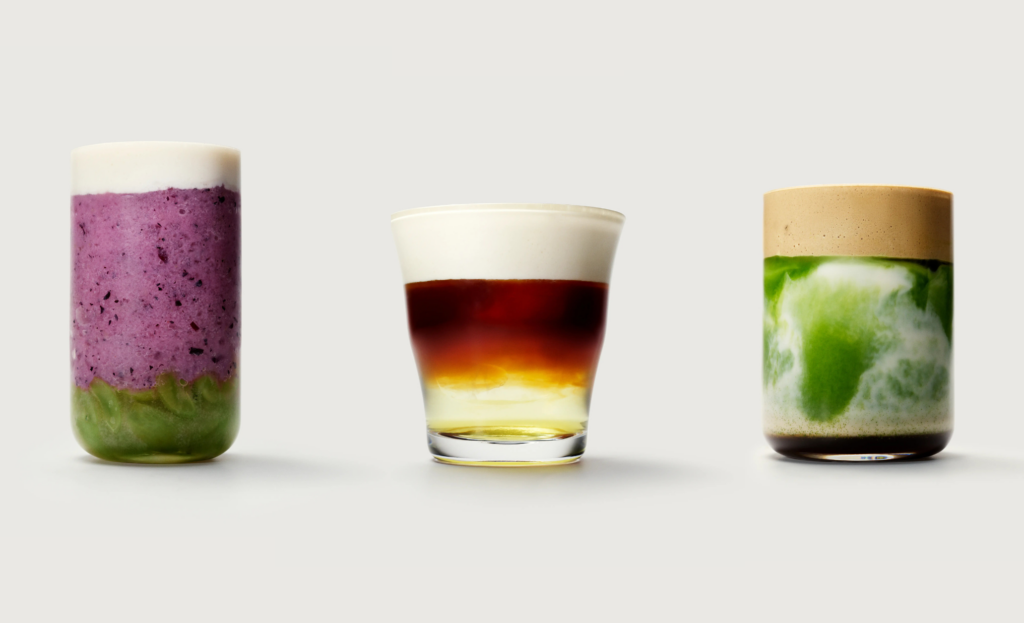
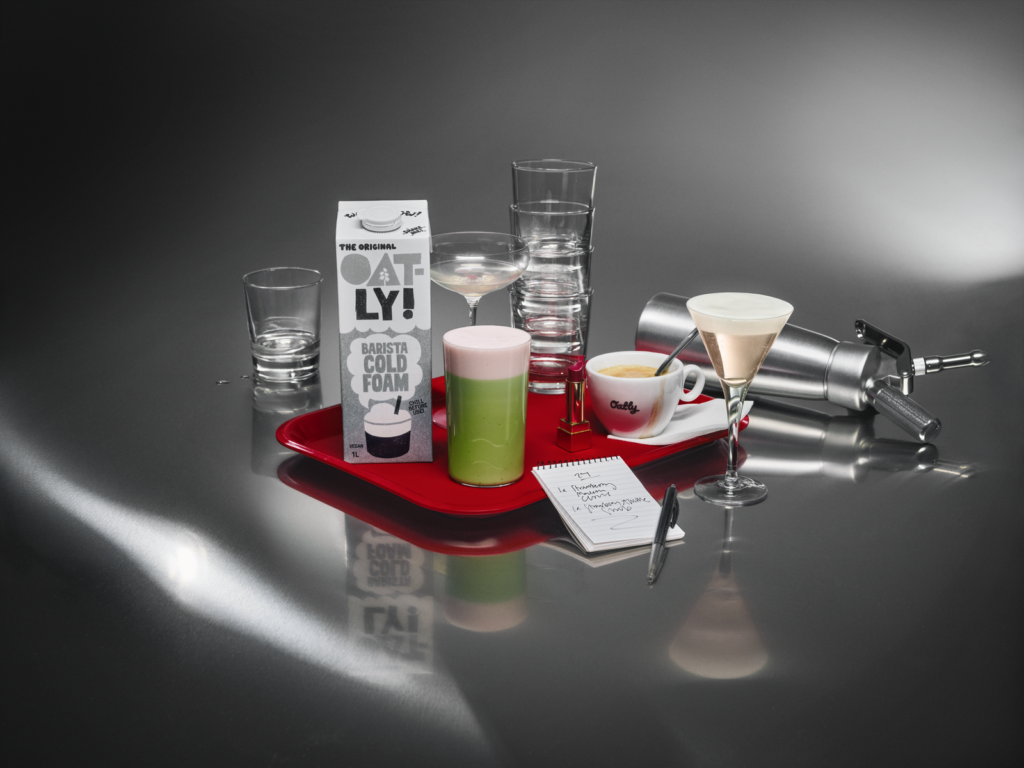
Weedon described the final product as "light, creamy, and highly customizable," making it an ideal canvas for incorporating various flavors and colors. This flexibility empowers baristas to craft unique signature drinks and elevate their menu offerings, aligning with the growing consumer demand for personalized beverage experiences.
Ingredients and Availability
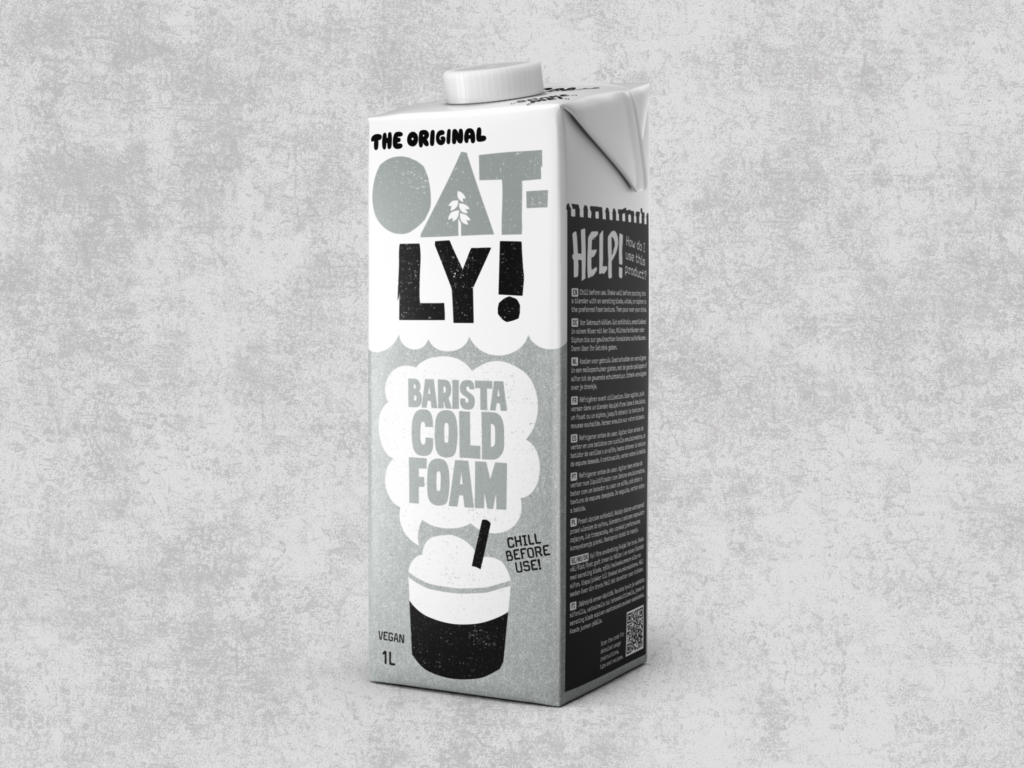
Oatly’s Barista Cold Foam milk is formulated with a specific blend of ingredients designed to achieve optimal performance. The primary components include oats and coconut oil. The product also contains 8% sugar, maltodextrin, flavorings, and dipotassium phosphate for acidity regulation.
Stabilizers such as xanthan gum, gellan gum, and hypromellose play a vital role in maintaining the foam’s structure. Emulsifiers, including mono- and diglycerides of fatty acids, esters of mono- and diglycerides, and Polysorbate 60, are also utilized, all of which are widely accepted food industry ingredients.
Nutritionally, the cold foam product contains approximately 5g of fat per serving, with 4.4g being saturated fat, and 13g of carbohydrates. This contrasts with the regular barista edition, which typically contains 3g of fat (0.3g saturated) and 7g of carbohydrates, with a negligible protein content of 0.1g compared to 1g in the barista version.
The cold foam product is characterized by a creamy flavor with subtle vanilla notes. It is designed to be whipped or frothed using a variety of equipment, including aerating blenders, spindles, handheld frothers, and siphons.
Currently, Oatly’s Barista Cold Foam milk is being distributed through foodservice channels. Its official debut occurred on May 13th at Black Sheep Coffee locations across the UK. Customers at these establishments can enjoy signature drinks such as Iced Americanos, Iced Lattes, and Iced Vanilla Mattas topped with the new cold foam. Additionally, customers have the option to add Oatly Cold Foam to any drink on the menu, providing extensive customization possibilities.
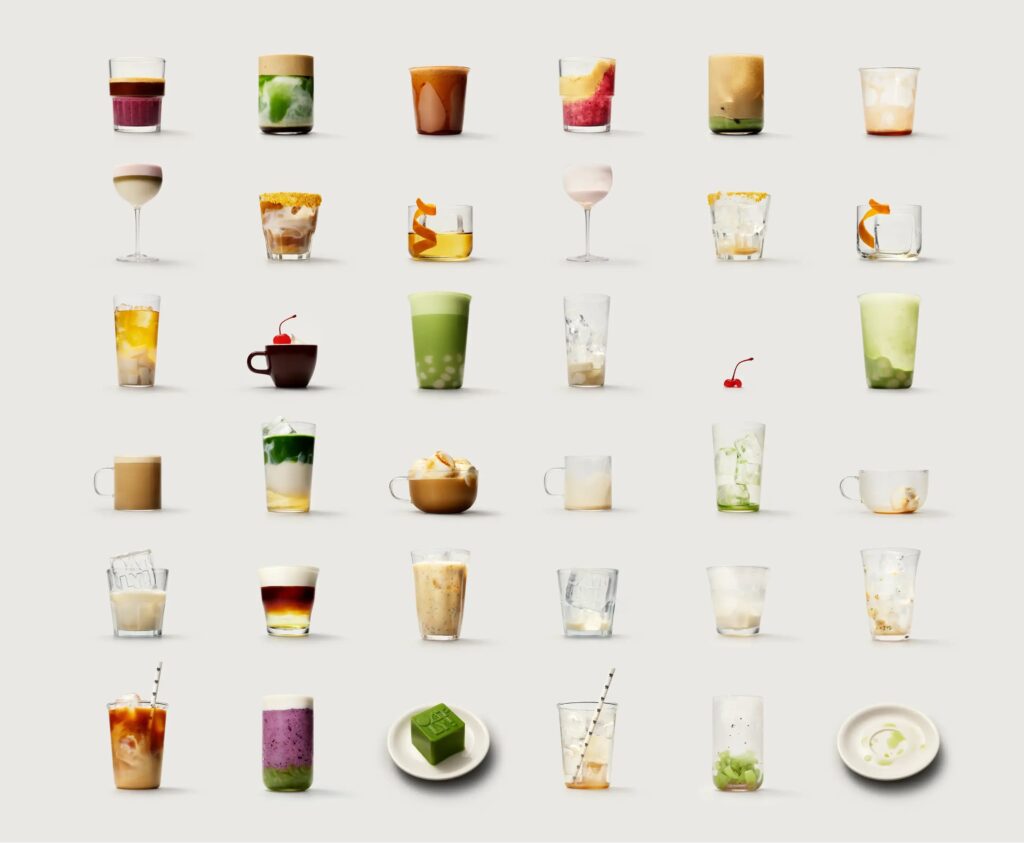
Oatly also plans to showcase the cold foam at the London Coffee Festival, held from May 14th to 17th, where it will be featured in drinks from its latest lookbook. A broader rollout across Europe is scheduled for May, with launches planned with Coffee Fellows in Germany and Good News in Spain, France, and the Netherlands.
Strategic Implications and Future Growth
The introduction of Oatly’s Barista Cold Foam milk is a strategic move that aligns with the company’s broader "flavor-first" approach and its ambition to drive growth in a competitive market. Following a period of challenges for the plant-based milk industry, Oatly has focused on taste-driven innovations, including its matcha latte and a popcorn-flavored barista milk, to regain market momentum.
This focus on flavor and sensory experience is directly inspired by the fashion industry, a model that has informed Oatly’s trend reports and recipe lookbooks. The company’s Spring/Summer 2026 lookbook, for example, delves into Latin American flavors and showcases the innovative potential of plant-based milk and cold foam.
The success of such innovations is crucial for Oatly’s financial trajectory. 2025 marked the company’s first full year of profitability, and the first quarter of 2026 saw its initial growth in North America since 2024. The cold foam product has the potential to significantly contribute to these positive trends, provided it can sustain and amplify its market impact.
Daniel Ordonez, Oatly’s Chief Operating Officer, expressed considerable enthusiasm for the new product. "Plant-based cold foam options weren’t widely available in the market thus far," Ordonez stated during a recent earnings call. "This is a breakthrough product that delights consumers and elevates the experience for our foodservice customers." He further emphasized that "Taste is a new platform for Oatly and for the category. This is not just random innovation," signaling a deliberate strategy to leverage culinary trends.
The company’s commitment to innovation is evident in its continuous exploration of novel flavor profiles and applications for plant-based milks. The cold foam milk represents a significant step forward in offering sophisticated and indulgent beverage experiences that cater to a growing demand for plant-based alternatives without compromising on taste or texture. As Oatly continues to expand its product portfolio and market reach, its ability to consistently deliver on flavor and innovation will be key to its sustained growth and leadership in the plant-based beverage sector. The successful integration of Barista Cold Foam milk into café menus worldwide is expected to not only benefit Oatly but also empower a wider range of consumers to enjoy the elevated coffee experience that cold foam provides.
