
The Director-General of the World Health Organization (WHO), Dr Tedros Adhanom Ghebreyesus, has successfully concluded the first day of a high-profile two-day State visit to the Hashemite Kingdom of Jordan. This visit serves as a significant diplomatic milestone, aimed at reinforcing the robust and multi-faceted partnership between the global health agency and the Jordanian government. Throughout the initial series of engagements, Dr Tedros emphasized the critical intersection of universal health coverage (UHC), mental health integration, and the indispensable role Jordan plays in regional humanitarian health action. As the Middle East continues to face unprecedented geopolitical challenges, the visit highlights Jordan’s unique position as a pillar of stability and a primary provider of essential health services to vulnerable populations, including millions of refugees and those evacuated from active conflict zones.
High-Level Diplomacy and National Health Priorities
The cornerstone of the visit’s first day was a private audience with His Majesty King Abdullah II. This meeting underscored the elevation of health as a core component of Jordan’s national security and developmental agenda. During their discussions, Dr Tedros and King Abdullah II reviewed the progress of Jordan’s health system reforms, focusing specifically on the expansion of access to quality care for all residents, regardless of their legal status. The dialogue also touched upon the necessity of sustaining international financial and technical support for Jordan, which has long shouldered a disproportionate share of the region’s humanitarian burden.
Dr Tedros expressed profound gratitude for the King’s personal commitment to health equity. He noted that Jordan’s leadership serves as a global example of how a middle-income country can prioritize humanitarianism even while navigating its own economic and resource constraints. The Director-General specifically lauded the King’s "Medical Corridor" initiative—a strategic humanitarian effort designed to facilitate the transfer and treatment of critically ill and injured children from the Gaza Strip. This initiative has become a vital lifeline as the health infrastructure in the Palestinian territories faces near-total collapse.
Jordan as a Humanitarian Hub: Supporting Three Million Refugees
A major theme of the State visit is the recognition of Jordan’s extraordinary generosity toward displaced persons. The Kingdom currently hosts more than three million refugees, a figure that includes a long-standing Palestinian population and over 600,000 registered Syrian refugees, though unofficial estimates suggest the number of Syrians in the country is significantly higher.
The strain on Jordan’s public infrastructure is immense. Providing comprehensive health services to such a large and diverse population requires not only domestic political will but also consistent international solidarity. Dr Tedros highlighted that Jordan does not merely host these individuals in camps but has made significant strides in integrating them into the national health framework. This inclusive approach is a key component of achieving Universal Health Coverage, a goal that the WHO champion globally. By ensuring that refugees have access to primary care, vaccinations, and emergency services, Jordan prevents the outbreak of communicable diseases and promotes regional health security.
Field Visit to Pediatric Care Facilities for Gaza Evacuees
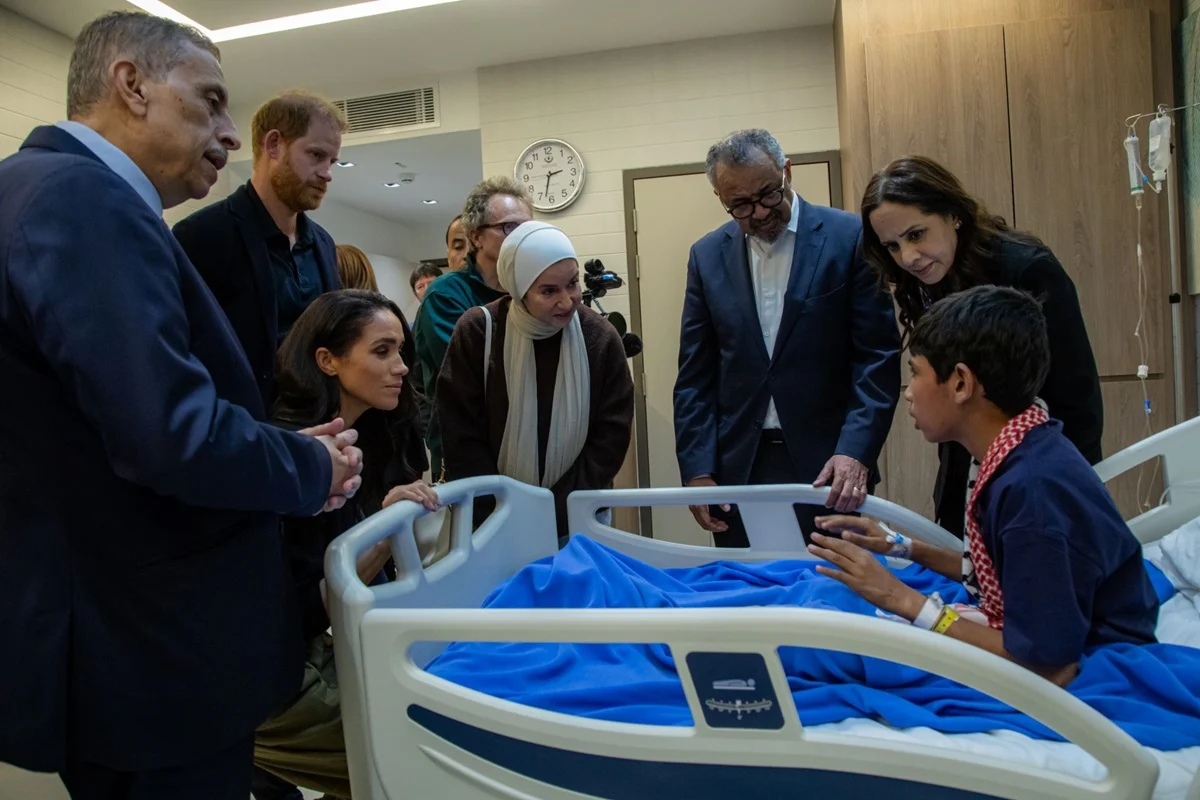
Moving from diplomatic chambers to the frontlines of clinical care, Dr Tedros visited a WHO-supported hospital in Amman that has been specialized to treat children evacuated from the Gaza Strip. The visit provided a somber yet hopeful look at the human cost of conflict and the power of specialized medical intervention. Dr Tedros met with young patients suffering from complex blast injuries, advanced-stage cancers, and chronic conditions that could no longer be managed in their home territories due to the destruction of hospitals and the shortage of medical supplies.
The Director-General engaged with the families of these children, many of whom expressed profound relief at finding safety and high-quality care in Jordan. He also spent time with the frontline Jordanian health workers—surgeons, nurses, and oncologists—who are delivering life-saving treatments under the Medical Corridor initiative. This visit served to amplify the WHO’s call for the establishment of sustained, safe, and systematic medical evacuation routes. Dr Tedros emphasized that while Jordan’s efforts are heroic, the international community must do more to provide the financing and logistical support necessary to scale these operations.
Collaborative Financing and Strategic Partnerships
In the afternoon, the Director-General convened a high-level roundtable with a diverse group of stakeholders, including health partners, donor nations, United Nations agencies, and representatives from global philanthropies. The meeting focused on the "financing gap" that threatens the sustainability of Jordan’s health system. As the country continues to host refugees and manage regional emergencies, its domestic budget is stretched to its limits.
The discussions prioritized several key areas for investment:
- Health System Strengthening: Upgrading primary healthcare centers to ensure they can handle increased patient loads.
- Mental Health Scaling: Moving beyond emergency psychological first aid toward long-term, integrated mental health services.
- Resilience Building: Ensuring that the Jordanian health system can withstand future shocks, whether they be from pandemics or further regional instability.
Dr Tedros welcomed the commitments made by various donors but reminded the assembly that health is an investment, not a cost. He argued that a stable and healthy Jordan is essential for the stability of the entire Middle East.
The Role of Archewell Philanthropies and Global Advocacy
A notable aspect of the State visit was the participation of the Duke and Duchess of Sussex, Prince Harry and Meghan. Their presence as founders of Archewell Philanthropies underscored the growing role of private philanthropy in supporting public health initiatives. Archewell has a history of collaborating with the WHO, most notably during the COVID-19 pandemic when they advocated for global vaccine equity.
In Jordan, Prince Harry participated as a vocal ally of the WHO’s mental health agenda. His involvement focused on the psychological impact of conflict on men, children, and young people. During the engagements, the Prince spoke about the necessity of breaking the stigma surrounding mental health, particularly in communities affected by trauma. He praised Jordan’s innovative approach to integrating mental health into routine primary care, noting that "mental health is fundamental to recovery, dignity, and long-term peace."
Dr Tedros thanked the Duke and Duchess for using their global platform to bring visibility to these issues. He noted that their advocacy helps mobilize resources that might otherwise be unavailable to traditional public health channels, bridging the gap between high-level policy and community-level impact.
Advancing the Special Initiative for Mental Health
Bilateral discussions between Dr Tedros and Jordan’s Minister of Health focused on the technical implementation of the WHO Director-General’s Special Initiative for Mental Health. Jordan was one of the early adopters of this initiative, recognizing that physical health cannot be separated from psychological well-being.
The initiative in Jordan has focused on:
- Training Non-Specialists: Equipping general practitioners and nurses with the skills to identify and treat common mental health disorders like depression and anxiety.
- De-institutionalization: Moving away from isolated psychiatric hospitals toward community-based care.
- Integration: Ensuring that mental health services are available at the same clinics where patients receive maternal care or treatment for non-communicable diseases (NCDs).
Jordan’s success in this area is being studied by the WHO as a potential blueprint for other nations in the Eastern Mediterranean region.
Chronology and Looking Ahead to Day Two
The first day of the visit successfully established the strategic framework for continued WHO-Jordan cooperation. The itinerary for the second day is set to delve deeper into specialized medical services and community engagement.
Planned activities for the remainder of the State visit include:
- National Center for Rehabilitation of Addicts: Dr Tedros will tour this facility to review its integrated approach to medical and social rehabilitation, which is supported by WHO technical expertise.
- King Hussein Cancer Center (KHCC): As a regional leader in oncology, the KHCC represents the pinnacle of Jordan’s medical advancement. Discussions there will focus on regional collaboration to ensure cancer patients across the Middle East can access cutting-edge treatment.
- Community and Women’s Groups: A meeting with the Jordanian Hashemite Fund for Human Development (JOHUD) will highlight the role of women in community health leadership and the importance of addressing the social determinants of health.
Analysis of Implications
The State visit by Dr Tedros occurs at a pivotal moment for global health diplomacy. By highlighting Jordan’s role, the WHO is sending a clear message to the international community: the burden of humanitarian crises must be shared more equitably. Jordan’s ability to maintain a functioning, inclusive health system while surrounded by conflict is a testament to its resilience, but it is also a fragile success that requires continued external support.
Furthermore, the emphasis on mental health and NCDs (like cancer) signals a shift in humanitarian health strategy. While infectious disease control remains vital, the long-term health of the Middle East will depend on managing the "silent" epidemics of trauma and chronic illness.
The visit also reinforces the WHO’s commitment to "Health for All." By standing in solidarity with Jordan, Dr Tedros is advocating for a world where geography and legal status do not determine a person’s right to healthcare. As the visit concludes tomorrow, the expected outcome is a renewed series of bilateral agreements and a strengthened international resolve to support Jordan as it continues to put "health and humanity first."
