
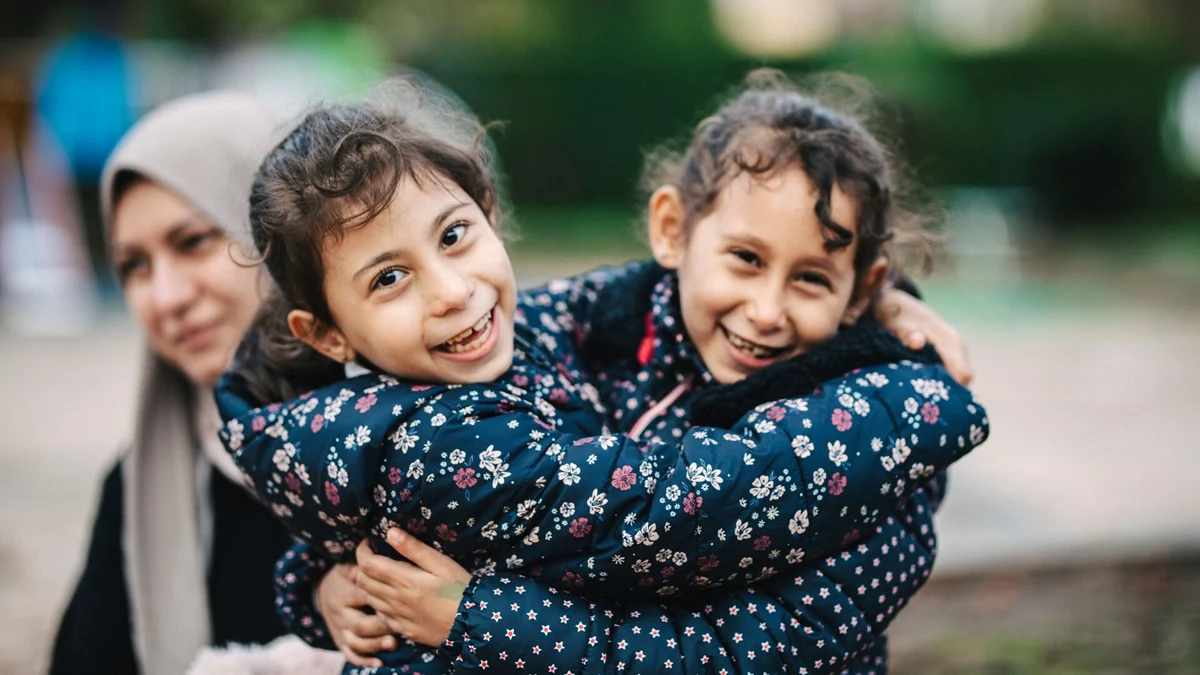
In a landmark assessment of global health equity, the World Health Organization (WHO) has revealed a significant transformation in how nations manage the healthcare needs of displaced and mobile populations. According to the newly released "World report on promoting the health of refugees and migrants: monitoring progress on the WHO global action plan," more than 60 countries—representing two-thirds of those surveyed—have successfully integrated refugees and migrants into their national health policies and legal frameworks. This data, drawn from 93 Member States, establishes the first comprehensive global baseline for tracking the evolution of migrant-responsive health systems, signaling a departure from exclusionary practices toward a model of universal health coverage (UHC).
The report arrives at a critical juncture in human history. Migration is currently a defining global phenomenon, with more than 1 billion people—roughly one in eight individuals worldwide—living as refugees or migrants. The drivers of this movement are multifaceted, ranging from the immediate threats of armed conflict and climate-related disasters to the pursuit of economic stability, higher education, and family reunification. Despite their significant contributions to their host societies, these populations have historically faced systemic barriers to care, leading to disproportionate risks of infectious diseases, chronic conditions, and mental health challenges, often exacerbated by unsafe living and working environments.
A Paradigm Shift in Global Health Governance
The WHO’s findings suggest that the international community is beginning to recognize that the health of migrants is inextricably linked to the health of the broader population. The integration of these groups into national health systems is no longer viewed merely as a humanitarian obligation but as a strategic necessity for global health security. Dr. Tedros Adhanom Ghebreyesus, WHO Director-General, emphasized this shift, noting that refugees and migrants are essential components of the health workforce and community leadership structures. He asserted that health systems are only truly universal when they serve every individual within a territory, regardless of their legal status.
The report highlights that inclusive health systems deliver "far-reaching dividends." By providing refugees and migrants with access to primary care, countries can facilitate better social and economic integration. Furthermore, proactive health inclusion strengthens the resilience of national health infrastructures, ensuring they are better prepared for future pandemics. From an economic perspective, migrant-responsive systems reduce long-term public health costs by prioritizing preventative care over expensive emergency interventions, ultimately allowing well-integrated populations to contribute more robustly to their host economies.
Chronology of the WHO Global Action Plan
The current progress is the result of nearly a decade of intensified diplomatic and technical efforts. The journey toward this global baseline began in earnest in 2017 at the 70th World Health Assembly, where Member States requested a framework to address the health of refugees and migrants.
- 2017 – Resolution WHA70.15: Member States urged the WHO to promote the health of refugees and migrants in collaboration with the International Organization for Migration (IOM) and the United Nations High Commissioner for Refugees (UNHCR).
- 2019 – Adoption of the Global Action Plan: The WHO Global Action Plan (2019–2023) was adopted, providing a roadmap for countries to align their health systems with the Sustainable Development Goals (SDGs), specifically Goal 3 (Ensure healthy lives and promote well-being for all at all ages).
- 2020-2022 – The Catalyst of COVID-19: The pandemic exposed the vulnerabilities of marginalized groups. Nations that excluded migrants from testing and vaccination programs saw higher rates of community transmission, prompting a re-evaluation of inclusive health policies.
- 2023 – Extension and Reporting: The World Health Assembly extended the Global Action Plan to 2030, aligning it with the deadline for the SDGs.
- 2024 – The Baseline Report: The current report provides the first data-driven evidence that the Action Plan is being translated into national law, with 93 countries providing the metrics necessary to measure future success.
Evidence-Based Success: Regional Case Studies
The WHO report moves beyond theoretical frameworks to provide concrete examples of how inclusion works in practice. By analyzing case studies across all six WHO regions, the report demonstrates that progress is possible even in politically sensitive or resource-constrained environments.
In Thailand, the government has expanded its Health Insurance Card Scheme (HICS) to include undocumented migrants and those not covered by the Social Security Scheme. This initiative allows migrants to access a comprehensive range of services, including health promotion, disease prevention, and curative care, for a subsidized annual fee. This model has been lauded for reducing the financial burden on the public hospital system while ensuring high levels of immunization among mobile populations.
In Belgium, the focus has been on overcoming linguistic and cultural barriers. The country has pioneered the use of cross-cultural communication mediators—often individuals with their own migration backgrounds—who assist healthcare providers in navigating cultural nuances. This program has significantly improved the quality of care for refugees and reduced the incidence of misdiagnosis or non-compliance with treatment plans.
Chile offers a model for political inclusion. The Chilean government has integrated migrant community representatives into the decision-making processes for primary health care delivery. By allowing migrants to have a seat at the table, Chile has ensured that health services are tailored to the specific needs of the local migrant population, fostering trust in public institutions and increasing the uptake of maternal and child health services.
The Digital Frontier: IOM and the GDHCN
A significant highlight of the report is the advancement of digital health infrastructure to support mobile populations. The International Organization for Migration (IOM) recently became the first international organization to join the Global Digital Health Certification Network (GDHCN). This network, hosted by the WHO, is a digital public infrastructure originally developed during the COVID-19 pandemic to verify health documents across borders.
The IOM’s participation in the GDHCN is expected to revolutionize "continuity of care." As refugees and migrants move across international borders, they often lose access to their medical records, leading to interrupted treatments for chronic conditions like HIV, tuberculosis, or diabetes. The GDHCN enables the secure, verifiable transfer of health records, ensuring that a patient’s medical history follows them wherever they go. This interoperable system not only empowers the individual but also protects public health by ensuring that vaccinations and infectious disease treatments are accurately tracked.
Persistent Gaps and the "Cost of Inaction"
While the report celebrates progress, it does not shy away from the substantial gaps that remain. In many regions, the "legal status" of an individual remains the primary determinant of their right to health. Approximately one-third of the countries surveyed still lack explicit policies for migrant health, leaving millions to rely on fragmented, NGO-led services or high-cost private care.
Common barriers identified in the report include:
- Administrative Hurdles: Requirement of residency permits or national ID numbers to register for basic health services.
- Financial Constraints: High out-of-pocket costs that deter migrants from seeking care until their conditions become critical.
- Fear of Deportation: In some jurisdictions, healthcare providers are required to report undocumented individuals to immigration authorities, creating a "chilling effect" that prevents people from seeking life-saving treatment.
- Data Invisibility: Many countries still do not disaggregate health data by migratory status, making it difficult to identify and address specific health disparities.
Analysis suggests that the cost of these gaps is staggering. When migrants are excluded from primary care, they often utilize emergency departments as their first point of contact. Data from several OECD countries indicate that emergency care for preventable conditions is up to three times more expensive than early intervention at the primary care level.
Strategic Recommendations and Global Implications
The WHO has urged governments, donors, and international partners to accelerate their efforts by focusing on three strategic pillars. First, there must be a move toward "Health in All Policies," ensuring that migration management and health policies are not working at cross-purposes. Second, there is a call for increased investment in culturally and linguistically responsive care to build trust between migrant communities and state institutions. Finally, the WHO emphasizes the need for better data collection to ensure that policies are grounded in science rather than political rhetoric.
The implications of this report extend far beyond the health sector. The integration of migrants into health systems is a litmus test for a society’s commitment to human rights and the rule of law. As climate change is projected to displace hundreds of millions more people by mid-century, the establishment of these inclusive baselines is essential for global stability.
The World Bank and other financial institutions have indicated a growing interest in supporting these efforts, recognizing that resilient health systems are a prerequisite for economic development. Moving forward, the WHO will continue to work alongside the UNHCR and IOM to ensure that the commitments made in this report are translated into measurable actions on the ground. By fostering trusted, interoperable systems and dismantling legal barriers, the global community can ensure that the "defining feature of our shared history"—migration—remains a source of strength rather than a vulnerability.
