
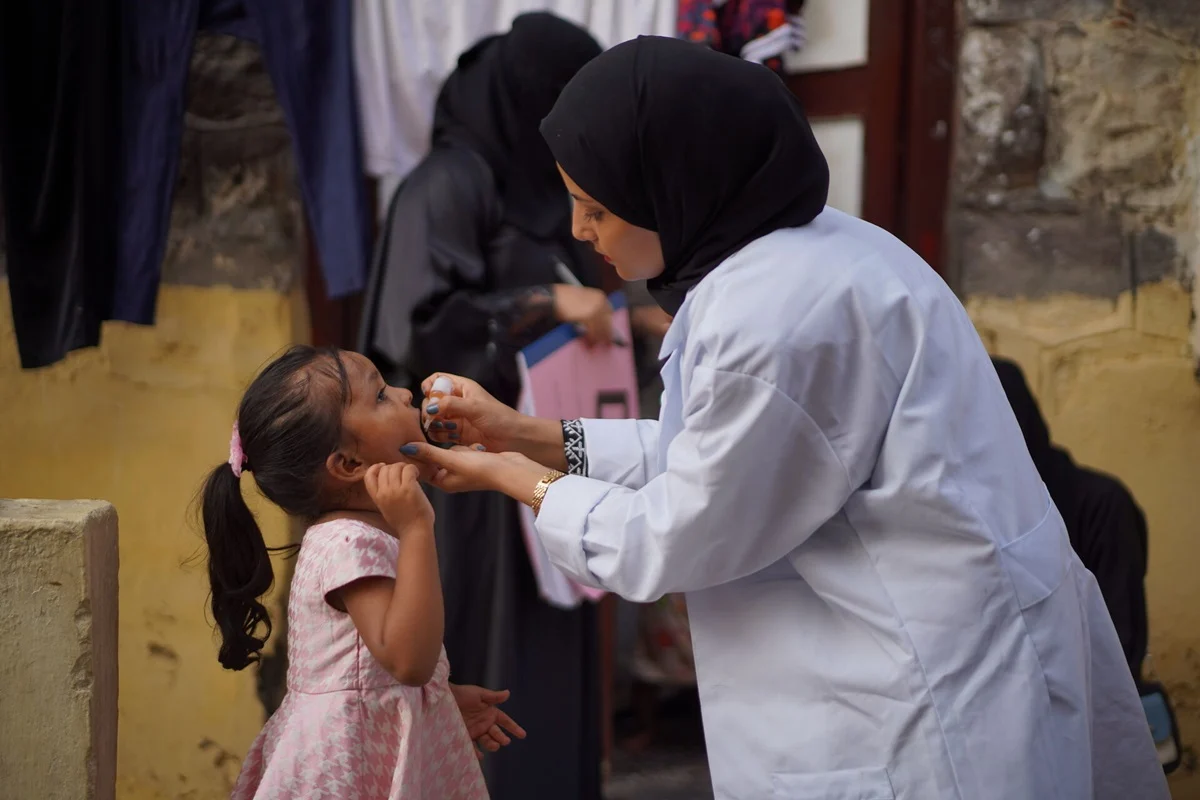
The Big Catch-Up (BCU), a landmark multi-year and multi-country intervention designed to reverse the unprecedented decline in childhood vaccinations caused by the COVID-19 pandemic, has successfully reached an estimated 18.3 million children aged 1 to 5 years across 36 priority nations. In a joint announcement released by Gavi, the Vaccine Alliance, the World Health Organization (WHO), and UNICEF at the commencement of World Immunization Week 2026, officials confirmed that more than 100 million doses of life-saving vaccines have been administered. This historic effort has significantly narrowed critical immunity gaps that had left millions of children vulnerable to preventable and often fatal diseases.
The initiative, which concluded its primary implementation phase on March 31, 2026, focused specifically on "zero-dose" children—those who have not received a single dose of any vaccine—and those who are under-vaccinated. Of the 18.3 million children reached, approximately 12.3 million were identified as zero-dose individuals. Furthermore, 15 million children received their first measles vaccination through the program, and 23 million doses of inactivated polio vaccine (IPV) were administered, marking a decisive step toward the global goal of polio eradication.
A Chronology of Response: From Pandemic Backslide to Systematic Recovery
The genesis of The Big Catch-Up lies in the global health crisis of 2020–2022. During the height of the COVID-19 pandemic, overstretched health systems, lockdowns, and supply chain disruptions led to the largest sustained backslide in childhood immunization in over 30 years. By the end of 2021, the number of zero-dose children had increased by millions, threatening to undo decades of progress in global child mortality reduction.
Recognizing the urgency, Gavi, WHO, and UNICEF launched the BCU in early 2023. The timeline of the initiative was structured to provide immediate relief while building long-term resilience:
- 2023: Launch and Mobilization. Technical assistance and Gavi funding were deployed to 36 countries in Africa and Asia, which collectively account for 60% of the world’s zero-dose children. This phase focused on updating national policies to allow for the vaccination of children beyond the traditional one-year-old cutoff.
- 2024–2025: Intensive Implementation. Countries conducted large-scale "catch-up" campaigns alongside efforts to integrate these children into routine health services. This period saw the deployment of millions of doses of DTP (diphtheria, tetanus, and pertussis), measles, and polio vaccines.
- March 2026: Program Conclusion. Final implementation activities wrapped up, followed by a period of data compilation and impact assessment.
While the final data is still being verified, the initiative is currently forecasted to meet or exceed its ultimate target of reaching 21 million un- and under-immunized children by the time all reporting is finalized later this year.
Addressing the Vaccine Equity Gap in High-Burden Nations
The core philosophy of The Big Catch-Up was the elimination of the "vaccine equity gap." In many participating regions, children miss vaccinations not because of parental refusal, but because of systemic barriers. These children often reside in fragile, conflict-affected, or extremely remote communities. Prior to this initiative, many national immunization schedules strictly focused on infants under 12 months; if a child missed their window, they remained unprotected for life.
BCU systematically shifted this paradigm. By leveraging routine immunization systems to target children aged 1 to 5, the program made deep inroads into the "older child" cohort. In Ethiopia, the results were particularly profound, with more than 2.5 million zero-dose children receiving their first dose of DTP. The country also successfully delivered nearly 5 million doses of IPV and 4 million doses of the measles vaccine.
Nigeria, another high-priority nation, reported reaching 2 million zero-dose children with DTP1 and administering 3.4 million doses of IPV. In total, 12 countries—including Burkina Faso, the Democratic People’s Republic of Korea, Kenya, Madagascar, Mauritania, Niger, Pakistan, Somalia, Togo, the United Republic of Tanzania, and Zambia—reported reaching more than 60% of their identified zero-dose children under the age of 5.
Technical Innovations and Systemic Strengthening
The success of the BCU was not merely a result of increased vaccine supply, but of significant investments in health infrastructure. To ensure the effort was sustainable, the initiative catalyzed several systemic improvements:
- Policy Shifts: Participating countries updated age-eligibility policies, ensuring that health centers are now legally and operationally prepared to vaccinate children who missed their early childhood windows.
- Health Worker Training: Thousands of frontline health workers were trained to screen children for missing doses during every health encounter, regardless of the primary reason for the visit.
- Community Engagement: Partnering with civil society organizations and local leaders helped build trust and demand for vaccines in underserved areas.
- Monitoring and Data: Enhanced tracking systems were implemented to identify pockets of under-vaccination in real-time, allowing for targeted deployments of resources.
Official Responses and Global Leadership Perspectives
Leaders of the major health organizations involved have emphasized that while the BCU is a triumph of international cooperation, the work is far from finished.
Dr. Sania Nishtar, CEO of Gavi, the Vaccine Alliance, hailed the initiative as a blueprint for future health interventions. "As the largest ever international effort to reach missed children with life-saving vaccines, the Big Catch-Up shows what is possible when governments, partners, and communities work together to protect the most vulnerable in society," she stated. "Thanks to this accomplishment, not only are millions of children now protected from preventable diseases but so are their communities, for generations to come."
Dr. Tedros Adhanom Ghebreyesus, Director-General of the World Health Organization, noted the program’s role in pandemic recovery. "By protecting children who missed out on vaccinations because of disruptions to health services caused by COVID-19, the Big Catch-Up has helped to undo one of the pandemic’s major negative consequences," he said. He added that the success is a "testament to health workers and national immunization programs," which are now better equipped to locate and vaccinate children missed by routine services.
UNICEF Executive Director Catherine Russell highlighted the ongoing risks, particularly the resurgence of measles. "Vaccinations save lives. This initiative shows what’s possible when countries have the resources, tools, and political will," Russell remarked. However, she cautioned that "the gains made through the Big Catch-Up must be sustained through investment in strong, reliable immunization systems, especially at a time where measles is resurging."
Analysis of Implications: The Challenges of 2024 and Beyond
Despite the success of the BCU, global health experts warn that the world remains in a precarious position. In 2024, an estimated 14.3 million infants globally failed to receive even a single vaccine dose through routine programs. This "annual gap" is driven by a complex interplay of rising birth cohorts, displacement due to conflict, and strained domestic health budgets.
The consequences of these gaps are manifest in the current measles crisis. In 2024, there were approximately 11 million cases of measles globally. The number of countries facing large-scale outbreaks has nearly tripled since 2021. This surge is attributed to persistent gaps in routine coverage and a decline in vaccine confidence in several regions.
The BCU has demonstrated that targeted "catch-up" campaigns are effective at closing temporary gaps, but they are resource-intensive. For long-term health security, the focus must shift from periodic campaigns to robust routine immunization. Timely vaccination according to national schedules remains the most cost-effective and sustainable method for preventing outbreaks and ensuring community immunity.
The Path Forward: Gavi 6.0 and Immunization Agenda 2030
As World Immunization Week 2026 continues under the theme "For every generation, vaccines work," the global health community is looking toward the next phase of development. The findings from the BCU are being integrated into "Gavi 6.0," the Vaccine Alliance’s strategy for 2026–2030. This strategy prioritizes reaching zero-dose children in the hardest-to-reach communities, with a particular emphasis on countries experiencing instability or fragile health systems.
The ultimate goal remains the achievement of the Immunization Agenda 2030 (IA2030), which aims to reduce the number of zero-dose children by 50% by the end of the decade. Achieving this will require sustained domestic investment from governments and continued commitments from international donors.
The Big Catch-Up has proven that the "lost generation" of the pandemic can be protected. However, the transition from a crisis-response model to a resilient, permanent health infrastructure will determine whether the progress made between 2023 and 2026 can be maintained in the face of future global health challenges. The 18.3 million children reached represent a significant victory, but for the 14.3 million infants still missing out annually, the mission of vaccine equity continues.
