
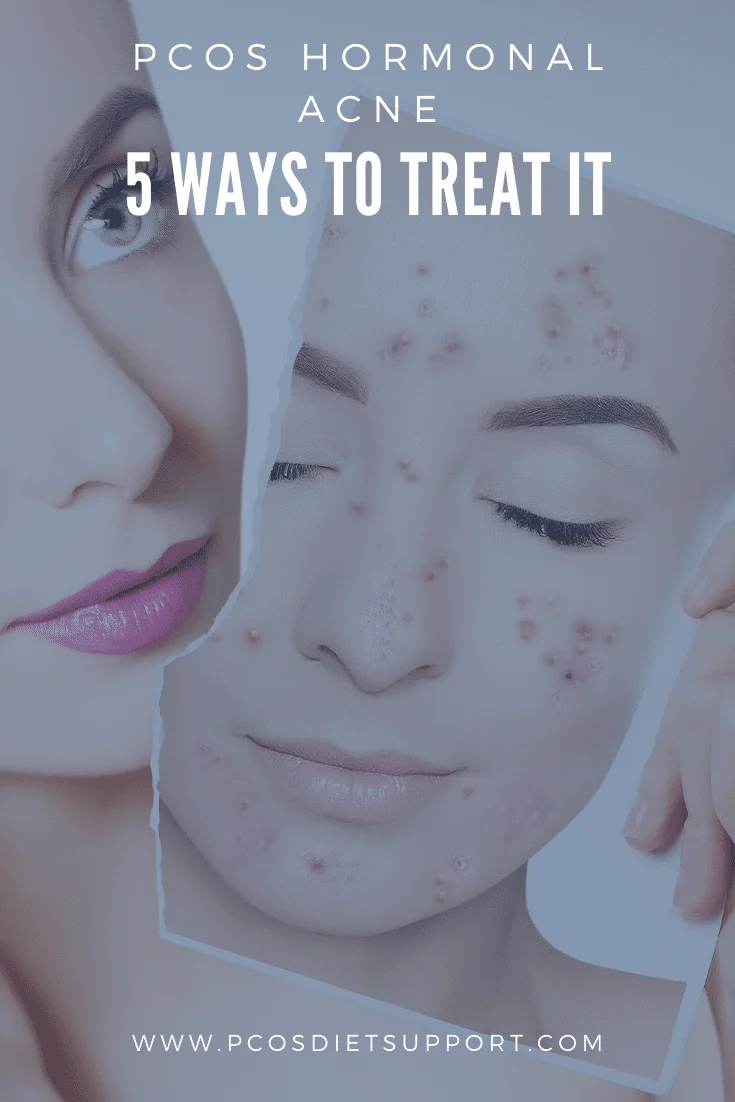
Polycystic Ovary Syndrome (PCOS) is a complex endocrine disorder affecting approximately 8% to 13% of women of reproductive age worldwide, characterized by a spectrum of symptoms including irregular menstrual cycles, polycystic ovaries, and hyperandrogenism. Among the most visible and psychologically distressing manifestations of this condition is hormonal acne, a persistent skin ailment that differs significantly from the occasional breakouts experienced by the general population. While standard acne is often linked to localized skin bacteria or hygiene, PCOS-related acne is driven by a profound systemic hormonal imbalance that requires a multi-faceted clinical approach to manage effectively.
The Pathophysiology of PCOS-Driven Acne
The etiology of acne in the context of PCOS begins with the endocrine system, specifically the pituitary gland and the ovaries. In a healthy physiological state, the pituitary gland orchestrates the production of luteinizing hormone (LH) and follicle-stimulating hormone (FSH) to regulate the release of estrogen, progesterone, and small amounts of androgens, such as testosterone. However, in patients with PCOS, this signaling pathway is disrupted.
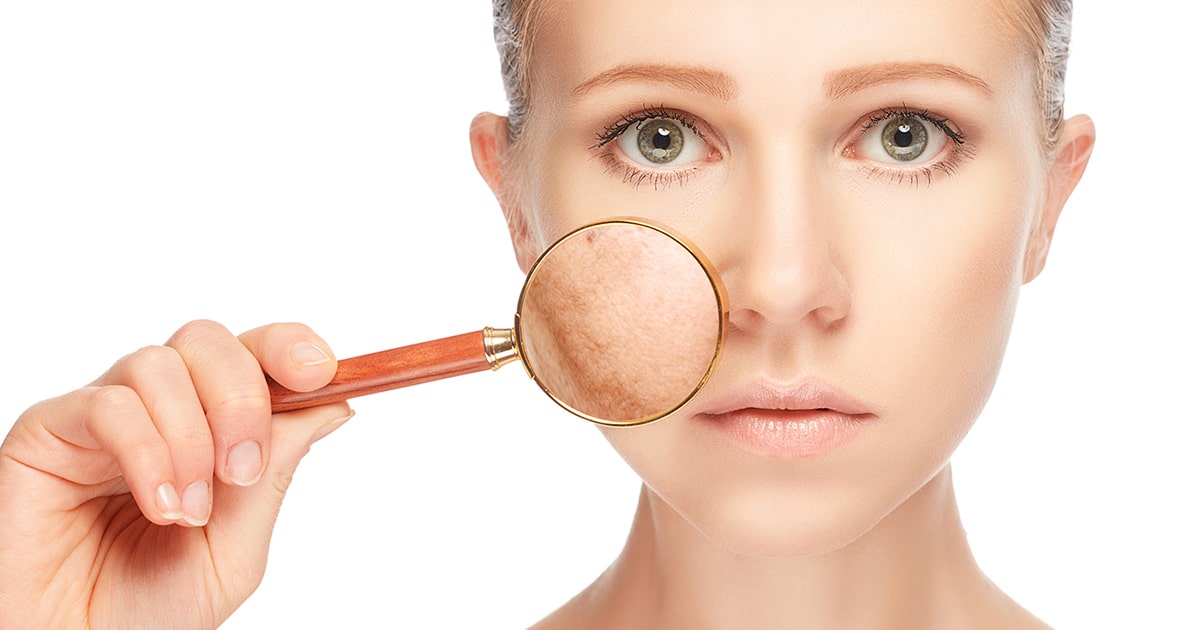
The resulting hormonal cascade typically involves an elevated ratio of LH to FSH, which stimulates the ovarian theca cells to overproduce androgens. Simultaneously, many women with PCOS exhibit insulin resistance. Elevated insulin levels not only further stimulate ovarian androgen production but also reduce the liver’s production of sex hormone-binding globulin (SHBG). When SHBG levels are low, there is a higher concentration of "free" testosterone circulating in the bloodstream. This excess testosterone migrates to the sebaceous glands in the skin, signaling them to produce an abundance of sebum. This oily substance clogs pores and creates an anaerobic environment where Cutibacterium acnes can thrive, leading to the deep, painful cystic lesions characteristic of hormonal acne.
Chronology of Treatment and Medical Evolution
The medical community’s understanding of hormonal acne has evolved significantly over the last half-century. In 1971, the introduction of topical retinoids revolutionized acne care, providing a mechanism to regulate epithelial cell growth and prevent pore occlusion. By the early 1980s, the approval of oral isotretinoin (commonly known by the brand name Accutane) offered a potent, albeit high-risk, solution for severe, recalcitrant cystic acne.
Throughout the 1990s and 2000s, clinical research began to emphasize the link between metabolic health and dermatological symptoms. This shift led to the "off-label" use of medications originally designed for other purposes—such as spironolactone (a potassium-sparing diuretic) and metformin (a diabetes medication)—to treat the root causes of PCOS acne. Today, the standard of care involves a "combined therapy" approach, addressing both the external skin environment and the internal endocrine triggers.
Clinical Pharmacological Interventions
For many patients, over-the-counter topical treatments containing benzoyl peroxide or salicylic acid prove insufficient for PCOS-related breakouts. Medical professionals instead turn to systemic and high-potency prescription options.
Retinoids and Isotretinoin
Retinoids, derivatives of Vitamin A, remain a cornerstone of acne therapy. They work by increasing cell turnover, which prevents the formation of comedones (clogged pores). While topical retinoids are often the first line of defense, oral isotretinoin is reserved for severe cases. Isotretinoin is unique in that it addresses all four major factors of acne: it shrinks sebaceous glands, reduces sebum production, inhibits bacterial growth, and possesses anti-inflammatory properties.
However, the use of oral isotretinoin is strictly regulated due to its teratogenic potential. In the United States, the iPLEDGE program requires female patients to use two forms of contraception and undergo monthly pregnancy tests while on the medication. Side effects can be extensive, ranging from extreme mucosal dryness and joint pain to more severe risks like hepatotoxicity and psychiatric disturbances.

Antiandrogen Medications
Since androgens are the primary driver of sebum overproduction in PCOS, antiandrogens are a logical therapeutic choice. Spironolactone is frequently prescribed for its ability to compete with androgens for receptor sites in the sebaceous glands. Clinical data suggests that low doses (50mg to 100mg daily) can significantly reduce acne lesions in women with hyperandrogenism.
Another option is Cyproterone acetate, which is often used in Europe and Canada. It functions by inhibiting the gonadotropin-releasing hormone, thereby lowering testosterone levels. These medications are particularly effective for "hormonal pattern" acne, which typically appears along the jawline, chin, and neck.
Combined Oral Contraceptives (COCs)
Oral contraceptives are a primary treatment for regulating the menstrual cycle in PCOS patients, but they also serve as a potent anti-acne tool. The estrogen component of the pill increases the production of SHBG, which binds to free testosterone and renders it inactive. Modern "fourth-generation" pills containing progestins like drospirenone are specifically designed to have anti-androgenic effects, making them highly effective for clearing skin.

Despite their efficacy, COCs carry risks, including an increased likelihood of venous thromboembolism (VTE). This risk is heightened in patients who are obese, smoke, or have a history of hypertension—all of which are common comorbidities in the PCOS population.
The Role of Nutritional Science and Insulin Management
Recent clinical studies have reinforced the connection between diet and the severity of PCOS symptoms. Insulin resistance acts as a catalyst for androgen production; therefore, dietary interventions that stabilize blood glucose levels are considered foundational to acne management.
The Dairy and Glycemic Connection
Research indicates that dairy products, particularly skim milk, may exacerbate acne. Dairy contains insulin-like growth factor 1 (IGF-1) and certain precursors to dihydrotestosterone (DHT), which stimulate the sebaceous glands. A 2018 meta-analysis published in Nutrients suggested a positive correlation between dairy intake and acne prevalence, leading many dermatologists to recommend a trial of dairy elimination for PCOS patients.
Furthermore, high-glycemic-index diets—rich in refined sugars and white flours—trigger rapid insulin spikes. By switching to a low-glycemic-index diet (focusing on whole grains, legumes, and fibrous vegetables), patients can lower their systemic insulin levels, thereby reducing the hormonal drive behind their acne.
Psychosocial Impacts and Stress Management
The psychological burden of PCOS acne is substantial. Studies have shown that women with PCOS report higher levels of anxiety, depression, and social withdrawal compared to the general population. This creates a physiological "vicious cycle": the stress of having acne triggers the adrenal glands to produce cortisol and additional androgens (such as DHEA-S), which in turn worsens the acne.
Clinical psychologists and endocrinologists increasingly advocate for "stress-busting" activities as part of a medical treatment plan. Techniques such as mindfulness-based stress reduction (MBSR), yoga, and cognitive-behavioral therapy (CBT) have been shown to lower cortisol levels. When systemic stress is reduced, the inflammatory response in the skin often subsides, making pharmacological treatments more effective.

Broader Implications and Long-Term Outlook
Acne in women with PCOS is more than a cosmetic concern; it is a clinical marker for underlying metabolic and endocrine dysfunction. If left unmanaged, the hormonal imbalances associated with PCOS can lead to long-term health complications, including Type 2 diabetes, cardiovascular disease, and endometrial hyperplasia.
The management of PCOS acne requires a shift from "reactive" skincare to "proactive" endocrine health. While the condition is chronic and cannot be "cured" in the traditional sense, it can be successfully managed through a combination of targeted medications, nutritional discipline, and lifestyle modifications. As research into the gut-skin-brain axis continues to evolve, future treatments may involve more personalized medicine, including probiotic therapies and targeted insulin-sensitizing agents, providing hope for clearer skin and better systemic health for millions of women worldwide.
Medical consensus emphasizes that patients should not attempt to self-treat severe hormonal acne with over-the-counter products alone. A coordinated effort between a primary care physician, an endocrinologist, and a dermatologist is the most effective pathway to achieving long-term remission and preventing permanent scarring. By addressing the pituitary-ovarian axis and metabolic health simultaneously, patients can break the cycle of hormonal breakouts and improve their overall quality of life.
