
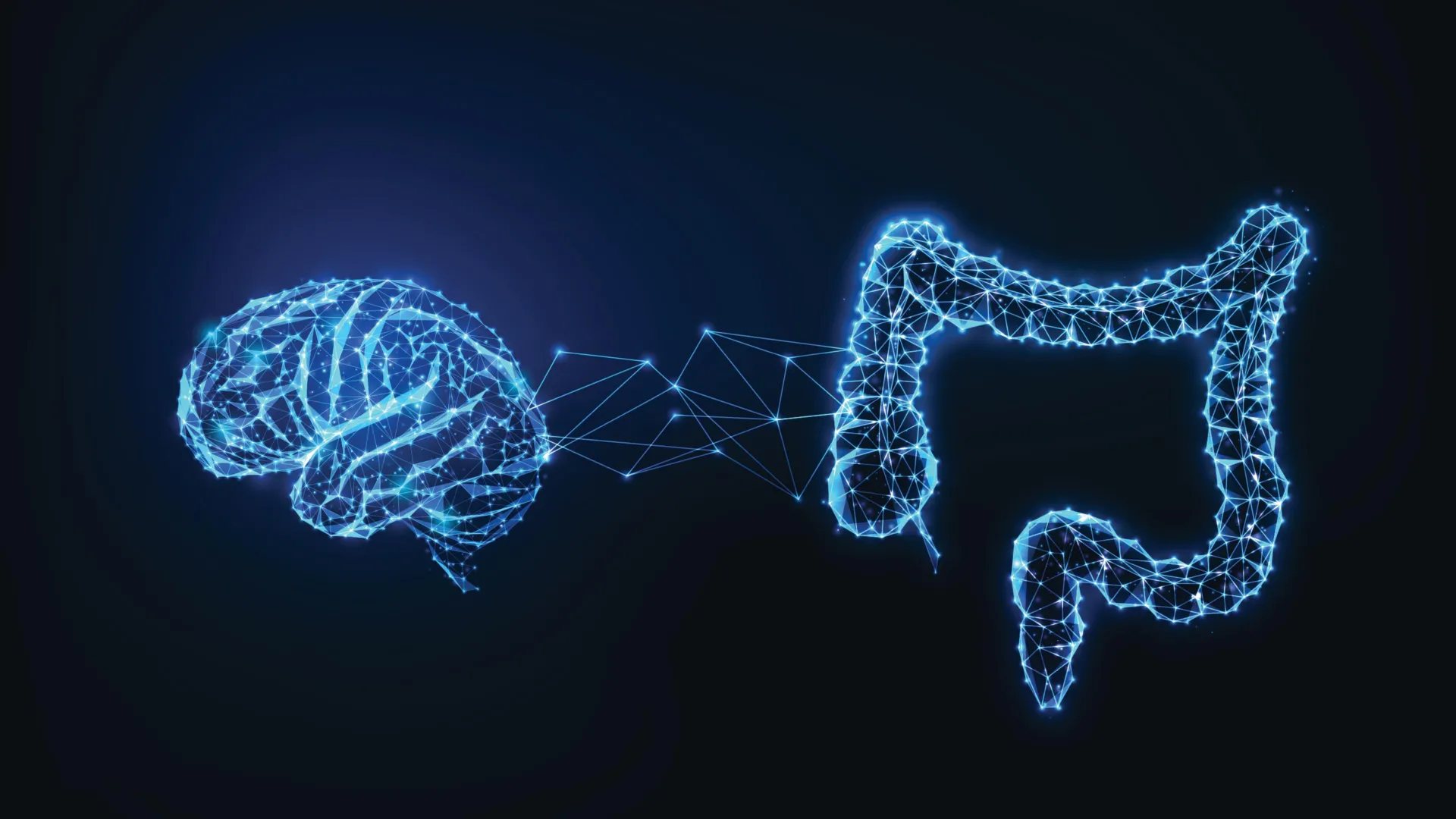
Researchers at Case Western Reserve University have made a groundbreaking discovery that could fundamentally alter the clinical approach to Amyotrophic Lateral Sclerosis (ALS) and Frontotemporal Dementia (FTD), two of the most debilitating neurodegenerative diseases. Their meticulous investigation has pinpointed gut bacteria as a critical, and previously underappreciated, factor in the progression of these devastating conditions. The study reveals a direct molecular pathway through which specific microbial products can instigate immune responses that ultimately lead to the destruction of vital brain cells. Crucially, the team has not only identified this damaging mechanism but has also illuminated potential strategies to interrupt it, offering a beacon of hope for millions affected by these enigmatic disorders.
The Devastating Landscape of ALS and FTD
Amyotrophic Lateral Sclerosis (ALS), often referred to as Lou Gehrig’s disease, is a relentlessly progressive and fatal neurodegenerative disorder that attacks motor neurons – the nerve cells responsible for controlling voluntary muscle movement. As these neurons degenerate, individuals experience increasing muscle weakness, atrophy, and paralysis. The disease typically progresses rapidly, with most patients succumbing to respiratory failure within two to five years of diagnosis. Currently, there is no cure for ALS, and available treatments offer only modest benefits in slowing disease progression.
Frontotemporal Dementia (FTD) is a group of related disorders characterized by the progressive loss of neurons in the frontal and temporal lobes of the brain. These regions are crucial for personality, behavior, language, and decision-making. Consequently, individuals with FTD often exhibit profound changes in behavior and personality, including apathy, disinhibition, or compulsive behaviors, alongside significant impairments in communication. FTD is a leading cause of dementia in younger adults, typically manifesting between the ages of 45 and 65. Like ALS, FTD is currently incurable, with management focusing on supportive care and symptom alleviation.
The underlying etiologies of both ALS and FTD remain complex and incompletely understood. While genetic predispositions, particularly mutations in genes like C9orf72, play a significant role in a subset of cases, the majority of instances are considered sporadic, implying a confluence of environmental, genetic, and lifestyle factors. Previous research has explored a broad spectrum of potential contributors, including environmental toxins, viral infections, head trauma, and dietary influences, but a unifying mechanism explaining disease initiation and progression has remained elusive.
A Molecular Bridge: Gut Glycogen as a Disease Catalyst
The pivotal finding of the Case Western Reserve University study, published in the prestigious journal Cell Reports, offers a compelling explanation for the long-standing question of why certain individuals, especially those with a genetic predisposition, develop these devastating neurological conditions while others with similar genetic profiles do not. The researchers have elucidated a specific molecular pathway that directly links the activity of microbes within the digestive system to the pathological brain damage observed in ALS and FTD.
At the heart of this discovery is the identification of inflammatory forms of glycogen, a complex sugar molecule, produced by certain species of gut bacteria. Glycogen serves as an energy storage molecule for many organisms, including bacteria. However, the study reveals that specific bacterial strains associated with disease states can produce a modified form of glycogen that acts as a potent trigger for the body’s immune system.
"We found that harmful gut bacteria produce inflammatory forms of glycogen (a type of sugar), and that these bacterial sugars trigger immune responses that damage the brain," stated Aaron Burberry, assistant professor in the Department of Pathology at the Case Western Reserve School of Medicine and a lead author on the study. This inflammatory response, when chronically activated, can lead to the progressive death of neurons, contributing to the hallmarks of ALS and FTD.
The clinical relevance of this finding is underscored by the elevated levels of this specific harmful bacterial glycogen observed in a significant proportion of patients. Among the cohort of 23 ALS/FTD patients examined, a striking 70% exhibited elevated levels of this inflammatory glycogen. In stark contrast, only approximately one-third of individuals without these neurological diseases showed comparable levels. This differential prevalence strongly suggests a causative or exacerbating role for this bacterial product in disease pathogenesis.
Unlocking New Therapeutic Avenues and Biomarkers
The implications of these findings for patient care are profound and immediate. By pinpointing specific bacterial sugars as drivers of neurodegeneration, the research team has identified novel therapeutic targets. This discovery opens the door to developing interventions aimed at either reducing the production of these harmful glycogens by gut bacteria or facilitating their breakdown within the digestive system.
Furthermore, the study points towards the potential for identifying new biomarkers that could aid clinicians in stratifying patients. Those found to have elevated levels of these harmful bacterial glycogens might be identified as candidates who could benefit most from therapies specifically targeting the gut-brain axis.
"The results open the door to new treatments aimed at breaking down these damaging sugars in the digestive system. They also support the development of drugs designed to act on the connection between the gut and the brain, offering hope for slowing or preventing disease progression," commented Alex Rodriguez-Palacios, assistant professor in the Digestive Health Research Institute at the School of Medicine.
Rodriguez-Palacios further elaborated on the experimental successes achieved by the team, stating that they were able to successfully reduce these harmful sugars in their laboratory models. This intervention led to demonstrable improvements in brain health and, remarkably, extended lifespan in their experimental systems. This preclinical success provides a strong foundation for future clinical translation.
The Genetic Link: Environmental Triggers for Predisposed Individuals
This research holds particular significance for individuals carrying the C9orf72 gene mutation, which is the most common genetic determinant identified in both ALS and FTD. It is well-established that not all individuals who carry this mutation will inevitably develop the disease. This variability has long puzzled researchers, suggesting the involvement of other modulating factors.
The current study provides a compelling explanation for this phenotypic variability. The findings strongly indicate that gut bacteria act as a critical environmental trigger, influencing the likelihood and timing of disease onset in genetically at-risk individuals. In essence, the presence of specific inflammatory bacterial glycogen may be the crucial secondary factor that tips the scales towards disease development in those already genetically vulnerable. This shifts the paradigm from a purely genetic explanation to a gene-environment interaction model, with the gut microbiome playing a central role.
Innovative Methodologies Pave the Way for Breakthroughs
The groundbreaking nature of this research was significantly enabled by the sophisticated laboratory methodologies and unique research infrastructure available at Case Western Reserve University’s Department of Pathology and Digestive Health Research Institute. A key element of their approach involved the use of germ-free mouse models. These specialized animals are raised under completely sterile conditions, devoid of any microbial life. This sterile environment allows researchers to meticulously introduce specific bacteria or microbial products, thereby isolating and studying their precise effects on disease processes without confounding factors from a complex, endogenous microbiome.
The success of this research program is largely attributed to the leadership of Fabio Cominelli, Distinguished University Professor and director of the Digestive Health Research Institute. His vision has fostered an environment of innovation, particularly in the realm of microbiome research. Central to the experimental design was an innovative "cage-in-cage" sterile housing system, a rare and advanced capability developed by Rodriguez-Palacios. This sophisticated system permits large-scale, controlled studies of the gut microbiome, enabling scientists to investigate the intricate communication pathways between the gut and the brain in a way that was previously impractical. Traditional research methods often limit the number of animals that can be studied concurrently, hindering comprehensive analysis of complex microbial interactions. The "cage-in-cage" system overcomes these limitations, facilitating a deeper understanding of the gut-brain axis.
Future Directions: From Bench to Bedside
The Case Western Reserve University team is already charting the course for the next phase of their research, aiming to translate these promising laboratory findings into tangible clinical benefits. "To understand when and why harmful microbial glycogen is produced, the team will next conduct larger studies surveying gut microbiome communities in ALS/FTD patients before and after disease onset," explained Burberry. These longitudinal studies will be crucial for mapping the temporal dynamics of gut microbiome alterations in relation to disease progression, potentially identifying early warning signs.
The findings also strongly support the initiation of clinical trials. "Clinical trials to determine whether glycogen degradation in ALS/FTD patients could slow disease progression are also supported by our findings and could begin in a year," Burberry added. These trials will likely focus on therapeutic strategies designed to reduce or eliminate the inflammatory bacterial glycogen, with the ultimate goal of slowing or halting the neurodegenerative process. The potential impact of such trials could be transformative for patients and their families, offering a new avenue of hope in the fight against these devastating diseases. The convergence of advanced microbiological techniques, genetic insights, and a deep understanding of the gut-brain axis has positioned this research at the forefront of neurodegenerative disease research.
