
British food tech firm Meatly has successfully secured £10 million (approximately $14.1 million) in Series A funding, a significant capital injection that will fuel the establishment of Europe’s largest cultivated meat facility. The new 20,000-litre pilot plant, slated for construction in London, represents a pivotal step in the company’s mission to scale its innovative protein production. Site fit-out is set to commence immediately, with the startup anticipating its first product launches for the burgeoning pet food market as early as next year.
This funding round marks a critical juncture for Meatly, a company that has already carved out a pioneering niche in the cultivated meat sector. In 2024, Meatly became the first company globally to receive regulatory clearance for selling cultivated meat specifically for pets. This groundbreaking achievement was underscored by its collaboration with fellow London-based startup, The Pack, which saw the debut of cultivated dog treats in the UK market. This initial foray into pet food not only demonstrated regulatory navigability but also validated the consumer and market interest in ethically produced, novel protein sources for companion animals.
Over the past year, Meatly has been intensely focused on a critical challenge facing the entire cultivated meat industry: driving down production costs. The company’s efforts have centered on its chicken cell lines, and this new funding will enable it to leverage that foundational work to scale production to commercial capacities within the state-of-the-art London facility. The investment round, which had been subtly teased by co-founder and CEO Owen Ensor last summer, saw robust participation from both existing and new investors. Agronomics, a consistent supporter of Meatly, was joined by first-time backers including Oyster Bay Venture Capital, Clean Growth Fund, and JamJar Investments. This influx of capital brings Meatly’s total funding raised to an impressive £17.4 million (approximately $23.5 million), a testament to the growing confidence in the company’s vision and execution.
Foundations for a New Protein Category
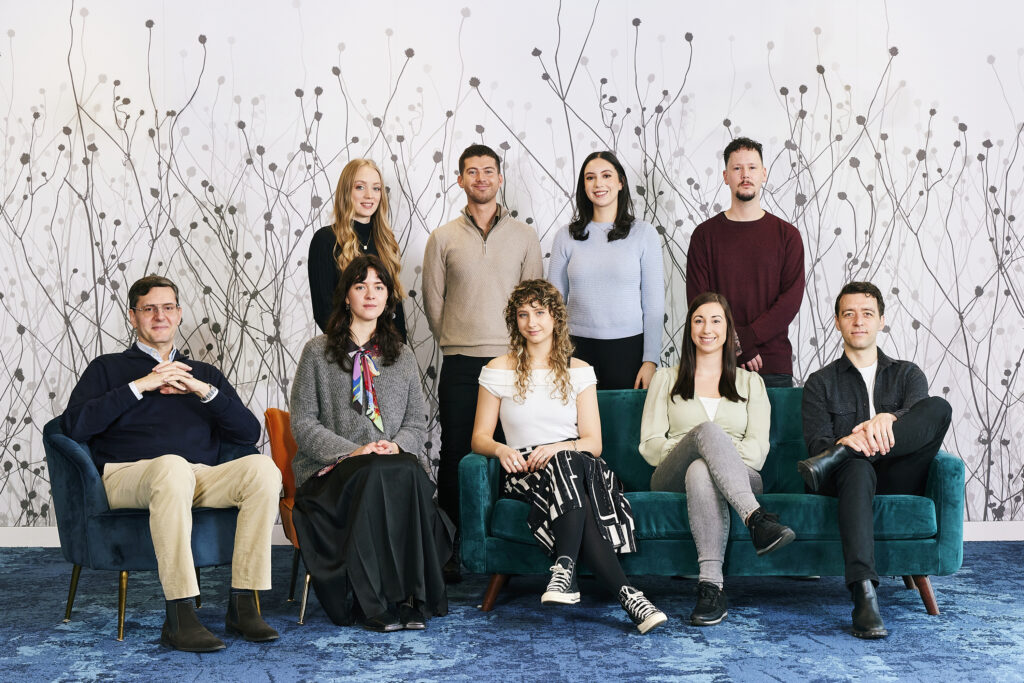
Elise Schumacher, an investor at Oyster Bay Venture Capital, articulated the strategic significance of Meatly’s advancement. "Meatly is laying the foundations for an entirely new protein category," she stated, highlighting the transformative potential of cultivated meat. "Cultivated meat is emerging as one of the most sustainable and ethical ways to produce meat today. From advancing the science to early retail sales for pets, Meatly has shown a clear ability to move from concept to real-world application, with the foundations to scale across Europe and globally." Her remarks underscore the industry’s recognition of Meatly’s progress beyond mere technological development, emphasizing its tangible market entry and scaling potential.
A Strategic Focus on Cost Reduction and Scalability
Founded in 2021 under the name Good Dog Food, Meatly’s genesis was intrinsically linked to the potential of cultivated meat for companion animals. This strategic focus has positioned it as a frontrunner in a rapidly evolving category. The company’s regulatory success with the UK’s Animal & Plant Health Agency in 2024 was a crucial validation, paving the way for its innovative product development.
The core of Meatly’s technology lies in its ability to derive meat from a single sample of chicken cells. This singular cell line has the capacity to produce an almost limitless supply of meat, effectively offering a sustainable solution for feeding pets. The process involves nurturing these cells in a controlled environment, feeding them a precisely formulated mix of nutrients that stimulate growth, while maintaining optimal temperature and acidity levels within specialized bioreactors. The resulting cultivated chicken is engineered to be nutritionally complete, containing all essential amino acids, critical fatty acids, vitamins, and minerals vital for pet health. Crucially, this is achieved with a significantly reduced environmental footprint compared to conventional meat production and without compromising on palatability.
Feeding trials conducted by Meatly have provided compelling evidence of pet acceptance and enjoyment. The company reported that half of the dogs involved in its trials continued to lick their bowls after finishing their meal, and three-quarters of pet owners observed a greater level of enjoyment from their dogs compared to their regular diets. This positive feedback loop from pets and owners is instrumental in building consumer trust and demand.
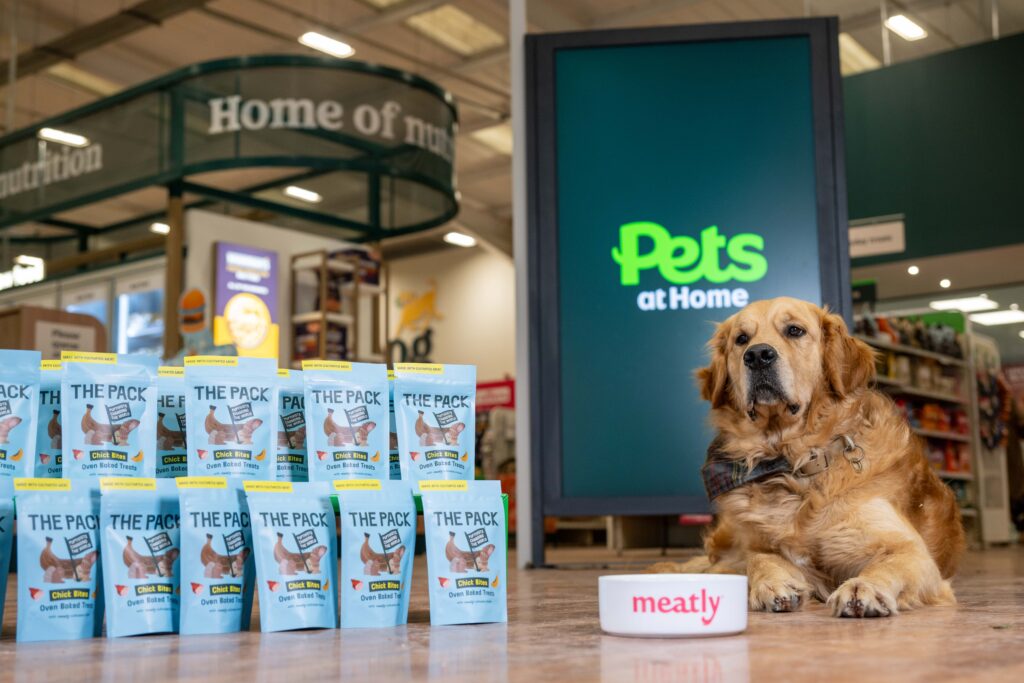
When Meatly initially launched its first product in the UK, a dog treat named "Chick Bites," it represented a calculated entry point into the market. Priced at £3.49 for a 50g pouch, the product contained approximately 4% cultivated chicken, with the remainder composed of plant-based ingredients. This formulation, while innovative, also served to highlight the significant scale and cost challenges that continue to confront the cultivated meat industry. The high cost of production, particularly the proprietary growth media and large-scale bioreactor infrastructure, has historically been a major bottleneck.
Meatly’s commitment to addressing these cost hurdles has been a cornerstone of its strategy. The company has made substantial progress in developing a protein-free culture medium that notably excludes serum or other animal-derived components. This innovative medium, initially costing around £1 per litre in 2024, has seen its price dramatically reduced to just 22 pence per litre, with projections indicating a further decrease to a mere 1.5 pence per litre at industrial scale. This drastic cost reduction in growth media is a game-changer, directly impacting the economic viability of cultivated meat production.
Beyond media development, Meatly has also demonstrated ingenuity in its bioreactor technology. The company successfully designed, built, and operated a pilot-scale bioreactor with a 320-litre capacity. The cost of this custom-designed unit was approximately £12,500, an astonishing 95% reduction compared to traditional fermenters, which can cost upwards of £250,000. This achievement underscores Meatly’s commitment to in-house innovation and its ability to engineer cost-effective solutions for large-scale production.
Cultivated Pet Food on the Charge as Meatly Approaches Commercial Scale
The significant capital raised, coupled with these technological advancements, positions Meatly at the forefront of commercializing cultivated meat, particularly within the pet food sector. Jim Mellon, Executive Chairman of Agronomics and Chairman of Meatly, emphasized the critical role of cost reduction in unlocking the market potential. "The market opportunity for sustainable and high-quality protein is enormous, but success in this category ultimately comes down to one thing: bringing down the cost of production," Mellon stated. "The team at Meatly has consistently cracked this challenge, reducing costs by building their own bioreactors, developing their own culture medium, and staying focused on what it takes to scale."
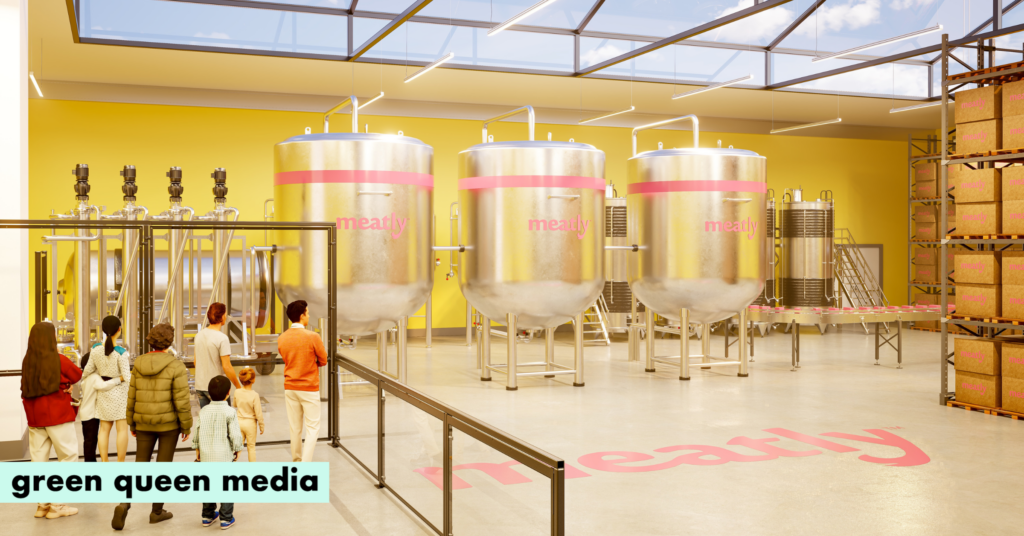
The custom-designed bioreactors developed by Meatly last year were engineered with biocompatibility, longevity, scalability, and overall performance in mind, crucial attributes for meeting the cell culture demands of an industrial-scale facility. These advanced bioreactors are designed to seamlessly integrate into larger systems, supporting multiple 20,000-litre units. Meatly had previously indicated its intention to develop bioreactors of this substantial capacity as a key objective for its next funding stage, a goal now directly enabled by the Series A investment. The company’s strategic vision for the new London facility includes its designation as a low-cost production site, designed to achieve profitable scaling of its cultivated meat output.
Owen Ensor, Co-founder and CEO of Meatly, articulated the company’s singular focus: "Meatly has one focus – to make commercially viable cultivated meat a reality. Over the last four years, Meatly’s pioneering team has systematically focused on reducing key costs and building the strongest possible technical foundation for growth." He further elaborated on the company’s current standing: "Now we have our own industry-leading technology, and we are ready to scale. This step will allow us to prove commercial viability at scale and start to continually produce Meatly Chicken for the UK pet food market." His statement reflects a company that has moved beyond the research and development phase and is now poised for commercial execution.
Broader Industry Context and Future Implications
The Series A funding secured by Meatly is more than just a financial milestone for the company; it represents a significant vote of confidence for the broader cultivated meat sector, which has faced considerable investor hesitancy in recent years. Global investment in cultivated meat startups saw a notable downturn in 2025, with total funding dropping to $74 million, nearly half of the previous year’s total and a stark contrast to the peak investment levels observed in 2021. This dip underscores the challenges of scaling and achieving economic viability in a nascent industry.
However, the past 12 months have also witnessed a significant acceleration in regulatory progress across multiple jurisdictions. Seven cultivated meat products have now been cleared for sale in various countries, with numerous other applications pending regulatory approval. This increasing regulatory clarity is a crucial enabler for market entry and commercialization.
The pet food segment, in particular, has emerged as a fertile ground for early adoption and regulatory success. Friends & Family Pet Food, for instance, is set to launch 12 cultivated meat products for cats and dogs this month, following regulatory approval. In the European Union, Bene Meat Technologies, Biocraft Pet Nutrition, and Umami Bioworks have successfully registered their cultivated meat as feed materials, enabling their use as pet food ingredients. Meanwhile, Magic Valley is actively commercializing cultivated dog treats under its Rogue Pet brand, operating within a voluntary framework established by the Pet Food Industry Association of Australia.
These developments collectively indicate a growing momentum in the cultivated meat industry, with the pet food sector often serving as a proving ground for novel technologies and business models. Meatly’s ambitious expansion plans for its London facility, coupled with its focus on cost reduction and regulatory compliance, positions it to capitalize on these industry-wide advancements. The successful establishment of Europe’s largest cultivated meat facility signifies a tangible step towards making this innovative protein source a mainstream reality, not just for pets, but potentially for human consumption in the years to come. The implications extend beyond animal welfare and sustainability, pointing towards a future where protein production is more resilient, environmentally responsible, and ethically sound. The company’s ability to translate its technological breakthroughs into commercially viable products will be closely watched by investors, consumers, and competitors alike, shaping the trajectory of the global alternative protein landscape.
