
Polycystic Ovary Syndrome (PCOS) remains one of the most prevalent endocrine disorders among women of reproductive age, affecting approximately 8% to 13% of the global population. Characterized by hormonal imbalances, insulin resistance, and chronic inflammation, the condition requires a multi-faceted management approach where nutrition plays a central role. For many patients, the midday meal presents a significant challenge: it must provide sustained energy to prevent the afternoon "slump" while simultaneously stabilizing insulin levels to prevent the worsening of symptoms like weight gain, acne, and hirsutism. Medical experts and nutritionists increasingly emphasize that a "PCOS-friendly" diet is not merely about restriction but about the strategic inclusion of anti-inflammatory proteins, complex carbohydrates, and healthy fats.
The Clinical Importance of Dietary Intervention in PCOS
The primary driver for many PCOS symptoms is hyperinsulinemia, a condition where the body produces excess insulin to manage blood glucose levels. This excess insulin can stimulate the ovaries to produce more androgens, such as testosterone, leading to the hallmark symptoms of the disorder. Consequently, clinical guidelines suggest that a diet with a low Glycemic Index (GI) and high fiber content is essential. Furthermore, research published in the Iranian Journal of Reproductive Medicine has demonstrated that specific nutrients, such as Omega-3 fatty acids found in fatty fish, can significantly lower androgen profiles and improve menstrual regularity. By focusing on lunch recipes that incorporate these elements, women can manage their hormonal health through targeted nutrition.
Category 1: Omega-3 Rich Seafood Selections
Seafood, particularly salmon and shrimp, serves as a cornerstone for hormonal balance due to high concentrations of Omega-3 fatty acids and lean protein.
1. Salmon Caesar Salad with Mushrooms, Tomato, and Avocado
Traditional Caesar salads often rely on store-bought dressings high in inflammatory seed oils and added sugars. This PCOS-optimized version replaces commercial dressings with a homemade variant using avocado oil and fresh lemon.
- Nutritional Logic: The inclusion of avocado and salmon provides a dual source of healthy fats, which slows the absorption of glucose.
- Preparation: The salmon is seasoned with garlic and thyme, then grilled or pan-seared for 10 minutes. The salad base consists of romaine lettuce, mushrooms, and tomatoes, providing essential micronutrients without a high caloric load.
2. Avocado and Brown Rice Salmon Sushi with Miso Soup
Sushi is often avoided due to the high sugar content in white sushi rice. By substituting brown rice, the meal gains fiber and a lower GI profile.
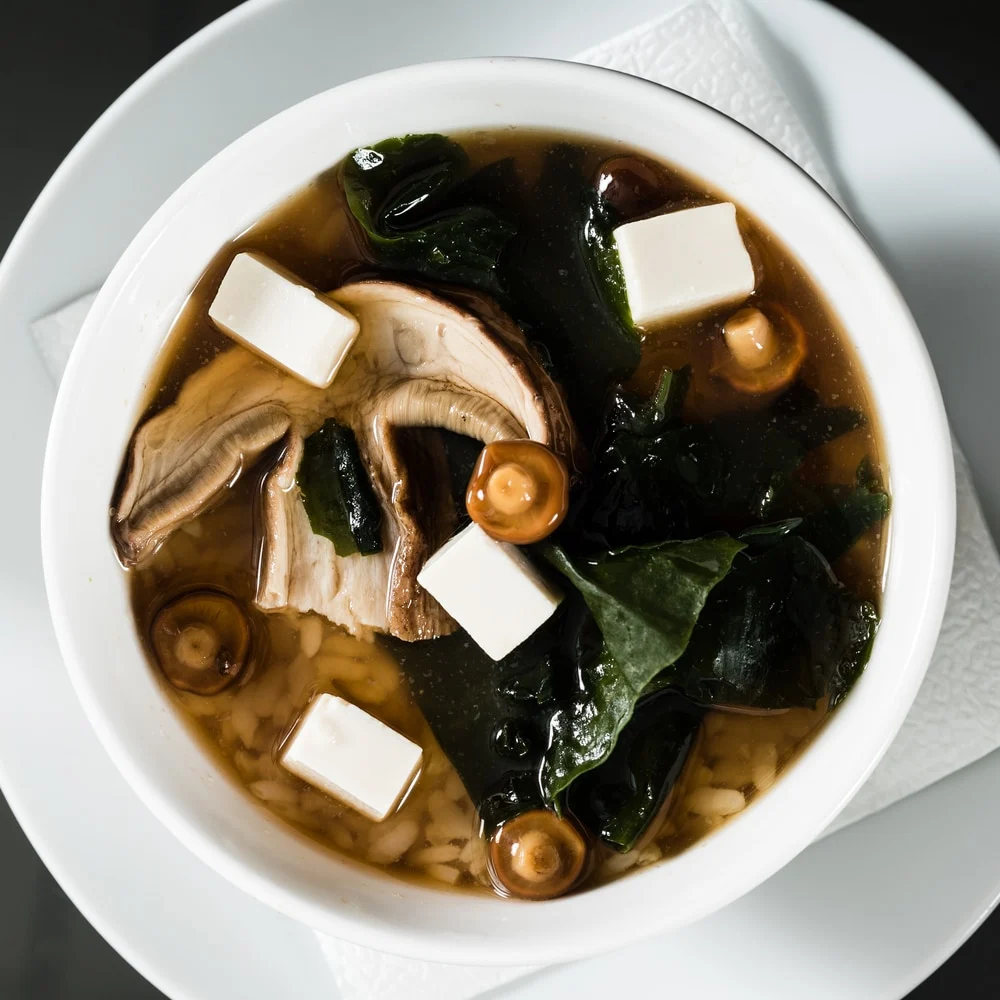
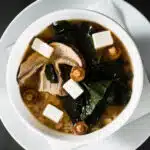
- The Gut-Hormone Connection: Accompanying the sushi with miso soup introduces fermented soy, which contains probiotics. A healthy gut microbiome is increasingly linked to improved estrogen metabolism and reduced inflammation in PCOS patients.
- Preparation: Use half-sheets of nori and fill with brown rice seasoned with rice wine vinegar. Add raw or smoked salmon and avocado before rolling. The miso soup is enhanced with sea kelp (arame) and seaweed (wakame) for iodine, which supports thyroid function.
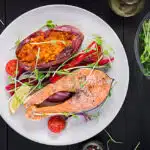
3. Baked Salmon with a Baked Sweet Potato
For those requiring a simpler preparation, the combination of baked salmon and sweet potato offers a balance of protein and complex carbohydrates.
- Analysis: Unlike white potatoes, sweet potatoes have a lower glycemic load and are rich in beta-carotene.
- Preparation: Bake the salmon at 375°F for 15 minutes alongside asparagus. The sweet potato should be sliced and baked at 425°F with coconut oil and rosemary to enhance flavor without using processed additives.
4. Salmon Spring Rolls
Spring rolls made with rice paper offer a lighter alternative to wheat-based wraps.
- Technique: Rice paper sheets are softened in warm water for 30 seconds. Each sheet is filled with fresh coriander and a piece of salmon, then lightly fried in olive oil until browned. This provides a satisfying crunch while maintaining a gluten-free profile.
Category 2: Lean Proteins and Low-Glycemic Alternatives
Maintaining muscle mass and metabolic rate is vital for PCOS management. Lean proteins like turkey and chicken are effective for satiety.
5. Turkey Burger with Side Salad
Turkey is a lean source of protein that is less inflammatory than red meat for many individuals.

- Modification: To remain PCOS-compliant, these burgers should be served on a gluten-free bun or wrapped in lettuce.
- Preparation: Combine ground turkey with onions and spices, shaping them into patties. Cook to an internal temperature of 165°F. Serving this with a side salad instead of fries further reduces the glycemic load of the meal.
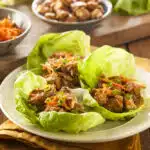
6. Lettuce Wrap with Grilled Chicken and Mixed Greens
For a portable, "on-the-go" lunch, lettuce wraps eliminate the need for processed breads.
- Nutritional Context: High-protein lunches prevent the insulin spikes often associated with sandwiches.
- Preparation: Marinate chicken breast in olive oil and herbs before grilling. Wrap the sliced chicken in large butter lettuce leaves and add hummus or tzatziki for healthy fats and flavor.
7. Cilantro Lime Shrimp Skewers with Cauliflower Rice
Cauliflower rice has become a staple in the PCOS community as a direct replacement for high-carb grains.
- Impact: This substitution significantly reduces the carbohydrate count of the meal, making it ideal for those with severe insulin resistance.
- Preparation: Marinate shrimp in lime juice, zest, cilantro, and garlic for 15 minutes. Grill the skewers for 3 minutes per side. Serve over cauliflower that has been grated and sautéed in olive oil for 8 minutes.
Category 3: Plant-Based and High-Fiber Innovations
Fiber is essential for "binding" excess hormones in the digestive tract and ensuring they are excreted from the body.
8. Pomegranate, Chickpea, and Broccoli Salad
This salad focuses on phytonutrients and plant-based protein.
- Supporting Data: Chickpeas provide a slow-release carbohydrate source, while pomegranate seeds offer antioxidants that combat oxidative stress, which is often elevated in women with PCOS.
- Preparation: Whisk together a dressing of tahini, yogurt, and lemon juice. Toss with steamed broccoli, chickpeas, and fresh pomegranate seeds. Let the salad stand for 10 minutes to allow the flavors to meld.
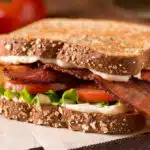
9. BLT Gluten-Free Sandwich with Avocado and Tempeh Bacon
The traditional BLT is reimagined using tempeh, a fermented soy product.
- Anti-Inflammatory Analysis: Tempeh is a probiotic-rich food that helps reduce systemic inflammation. Using gluten-free bread helps many women avoid the bloating and digestive distress often associated with PCOS.
- Preparation: Marinate thin slices of tempeh in soy sauce, maple syrup (in moderation), and liquid smoke. Pan-fry for 2 minutes per side. Assemble with avocado, tomato, and greens on toasted gluten-free bread.
10. Shrimp Fried Rice with Brown Rice and Veggies
This dish provides the flavor of takeout without the high sodium and MSG levels that can cause water retention.
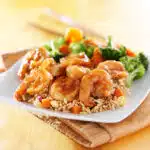
- Logic: Using brown rice and an abundance of peas and carrots increases the fiber content, which blunts the insulin response.
- Preparation: Sauté shrimp and set aside. Scramble eggs lightly. Fry green onions and brown rice in olive oil, then re-incorporate the shrimp, eggs, and vegetables with a splash of low-sodium soy sauce and sesame oil.
11. Sweet Potato, Quinoa, and Bean Burger
For a vegetarian-friendly meal prep option, these patties offer a dense nutritional profile.
- Chronology of Preparation: These are best made in batches. First, bake sweet potatoes until soft. Mash the flesh with black beans and cooked quinoa. Season with rosemary and chili flakes. Form into patties and bake at 410°F for 20-25 minutes.
- Benefit: The combination of quinoa and beans creates a complete protein profile, which is often a concern in plant-based diets.
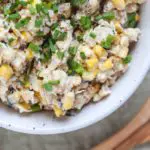
12. Vegan "Tuna" (Black Bean) Salad
Despite the name, this recipe utilizes the texture of legumes to mimic a traditional deli salad.
- Nutritional Strategy: Black beans are high in fiber and protein, making them an excellent choice for stabilizing blood sugar.
- Preparation: Sauté peppers, onions, and garlic. Process these with black beans in a food processor, keeping the texture slightly chunky. Form into patties and bake, or serve the mixture over a bed of greens.
Broader Impact and Long-Term Health Implications
The adoption of a PCOS-specific lunch routine is more than a short-term dietary fix; it is a preventative measure against long-term complications. Women with PCOS face a significantly higher risk of developing Type 2 diabetes, cardiovascular disease, and endometrial cancer. By utilizing recipes that prioritize hormone balance, individuals can improve their insulin sensitivity, which may restore regular ovulation and enhance fertility.
Furthermore, the psychological impact of dietary management cannot be understated. Many women feel a sense of loss or restriction following a PCOS diagnosis. The inclusion of diverse, flavorful meals—ranging from sushi to burgers—demonstrates that a therapeutic diet can be sustainable and enjoyable.
In summary, the transition toward a hormone-balancing diet involves replacing refined carbohydrates with complex ones, prioritizing high-quality proteins, and incorporating healthy fats to manage inflammation. These 12 lunch ideas provide a framework for women to take control of their endocrine health, one meal at a time. For those seeking further guidance, medical professionals recommend consulting with a registered dietitian who specializes in hormonal health to tailor these recipes to individual metabolic needs.
