

Recent clinical observations and epidemiological studies have identified a significant correlation between Polycystic Ovary Syndrome (PCOS) and Irritable Bowel Syndrome (IBS), two complex conditions that disproportionately affect women of reproductive age. While PCOS is primarily classified as an endocrine disorder characterized by hormonal imbalances, and IBS is defined as a functional gastrointestinal disorder, emerging research suggests that the two may share underlying physiological pathways. Data indicates that women diagnosed with PCOS are significantly more likely to suffer from IBS compared to the general population, with some studies suggesting a prevalence rate of approximately 20%, while clinical experts estimate that as many as 40% of PCOS patients experience gastrointestinal distress.
Defining the Scope of PCOS and IBS
Polycystic Ovary Syndrome is a multisystemic disorder affecting roughly 8% to 13% of reproductive-aged women worldwide. It is characterized by a combination of hyperandrogenism (excessive male hormones), ovulatory dysfunction, and polycystic ovarian morphology. Beyond fertility issues, PCOS is closely associated with metabolic complications, including insulin resistance, obesity, and Type 2 diabetes.
Irritable Bowel Syndrome, conversely, is a chronic functional disorder of the large intestine. The condition is characterized by a cluster of symptoms, including recurring abdominal pain, bloating, and altered bowel habits—ranging from constipation to diarrhea. Unlike Inflammatory Bowel Disease (IBD), which involves visible inflammation or damage to the bowel wall, IBS is characterized by the "irritation" of the gastrointestinal tract without structural damage, making it harder to diagnose through traditional imaging or blood tests.
The Evolutionary Context of Research
The recognition of a "gut-hormone axis" has evolved over the last two decades. Historically, PCOS was treated solely as a reproductive issue, while IBS was managed by gastroenterologists as a digestive sensitivity. However, the shift toward integrative medicine in the early 2010s led researchers to investigate the systemic nature of inflammation. By 2014, clinical studies began to document the higher-than-average incidence of gastrointestinal complaints among women with androgen excess.
The timeline of research reached a milestone in 2020 when a study published in Health and Quality of Life Outcomes confirmed that the presence of IBS significantly diminishes the health-related quality of life for women already managing PCOS. This has prompted a more multidisciplinary approach to treatment, involving endocrinologists, gastroenterologists, and registered dietitians.
Scientific Mechanisms Linking the Two Syndromes
Medical researchers have identified several biological "bridges" that explain why these two conditions often co-occur.
Chronic Systemic Inflammation
Both PCOS and IBS are rooted in low-grade chronic inflammation. In PCOS, adipose tissue and insulin resistance trigger the release of pro-inflammatory cytokines. Similarly, IBS is often associated with "leaky gut" or increased intestinal permeability, where inflammatory markers are released into the bloodstream. This shared inflammatory state can exacerbate symptoms of both conditions, creating a cycle of physiological stress.
Gut Dysbiosis and the Microbiome
The human gut microbiome consists of trillions of bacteria that regulate everything from digestion to immune function. Research published in Geburtshilfe und Frauenheilkunde (2020) suggests that women with PCOS possess a less diverse gut microbiome than those without the condition. Gut dysbiosis—an imbalance in these bacterial communities—can lead to increased insulin resistance and the overproduction of androgens. This same imbalance is a primary driver of IBS symptoms, as certain bacteria ferment carbohydrates too quickly, leading to gas, bloating, and pain.

Hormonal Influence on Gut Motility
Hormonal fluctuations play a critical role in how the digestive system functions. Specifically, elevated levels of Luteinizing Hormone (LH) and Follicle-Stimulating Hormone (FSH) have been linked to changes in gut transit time. In many women with PCOS, these elevated levels contribute to the IBS-C (constipation-predominant) subtype. Progesterone and estrogen also influence the speed at which food moves through the colon; thus, the irregular cycles typical of PCOS can lead to unpredictable digestive patterns.
Clinical Classifications and Diagnosis
To effectively manage these conditions, medical professionals emphasize the importance of accurate classification. IBS is generally categorized into four subtypes:
- IBS-C: Characterized by constipation and infrequent, hard stools.
- IBS-D: Characterized by frequent diarrhea and urgency.
- IBS-M: A mixed pattern of both constipation and diarrhea.
- IBS-U: Unclassified IBS for patients who do not fit into the other categories.
In the context of PCOS, IBS-C is the most frequently reported subtype. Experts note that it is vital to distinguish IBS from IBD (such as Crohn’s disease or Ulcerative Colitis). While IBS is a functional disorder, IBD is an autoimmune condition involving physical ulceration of the bowel. Patients presenting with "red flag" symptoms—such as rectal bleeding, unexplained weight loss, or nocturnal diarrhea—are urged to seek a consultation with a gastroenterologist to rule out more severe pathologies.
Evidence-Based Management Strategies
Because PCOS and IBS are interconnected, treatment protocols often overlap. The following interventions have shown clinical efficacy in managing the symptoms of both.
The Low FODMAP Dietary Intervention
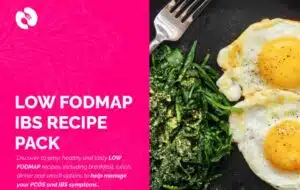
The Low FODMAP diet has emerged as a gold standard for managing IBS. FODMAP is an acronym for Fermentable Oligo-, Di-, Mono-saccharides and Polyols—short-chain carbohydrates and sugar alcohols that are poorly absorbed in the small intestine. When these sugars reach the large intestine, they are fermented by bacteria, producing gas and drawing water into the bowel.
High FODMAP foods include:
- Oligosaccharides: Wheat, rye, onions, and garlic.
- Disaccharides: Milk, yogurt, and soft cheeses (lactose).
- Monosaccharides: Honey, agave, and fruits like apples or pears (fructose).
- Polyols: Artificial sweeteners (sorbitol, xylitol) and stone fruits.
Research suggests that a 3-to-6-week elimination phase, followed by a systematic reintroduction of these foods, can help patients identify specific triggers. For women with PCOS, this diet also aligns with low-glycemic principles, helping to stabilize blood sugar levels.
Targeted Probiotic Therapy
Given the role of gut dysbiosis, probiotics are a critical component of the therapeutic landscape. Clinical trials have shown that specific strains of live cultures can restore the microbial balance, thereby reducing the production of inflammatory markers. For women with PCOS, improving gut health through probiotics can lead to better insulin sensitivity and reduced androgen production. Experts recommend multi-strain probiotics that include Lactobacillus and Bifidobacterium species, which have been specifically studied for their impact on bowel regularity and abdominal pain.
Therapeutic Exercise: Yoga and Walking
While high-intensity interval training (HIIT) and heavy resistance training are often recommended for PCOS weight management, they can sometimes exacerbate IBS symptoms by putting excessive stress on the digestive tract.
In contrast, "low-impact" mindful movement has shown dual benefits. A randomized controlled trial published in the Journal of Osteopathic Medicine (2020) found that practicing mindful yoga for one hour, three times a week, resulted in a 29% reduction in free testosterone levels among women with PCOS. Furthermore, walking has been clinically proven to improve cardiovascular health and reduce the waist-to-hip ratio, while simultaneously aiding gastrointestinal motility and reducing the anxiety often associated with chronic digestive issues.
Broader Impact and Implications for Women’s Health
The intersection of PCOS and IBS highlights a broader shift in women’s healthcare toward holistic and systemic analysis. The psychological impact of managing two chronic syndromes cannot be overstated. Both conditions are linked to higher rates of anxiety and depression, often stemming from the social stigma of infertility and the physical discomfort of digestive distress.
From a healthcare economics perspective, the co-occurrence of these conditions leads to increased healthcare utilization, including more frequent doctor visits, diagnostic tests, and pharmacological interventions. However, by addressing the "root cause"—specifically gut health and systemic inflammation—patients can often manage both conditions with lifestyle-based strategies, reducing the long-term burden on the medical system.
Future Directions in Clinical Research
The medical community is currently calling for more longitudinal studies to determine the exact causal relationship between the two. Current theories are exploring whether gut dysbiosis precedes the development of PCOS or if the hormonal environment of PCOS creates the conditions for IBS to flourish.
Additionally, the role of the "brain-gut axis" is under investigation. Stress management techniques, such as Cognitive Behavioral Therapy (CBT) and gut-directed hypnotherapy, are being explored as potential adjunct treatments for women who find that their PCOS and IBS symptoms flare up during periods of high emotional stress.
Conclusion and Patient Advocacy
For the millions of women worldwide navigating the complexities of PCOS and IBS, the path to wellness requires a personalized and patient-centered approach. Maintaining a detailed food and symptom journal remains one of the most effective tools for identifying individual triggers. By documenting meal times, food types, and subsequent physical reactions, patients can provide their medical providers with the data necessary to refine treatment plans.
As research continues to bridge the gap between endocrinology and gastroenterology, the focus remains on empowering women through education and evidence-based interventions. Managing the "double burden" of PCOS and IBS is a marathon, not a sprint, requiring patience, dietary discipline, and a commitment to restorative lifestyle practices.
