

Recent clinical observations and emerging nutritional research suggest that the Mediterranean diet, long celebrated for its cardiovascular benefits, provides a robust framework for managing Polycystic Ovary Syndrome (PCOS). While historical research specifically linking the Mediterranean diet to PCOS has been limited, a growing body of evidence now highlights its efficacy in addressing the core physiological disruptions associated with the condition, including chronic inflammation, insulin resistance, and hormonal imbalances. Medical professionals and nutritionists are increasingly advocating for this plant-forward approach as a primary lifestyle intervention for the estimated one in ten women of reproductive age who suffer from this complex endocrine disorder.
The Intersection of Nutrition and Endocrine Health
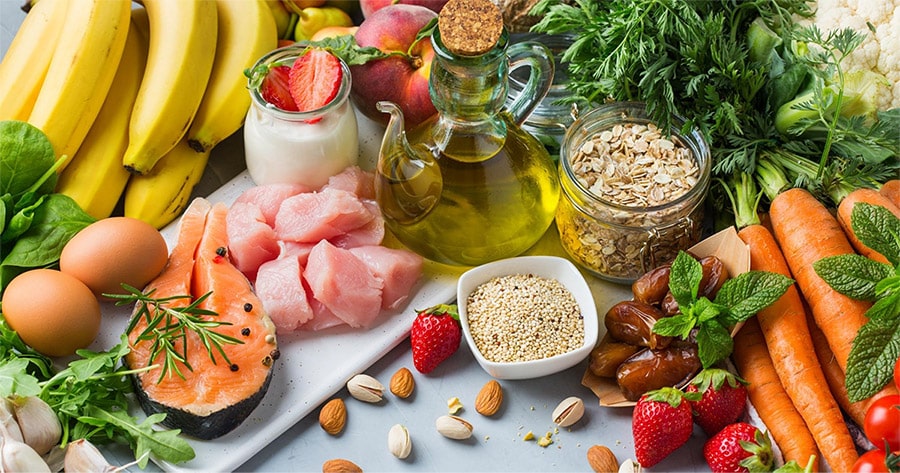
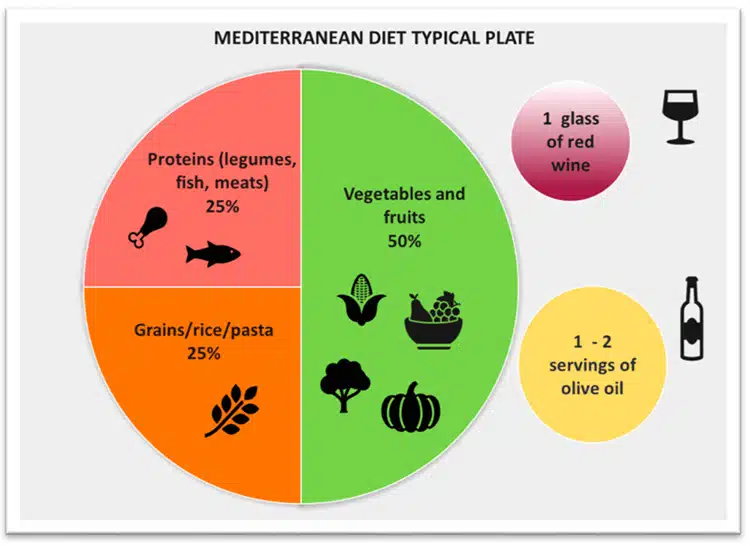
Polycystic Ovary Syndrome is a multifaceted condition characterized by irregular menstrual cycles, androgen excess, and polycystic ovaries. However, the underlying drivers are often metabolic in nature. The Mediterranean diet—characterized by a high intake of fruits, vegetables, legumes, whole grains, and healthy fats, particularly olive oil—serves as a direct nutritional countermeasure to these metabolic disruptions. Unlike restrictive fad diets, the Mediterranean approach emphasizes nutrient density and the synergy of whole foods, which has been shown to improve gut health and systemic wellness.
The shift toward recommending the Mediterranean diet for PCOS marks a significant evolution in nutritional science. For decades, dietary advice for PCOS focused almost exclusively on weight loss through caloric restriction. However, contemporary insights suggest that the quality of macronutrients and the presence of anti-inflammatory micronutrients are more critical for hormonal regulation than simple caloric deficits.
Addressing the Pathophysiology of Chronic Inflammation
One of the hallmark features of PCOS is chronic, low-grade systemic inflammation. This inflammatory state is not merely a symptom but a primary driver of the syndrome’s progression, contributing to both insulin resistance and the overproduction of androgens by the ovaries. Research published in the journal Endocrine, Metabolic & Immune Disorders – Drug Targets indicates that the Mediterranean diet is uniquely suited to mitigate this immune response.
The high concentration of antioxidants and polyphenols found in the vegetables and fruits central to the diet helps neutralize oxidative stress. Furthermore, the reliance on monounsaturated fats from olive oil and omega-3 fatty acids from fish provides the body with the precursors needed to produce anti-inflammatory signaling molecules. By reducing systemic inflammation, the diet helps restore cellular communication, making the body more responsive to its own hormones and potentially reducing the severity of PCOS symptoms such as cystic acne and hirsutism.
Metabolic Syndrome and the Insulin Resistance Paradigm
Insulin resistance affects between 50% and 70% of women with PCOS, regardless of their Body Mass Index (BMI). When cells become resistant to insulin, the pancreas compensates by producing more of the hormone. Hyperinsulinemia (excess insulin) is a direct trigger for the ovaries to produce excess testosterone, creating a feedback loop that disrupts ovulation and promotes weight gain, particularly in the abdominal region.
Clinical data suggests that the Mediterranean diet significantly improves glucose control and increases insulin sensitivity. A review in Nutrients highlighted that the low glycemic index (GI) of the whole grains and legumes used in Mediterranean cooking prevents the rapid blood sugar spikes often caused by the refined carbohydrates found in Western diets. By stabilizing blood glucose, the Mediterranean diet lowers fasting insulin levels. This metabolic stabilization is often compared to the effects of pharmaceutical interventions like Metformin or supplements like Inositol, providing a natural method for managing the risk of Type 2 diabetes and cardiovascular disease, which are significantly higher in the PCOS population.
Clinical Evidence for Enhanced Fertility and Reproductive Success
For many women, the most distressing aspect of PCOS is its impact on fertility. The syndrome is currently the leading cause of ovulatory infertility worldwide. However, nutritional interventions are showing promise in improving reproductive outcomes. A landmark study published in Human Reproduction examined the impact of the Mediterranean diet on women undergoing fertility treatments.
The study found that women who adhered closely to Mediterranean dietary principles had a 65% to 68% higher likelihood of achieving a successful pregnancy and live birth compared to those with the lowest adherence. These benefits were attributed to the diet’s ability to improve the environment of the follicular fluid and support healthy egg development. Furthermore, the benefits of the diet extend to male partners; research indicates that the high antioxidant intake improves semen quality, suggesting that the Mediterranean lifestyle is a comprehensive strategy for couples attempting to conceive.
Androgen Regulation and the Role of Healthy Lipids
Hyperandrogenism, or elevated levels of "male" hormones like testosterone, is responsible for many of the visible symptoms of PCOS, including male-pattern baldness (androgenetic alopecia) and excessive body hair. The Mediterranean diet’s emphasis on healthy fats plays a crucial role in regulating these levels. Omega-3 fatty acids, found in abundance in fatty fish and walnuts, have been clinically shown to lower testosterone levels in women with PCOS.
A study in Nutrients found a direct correlation between non-adherence to the Mediterranean diet and higher circulating testosterone levels. By replacing saturated and trans fats with monounsaturated and polyunsaturated fats, women can help recalibrate their lipid profiles and hormonal balance. This hormonal shift not only aids in internal regulation but also leads to dermatological improvements, reducing the incidence of hormonal acne and thinning hair.
The Gut Microbiome and Non-Alcoholic Fatty Liver Disease (NAFLD)
Recent scientific inquiries have focused on the "gut-gonad axis," exploring how intestinal health influences reproductive hormones. Women with PCOS often exhibit a less diverse gut microbiome compared to their peers. The fiber-rich nature of the Mediterranean diet acts as a prebiotic, nourishing beneficial gut bacteria. Improved microbial diversity is linked to better estrogen metabolism and reduced intestinal permeability (leaky gut), which otherwise exacerbates systemic inflammation.
Closely related to gut health and metabolic function is the health of the liver. Women with PCOS are disproportionately affected by Non-Alcoholic Fatty Liver Disease (NAFLD). Research published in Nutrients suggests that following the Mediterranean diet for as little as 12 months can significantly reduce liver fat and improve liver enzymes. Notably, these improvements in liver health were observed even in participants who did not experience significant weight loss, suggesting that the nutrient composition of the diet itself provides protective benefits to the liver.
Comparative Analysis: Mediterranean Principles versus the Western Diet
The Mediterranean diet stands in stark contrast to the Standard American Diet (SAD) or "Western Diet," which is characterized by high intakes of red meat, refined sugars, fried foods, and highly processed snacks. The Western diet is inherently pro-inflammatory and promotes insulin resistance through its high glycemic load and trans-fat content.
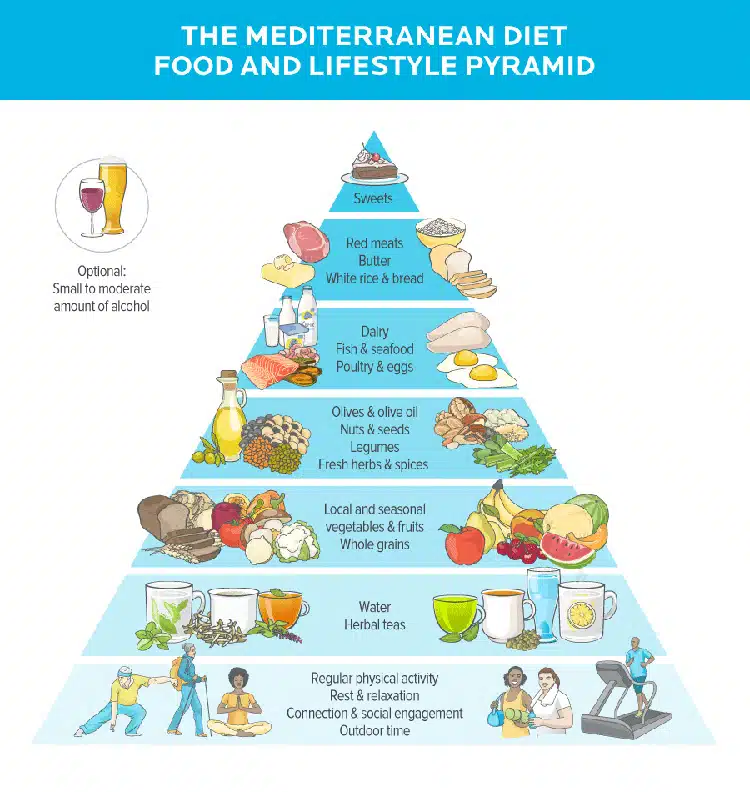
In the Mediterranean model, red meat is reserved for rare, special occasions, and refined white breads are replaced with ancient grains and sourdoughs. Sugary beverages are replaced with water, herbal teas, or the occasional glass of red wine, which contains the antioxidant resveratrol. This shift from processed to whole foods reduces the intake of endocrine-disrupting chemicals often found in food packaging and processing, further supporting the delicate hormonal balance required by women with PCOS.
Strategic Implementation and Long-term Sustainability
One of the primary challenges with dietary interventions is long-term compliance. Many diets fail because they are overly restrictive, leading to a cycle of deprivation and bingeing. The Mediterranean diet is widely considered one of the most sustainable eating patterns because it does not eliminate entire food groups. Instead, it focuses on "crowding out" less healthy options with flavorful, satisfying alternatives.
Success in adopting this lifestyle often involves more than just food choices; it includes the "Mediterranean Lifestyle" as a whole. This includes:
- Sourcing Locally: Utilizing seasonal produce ensures higher nutrient density and supports the local agricultural economy.
- Mindful Consumption: The tradition of eating slowly and communally has been shown to improve digestion and satiety signals, helping to manage the "cravings" often reported by women with insulin-resistant PCOS.
- Physical Activity: Regular, moderate movement is a cornerstone of the Mediterranean pyramid, complementing the dietary changes to further enhance insulin sensitivity.
Broader Implications for Public Health and Future Research
The implications of adopting the Mediterranean diet for PCOS extend beyond individual symptom management. Given that approximately 33% of women with PCOS also meet the criteria for metabolic syndrome, the widespread adoption of this dietary pattern could significantly reduce the long-term public health burden of heart disease, stroke, and diabetes.
While the current data is promising, researchers are calling for more large-scale, randomized controlled trials specifically targeting the PCOS population. Future studies are expected to delve deeper into the epigenetic effects of the Mediterranean diet—how these specific nutrients might "turn off" certain genetic expressions associated with the syndrome.
In conclusion, the Mediterranean diet offers a scientifically backed, holistic approach to managing the complex symptoms of PCOS. By addressing inflammation, insulin resistance, and hormonal imbalances through a sustainable and enjoyable eating pattern, women with PCOS can take proactive control of their health, improving both their immediate quality of life and their long-term reproductive and metabolic outcomes. As the medical community continues to shift toward integrative and lifestyle-based medicine, the Mediterranean diet remains a gold standard for nutritional therapy in the management of endocrine disorders.
