
Polycystic Ovary Syndrome (PCOS) remains one of the most prevalent endocrine disorders among women of reproductive age, affecting approximately 8% to 13% of the global female population. Characterized by a triad of symptoms—hyperandrogenism, ovulatory dysfunction, and polycystic ovarian morphology—the condition often manifests clinically as hirsutism, persistent acne, and irregular menstrual cycles. While pharmaceutical interventions such as oral contraceptives and anti-androgen medications like spironolactone are standard treatments, a growing body of clinical research suggests that spearmint tea (Mentha spicata) may serve as a potent, natural adjunct therapy. Recent studies have highlighted its ability to significantly reduce circulating androgen levels, offering a non-pharmacological pathway for symptom management.
Clinical Foundations: The 2009 Randomized Controlled Trial
The primary scientific catalyst for the use of spearmint tea in PCOS management was a landmark randomized controlled trial published in Phytotherapy Research. In this study, 42 women diagnosed with PCOS and clinical hirsutism were monitored over a 30-day period. The participants were divided into two groups: one consumed spearmint herbal tea twice daily, while the control group consumed a placebo herbal tea.
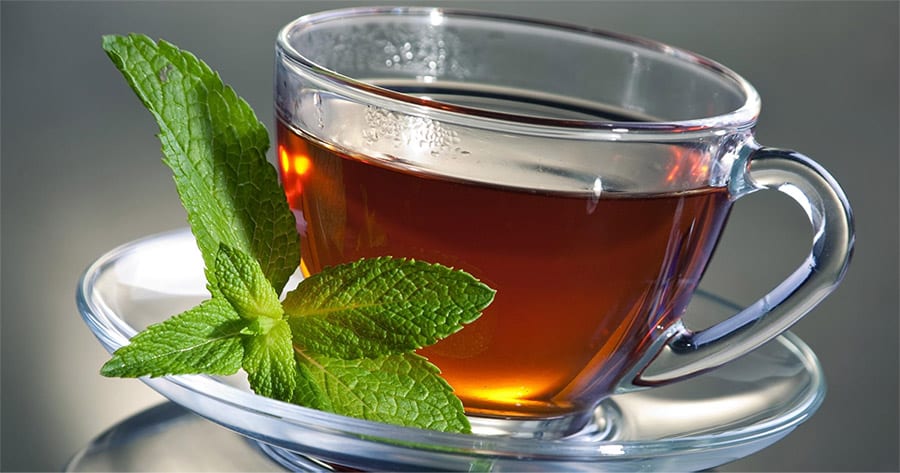
The results were statistically significant. Women in the spearmint group demonstrated a substantial decrease in free and total testosterone levels. Concurrently, there was an increase in luteinizing hormone (LH) and follicle-stimulating hormone (FSH). While the 30-day window was too brief to observe a clinical reduction in hair follicle density—a process that typically follows a longer growth cycle—the subjective reporting from the participants indicated a perceived reduction in hirsutism. This study built upon earlier preliminary research conducted in Turkey, which first identified the anti-androgenic potential of Mentha spicata after researchers observed lower libido in men who consumed large quantities of the herb.
Chronology of Research and Development
The trajectory of spearmint research has evolved from traditional herbal medicine to rigorous clinical evaluation. In the early 2000s, anecdotal evidence from Mediterranean regions prompted initial investigations into the herb’s hormonal impact. By 2007, a pilot study involving 21 women showed that drinking two cups of spearmint tea for five days during the follicular phase of the menstrual cycle reduced free testosterone.
This led to the more robust 2009 trial mentioned above. In 2015, the American Academy of Dermatology (AAD) expanded the clinical scope of spearmint by evaluating its impact on inflammatory acne. Their findings suggested that the anti-androgenic properties of the tea translated directly to skin health, with patients seeing a 25% reduction in lesions after one month and a 51% reduction after three months. Most recently, research in 2017 and 2018 has shifted toward the metabolic and cognitive benefits of spearmint, exploring its role in insulin sensitivity and memory retention.

Hormonal Regulation and the Anti-Androgen Effect
Hyperandrogenism is the hallmark of PCOS, driven by the overproduction of testosterone by the ovaries and adrenal glands. This excess testosterone is responsible for "male-pattern" symptoms, including hirsutism (excessive hair on the face, chest, and back) and androgenetic alopecia (thinning of hair on the scalp).
Spearmint tea acts as a natural anti-androgen. The biochemical mechanism is believed to involve the inhibition of certain enzymes or the modulation of the hypothalamic-pituitary-ovarian axis, which reduces the stimulus for androgen production. By lowering the concentration of free testosterone in the bloodstream, spearmint tea helps mitigate the biological triggers for unwanted hair growth and hormonal acne. Medical professionals note that while the tea is effective, it is not a "quick fix"; the hair growth cycle requires consistent hormonal suppression over three to six months before visible changes in hirsutism occur.
Metabolic Implications: Insulin Resistance and Glycemic Control
Beyond its hormonal impact, spearmint tea has shown promise in addressing the metabolic disturbances associated with PCOS. Approximately 70% of women with PCOS suffer from insulin resistance, a condition where the body’s cells do not respond effectively to insulin, leading to elevated blood sugar levels and an increased risk of Type 2 diabetes.

Supporting data from animal models, specifically a 2017 study on diabetic rats, indicated that aqueous extracts of Mentha spicata significantly lowered blood glucose levels and improved lipid profiles. In humans, the reduction of testosterone via spearmint consumption may indirectly improve insulin sensitivity, as high androgen levels are known to exacerbate insulin resistance. While human-centric clinical trials specifically targeting glucose metabolism in PCOS patients are still ongoing, the existing data suggests a protective metabolic effect.
Addressing Menstrual Irregularity and Ovarian Health
Irregular periods, or oligomenorrhea, are a primary concern for women with PCOS seeking to maintain fertility or long-term uterine health. The hormonal imbalances—specifically a high LH to FSH ratio—prevent the maturation of ovarian follicles, leading to the "string of pearls" appearance of cysts on the ovaries.
By normalizing the LH and FSH levels, spearmint tea may help restore the delicate feedback loop required for ovulation. The reduction in androgens also prevents the premature "arrest" of follicle development. While spearmint tea is not a replacement for fertility treatments, its role in promoting a more regular menstrual cycle provides a foundational level of support for reproductive health.

Cognitive Benefits: Combating "PCOS Brain Fog"
Many women with PCOS report cognitive symptoms often described as "brain fog," characterized by fatigue, lack of focus, and memory lapses. These symptoms are frequently linked to fluctuating blood sugar levels and the psychological stress of managing a chronic condition.
Research published in the Journal of Alternative and Complementary Medicine in 2018 highlighted the cognitive-enhancing properties of spearmint extract. In a study of 90 individuals with age-associated memory impairment, a 900mg daily dose of spearmint extract improved working memory and mental focus by 15%. For the PCOS community, the antioxidant compounds in spearmint, such as rosmarinic acid, may protect neural pathways from oxidative stress, thereby improving clarity and cognitive endurance.
Antioxidant Profile and Oxidative Stress
Women with PCOS exhibit higher markers of oxidative stress compared to those without the condition, regardless of Body Mass Index (BMI). Oxidative stress contributes to systemic inflammation, which further drives insulin resistance and androgen production.
Spearmint is rich in polyphenols and flavonoids, which serve as powerful antioxidants. These compounds neutralize free radicals and reduce systemic inflammation. A 2013 meta-analysis in Human Reproduction Update confirmed that markers of oxidative stress are significantly elevated in PCOS patients, suggesting that antioxidant-rich interventions like spearmint tea could play a vital role in reducing the long-term risk of cardiovascular disease and other inflammatory complications associated with the syndrome.
Recommended Dosage and Preparation Guidelines
To achieve the therapeutic effects observed in clinical trials, consistency and preparation are paramount. The standard protocol used in research involves:
- Dosage: Two cups (approximately 250ml each) of spearmint tea per day.
- Concentration: Use approximately 5 grams (or two teaspoons) of dried spearmint leaves per serving, or one high-quality tea bag containing 100% Mentha spicata.
- Steeping Time: The tea should be steeped in boiling water for 5 to 10 minutes to ensure the extraction of essential oils and polyphenols.
- Duration: Clinical benefits for skin and hair typically require a minimum of 90 to 180 days of daily consumption.
Safety, Contraindications, and Professional Oversight
While spearmint tea is generally recognized as safe (GRAS) by the FDA, there are specific contraindications. Individuals suffering from Gastroesophageal Reflux Disease (GERD) may find that spearmint relaxes the lower esophageal sphincter, worsening heartburn symptoms. Furthermore, due to its impact on hormone levels, pregnant or breastfeeding women should consult their obstetrician before consumption.

There have also been concerns regarding the impact of excessive mint consumption on iron absorption. Like many herbal teas, spearmint contains tannins that can inhibit the uptake of non-heme iron. Consequently, it is recommended to consume the tea between meals rather than with iron-rich food. Medical experts emphasize that spearmint tea should be part of a comprehensive management plan that includes diet, exercise, and medical supervision.
Broader Impact and Future Implications
The integration of spearmint tea into PCOS management represents a shift toward "Integrative Medicine," where evidence-based natural remedies complement conventional treatments. As the cost of healthcare rises, low-cost, accessible interventions like herbal tea offer a sustainable option for symptom management in diverse populations.
The psychological impact of PCOS—often manifesting as anxiety or depression due to physical symptoms like facial hair—cannot be understated. The availability of a natural remedy that empowers women to take an active role in their hormonal health has significant implications for mental well-being. Future research is expected to delve deeper into the long-term effects of spearmint on cardiovascular health and its potential to reduce the dosage requirements of pharmaceutical anti-androgens, thereby minimizing the side effects of conventional drugs.
In conclusion, spearmint tea stands as a scientifically backed, therapeutic tool for women navigating the complexities of PCOS. Through its anti-androgenic, antioxidant, and metabolic properties, it offers a multifaceted approach to one of the most challenging endocrine disorders of the modern era.
