
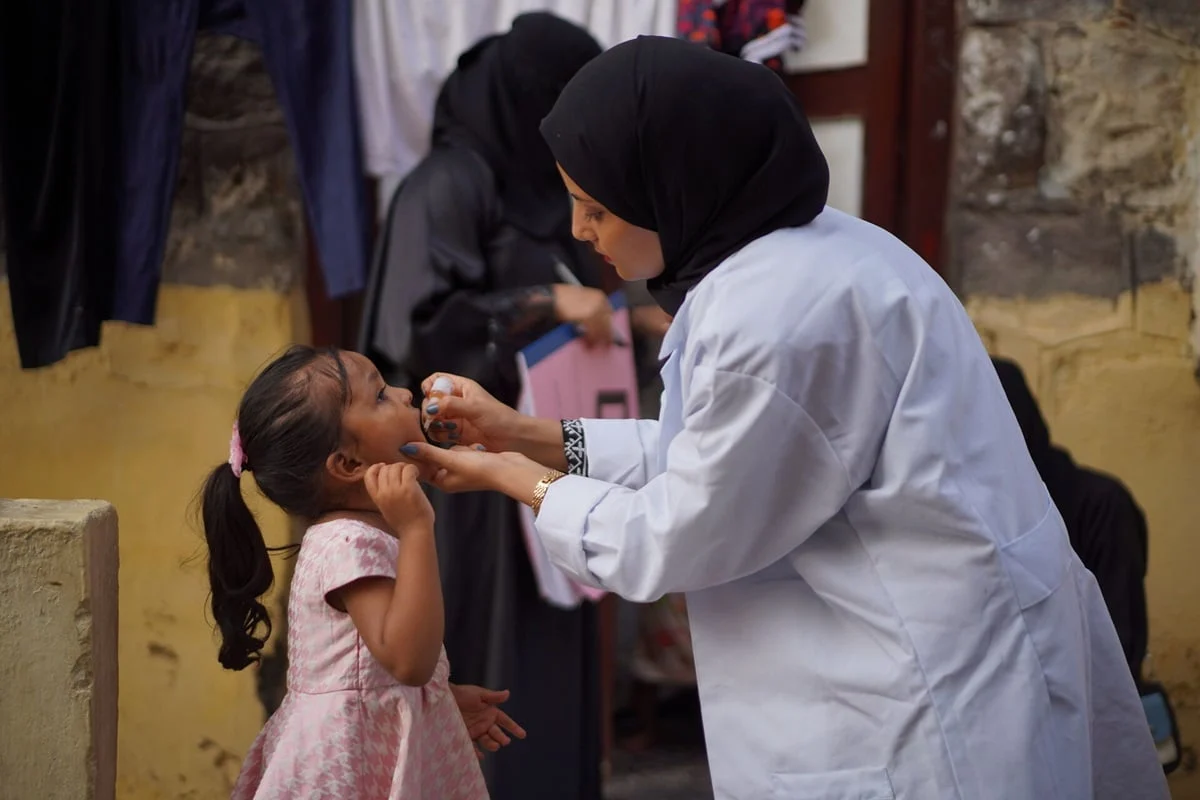
The Big Catch-Up (BCU), a historic multi-year and multi-country initiative designed to reverse the catastrophic decline in childhood vaccinations caused by the COVID-19 pandemic, has successfully reached an estimated 18.3 million children between the ages of 1 and 5. Spanning 36 countries, the program administered more than 100 million doses of life-saving vaccines, significantly narrowing critical immunity gaps that have left millions of children vulnerable to preventable diseases. The milestone was announced by Gavi, the Vaccine Alliance (Gavi), the World Health Organization (WHO), and UNICEF at the commencement of World Immunization Week 2026.
Of the 18.3 million children reached during the implementation period from 2023 to early 2026, approximately 12.3 million were classified as "zero-dose children"—those who had never received a single dose of any vaccine. Furthermore, the initiative successfully delivered measles vaccinations to 15 million children who had previously been overlooked. To bolster the global push for polio eradication, the BCU also provided 23 million doses of inactivated polio vaccine (IPV) to un-vaccinated and under-vaccinated populations. While the formal program implementation concluded on March 31, 2026, and final data verification is ongoing, global health agencies forecast that the initiative is on track to meet or exceed its ultimate target of reaching 21 million un- and under-immunized children.
Despite these significant achievements, health agencies have issued a stern warning: while catch-up campaigns are vital for closing immediate gaps, they are not a substitute for robust routine immunization. Expanding the reach of primary healthcare and routine vaccination programs remains the most effective and sustainable method for protecting children and preventing the large-scale outbreaks of vaccine-preventable diseases (VPDs) that have resurged in recent years.
Addressing the Global Vaccine Equity Gap
The Big Catch-Up was conceived not only as a recovery mechanism for pandemic-related disruptions but also as a strategic intervention to address the long-standing vaccine equity gap. Every year, millions of children fail to receive essential vaccinations before their first birthday. These children predominantly reside in fragile, conflict-affected, or underserved communities. Historically, if a child missed their scheduled vaccinations in infancy, they were rarely "caught up" as they grew older, leaving them chronically vulnerable.
The 36 countries that participated in the BCU initiative across Africa and Asia currently account for an estimated 60% of the world’s zero-dose children. The disruptions caused by the COVID-19 pandemic between 2020 and 2022 exacerbated this pre-existing crisis, adding millions more to the ranks of the unvaccinated. In response, the Big Catch-Up looked beyond traditional infant immunization schedules. For the first time, global health partners systematically leveraged routine immunization systems to target the "older" cohort of children aged 1 to 5. This demographic was specifically prioritized because they should have received their critical routine vaccines before age one but were bypassed during the height of the pandemic.
Regional Success and Country-Level Impact
The success of the BCU is reflected in the high coverage rates reported by several participating nations. Among the 36 countries, 12 nations—Burkina Faso, the Democratic People’s Republic of Korea, Ethiopia, Kenya, Madagascar, Mauritania, Niger, Pakistan, Somalia, Togo, the United Republic of Tanzania, and Zambia—reported reaching more than 60% of all zero-dose children under the age of five who had missed their first dose of the diphtheria-tetanus-pertussis vaccine (DTP1).
Ethiopia emerged as a primary example of the program’s efficacy. The country reached more than 2.5 million previously zero-dose children with DTP1. In addition to these primary doses, Ethiopia delivered nearly 5 million doses of IPV and more than 4 million doses of the measles vaccine. These efforts were complemented by the distribution of other essential vaccines, providing a comprehensive shield for the country’s most vulnerable youth.
Nigeria also demonstrated significant progress through the initiative. Health workers in Nigeria successfully reached 2 million zero-dose children with DTP1 and administered 3.4 million doses of IPV. These large-scale operations were supported by Gavi funding and technical assistance from WHO and UNICEF. While the BCU focused on these 36 priority countries, many other nations independently implemented catch-up activities to recover from pandemic-era backsliding, reflecting a global consensus on the urgency of immunization recovery.
Systemic Improvements and Health Worker Training
A core objective of the BCU was the creation of long-lasting health infrastructure. Rather than functioning as a one-time "campaign," the initiative sought to integrate catch-up mechanisms into existing routine immunization systems. This involved updating national policies regarding age eligibility, allowing older children to legally and systematically receive vaccines that were previously reserved for infants.
Significant investment was directed toward the health workforce. Thousands of health workers were oriented and trained to identify, screen, and vaccinate missed children during routine healthcare visits. This proactive approach turned every clinic visit—whether for nutrition, malaria, or general illness—into an opportunity for immunization screening.
Furthermore, the BCU emphasized community engagement. By partnering with civil society organizations and local leaders, the program worked to rebuild vaccine confidence and ensure that parents in the hardest-to-reach areas were aware of the opportunity to catch up on missed doses. These systemic improvements have made it easier for countries to maintain high coverage rates and ensure that underserved populations continue to receive essential health services long after the BCU program concludes.
Leadership Perspectives on Global Progress
The completion of the program’s implementation phase drew reactions from the leaders of the tripartite partnership. Dr. Sania Nishtar, CEO of Gavi, the Vaccine Alliance, characterized the initiative as a landmark achievement in international cooperation. "As the largest ever international effort to reach missed children with life-saving vaccines, the Big Catch-Up shows what is possible when governments, partners and communities work together to protect the most vulnerable in society," Dr. Nishtar stated. She noted that the accomplishment protects not only individual children but entire communities for generations to come.
Dr. Tedros Adhanom Ghebreyesus, Director-General of the World Health Organization, highlighted the role of the initiative in mitigating the long-term damage caused by the pandemic. "By protecting children who missed out on vaccinations because of disruptions to health services caused by COVID-19, the Big Catch-Up has helped to undo one of the pandemic’s major negative consequences," Dr. Tedros said. He credited the success to the dedication of health workers and the increased capacity of national immunization programs to find and vaccinate children missed by routine services.
UNICEF Executive Director Catherine Russell emphasized the necessity of sustained political will. "Vaccinations save lives. This initiative shows what’s possible when countries have the resources, tools, and political will to reach children with lifesaving vaccines," Russell said. However, she also issued a warning regarding the resurgence of measles, noting that while many children have been caught up, millions more remain out of reach. She called for continued investment in reliable immunization systems to maintain the gains achieved.
Challenges and the Resurgence of Measles
Despite the triumphs of the Big Catch-Up, the global health community remains vigilant regarding the challenges ahead. In 2024, an estimated 14.3 million infants under the age of one globally failed to receive a single vaccine dose through routine programs. While the BCU successfully addressed the "older" cohort, the annual influx of new zero-dose infants continues to strain global resources.
The consequences of these gaps are most visible in the rising incidence of measles. As one of the most contagious human viruses, measles requires a 95% vaccination coverage rate to achieve herd immunity. In 2024, approximately 11 million measles cases were reported globally. The number of countries experiencing large or disruptive outbreaks has nearly tripled since 2021. This surge is attributed to persistent gaps in routine immunization and a decline in vaccine confidence in certain regions.
The BCU has demonstrated that targeted investment can yield results, but health experts argue that catch-up efforts are resource-intensive and should only serve as a temporary measure. The most sustainable and cost-effective way to safeguard public health is through timely vaccination according to national immunization schedules, which provides optimal protection before children are exposed to life-threatening pathogens.
Looking Forward: Gavi 6.0 and Immunization Agenda 2030
The conclusion of the Big Catch-Up coincides with the midpoint of the Immunization Agenda 2030 (IA2030) and the launch of Gavi’s 2026–2030 strategy, known as Gavi 6.0. The central priority of these frameworks remains the identification and vaccination of zero-dose children in the most challenging environments, including conflict zones and urban slums.
World Immunization Week 2026, themed "For every generation, vaccines work," serves as a call to action for governments to increase domestic financing for immunization. As birth cohorts rise and climate change-related displacements increase the risk of disease transmission, the momentum generated by the Big Catch-Up must be transitioned into permanent, resilient health systems.
Since its inception in 2000, Gavi has helped immunize more than 1.2 billion children and prevented more than 20.6 million future deaths. The success of the Big Catch-Up adds a significant chapter to this legacy, proving that even in the wake of a global pandemic, the gap in vaccine equity can be bridged through coordinated international action and a commitment to reaching every child, regardless of their age or location.
