

Polycystic Ovary Syndrome (PCOS) remains one of the most prevalent endocrine disorders among women of reproductive age, characterized by a complex interplay of hormonal imbalances, ovulatory dysfunction, and metabolic disturbances. As the medical community seeks integrative approaches to manage the multifaceted symptoms of this condition, berberine, a natural plant alkaloid, has emerged as a focal point of clinical interest. Traditionally utilized in Chinese and Ayurvedic medicine for over three millennia, berberine is now being scrutinized through the lens of modern pharmacology for its role as a potent insulin sensitizer and anti-inflammatory agent. This article examines the clinical utility of berberine, its mechanisms of action, and its documented impact on the physiological markers of PCOS.
The Biochemical Profile and Historical Context of Berberine
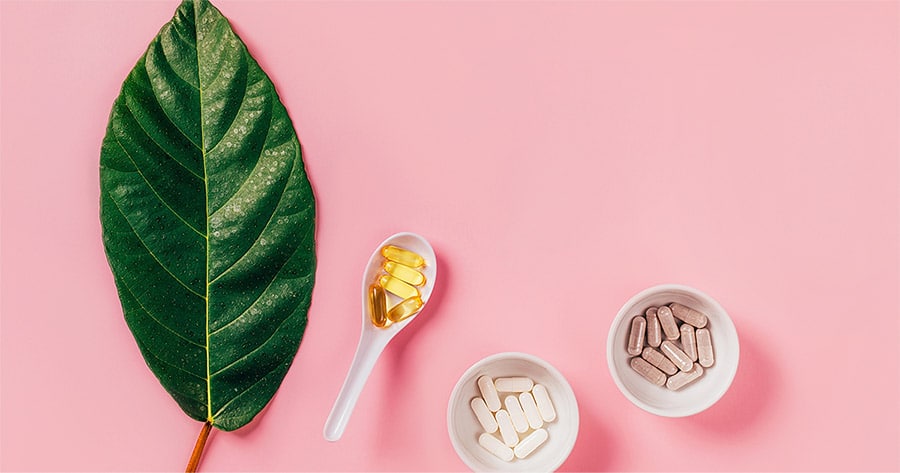
Berberine is a quaternary ammonium salt from the protoberberine group of benzylisoquinoline alkaloids. It is naturally occurring in the roots, rhizomes, and stems of various botanical species, most notably Coptis chinensis (Goldthread), Berberis aristata (Tree Turmeric), and Berberis vulgaris (Barberry). Historically, its application was primarily centered on its antimicrobial and anti-diarrheal properties. However, over the last two decades, Western clinical research has pivoted toward its metabolic benefits, particularly its ability to activate adenosine monophosphate-activated protein kinase (AMPK).
AMPK is often referred to as a "metabolic master switch." By activating this enzyme, berberine facilitates glucose uptake in muscle cells, inhibits hepatic glucose production, and promotes fatty acid oxidation. For women with PCOS, who frequently exhibit irregularities in the insulin signaling pathway, the activation of AMPK serves as a critical mechanism to bypass defective signaling and restore metabolic homeostasis.

A Chronology of Clinical Integration
The transition of berberine from a traditional herbal remedy to a recognized therapeutic agent for PCOS has followed a rigorous research timeline.
In the early 2000s, preliminary studies began identifying berberine’s glucose-lowering effects, often comparing its efficacy to metformin, the standard pharmaceutical intervention for type 2 diabetes and PCOS-related insulin resistance. By 2012, a landmark study published in the European Journal of Endocrinology demonstrated that berberine could achieve similar metabolic improvements to metformin while offering superior results in reducing waist circumference and improving lipid profiles.

In 2014, the Natural Medicine Journal highlighted a comparative study involving 100 women with PCOS. Participants were administered either berberine or metformin over a three-month period. The findings were significant: both groups showed improved ovulation rates, but the berberine cohort exhibited a marked increase in sex hormone-binding globulin (SHBG), a protein often suppressed in PCOS patients, leading to lower levels of circulating free androgens.
More recently, between 2019 and 2022, systematic reviews and meta-analyses, such as those published in Cureus and Nutrients, have solidified the evidence base. These studies confirm that berberine not only addresses glycemic control but also provides a multi-target approach to the syndrome’s cardiovascular and reproductive complications.

Mechanisms of Insulin Sensitization and Glucose Regulation
Insulin resistance is a primary driver of PCOS pathophysiology, affecting an estimated 70% of diagnosed women. When the body becomes resistant to insulin, the pancreas compensates by overproducing the hormone. Elevated insulin levels stimulate the ovarian theca cells to produce excess androgens, which in turn leads to hirsutism, acne, and ovulatory failure.
Berberine intervenes in this cycle by enhancing the expression of insulin receptors and increasing the activity of glucose transporter type 4 (GLUT4). Clinical data suggests that 12 weeks of berberine supplementation can significantly lower fasting plasma glucose and improve the Homeostatic Model Assessment for Insulin Resistance (HOMA-IR) scores. By lowering the insulin demand, berberine effectively reduces the stimulus for ovarian androgen production, addressing the root cause of many PCOS symptoms rather than merely suppressing the external manifestations.

Impact on Body Composition and Lipid Metabolism
Weight management is frequently cited as the most challenging aspect of PCOS management due to the metabolic "bottleneck" created by high insulin. Berberine has demonstrated a measurable impact on body mass index (BMI) and visceral adiposity.
In a clinical study involving 37 patients with metabolic syndrome, 12 weeks of berberine treatment resulted in an average BMI reduction from 31.5 to 27.4. This weight loss is attributed to berberine’s ability to inhibit adipogenesis (the formation of new fat cells) and increase energy expenditure. Unlike many traditional weight loss supplements, berberine targets visceral fat—the metabolically active fat surrounding internal organs—which is a known risk factor for cardiovascular disease and type 2 diabetes.

Furthermore, berberine’s effect on lipid metabolism is comparable to certain pharmaceutical interventions. Research indicates that it can lower low-density lipoprotein (LDL) cholesterol and triglycerides while elevating high-density lipoprotein (HDL) cholesterol. A study published in PubMed found berberine to be as effective as simvastatin in reducing LDL levels, making it a viable option for women with PCOS who are at an increased risk of dyslipidemia.
Reproductive Health and Fertility Enhancement
For many women with PCOS, infertility caused by anovulation is a primary concern. Berberine’s role in regulating the menstrual cycle is twofold: it improves metabolic health and directly influences the hormonal environment of the ovaries.

By increasing SHBG levels, berberine reduces the "free androgen index," allowing for a more favorable environment for follicular development. Studies have shown that berberine can improve ovulation rates and, notably, endometrial receptivity. This is a crucial factor for successful embryo implantation. In comparative trials with metformin, berberine showed equal or superior efficacy in preparing the uterine environment for pregnancy, without the high incidence of gastrointestinal side effects often associated with pharmaceutical insulin sensitizers.
Addressing Comorbidities: NAFLD and Mental Health
The implications of PCOS extend beyond the reproductive system, frequently involving the liver and psychological well-being. Non-Alcoholic Fatty Liver Disease (NAFLD) is four times more prevalent in women with PCOS than in the general population. Berberine has shown promise in treating NAFLD by reducing hepatic lipid accumulation and mitigating liver inflammation. By improving insulin sensitivity in the liver, berberine helps clear triglycerides and improves overall liver function markers.
Additionally, the psychological burden of PCOS, including high rates of anxiety and depression, is increasingly recognized. Emerging evidence suggests that berberine may have neuroprotective and mood-stabilizing effects. It is thought to influence the expression of neurotransmitters such as dopamine and serotonin, providing a holistic benefit that addresses both the physical and emotional challenges of the disorder.
Implications for Menopause and Long-Term Health
As women with PCOS transition into menopause, the decline in estrogen further exacerbates metabolic risks, increasing the likelihood of cardiovascular events and osteoporosis. Berberine’s role as an insulin sensitizer remains relevant in this life stage. Its ability to manage glucose and lipid levels helps mitigate the "metabolic shift" that occurs during the perimenopausal period, potentially reducing the risk of post-menopausal complications.

Clinical Guidelines: Dosage and Safety Profile
The standard clinical dosage of berberine for PCOS management is typically 500mg, administered two to three times daily, preferably with meals to minimize gastrointestinal discomfort. The hydrochloride (HCl) form of berberine is preferred by clinicians due to its superior bioavailability.
While berberine is generally considered safe for long-term use, it is not without potential side effects. The most common adverse reactions are gastrointestinal, including temporary constipation, diarrhea, or abdominal distension. These effects are often dose-dependent and can be managed by titrating the dosage or taking the supplement with food. It is also important to note that because berberine is a potent metabolic agent, it may interact with other medications, such as blood thinners or other glucose-lowering drugs, necessitating professional medical supervision.

Broader Impact and Future Outlook
The integration of berberine into mainstream PCOS treatment protocols represents a significant shift toward evidence-based natural medicine. For patients, it offers a therapeutic alternative that addresses the underlying insulin resistance and hormonal imbalance with a lower side-effect profile than some traditional medications.
From a public health perspective, the use of berberine could potentially reduce the long-term economic burden associated with PCOS complications, such as type 2 diabetes and heart disease. However, medical professionals emphasize that berberine should be viewed as a component of a comprehensive management plan that includes dietary modifications and regular physical activity.

In conclusion, berberine stands as a scientifically validated tool in the management of Polycystic Ovary Syndrome. Its multi-pathway approach—improving insulin sensitivity, reducing inflammation, balancing hormones, and aiding weight loss—makes it a uniquely effective intervention for a complex and multifaceted condition. As research continues to evolve, berberine is likely to remain a cornerstone of integrative endocrine health, providing hope and tangible health improvements for millions of women worldwide.
