
The ongoing COVID-19 pandemic, which began in late 2019 and significantly impacted global society throughout 2020, has profoundly altered daily life, presenting a multifaceted health crisis. Beyond the direct threat of the virus, the pandemic has exacerbated existing societal vulnerabilities and introduced new challenges, including disruptions to food access, significant income volatility for many households, and widespread emotional distress. In this context, maintaining a robust immune system and overall well-being has become a paramount concern. While direct evidence linking specific dietary components to reduced COVID-19 risk remains under investigation, a substantial body of research underscores the critical role of a healthy lifestyle in bolstering immune function and promoting long-term health.
Harnessing the power of five key healthy habits—consuming a nutritious diet, engaging in regular physical activity, maintaining a healthy body weight, moderating alcohol consumption, and abstaining from smoking—has been shown to significantly extend lifespan. A landmark study published by Harvard T.H. Chan School of Public Health revealed that individuals who adhere to these five lifestyle pillars can expect to live more than a decade longer than their counterparts who do not. Furthermore, the benefits extend beyond mere longevity, as research indicates that adopting these habits in middle age can also lead to a greater number of years lived free from chronic diseases. These debilitating conditions include type 2 diabetes, cardiovascular diseases, and various forms of cancer, underscoring the profound impact of lifestyle choices on quality of life.
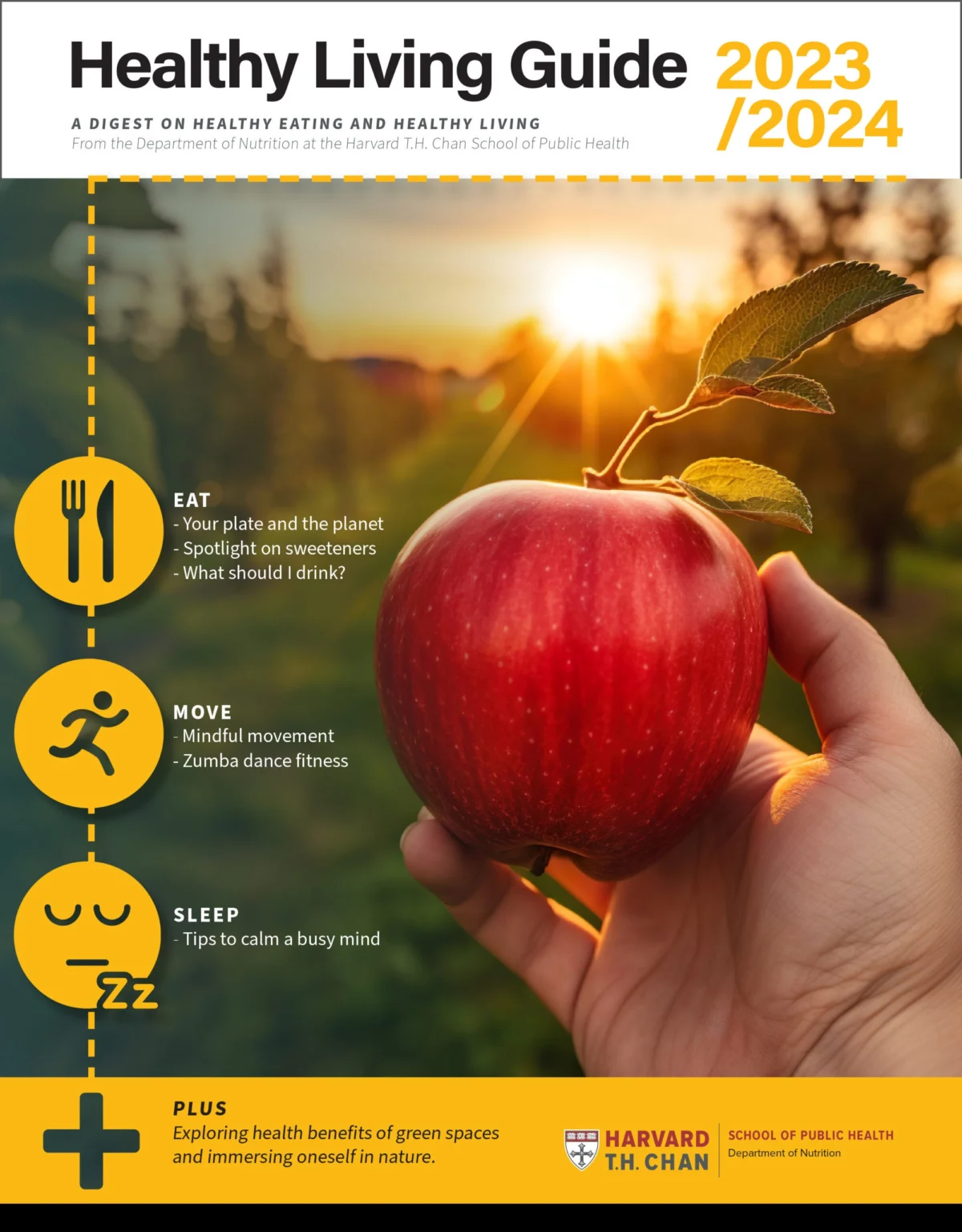
The Harvard Nutrition Source, a leading authority on nutritional science and public health, has released a comprehensive "Healthy Living Guide" designed to provide actionable strategies and practical tips for individuals striving to incorporate these vital habits into their lives, particularly during these unprecedented times. This initiative aims to empower individuals with the knowledge and tools necessary to navigate the challenges of the pandemic while prioritizing their health. The guide, available as a downloadable PDF, offers printable tip sheets and summaries, complementing its full online articles accessible through linked resources.
The COVID-19 Context: A Catalyst for Health Awareness
The emergence of SARS-CoV-2 in late 2019 and its rapid global spread into a full-blown pandemic in early 2020 created an unprecedented public health emergency. Governments worldwide implemented stringent containment measures, including lockdowns, social distancing mandates, and travel restrictions, fundamentally altering economic activity and social interactions. These measures, while necessary to curb viral transmission, had significant ripple effects on public health. Food supply chains faced disruptions, leading to concerns about availability and affordability of nutritious food for vulnerable populations. Simultaneously, widespread job losses and economic uncertainty contributed to increased stress, anxiety, and depression, impacting mental well-being.
In this environment, the importance of a resilient immune system became acutely apparent. While the scientific community rapidly investigated potential treatments and preventative measures for COVID-19, attention also turned to established public health strategies that could bolster individual health and reduce the risk of severe outcomes from infections. The Harvard Nutrition Source’s emphasis on healthy eating and living is particularly relevant in this context, offering a scientifically grounded approach to improving overall health resilience.
The Science of Longevity and Disease Prevention: Five Pillars of Well-being
The foundational research underpinning the "Healthy Living Guide" highlights the remarkable impact of a few key lifestyle choices on healthspan and lifespan. These five habits, consistently identified through decades of epidemiological studies, form the bedrock of preventative medicine:
- Healthy Diet: A diet rich in fruits, vegetables, whole grains, lean proteins, and healthy fats provides the essential nutrients, antioxidants, and anti-inflammatory compounds that support immune function and cellular repair. Conversely, diets high in processed foods, saturated fats, and added sugars can contribute to chronic inflammation and increase susceptibility to disease.
- Regular Physical Activity: Exercise is crucial for maintaining cardiovascular health, managing weight, improving mood, and enhancing immune cell function. Recommendations from organizations like the World Health Organization (WHO) suggest at least 150 minutes of moderate-intensity aerobic activity or 75 minutes of vigorous-intensity activity per week, along with muscle-strengthening activities at least two days a week.
- Healthy Body Weight: Maintaining a body mass index (BMI) within a healthy range (typically 18.5 to 24.9) is associated with a lower risk of numerous chronic diseases, including heart disease, stroke, type 2 diabetes, and certain cancers. Obesity can lead to chronic inflammation and impaired immune responses.
- Moderate Alcohol Consumption: Excessive alcohol intake is linked to a wide array of health problems, including liver disease, cardiovascular disease, and certain cancers. Guidelines from health authorities generally recommend limiting alcohol consumption to no more than one drink per day for women and no more than two drinks per day for men.
- Not Smoking: Smoking is a leading preventable cause of death and disease worldwide. It damages nearly every organ in the body and significantly increases the risk of lung cancer, heart disease, stroke, and respiratory illnesses.
Quantifying the Impact: Data on Longevity and Disease-Free Years
The long-term benefits of adopting these five healthy habits are substantial and well-documented. Studies, such as those analyzed by the Harvard T.H. Chan School of Public Health, provide compelling quantitative evidence:
- Increased Lifespan: Individuals who adhere to all five healthy lifestyle factors have been shown to live, on average, over 10 years longer than those who do not. This significant increase in life expectancy translates to more years of life and potentially more years of productive and fulfilling engagement.
- Extended Disease-Free Years: Perhaps even more impactful than increased lifespan is the increase in healthspan—the period of life spent in good health. Research indicates that adults who cultivate these five healthy habits in middle age can expect to live more years free from major chronic diseases. This includes a reduced incidence and delayed onset of conditions such as:
- Type 2 Diabetes: Lifestyle interventions, including diet and exercise, are central to both the prevention and management of type 2 diabetes, a metabolic disorder characterized by high blood sugar levels.
- Cardiovascular Disease: Heart disease and stroke, the leading causes of death globally, are strongly influenced by diet, exercise, weight, and smoking status. Adopting healthy habits significantly lowers the risk factors associated with these conditions.
- Cancer: While cancer is complex, a healthy lifestyle plays a crucial role in reducing the risk of several common cancers, including colorectal, breast, and lung cancers. Factors like diet, physical activity, and avoiding tobacco are well-established protective measures.
These findings underscore that healthy living is not merely about adding years to life, but about adding life to years, ensuring a higher quality of life with fewer debilitating health issues.
The "Healthy Living Guide": Empowering Individuals in Uncertain Times
Recognizing the challenges many face in adopting and maintaining healthy habits, especially during times of crisis, the Harvard Nutrition Source developed its "Healthy Living Guide." This resource is crafted with a pragmatic approach, offering practical tips and strategies that are accessible and adaptable. The guide’s purpose is to serve as a supportive tool, encouraging individuals to do what they can, within their circumstances, to foster a healthier lifestyle.
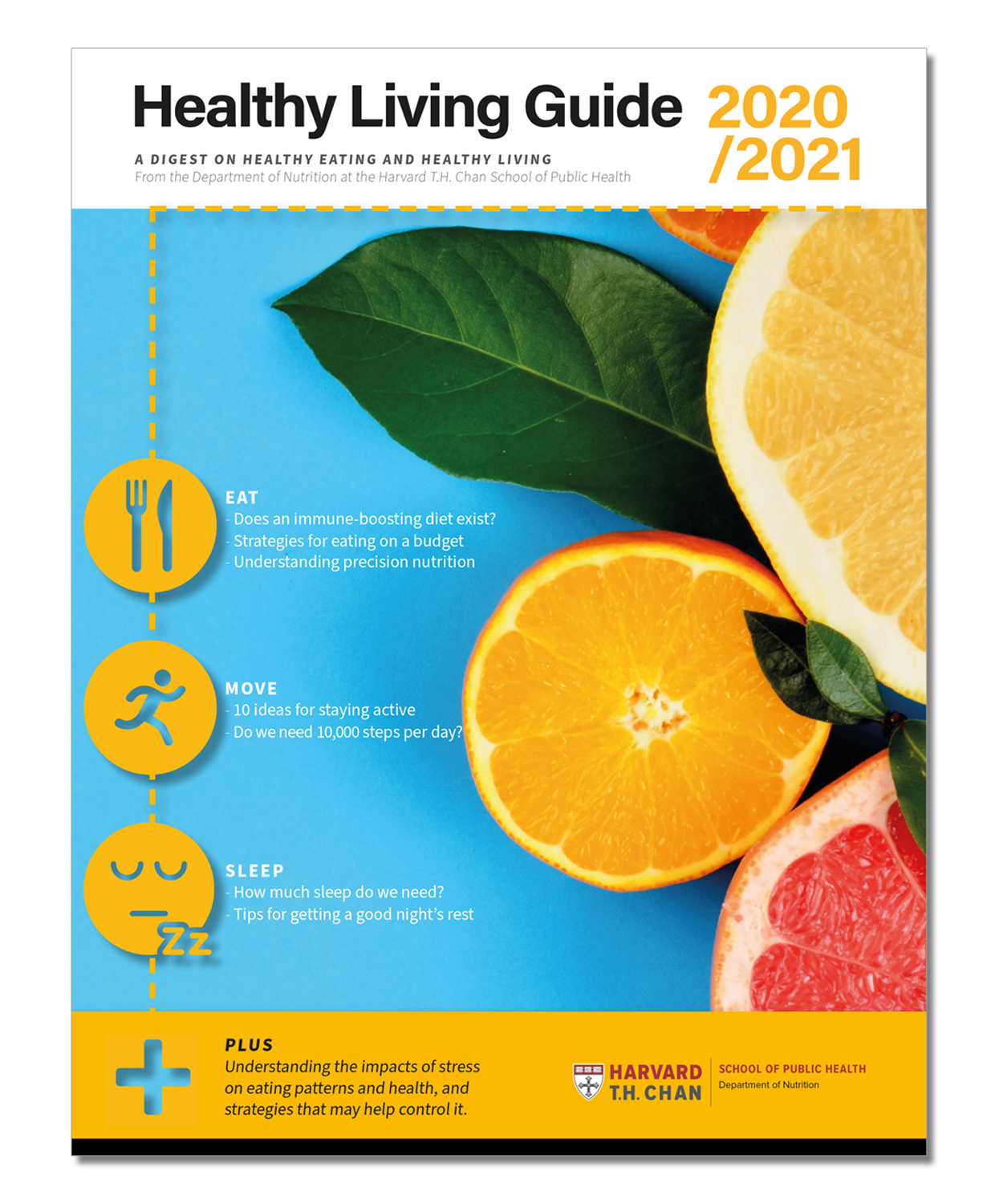
The guide’s release in early 2021 was particularly timely, as the world continued to grapple with the societal and personal impacts of the COVID-19 pandemic. The intention is to provide a sense of agency and control over one’s health, even amidst widespread uncertainty. The guide encourages exploration and discovery, suggesting that embracing new healthy habits can also be a source of enjoyment, whether through trying a new nutritious recipe, discovering a new form of exercise, or engaging in a fulfilling hobby that supports overall well-being.
Accessing the Guide and Its Contents
The "Healthy Living Guide" is made available in a user-friendly format. A downloadable PDF version offers a convenient way for individuals to access printable tip sheets and concise summaries of key information. This format is ideal for offline use, allowing individuals to easily refer to the material without constant internet access. For those seeking more in-depth information, the guide also provides links to comprehensive online articles that delve deeper into the scientific evidence and practical applications of healthy eating and living principles.
The "Healthy Living Guide" is structured to provide a breadth of information, covering various aspects of healthy living. While the provided excerpt does not detail the specific contents of each section, the initiative typically includes topics such as:
- Nutritional Guidance: Recommendations on balanced diets, food groups, portion control, and healthy cooking methods.
- Physical Activity Recommendations: Advice on different types of exercise, incorporating movement into daily routines, and setting achievable fitness goals.
- Weight Management Strategies: Evidence-based approaches to achieving and maintaining a healthy weight.
- Alcohol and Smoking Cessation Resources: Information on the risks associated with these behaviors and resources for quitting.
- Stress Management and Mental Well-being: Tips for coping with stress, improving sleep, and fostering positive mental health.
The "Healthy Living Bingo Challenge"
Illustrating the guide’s commitment to making healthy living engaging and accessible, the accompanying image depicts a "Healthy Living Bingo Challenge." This gamified approach is a creative way to encourage participation and track progress in adopting healthy habits. A bingo card typically features squares with various healthy activities, such as "Eat 5 servings of fruits and vegetables," "Go for a 30-minute walk," "Drink 8 glasses of water," or "Try a new healthy recipe." Players aim to complete a row, column, or diagonal by engaging in these activities.
This initiative reflects an understanding that sustained behavioral change often requires motivation, accountability, and a sense of accomplishment. The bingo challenge serves as a tangible tool for self-monitoring and celebrates small victories, making the journey towards a healthier lifestyle more enjoyable and less daunting. Such challenges can be undertaken individually or as part of a group, fostering a sense of community and shared progress.
Broader Implications and Future Directions
The "Healthy Living Guide" from the Harvard Nutrition Source represents a significant contribution to public health education. In an era marked by information overload and competing health narratives, resources that offer clear, evidence-based guidance are invaluable. The emphasis on five core lifestyle habits provides a clear and actionable framework that individuals can readily adopt.
The implications of widespread adoption of these habits are far-reaching. On an individual level, it means improved quality of life, reduced burden of chronic disease, and greater longevity. On a societal level, it translates to a healthier population, reduced healthcare costs, and increased productivity. As the world continues to navigate the long-term consequences of the pandemic and address emerging health challenges, the principles of healthy eating and healthy living will remain central to building resilient communities and promoting overall well-being.
The ongoing research and dissemination of such information by institutions like Harvard are critical for empowering individuals and shaping public health policy. The "Healthy Living Guide" serves as a beacon of evidence-based wisdom, offering practical pathways towards a healthier future for all. Its availability in both downloadable and online formats ensures broad accessibility, catering to diverse needs and preferences in an increasingly digital world. The initiative underscores the enduring power of fundamental health principles in navigating complex health landscapes and fostering a culture of proactive well-being.
