
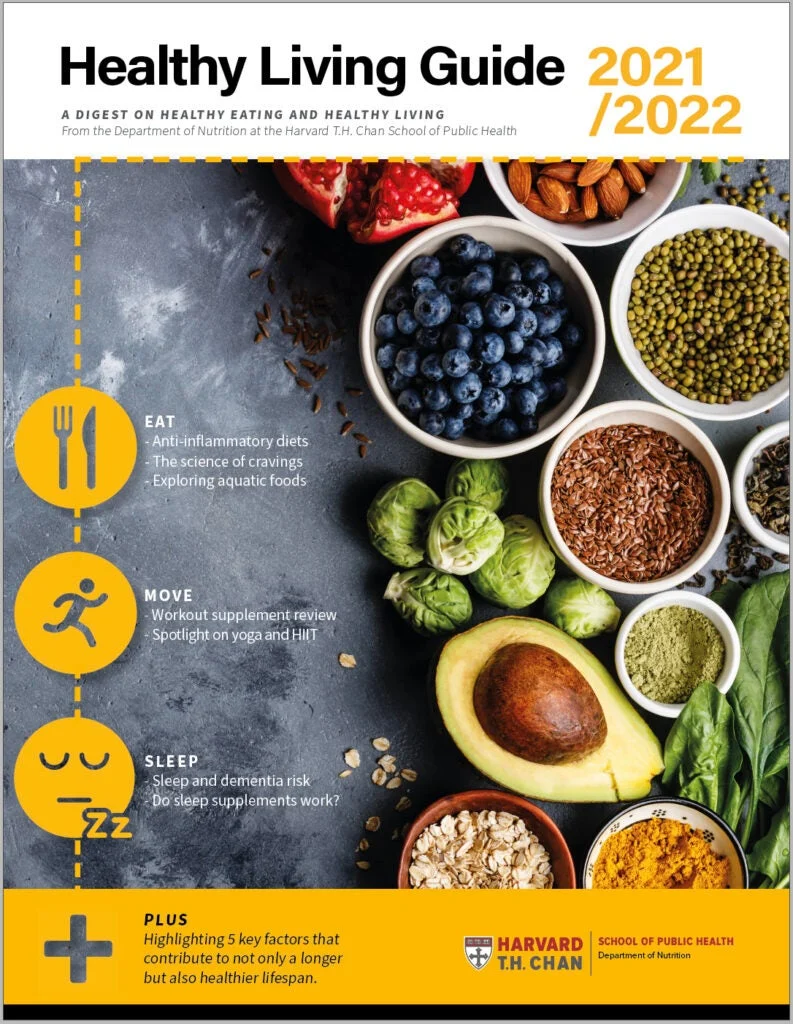
The year 2021 presented a complex landscape for personal health and well-being, as individuals continued to navigate the evolving realities of the COVID-19 pandemic. While some pre-pandemic routines began to resurface, many also integrated new habits and hobbies adopted during the widespread lockdowns of 2020. This dynamic environment significantly influenced dietary patterns and lifestyle choices across the United States, with notable shifts observed in consumer behavior related to food consumption and preparation. A comprehensive U.S. consumer survey conducted in 2021 revealed a discernible decrease in certain behaviors that had surged during the initial phases of the pandemic. Specifically, the proportion of Americans reporting increased snacking habits dropped from 32% in 2020 to 18% in 2021. Similarly, the percentage of individuals stating they were "eating more in general" declined from 20% in 2020 to 11% in the following year. This suggests a partial return to pre-pandemic eating norms, potentially driven by the resumption of work, school, and social activities outside the home.
However, the same survey also highlighted a concurrent decrease in home cooking, with only 47% of consumers reporting cooking at home in 2021, a notable drop from 60% in 2020. This trend could be attributed to increased dining out opportunities or a greater reliance on convenience foods as daily schedules became more demanding. Beyond these shifts in dietary habits, the survey underscored persistent and significant disparities in food security, indicating that the pandemic’s economic repercussions continued to disproportionately affect vulnerable populations. These findings paint a picture of a society still grappling with the aftershocks of a global health crisis, where individual choices and systemic challenges intersect.
The ongoing presence of COVID-19, coupled with the emergence of new variants, serves as a stark reminder of the critical need for widespread global vaccination efforts. This is particularly urgent in low- and lower-middle-income countries, where access to vaccines and healthcare resources remains a significant hurdle. As communities worldwide continue to adapt to the pandemic’s enduring impacts, a renewed focus on fostering healthy behaviors remains paramount. In this context, the "Healthy Living Guide" aims to provide practical, research-backed insights to support individuals in their pursuit of well-being. This year’s edition revisits fundamental pillars of a healthy lifestyle: balanced nutrition, regular physical activity, and adequate sleep. It features curated research highlights and in-depth explorations of popular nutrition and lifestyle topics, offering valuable resources for the year ahead. The guide encourages readers to integrate these healthy practices into their daily routines, fostering resilience and promoting long-term health.
Evolving Dietary Landscape Amidst Pandemic Recovery
The period spanning 2020 and 2021 witnessed a significant recalibration of American dietary habits. The initial surge in home cooking, a direct consequence of lockdowns and increased time spent at home, began to wane as life gradually resumed a semblance of normalcy. Data from the International Food Information Council (IFIC) Foundation’s 2021 Food and Health Survey provides crucial insights into these evolving patterns. The survey, which polled over 1,000 U.S. consumers, indicated a substantial decrease in the percentage of individuals who reported snacking more frequently. In 2020, 32% of respondents indicated an increase in snacking, a figure that dropped to 18% in 2021. This suggests a potential reduction in the opportunities or perceived need for frequent snacking, which may be linked to less time spent in sedentary home environments and more structured daily routines.
Furthermore, the survey revealed a similar decline in the overall increase of food consumption. In 2020, 20% of consumers reported eating more in general, a sentiment shared by only 11% of respondents in 2021. This moderation in overall intake could reflect a return to pre-pandemic eating schedules and portion sizes, as well as a greater awareness of the health implications of overconsumption. However, the trend of reduced home cooking is a significant counterpoint. The percentage of Americans cooking at home decreased from 60% in 2020 to 47% in 2021. This decline could be attributed to a variety of factors, including the reopening of restaurants and other food service establishments, increased commuting times, and a potential fatigue with the demands of meal preparation after an extended period of intense home-based cooking. This shift may have implications for the nutritional quality of diets, as home-cooked meals often allow for greater control over ingredients and portion sizes compared to restaurant or convenience food options.
The IFIC survey also brought to light ongoing concerns regarding food security, with significant disparities persisting. While the exact figures are not detailed in the provided context, the mention of "significant disparities in food security" underscores the uneven impact of the pandemic on different socioeconomic groups. This issue remains a critical public health concern, as access to nutritious food is a fundamental determinant of overall health and well-being. For individuals facing food insecurity, the challenges of maintaining a healthy diet are compounded by financial constraints and limited access to resources.
The Global Imperative for Vaccination and Health Equity
The persistence of the COVID-19 pandemic, marked by the emergence of new and potentially more transmissible variants, continues to underscore the global imperative for widespread vaccination. Health organizations worldwide have consistently emphasized that achieving herd immunity and mitigating the severity of the virus hinges on equitable vaccine distribution and uptake. The uneven distribution of vaccines, with higher-income nations securing a disproportionately large share, has created significant disparities in protection, particularly for low- and lower-middle-income countries. This situation not only prolongs the pandemic for these regions but also increases the risk of new variant emergence, which can then spread globally.
The World Health Organization (WHO) and other public health bodies have repeatedly called for increased international cooperation and financial support to ensure equitable access to vaccines, diagnostics, and therapeutics. The development and rollout of vaccines have been a monumental scientific achievement, but their full potential to end the pandemic can only be realized through global solidarity. Failure to address vaccine inequity risks prolonging the economic and social disruptions caused by the virus, hindering global recovery efforts, and exacerbating existing health disparities. The scientific community continues to monitor the evolution of the virus, with ongoing research focused on understanding the efficacy of current vaccines against new variants and developing updated formulations if necessary. This dynamic landscape necessitates a continued commitment to public health measures, including vaccination, alongside efforts to bolster healthcare systems worldwide.
Rekindling Healthy Habits: A Focus on Nutrition, Activity, and Sleep
As individuals navigate the post-lockdown era, the "Healthy Living Guide" serves as a timely resource, encouraging a proactive approach to well-being by revisiting the foundational elements of a healthy lifestyle: balanced eating, physical activity, and sufficient sleep. This year’s edition reiterates the importance of these interconnected pillars, offering updated research and practical advice.
Nutrition: The guide emphasizes the principles of balanced nutrition, likely drawing upon established dietary guidelines that promote the consumption of a variety of nutrient-dense foods. This typically includes an emphasis on fruits, vegetables, whole grains, lean proteins, and healthy fats, while advocating for limited intake of processed foods, added sugars, and saturated fats. The evolving dietary trends observed in 2021, particularly the decrease in home cooking, highlight the continued relevance of providing accessible and actionable advice on making healthier food choices, whether preparing meals at home or dining out. Research often points to the long-term benefits of a nutrient-rich diet in preventing chronic diseases such as heart disease, type 2 diabetes, and certain cancers, as well as supporting mental well-being and immune function.
Physical Activity: Regular physical activity is presented as a cornerstone of a healthy lifestyle, offering a wide range of physical and mental health benefits. Guidelines typically recommend a combination of aerobic exercise and strength training to improve cardiovascular health, maintain a healthy weight, enhance muscle and bone strength, and reduce the risk of chronic diseases. The pandemic’s impact on physical activity levels has been varied, with some individuals embracing new forms of exercise while others faced barriers to staying active. The guide likely offers strategies for incorporating movement into daily routines, regardless of individual circumstances, emphasizing the importance of consistency and finding enjoyable activities. Studies consistently demonstrate that regular physical activity can significantly improve mood, reduce stress and anxiety, and enhance cognitive function.
Sleep: Adequate and quality sleep is recognized as a critical, yet often overlooked, component of overall health. The guide likely delves into the importance of sleep for physical restoration, cognitive function, emotional regulation, and immune health. Recommendations often include establishing consistent sleep schedules, creating a conducive sleep environment, and practicing good sleep hygiene. Chronic sleep deprivation has been linked to a host of negative health outcomes, including increased risk of obesity, diabetes, cardiovascular disease, and impaired immune response. As individuals adapt to new routines and potential stressors, prioritizing sleep becomes even more crucial for maintaining resilience and well-being.
Looking Ahead: A Path to a Healthier 2022
The "Healthy Living Guide" serves as more than just a collection of tips; it represents a commitment to empowering individuals with the knowledge and tools necessary to make informed decisions about their health. By revisiting core themes and incorporating current research, the guide aims to provide a roadmap for cultivating healthier habits in the face of ongoing global challenges. The invitation to download a printable version, complete with tip sheets and summaries, underscores a practical approach to disseminating health information. This accessibility is crucial for ensuring that the guidance reaches a broad audience and can be readily integrated into daily life.
The inclusion of a "Test your healthy living knowledge" section, with a prompt to refer to the previous year’s guide for answers, encourages active engagement and reinforces learning. This interactive element acknowledges that healthy living is an ongoing journey of education and practice. The overarching message conveyed by the guide is one of sustained effort and personalized adaptation. While the pandemic has introduced unprecedented challenges, it has also highlighted the fundamental importance of individual health and collective well-being. By focusing on nutrition, physical activity, and sleep, individuals can build a stronger foundation for resilience, enabling them to navigate future uncertainties with greater health and vitality. The guide’s closing wish for a "very healthy and fulfilling 2022" encapsulates the optimistic outlook and the proactive stance advocated throughout its content.
