
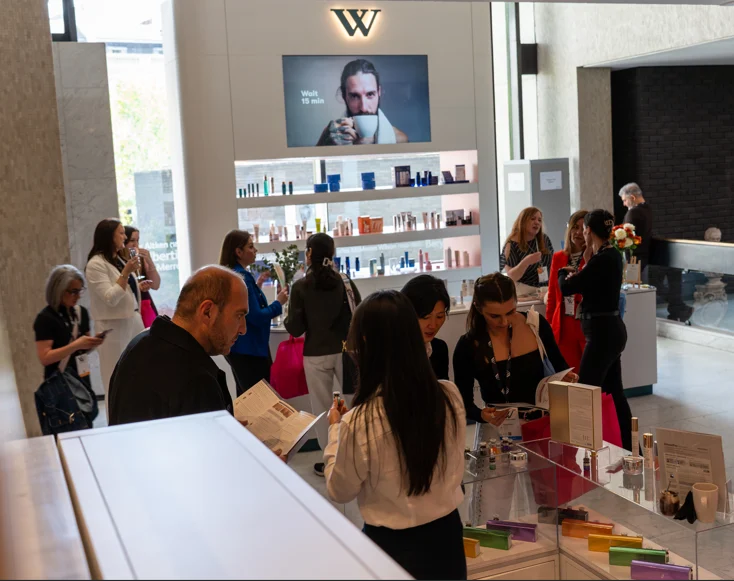
The UK aesthetics sector reached a significant milestone this April as Wigmore Medical hosted its annual flagship event, Wigmore Presents 2026, at the historic Royal College of Physicians in London. From April 17 to April 19, the symposium served as a central hub for clinical education, technological showcases, and professional networking, drawing a record number of practitioners, researchers, and industry stakeholders. Against a backdrop of increasing regulatory scrutiny and rapid technological evolution within the British aesthetic market, the event aimed to bridge the gap between foundational medical science and cutting-edge commercial innovation. The three-day itinerary provided a granular look at the future of the industry, emphasizing regenerative medicine, advanced topical skincare, and the critical importance of anatomical precision in clinical practice.
A Strategic Hub for the UK Aesthetics Market
Wigmore Medical, a cornerstone of the UK’s aesthetic distribution and education landscape for over three decades, designed the 2026 edition of Wigmore Presents to address the multifaceted needs of a modern practitioner. The choice of the Royal College of Physicians (RCP) as the venue underscored the event’s commitment to medical rigor. As the aesthetics industry continues to move toward a more clinical and regulated framework in the United Kingdom, the setting provided a symbolic link between traditional medicine and the burgeoning field of medical aesthetics.
The 2026 symposium arrived at a pivotal time for the industry. According to market data from the British College of Aesthetic Medicine (BCAM) and various industry analysts, the UK non-surgical aesthetic market is estimated to be worth over £3.6 billion, with a projected annual growth rate of approximately 8%. This growth is increasingly driven by a shift in consumer demand away from over-filled, artificial looks toward "regenerative" results—treatments that improve skin quality and biological function rather than just adding volume. Wigmore Presents 2026 was structured specifically to reflect this paradigm shift.
Friday: The Dawn of the Regenerative Era
The symposium commenced on Friday, April 17, with a dedicated full-day masterclass that focused on one of the most significant trends in modern medicine: regenerative aesthetics and its intersection with longevity. This session was designed to move beyond the surface level of aesthetic treatments, exploring how cellular health influences visible aging.
Professor Anton Enright, a leading figure in genomic biology, provided a keynote address that explored the epigenetic factors influencing skin aging. By understanding how external factors like UV exposure, pollution, and lifestyle choices affect gene expression, practitioners were encouraged to view aesthetic medicine as a component of broader preventative healthcare. This was complemented by insights from Dr. Brandon Brock and Dr. Lauren Jamieson, who discussed the clinical application of regenerative tools such as polynucleotides and exosomes.
The Friday sessions highlighted a growing consensus in the medical community: that the future of the industry lies in "biostimulation." This involves using products that signal the body’s own cells to produce collagen, elastin, and hyaluronic acid. The masterclass provided delegates with a roadmap for integrating these treatments into their existing portfolios, emphasizing that "quality of life" and "longevity" are now as central to the patient consultation as the treatment of fine lines and wrinkles.
Saturday: Innovation in Topical Skincare and Brand Evolution
On Saturday, April 18, the focus shifted toward the science of topical interventions and the official launch of new therapeutic products. The day was headlined by the IMAGE Skincare Innovation Seminar, a session that brought together the brand’s top leadership and clinical experts.
Mr. Marc Ronert, a board-certified plastic and reconstructive surgeon and founder of IMAGE Skincare, joined co-founder Janna Ronert and aesthetic practitioner Dr. Hazel Parkinson to lead a deep dive into the brand’s latest research and development. The centerpiece of the seminar was the exploration of VOL.U.LIFT, a topical innovation designed to support skin volume through non-invasive means. The discussion centered on the "science of delivery," explaining how modern formulations can penetrate the skin barrier more effectively to provide measurable results.
In a move that drew significant attention from the gathered delegates, IMAGE Skincare officially launched three new products during the event:
- Biotech Longevity Crème: A high-performance moisturizer utilizing plant-derived stem cells and peptides to target the biological markers of aging.
- Gentle Cleansing Balm: A formula designed for post-procedure skin, emphasizing the importance of maintaining the skin’s acid mantle during recovery.
- Barrier Repair Recovery Balm: A specialized product aimed at the growing "skin barrier health" market, designed to soothe inflammation and accelerate healing after clinical treatments like chemical peels or microneedling.
The Saturday sessions were not solely academic. Recognizing the importance of community in a competitive market, Wigmore Medical hosted a 90s-themed networking party on Saturday evening. This event allowed practitioners, exhibitors, and partners to connect in an informal setting, fostering the professional relationships that often serve as the backbone of the industry’s referral and support networks.
Sunday: Clinical Precision and the Anatomy Masterclass
The final day of the symposium, Sunday, April 19, featured a diverse four-track agenda designed to cater to specific specialisms within the field. The tracks covered injectables, advanced skincare, general innovations, and a collaborative meeting between Wigmore Presents and the British Association of Medical Aesthetic Nurses (BAMAN).
The BAMAN x Wigmore Presents meeting was particularly significant. As the UK government moves closer to implementing a licensing scheme for non-surgical cosmetic procedures, the role of professional bodies in setting standards has never been more critical. The discussions focused on patient safety, the importance of continuous professional development (CPD), and the necessity of medical oversight in aesthetic clinics.
However, the undisputed highlight of the Sunday program was the afternoon anatomy masterclass. For healthcare professionals, a deep understanding of facial anatomy is the primary defense against clinical complications. The session featured a hybrid presentation model, with the world-renowned Professor Sebastian Cotofana joining via a high-definition video link to provide detailed anatomical demonstrations.
On-site, the masterclass was supported by Mr. James Olding, an oral and maxillofacial surgery registrar, and Dr. David Eccleston, an experienced aesthetic and general practitioner. The session focused on "danger zones"—areas of the face where vascular compromise is most likely to occur during filler injections. By combining live commentary with detailed visual aids, the masterclass provided practitioners with a refined understanding of the underlying structures they navigate daily, reinforcing the symposium’s core message of safety and excellence.
Leadership Perspectives and Future Outlook
Reflecting on the success of the three-day event, Raffi Eghiayan, CEO of Wigmore Medical, expressed a sense of accomplishment regarding the event’s evolution and its role in the UK market.
"We are incredibly proud of the event’s continued growth," Eghiayan stated. "Wigmore Presents offers a valuable platform for delegates to connect with both new and longstanding specialty peers, experience best-in-class educational content, and discover the exceptional brands that we represent within the aesthetics market. Our goal has always been to provide more than just a trade show; we want to provide a comprehensive educational ecosystem."
Eghiayan also hinted at the future trajectory of the event, noting the company’s intention to return in 2027 with an "even more ambitious programme." This commitment to expansion reflects a broader trend in the industry where high-level education is becoming a primary differentiator for practitioners looking to stand out in a saturated market.
Analysis: Implications for the UK Aesthetic Landscape
The success of Wigmore Presents 2026 signals several key shifts in the UK’s aesthetic industry:
- The Professionalization of Aesthetics: The heavy emphasis on anatomy, regenerative medicine, and collaboration with bodies like BAMAN suggests that the industry is successfully self-regulating ahead of potential government legislation. By prioritizing medical education over pure sales, events like this help elevate the reputation of the sector.
- The Rise of Longevity Medicine: The focus on "longevity" and "biotech" indicates that the line between beauty and wellness is blurring. Patients are no longer just looking for a quick fix; they are looking for long-term skin health strategies that align with their overall biological well-being.
- Technological Integration in Education: The use of remote video links for specialists like Professor Cotofana demonstrates how technology is being used to bring global expertise to local audiences, ensuring that UK practitioners remain at the forefront of international best practices.
- Market Resilience: Despite economic fluctuations, the high attendance and active participation at the symposium suggest that the demand for aesthetic services—and the education required to provide them—remains robust.
As the delegates departed the Royal College of Physicians, the consensus among attendees was one of optimism. By combining the heritage of medical science with the rapid innovation of the commercial beauty sector, Wigmore Presents 2026 has set a high benchmark for aesthetic education in the UK, reinforcing the necessity of clinical excellence in an ever-evolving field.
