

Polycystic Ovary Syndrome (PCOS) remains one of the most prevalent endocrine disorders among women of reproductive age, affecting approximately 8% to 13% of the global population. Characterized by hormonal imbalances, ovulatory dysfunction, and metabolic complications, the syndrome requires a multifaceted management approach where nutrition plays a central role. Recent clinical inquiries and nutritional research have highlighted the Mediterranean diet—a dietary pattern rich in plant-based foods, healthy fats, and lean proteins—as a potent intervention for mitigating the systemic symptoms of PCOS. While direct longitudinal studies specifically focusing on the intersection of PCOS and Mediterranean nutrition have historically been limited, a growing body of evidence from the fields of endocrinology and gynecology suggests that this eating pattern addresses the core pathologies of the syndrome, including chronic inflammation, insulin resistance, and hyperandrogenism.
The Evolution of Nutritional Intervention in PCOS Management
The understanding of PCOS has shifted significantly over the last three decades. In the 1990s, clinical focus was primarily on reproductive outcomes and the management of hirsutism. However, the discovery of the profound link between PCOS and insulin resistance revolutionized the therapeutic landscape. This shift placed dietary management at the forefront of clinical guidelines. By the early 2000s, the medical community began to recognize that PCOS was not merely a localized ovarian issue but a systemic metabolic condition.
The Mediterranean diet, traditionally associated with the olive-growing regions of Greece, Italy, and Spain, emerged as a gold standard for cardiovascular health. Its application to PCOS followed the realization that women with the syndrome share many of the same metabolic markers as those with metabolic syndrome, including high blood pressure, elevated fasting glucose, and abdominal obesity. Current clinical consensus now views the Mediterranean diet not as a restrictive "weight loss" plan, but as a sustainable lifestyle intervention that targets the underlying physiological drivers of PCOS symptoms.
Addressing the Core Pathologies: Insulin Resistance and Metabolic Health
Insulin resistance is a cornerstone of PCOS, affecting between 50% and 70% of diagnosed women regardless of their Body Mass Index (BMI). This condition occurs when cells in the muscles, fat, and liver do not respond properly to insulin and cannot easily take up glucose from the blood. As a result, the pancreas produces more insulin to help glucose enter the cells, leading to hyperinsulinemia. High levels of insulin are particularly problematic in PCOS because they stimulate the ovaries to produce excess androgens, such as testosterone, which interfere with ovulation and cause skin issues.
The Mediterranean diet is uniquely structured to combat this cycle. By prioritizing low-glycemic index (GI) carbohydrates—such as whole grains, legumes, and fibrous vegetables—the diet prevents the rapid glucose spikes that trigger excessive insulin secretion. Research published in Nutrients indicates that adherence to a Mediterranean-style eating plan improves fasting insulin levels and enhances insulin sensitivity. This metabolic stabilization is comparable to the effects of common pharmacological interventions like Metformin or the supplement Inositol, providing a natural avenue for managing blood sugar levels and reducing the long-term risk of Type 2 Diabetes.
Combatting Chronic Low-Grade Inflammation
Clinical research has consistently shown that women with PCOS exhibit markers of chronic low-grade inflammation, such as elevated C-reactive protein (CRP) and white blood cell counts. This systemic inflammation is both a result of and a contributor to the syndrome’s symptoms, creating a feedback loop that worsens insulin resistance and hormonal imbalances.
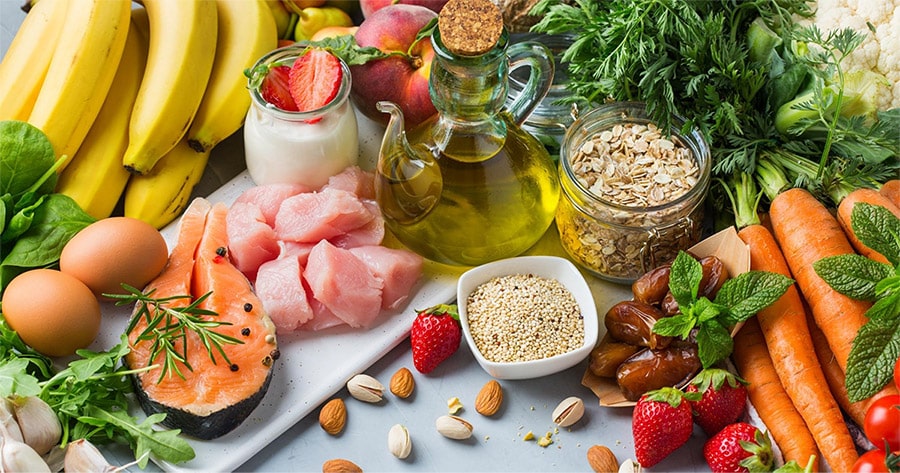
The Mediterranean diet is inherently anti-inflammatory. Its heavy reliance on extra virgin olive oil, nuts, and fatty fish provides a high intake of monounsaturated fatty acids (MUFAs) and Omega-3 polyunsaturated fatty acids. These healthy fats are known to inhibit the production of pro-inflammatory cytokines. A 2014 study published in Endocrine, Metabolic & Immune Disorders – Drug Targets confirmed that the immune-protective effects of the Mediterranean diet help reduce systemic inflammation. By lowering the inflammatory load on the body, patients often report a reduction in PCOS-related fatigue, joint pain, and skin flare-ups.
Hormonal Regulation and the Reduction of Testosterone
Hyperandrogenism, or the presence of excess male hormones, is responsible for some of the most distressing symptoms of PCOS, including acne, hirsutism (excess hair growth), and androgenic alopecia (hair thinning). The Mediterranean diet’s emphasis on healthy oils and Omega-3s has a direct impact on these hormonal markers.
Data suggests that high intakes of Omega-3 fatty acids help to lower circulating testosterone levels in women with PCOS. A study published in Nutrients in 2019 found that women who did not adhere to a Mediterranean diet tended to have significantly higher testosterone levels and higher body fat percentages. By replacing saturated fats and refined sugars with the nutrient-dense components of the Mediterranean diet, women can naturally modulate their androgen production, leading to clearer skin and reduced hair-related symptoms over time.
Reproductive Health and Fertility Outcomes
PCOS is a leading cause of ovulatory infertility. The hormonal disruptions associated with the syndrome often lead to irregular menstrual cycles and poor egg quality. However, nutritional quality has been proven to be a decisive factor in reproductive success.
A landmark study published in Human Reproduction analyzed the impact of the Mediterranean diet on women undergoing fertility treatments. The findings revealed that those with high adherence to the diet had a 65-68% greater likelihood of achieving a successful pregnancy and live birth compared to those with low adherence. The high concentration of antioxidants found in fresh fruits and vegetables, such as vitamins C and E, selenium, and zinc, helps to protect oocytes (eggs) from oxidative stress. Furthermore, the diet’s benefits extend to male fertility, with research suggesting that the same dietary patterns improve semen quality, making it a vital strategy for couples attempting to conceive.
Gut Health and the Microbiome-PCOS Connection
Emerging research in the last five years has highlighted the "gut-gonad axis," suggesting that the health of the gut microbiome influences hormonal balance. Women with PCOS frequently exhibit "dysbiosis," or a lack of diversity in their gut bacteria, which can contribute to increased intestinal permeability and inflammation.
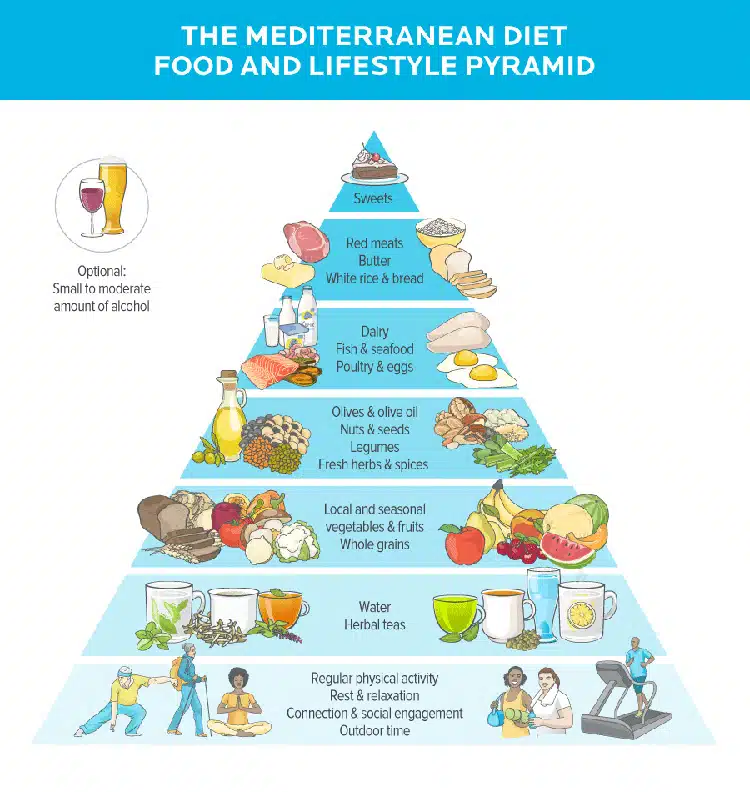
The Mediterranean diet is exceptionally high in prebiotic fibers from legumes, grains, and vegetables. These fibers act as fuel for beneficial gut bacteria. According to a 2019 report in F1000Research, following a Mediterranean diet improves the diversity and function of the gut microbiome. A healthy gut facilitates better estrogen metabolism and reduces the "leaky gut" symptoms that often exacerbate the inflammatory response in PCOS patients.
Liver Health and Non-Alcoholic Fatty Liver Disease (NAFLD)
Women with PCOS are at a significantly higher risk for Non-Alcoholic Fatty Liver Disease (NAFLD), a condition where excess fat builds up in the liver. This risk is driven by the combination of hyperandrogenism and insulin resistance.
Clinical trials have demonstrated that a 12-month adherence to the Mediterranean diet can significantly reduce liver fat and improve liver enzyme markers. Crucially, these improvements have been observed even in the absence of significant weight loss, suggesting that the nutrient composition of the diet—specifically the high intake of antioxidants and healthy fats—has a direct protective effect on liver tissue.
Mediterranean vs. Western Dietary Patterns: A Comparative Analysis
The benefits of the Mediterranean diet are most apparent when contrasted with the "Western Diet" (often referred to as the Standard American Diet). The Western diet is characterized by high intakes of processed meats, refined sugars, trans fats, and sodium. These components are known to trigger oxidative stress and worsen insulin signaling.
| Feature | Mediterranean Diet | Western Diet |
|---|---|---|
| Primary Fat Source | Extra virgin olive oil (MUFAs) | Saturated and trans fats |
| Carbohydrates | Whole grains, legumes (Low GI) | Refined flours, sugars (High GI) |
| Protein | Fish, poultry, beans, nuts | Red meat, processed deli meats |
| Produce | High variety, seasonal, fresh | Low intake, often processed |
| Impact on PCOS | Anti-inflammatory, insulin-sensitizing | Pro-inflammatory, insulin-disrupting |
The transition from a Western diet to a Mediterranean pattern involves more than just swapping ingredients; it requires a fundamental shift toward whole, unprocessed foods that maintain their natural fiber and nutrient matrices.
Lifestyle Implications and Sustainable Implementation
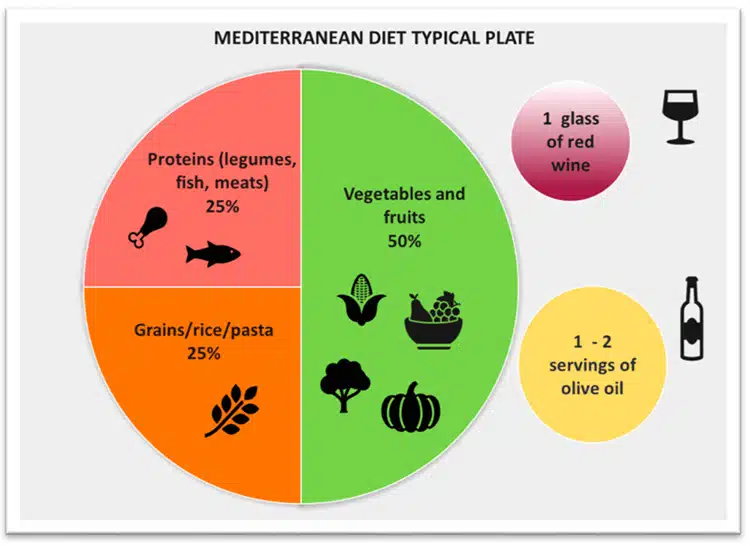
The Mediterranean approach is frequently described by clinicians as a "lifestyle" rather than a "diet" because it encompasses social and behavioral elements that contribute to health. These include:
- Local and Seasonal Sourcing: Prioritizing fresh, locally grown produce reduces exposure to preservatives and ensures higher nutrient density.
- Mindful Consumption: The tradition of eating slowly and communally has been shown to improve digestion and enhance satiety signals, which is particularly beneficial for women with PCOS who may experience disrupted hunger hormones (ghrelin and leptin).
- Physical Activity: Traditional Mediterranean cultures incorporate regular, moderate physical movement, which synergizes with the diet to improve metabolic rate.
Conclusion and Long-term Outlook
The Mediterranean diet offers a comprehensive, evidence-based framework for managing the complex symptoms of Polycystic Ovary Syndrome. By addressing insulin resistance, lowering systemic inflammation, and supporting hormonal and gut health, this dietary pattern provides a sustainable alternative to more restrictive, short-term diets.
For the estimated 33% of women with PCOS who also meet the criteria for metabolic syndrome, the adoption of a Mediterranean lifestyle is not merely about symptom management—it is a critical preventative measure against cardiovascular disease, stroke, and Type 2 Diabetes. As clinical research continues to evolve, the integration of Mediterranean nutritional principles into standard PCOS care protocols represents a significant step forward in personalized, holistic women’s healthcare. Medical professionals recommend that individuals with PCOS consult with a registered dietitian or healthcare provider to tailor the Mediterranean principles to their specific metabolic needs and lifestyle preferences.
