
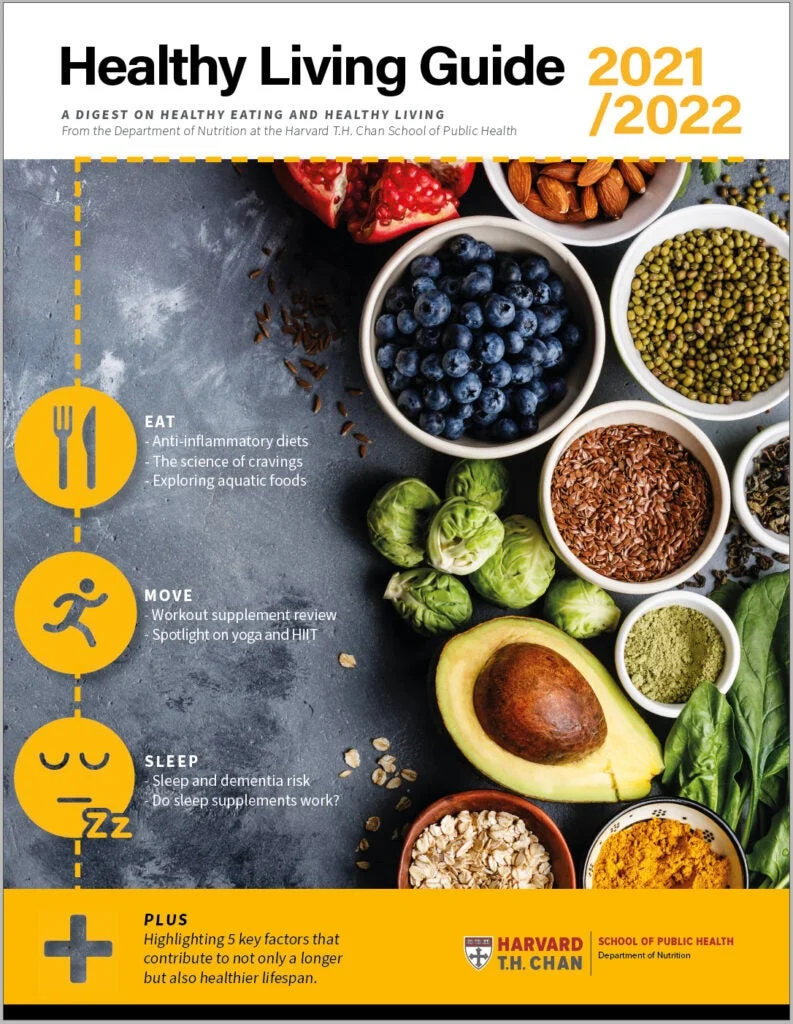
The COVID-19 pandemic, which significantly reshaped global society throughout 2020 and continued to exert its influence into 2021, has undeniably permeated nearly every facet of human existence. For a considerable portion of the population, this unprecedented health crisis has precipitated a cascade of unique and individualized challenges. These include, but are not limited to, disruptions in access to essential food resources, significant income volatility, and widespread emotional and psychological distress. As public health officials and researchers grappled with the immediate medical implications of the novel coronavirus, a parallel discourse emerged concerning the foundational role of overall well-being in navigating and mitigating the pandemic’s widespread effects.
While definitive scientific evidence directly linking specific dietary components to a reduced risk of contracting COVID-19 remained an evolving area of study, the established scientific consensus underscored the critical importance of maintaining robust immune systems. Beyond its direct role in immunity, a substantial body of research has consistently demonstrated a profound correlation between adherence to a healthy lifestyle and longevity, as well as improved quality of life. Studies have revealed that individuals who consistently engage in five key healthy habits—namely, consuming a nutritious diet, participating in regular physical activity, maintaining a healthy body weight, moderating alcohol consumption, and abstaining from smoking—experience a significantly extended lifespan, often exceeding a decade longer than their counterparts who do not adopt these practices. Furthermore, the benefits extend beyond mere duration of life; research indicates that these habits are instrumental in increasing the number of years lived free from chronic diseases. Adults who embraced these five pillars of well-being during their middle age were found to enjoy more years unburdened by debilitating conditions such as type 2 diabetes, cardiovascular disease, and various forms of cancer.
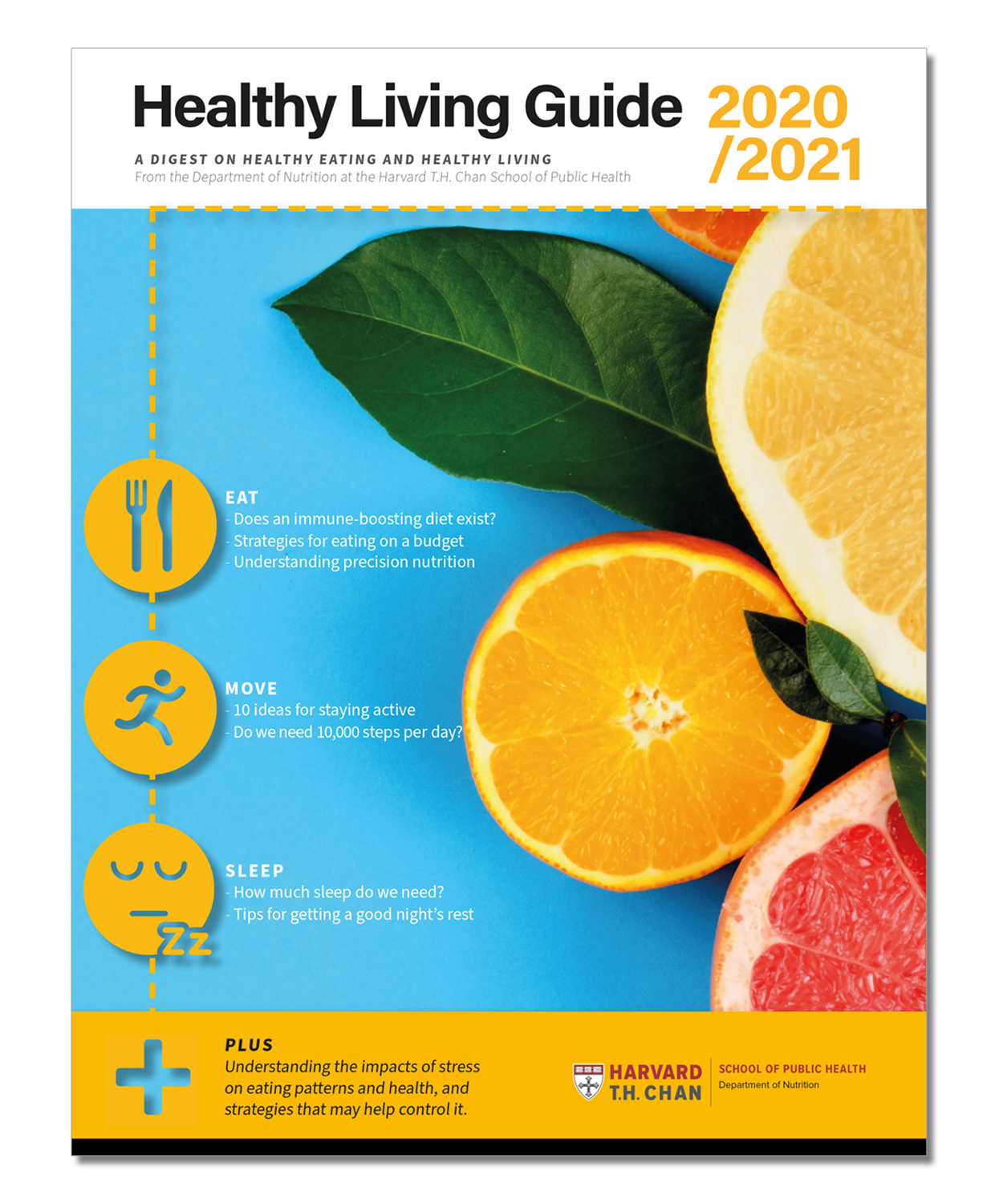
The realization and sustained practice of healthy habits, however, often present considerable challenges, particularly in the face of pervasive societal disruptions. Recognizing this, the Harvard T.H. Chan School of Public Health, through its esteemed Nutrition Source initiative, developed a comprehensive guide designed to offer practical tips and actionable strategies to support individuals in their pursuit of a healthier lifestyle. This initiative, launched during a period of considerable global uncertainty, aimed to empower individuals to proactively manage their health and well-being. The guide encouraged a pragmatic approach, suggesting that even small, achievable steps—such as experimenting with a new healthy recipe, incorporating a novel exercise routine, or engaging in a fulfilling hobby—could contribute significantly to both physical and mental resilience, potentially fostering a sense of accomplishment and enjoyment amidst adversity.
The Genesis and Scope of the Healthy Living Guide
The "Healthy Living Guide," developed by the Harvard T.H. Chan School of Public Health, emerged as a timely response to the multifaceted challenges presented by the COVID-19 pandemic. The initiative was rooted in a long-standing commitment to disseminating evidence-based nutritional and health information to the public. The pandemic, however, amplified the urgency and relevance of such guidance, as it directly impacted food security, economic stability, and mental health for millions worldwide.
The guide’s creation can be traced back to the initial phases of the pandemic in early 2020. As lockdowns and social distancing measures became widespread, public health experts observed a discernible shift in lifestyle patterns. While some individuals reported increased engagement in home-based activities and healthier eating, others faced significant barriers, including limited access to fresh produce, increased reliance on processed and less nutritious foods due to convenience, and heightened stress levels that often led to unhealthy coping mechanisms.
The Nutrition Source team, drawing upon decades of research and expertise, recognized the need for accessible, practical, and evidence-based resources to help individuals navigate these altered circumstances. The decision to create a downloadable PDF guide, alongside online articles, was a strategic choice to cater to diverse accessibility needs and preferences. The printable format was particularly valuable for individuals with limited internet access or those who preferred tangible resources for reference. The inclusion of printable tip sheets and summaries within the guide aimed to provide concise, easily digestible information that could be readily integrated into daily routines.
The guide itself was structured to address the core components of a healthy lifestyle, aligning with the established five key habits identified in extensive public health research. These components formed the bedrock of the resource, providing a framework for individuals to assess and improve their overall well-being. The timing of its release, transitioning from 2020 into 2021, coincided with a period of sustained public health concern and a growing awareness of the long-term implications of lifestyle choices on disease prevention and longevity.
Supporting Data and Scientific Foundations
The recommendations and insights presented in the "Healthy Living Guide" are not merely anecdotal; they are firmly grounded in extensive scientific research and epidemiological data. The foundational principle that healthy lifestyle habits contribute to increased longevity and a reduced burden of chronic disease is a well-established tenet of public health science.
Longevity Studies: The assertion that individuals adhering to five key healthy habits can live over a decade longer is supported by seminal studies, such as those published by Harvard T.H. Chan School of Public Health researchers themselves. For instance, a significant study published in the Annals of Internal Medicine in 2012, and subsequently updated and widely disseminated, analyzed data from over 120,000 men and women over a period of 20-30 years. This research found that men who adopted all five healthy habits lived an average of 12.7 years longer than those who adopted none, while women lived an average of 14.1 years longer. These habits, consistently identified across numerous longitudinal studies, include:
- Healthy Diet: Characterized by a high intake of fruits, vegetables, whole grains, and healthy fats, and a low intake of processed foods, red meat, and sugar-sweetened beverages.
- Regular Physical Activity: Defined as at least 30 minutes of moderate-intensity exercise per day for most days of the week.
- Healthy Body Weight: Maintaining a Body Mass Index (BMI) within the healthy range (typically 18.5-24.9 kg/m²).
- Moderate Alcohol Consumption: Defined as up to one drink per day for women and up to two drinks per day for men, if consumed at all.
- Not Smoking: Abstaining from all forms of tobacco use.
Disease Prevention: The link between these lifestyle choices and the prevention of chronic diseases is equally robust. Research consistently demonstrates that individuals who maintain a healthy lifestyle experience significantly lower rates of:
- Cardiovascular Disease: The World Health Organization (WHO) estimates that cardiovascular diseases are the leading cause of death globally, accounting for approximately 17.9 million deaths each year. Healthy diets low in saturated and trans fats, regular exercise, and weight management are critical for reducing risk factors like high blood pressure, high cholesterol, and obesity.
- Type 2 Diabetes: The International Diabetes Federation (IDF) projects that over 537 million adults worldwide are living with diabetes, a number expected to rise significantly. Lifestyle interventions, including diet and exercise, are paramount in both preventing the onset of type 2 diabetes and managing the condition effectively.
- Cancer: The American Cancer Society estimates that a significant proportion of cancer cases and cancer deaths are preventable through lifestyle modifications. Maintaining a healthy weight, eating a balanced diet rich in fruits and vegetables, and avoiding tobacco are key strategies in cancer prevention.
The "Healthy Living Guide" thus serves as a public health communication tool that translates complex scientific findings into actionable advice. It acknowledges that while direct evidence on COVID-19 prevention through diet is still developing, the established benefits of a healthy lifestyle in bolstering overall health and immune function are more relevant than ever during a global health crisis.
Chronological Context and Development
The development and release of the "Healthy Living Guide" can be placed within a broader timeline of public health responses to the COVID-19 pandemic.
- Early 2020: The novel coronavirus emerges and rapidly spreads globally, leading to widespread lockdowns, travel restrictions, and a significant disruption of daily life. Public health organizations, including the WHO and national health agencies, begin issuing guidelines on hygiene, social distancing, and the importance of maintaining general health.
- Mid-2020: As the pandemic persists, research begins to explore the potential impact of lifestyle factors on COVID-19 outcomes. Early studies suggest that individuals with underlying chronic conditions, often linked to lifestyle, are at higher risk for severe illness. This period sees an increased focus on home-based wellness activities, including cooking and exercise.
- Late 2020: Recognizing the sustained impact of the pandemic and the growing public interest in health and well-being, the Harvard T.H. Chan School of Public Health’s Nutrition Source initiative conceptualizes and begins developing the "Healthy Living Guide." The aim is to consolidate existing, evidence-based knowledge into a user-friendly format. The guide’s content focuses on the well-established five pillars of healthy living, emphasizing their role in overall resilience and disease prevention, which are indirectly relevant to navigating a pandemic.
- Early 2021 (January/February): The "Healthy Living Guide" is finalized and released, coinciding with the continued global presence of COVID-19 and the commencement of vaccination efforts in many countries. The guide is made available for download as a PDF, featuring printable materials, and linked to comprehensive online articles for deeper engagement. This release period reflects a strategic decision to provide resources as the world grappled with the ongoing health crisis and began to consider long-term strategies for health promotion.
The guide’s development timeline highlights a responsive approach by a leading public health institution to address evolving societal needs and anxieties during a period of unprecedented global health challenge.
Broader Implications and Societal Impact
The "Healthy Living Guide" and similar initiatives carry significant implications beyond individual health, touching upon broader societal well-being and public health infrastructure.
Empowerment and Health Literacy: By providing accessible and evidence-based information, the guide empowers individuals to take proactive control of their health. This is particularly crucial during a pandemic when uncertainties can lead to anxiety and a feeling of helplessness. Enhanced health literacy enables individuals to make more informed decisions about their diet, physical activity, and overall lifestyle, contributing to a more resilient population.
Economic Benefits: A healthier population is a more productive population. The long-term impact of adopting healthy habits includes reduced healthcare costs for individuals and the state, fewer sick days from work, and increased overall economic contribution. Investing in public health education and resources, such as this guide, can yield substantial economic returns by mitigating the burden of chronic diseases.
Public Health Preparedness: The pandemic underscored the critical importance of a strong public health foundation. Initiatives that promote healthy living contribute to building this foundation by fostering a population that is inherently better equipped to withstand health challenges. A society where individuals are already engaged in healthy practices is likely to experience less severe outcomes during future health crises.
Addressing Health Disparities: While the guide itself is universally accessible, the ability of individuals to implement its advice can be influenced by socioeconomic factors. The pandemic exacerbated existing health disparities, highlighting how issues like food insecurity, lack of access to safe recreational spaces, and financial constraints can hinder healthy living. Therefore, the effectiveness of such guides is amplified when complemented by broader public health policies aimed at addressing these systemic issues. The mention of potential individual impacts like food access and income disruptions in the original article implicitly acknowledges these disparities, making the guide’s offer of practical tips even more vital.
Future-Proofing Health: As the world moves forward, the lessons learned from the COVID-19 pandemic are likely to shape public health strategies for years to come. Emphasizing the interconnectedness of lifestyle, immunity, and disease prevention, as exemplified by the "Healthy Living Guide," is essential for building a more robust and sustainable approach to public health in the face of emerging threats. The inclusion of a "Healthy Living Bingo Challenge" (as suggested by one of the image references) further indicates an attempt to gamify and encourage engagement, a strategy often employed to promote sustained behavioral change.
In conclusion, the "Healthy Living Guide" represents a vital public health resource, offering practical, science-backed guidance during a challenging global period. Its emphasis on fundamental healthy habits—diet, exercise, weight management, alcohol moderation, and non-smoking—provides a timeless framework for improving individual well-being, enhancing resilience against health threats, and contributing to a healthier society overall. The initiative underscores the enduring power of evidence-based public health communication in navigating complex health crises and promoting long-term wellness.
