
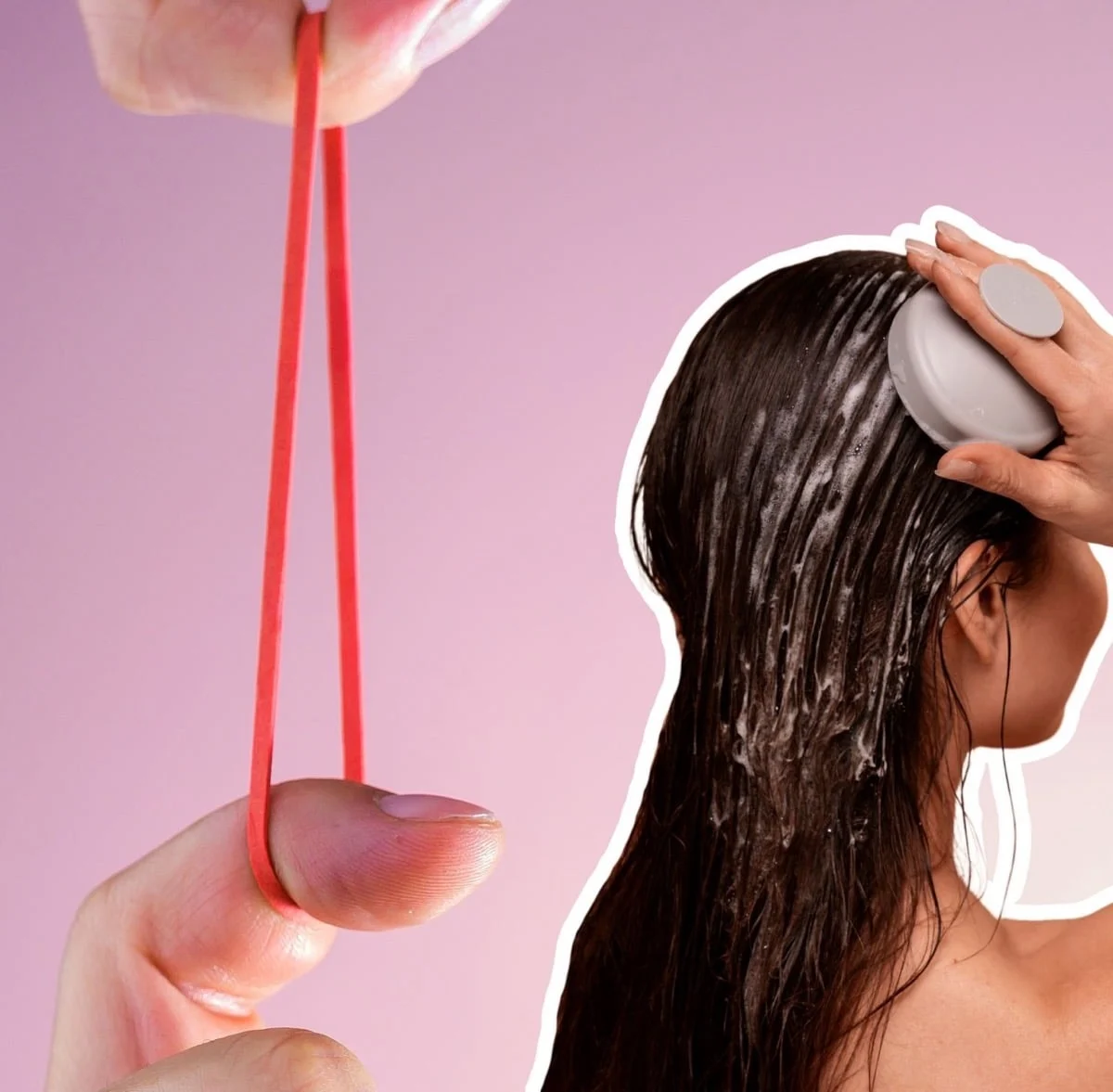
The interaction of water with human hair has long been a subject shrouded in misconception, with one of the most persistent myths being the concept of "hygral fatigue" – the notion that repeated cycles of wetting and drying hair inherently lead to damage. Recent scientific analysis, as highlighted in a January 28, 2026 article by Michelle Wong of Lab Muffin Beauty Science, decisively debunks this widespread belief, asserting that the very foundation of this myth is scientifically unfounded. While hair is indeed more fragile when wet, the act of water entering and exiting the hair shaft does not, in itself, cause cumulative structural degradation in the manner often described.
Understanding Hair’s Fundamental Architecture
To fully grasp why the hygral fatigue myth falters, it is essential to revisit the intricate structure of human hair. Each strand of hair is primarily composed of keratin, a tough, fibrous protein, organized into three main layers: the cuticle, cortex, and medulla. The outermost layer, the cuticle, consists of overlapping, scale-like cells that protect the inner cortex. The cortex, the thickest layer, provides hair with its strength, elasticity, and color, while the innermost medulla, present in some hair types, is a soft, central core.
At a molecular level, the keratin proteins within the hair cortex are linked by various types of bonds that contribute to hair’s remarkable resilience. Disulfide bonds are strong, permanent covalent bonds that dictate hair’s overall shape and strength. Ionic bonds, also known as salt bridges, are weaker electrostatic attractions. Crucially, hydrogen bonds are temporary, numerous, and significantly influenced by water. These bonds form between hydrogen atoms in one keratin molecule and oxygen or nitrogen atoms in another. When hair is dry, these hydrogen bonds are plentiful, contributing to its rigidity and shape.
Water plays a pivotal role in modulating these hydrogen bonds. Upon wetting, water molecules permeate the hair shaft, effectively disrupting and replacing the existing hydrogen bonds within the keratin structure. This process allows the hair to swell and become more pliable, making it easier to style but also more susceptible to mechanical manipulation. As hair dries, the water molecules evaporate, allowing the original hydrogen bonds to reform, and the hair returns to its dry state and shape. This dynamic interplay between water and hydrogen bonds is a natural, reversible process fundamental to hair’s biophysical properties.
The Origins and Persistence of a Misconception
The term "hygral fatigue" has permeated popular hair care discourse, particularly within communities focused on natural hair or those advocating for reduced washing frequencies. The hypothesis suggests that the constant swelling and contracting of hair as it absorbs and releases water somehow "stretches" the hair’s internal structure beyond its elastic limit, leading to weakening, breakage, and damage over time. This idea, while intuitively appealing to some, lacks robust scientific backing. Despite its mention in some peer-reviewed literature, a critical examination reveals a deficit of convincing empirical evidence demonstrating water itself as a direct damaging agent in this cyclical manner.
The widespread acceptance of this myth can be attributed to several factors. Firstly, the observation that wet hair is more fragile and prone to breakage during styling is accurate. However, this increased fragility is often misinterpreted as damage caused by water rather than an increased susceptibility to mechanical stress when wet. Secondly, analogies comparing hair to materials like rubber bands, which indeed degrade with repeated stretching, contribute to the misunderstanding. Such analogies fail to account for the fundamental differences in molecular composition and bonding mechanisms between synthetic polymers and natural keratin fibers.
Molecular Resilience: A Closer Look at Hair’s Durability
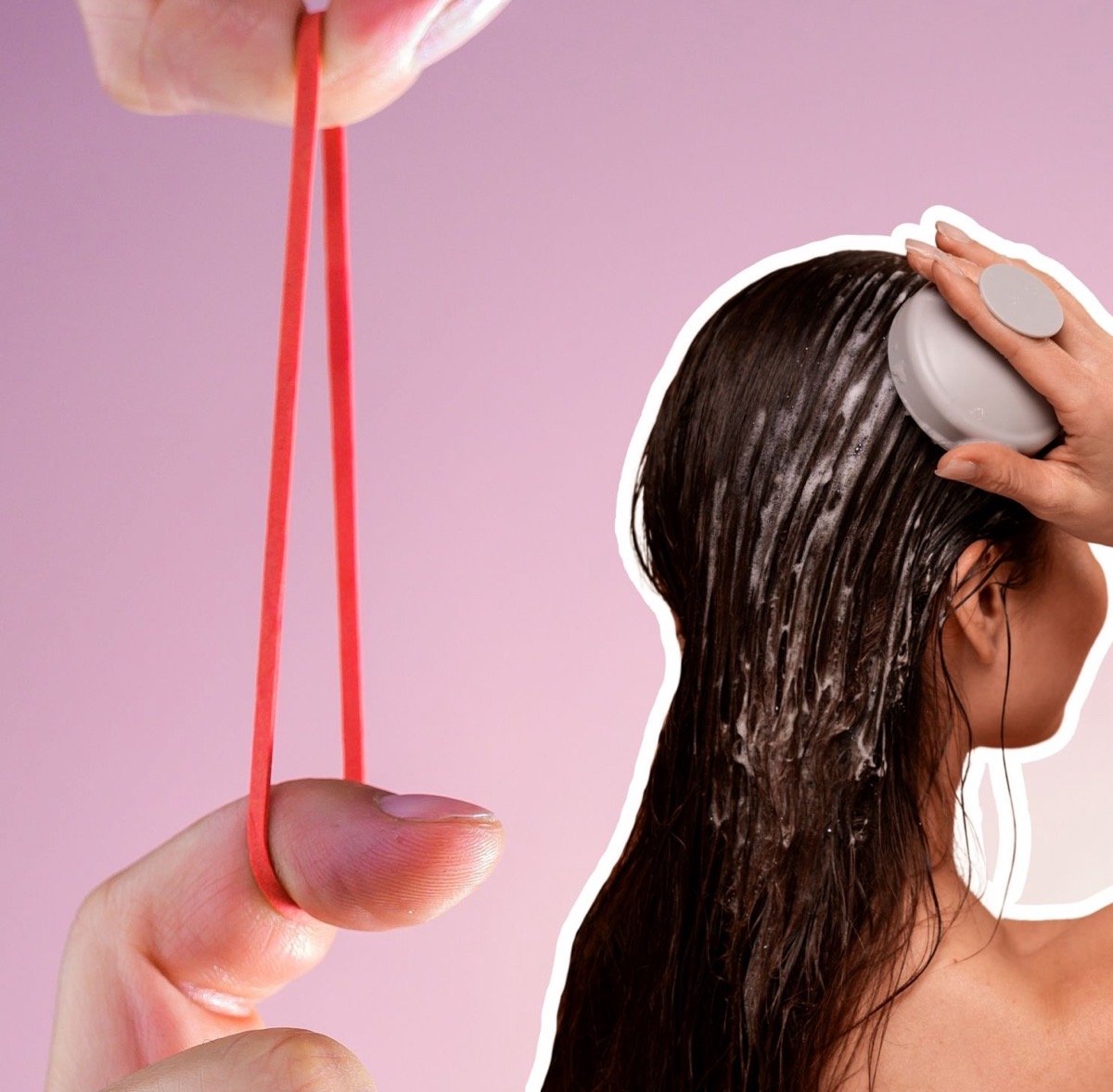
The analogy of a rubber band repeatedly stretched until it snaps is often invoked to explain hygral fatigue. However, this comparison is fundamentally flawed when applied to hair. Rubber bands stretch by breaking permanent chemical cross-links within their polymer structure, which do not readily reform, leading to cumulative damage and eventual fracture. Hair, conversely, interacts with water primarily through the reversible breaking and reforming of hydrogen bonds.
A more accurate analogy for water’s interaction with hair might be the repeated assembly and disassembly of interlocking building blocks, like LEGO bricks. The "connections" (hydrogen bonds) are strong enough to hold the structure together but are designed to be easily undone and redone without degradation of the individual components. The atoms involved in hydrogen bonding – hydrogen, oxygen, nitrogen – do not "wear down" or degrade through these cycles. The electrons and protons that facilitate these bonds are incredibly durable and do not experience fatigue in the way a physical material might. Therefore, the internal structure of hair is remarkably resilient to the osmotic forces of water absorption and desorption.
While hair is undoubtedly more elastic and susceptible to mechanical damage when wet, this vulnerability stems from its softened state, not from the water molecules themselves being destructive. The key distinction lies between damage caused by mechanical forces applied to wet hair and damage caused by the act of wetting and drying. The former is a legitimate concern, necessitating gentle handling, while the latter is largely a myth.
Critical Examination of Supporting Studies: The Case of Lee et al. (2011)
Some studies have been cited in support of the hygral fatigue hypothesis, though their conclusions often warrant closer scrutiny. One frequently referenced paper is the 2011 study by Lee et al. on hair drying methods, published in Annals of Dermatology. This research investigated the effects of different drying techniques – air drying versus blow drying at various distances and temperatures – on hair damage. The researchers reported observing "bulges" in air-dried hair samples under electron microscopy and attributed this damage to prolonged water swelling. Their conclusion suggested that air drying, by exposing hair to water for a longer duration, was more damaging than blow drying at low temperatures.
However, a critical review of this study’s methodology and findings raises significant questions regarding its interpretation. Firstly, air drying is a standard and widely accepted practice in both everyday hair care and scientific hair experiments. If air drying consistently produced such pronounced structural damage, it would be a pervasive observation across numerous hair research studies, which is not the case. The bulges observed by Lee et al. are not commonly reported as a consequence of routine air drying in the broader scientific literature.
Secondly, the study’s experimental design might have introduced artifacts or confounding variables. The number of repetitions, control measures, and potential pre-existing conditions of the hair samples are crucial details that, if not rigorously controlled, could lead to anomalous results. For instance, the observed bulges could be indicative of pre-existing damage to the hair cuticle, perhaps from excessive sun exposure, chemical treatments, or mechanical stress prior to the experiment. Such damage could make certain hair samples more susceptible to structural irregularities during drying, irrespective of the drying method itself. Without extensive replication and verification by independent researchers, attributing these bulges solely to prolonged water exposure from air drying remains speculative.
Re-evaluating Coconut Oil and Water Absorption
Another area where the concept of hygral fatigue has intersected with scientific research concerns the purported ability of certain oils, particularly coconut oil, to "block" water absorption into hair and thus prevent this theoretical damage. Several studies, some explicitly using the term "hygral fatigue," have explored coconut oil’s protective qualities. For example, some experiments involved coating hair strands with various oils (coconut, mineral, sunflower) and then assessing water absorption using dynamic vapor sorption (DVS) apparatus. These studies typically reported that coconut-oiled hair showed a smaller percentage increase in weight due to water absorption compared to other oils or untreated hair, leading to the conclusion that coconut oil forms a barrier against water.
However, prominent hair scientists, such as Trefor Evans, have pointed out a significant methodological flaw in these interpretations. When hair is coated with oil, its baseline weight increases. If the amount of water absorbed is then expressed as a percentage of the total weight (hair + oil), the resulting percentage will naturally appear smaller because the denominator is larger. This mathematical artifact can lead to an erroneous conclusion that less water was absorbed, when in fact, the absolute amount of water absorbed might be similar. The oil itself adds mass, distorting the proportional calculation.
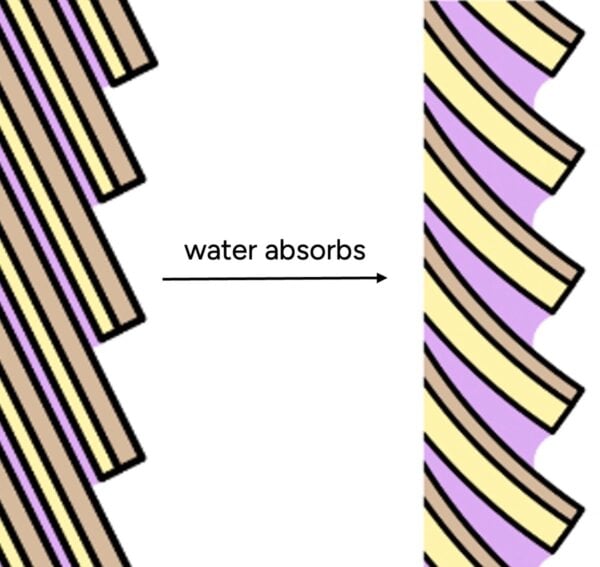
Furthermore, from a structural perspective, the idea that any topical hair treatment can entirely "seal" the hair against microscopic water molecules is highly improbable. The hair cuticle, while protective, is not an impermeable barrier. Its overlapping scales create numerous microscopic gaps and edges. Water molecules are exceedingly small and can readily penetrate these minute openings. The water content of hair is primarily dictated by the ambient relative humidity, and while some hydrophobic substances might slightly slow down the rate of absorption, they cannot fundamentally alter this thermodynamic equilibrium to a significant extent.
The Proven Benefits of Coconut Oil and Other Conditioners
Despite the debunking of its role in preventing "hygral fatigue" through water blocking, coconut oil remains a valuable ingredient in hair care. Its true benefits stem from its unique composition and ability to interact with the hair shaft in other ways. Oils, including coconut oil, primarily function as lubricants on the hair’s surface. They smooth the cuticle, reduce friction during combing and styling, and thereby protect against mechanical damage. This lubrication is crucial for preventing breakage, split ends, and overall wear and tear.
What distinguishes coconut oil from many other oils is its molecular structure. It is rich in lauric acid, a medium-chain fatty acid with a relatively small molecular size. This allows coconut oil to penetrate deeper into the hair shaft compared to larger-molecular-weight oils like mineral or sunflower oil. Once inside the cortex, coconut oil can potentially fill gaps in the hydrophobic regions of the hair’s cell membrane complex, which acts as a "mortar" between the keratin "bricks." By reinforcing this internal structure, coconut oil may help reduce internal cracking and improve the hair’s overall integrity and strength from within. Thus, its protective action is against mechanical and internal structural degradation, not against water-induced fatigue. This is a critical distinction for consumers and product formulators alike.
True Drivers of Hair Damage: Beyond Water
With the myth of hygral fatigue set aside, it becomes imperative to focus on the empirically proven causes of hair damage. These factors pose genuine threats to hair health and are the primary targets for effective hair care strategies:
- Mechanical Stress: This is arguably the most common cause of hair damage. Vigorous brushing or combing, especially on wet hair (which is more elastic and prone to stretching), tight hairstyles, harsh towel drying, and friction from pillows can all lead to cuticle abrasion, breakage, and split ends.
- Heat Damage: Excessive heat from styling tools like blow dryers (when used at high temperatures too close to the hair), flat irons, and curling irons can denature keratin proteins, strip the hair of its natural moisture, and lead to severe structural damage, including cuticle lifting, cracks, and internal voids.
- Chemical Damage: Chemical processes such as bleaching, coloring, perming, and relaxing involve strong chemicals that break and reform the permanent disulfide bonds within the hair cortex. While these processes can achieve desired aesthetic changes, they inherently weaken the hair structure if not performed carefully and followed by proper restorative care.
- Environmental Factors: Prolonged exposure to ultraviolet (UV) radiation from the sun can degrade keratin proteins and pigments, leading to dry, brittle hair and color fading. Environmental pollutants can also accumulate on hair, contributing to oxidative stress and damage.
Implications for Hair Care Practices and the Industry
The scientific debunking of hygral fatigue carries significant implications for both consumer hair care routines and the broader beauty industry. For consumers, it offers reassurance that daily hair washing, if desired, is not inherently detrimental to hair health, provided proper techniques are employed. The focus should shift from fear of water to mindful handling of wet hair. This means using gentle shampoos, following with effective conditioners to lubricate and detangle, and avoiding harsh brushing or vigorous towel drying when hair is in its most vulnerable, wet state.
For the hair care industry, this clarification reinforces the need for evidence-based product development and marketing. Rather than formulating products around the premise of "water blocking" to prevent a non-existent form of damage, the emphasis should remain on products that address real threats: strengthening agents to bolster hair’s internal structure, lubricants to reduce mechanical friction, heat protectants to mitigate thermal damage, and conditioning ingredients to maintain moisture balance and cuticle integrity. Professionals in trichology and cosmetology can play a crucial role in educating clients, dispelling myths, and guiding them toward science-backed practices and products.
In conclusion, the idea of "hygral fatigue" as an inherent damage mechanism from repeated wetting and drying cycles is a myth that scientific scrutiny has largely dispelled. While hair is more fragile when wet, this vulnerability is to mechanical stress, not to water itself. The fundamental molecular interactions between water and hair keratin are reversible and designed for resilience. Understanding the true causes of hair damage empowers individuals to adopt more effective, evidence-based hair care routines, fostering healthier hair without succumbing to baseless fears.
