

Polycystic Ovary Syndrome (PCOS), a complex endocrine disorder affecting an estimated 5% to 15% of women of reproductive age globally, has increasingly become a focal point for nutritional science and metabolic research. Clinical evidence suggests that while pharmaceutical interventions like Metformin remain standard, dietary patterns—specifically the Mediterranean diet—offer a robust framework for managing the syndrome’s multifaceted symptoms. Recent evaluations of medical literature indicate that this traditional eating pattern, characterized by high consumption of monounsaturated fats, plant-based proteins, and fiber-rich carbohydrates, serves as a potent tool against the chronic inflammation, insulin resistance, and hormonal imbalances that define the condition.
The Pathophysiology of PCOS and the Shift Toward Lifestyle Medicine
PCOS is characterized by a triad of clinical features: hyperandrogenism (excessive male hormones), ovulatory dysfunction, and polycystic ovarian morphology. Beyond reproductive health, the syndrome is deeply intertwined with metabolic dysfunction. Between 50% and 70% of women with PCOS exhibit some degree of insulin resistance, regardless of body mass index (BMI). This metabolic state triggers the pancreas to overproduce insulin, which in turn stimulates the ovaries to produce excess testosterone, creating a self-perpetuating cycle of hormonal disruption.
Historically, treatment focused heavily on symptom-specific pharmacology, such as oral contraceptives for cycle regulation or spironolactone for androgenic symptoms. However, a chronological shift in clinical guidelines over the last decade has placed lifestyle modification as the first-line therapy. The Mediterranean diet has emerged as a primary candidate for this intervention due to its high density of anti-inflammatory compounds and low glycemic index (GI) profile.
Chronology of Nutritional Research in PCOS Management
The exploration of the Mediterranean diet’s efficacy began in earnest in the early 2000s as researchers sought alternatives to highly restrictive low-carbohydrate diets, which often suffered from poor long-term adherence.
- Early 2000s: Initial studies established the link between insulin resistance and PCOS, identifying hyperinsulinemia as a driver of ovarian androgen production.
- 2014-2015: Research published in journals such as Endocrine, Metabolic & Immune Disorders began highlighting the role of systemic low-grade inflammation in PCOS, positioning the Mediterranean diet as a viable anti-inflammatory protocol.
- 2018-2019: Landmark studies in Human Reproduction and Nutrients expanded the scope to include fertility outcomes and the gut microbiome, suggesting that the diet’s benefits extended far beyond simple weight management.
- 2020-Present: Contemporary analysis now focuses on the "synergistic effect" of the Mediterranean lifestyle, including social eating habits and physical activity, rather than just isolated nutrient intake.
Addressing the Core Pillar: Insulin Sensitivity and Glucose Regulation
The Mediterranean diet’s emphasis on whole grains, legumes, and fiber provides a stabilizing effect on blood glucose levels. Unlike the Western diet, which is prevalent in processed sugars and refined flours, the Mediterranean approach utilizes complex carbohydrates that digest slowly. This prevents the rapid insulin spikes that exacerbate PCOS symptoms.
Data indicates that adherence to this dietary pattern lowers fasting insulin levels and improves the Homeostatic Model Assessment for Insulin Resistance (HOMA-IR) scores. By increasing insulin sensitivity, the body requires less of the hormone to manage blood sugar, thereby reducing the stimulus for the ovaries to produce excess testosterone. This biochemical shift is critical for restoring regular ovulation and reducing the physical manifestations of hyperandrogenism, such as acne and hirsutism.
Hormonal Regulation and Reproductive Outcomes
One of the most significant challenges for women with PCOS is infertility, primarily due to anovulation. Clinical data from a study published in Human Reproduction indicates that women following a Mediterranean-style diet have a 65% to 68% higher likelihood of achieving a successful pregnancy and live birth compared to those with low adherence.
The mechanism behind this improvement is multi-linked:
- Androgen Reduction: High intake of Omega-3 fatty acids, found in fatty fish and walnuts, has been shown to lower circulating testosterone levels.
- Oxidative Stress Mitigation: The abundance of antioxidants from fresh fruits and vegetables reduces oxidative stress within the follicular fluid, potentially improving oocyte (egg) quality.
- SHBG Increase: High-fiber diets can increase levels of Sex Hormone-Binding Globulin (SHBG), a protein that binds to testosterone in the blood, making it less biologically active and reducing its androgenic effects.
The Anti-Inflammatory Effect and Gut Microbiome Diversity
Chronic low-grade inflammation is a recognized hallmark of PCOS, contributing to both cardiovascular risk and insulin resistance. The Mediterranean diet is naturally rich in polyphenols and monounsaturated fats (primarily from extra virgin olive oil), which inhibit pro-inflammatory pathways.
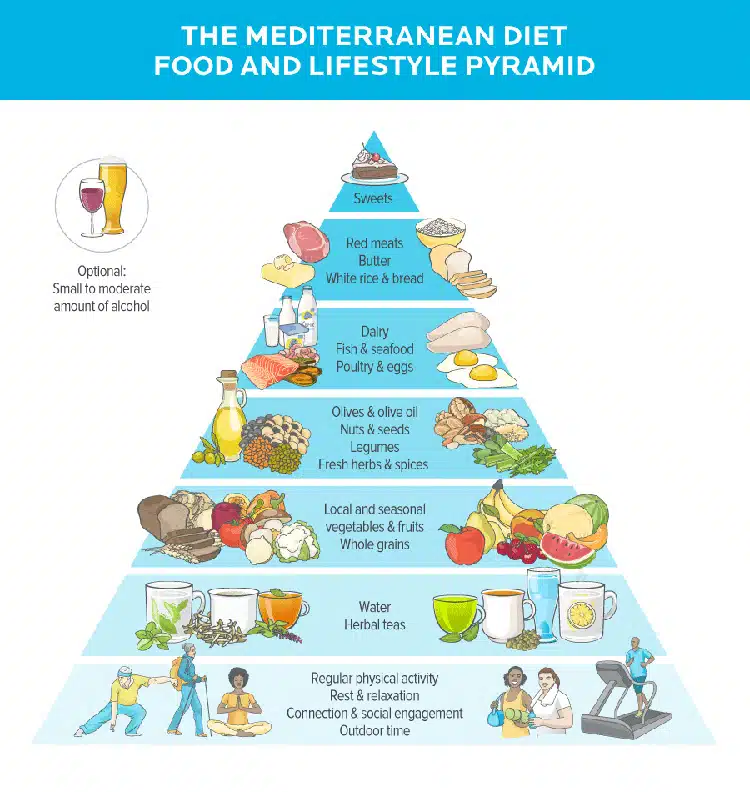
Furthermore, recent gastrointestinal research has identified that women with PCOS often possess a less diverse gut microbiome—a condition known as dysbiosis. The high fiber content and variety of plant-based foods in the Mediterranean diet act as prebiotics, fostering a more diverse and resilient microbial environment. An optimized gut microbiome is associated with improved metabolic health and a reduction in the "leaky gut" phenomenon, which is theorized to trigger systemic inflammation in PCOS patients.
Combating Non-Alcoholic Fatty Liver Disease (NAFLD)
Statistical evidence shows that women with PCOS are at a significantly higher risk for Non-Alcoholic Fatty Liver Disease (NAFLD) than the general female population. This is attributed to the combination of hyperandrogenism and insulin resistance.
A 12-month clinical observation of the Mediterranean diet’s impact on liver health revealed significant reductions in hepatic fat content. Notably, these improvements occurred even in the absence of substantial weight loss, suggesting that the nutrient composition of the diet—specifically the replacement of saturated fats with unsaturated fats—exerts a direct protective effect on liver cells.
Comparative Analysis: Mediterranean vs. Western Dietary Patterns
The Western diet, often referred to as the Standard American Diet (SAD), is characterized by high intakes of red meat, sugar-sweetened beverages, and ultra-processed snacks. In the context of PCOS, the Western diet acts as a catalyst for symptom severity.
- Fat Quality: The Western diet is high in trans and saturated fats, which exacerbate insulin resistance. The Mediterranean diet focuses on monounsaturated and polyunsaturated fats, which improve cell membrane fluidity and insulin signaling.
- Carbohydrate Quality: The Western diet relies on high-GI foods that cause glycemic instability. The Mediterranean diet utilizes low-GI, high-fiber sources that promote satiety and stable energy.
- Micronutrient Density: The Mediterranean diet provides a superior profile of magnesium, zinc, and B-vitamins—all of which play vital roles in hormonal metabolism and are frequently deficient in women with PCOS.
Lifestyle Factors: Local Sourcing and Mindful Consumption
The Mediterranean approach is more than a list of permitted foods; it is a lifestyle framework. Public health experts emphasize two non-dietary components that contribute to its success:
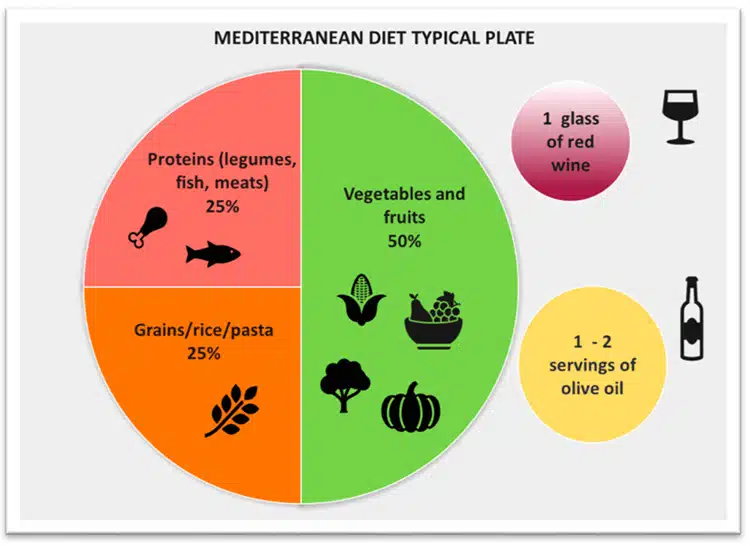
- Local and Seasonal Sourcing: By prioritizing fresh, locally grown produce, individuals reduce their exposure to preservatives and endocrine-disrupting chemicals often found in long-haul transported and canned goods.
- Eating Velocity and Mindfulness: The tradition of slow, communal eating allows for better signaling of satiety hormones like leptin and cholecystokinin. For women with PCOS, who often struggle with altered hunger cues and cravings, this mindful approach is essential for long-term weight maintenance and psychological well-being.
Clinical Implications and Broader Health Impact
The implications of adopting a Mediterranean diet extend into long-term disease prevention. Women with PCOS face an elevated risk of developing Type 2 Diabetes, cardiovascular disease, and metabolic syndrome.
Research indicates that approximately 33% of women with PCOS meet the criteria for metabolic syndrome. By adhering to the Mediterranean pattern, these patients can significantly mitigate their risk profiles. The diet has been shown to improve lipid profiles—lowering LDL cholesterol and triglycerides while raising HDL cholesterol—thereby protecting the vascular system from the long-term effects of hormonal imbalance.
Conclusion and Future Directions
While more large-scale, randomized controlled trials specifically targeting the PCOS population are needed to solidify clinical protocols, the existing body of evidence strongly supports the Mediterranean diet as a gold-standard nutritional intervention. Its ability to address the root causes of the syndrome—inflammation and insulin resistance—rather than merely masking symptoms, makes it a superior alternative to restrictive or fad diets.
For clinicians, the focus is shifting toward practical implementation: encouraging patients to transition slowly, emphasizing plant-based proteins, and incorporating healthy fats. As the medical community continues to unravel the complexities of PCOS, the Mediterranean diet remains a cornerstone of holistic, evidence-based care, offering women a sustainable path toward hormonal balance and improved quality of life.
