
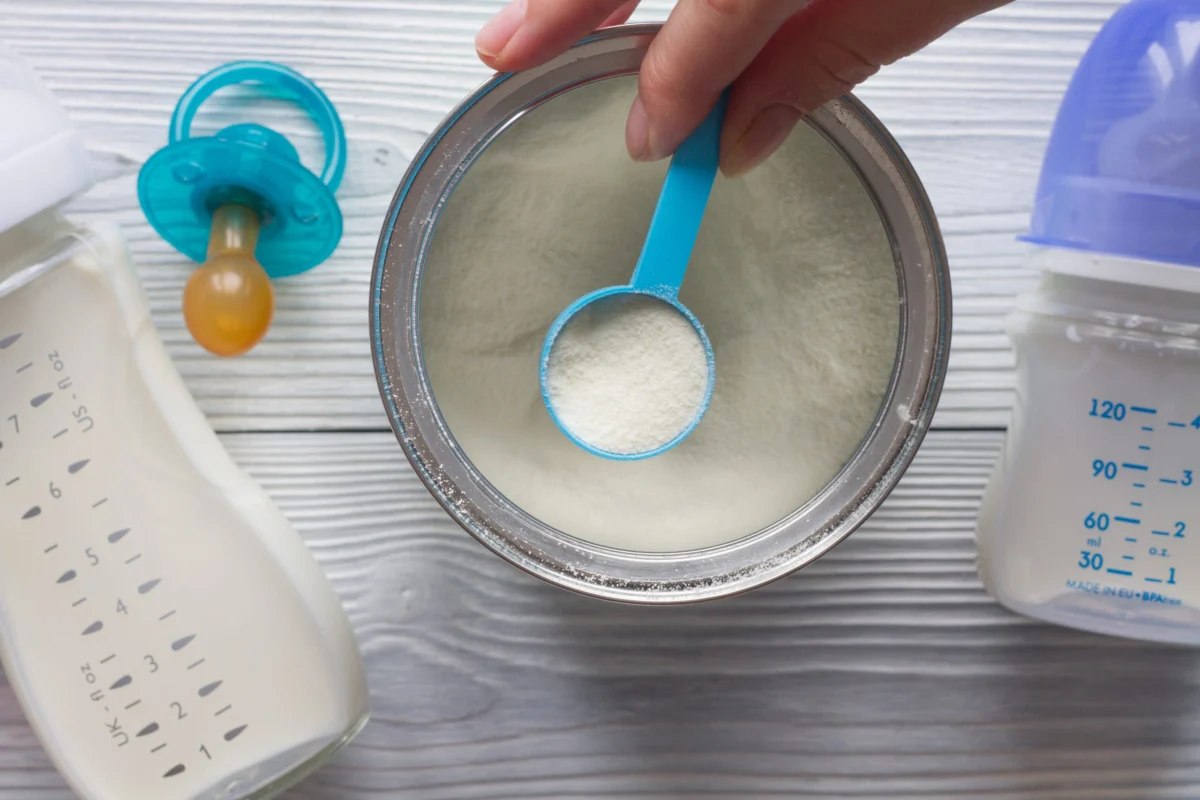
The United States has grappled with alarming infant formula shortages over the past two years, a crisis largely stemming from widespread pandemic-related supply-chain disruptions. This scarcity has undoubtedly sent shockwaves through families nationwide, as infant formula is a vital nutritional necessity when human milk is inaccessible or insufficient. While breastfeeding is widely encouraged as the optimal source of nutrition for infants, it is not universally feasible. Many mothers face circumstances that preclude exclusive breastfeeding, including early returns to work, limited access to robust lactation support systems, and the complex nutritional needs of infants with allergies, metabolic or gastrointestinal disorders, or disabilities that may hinder breastfeeding.
The Genesis of a Crisis: Pandemic-Induced Disruptions
The COVID-19 pandemic acted as a significant catalyst, exposing fragilities within the intricate global and domestic supply chains that underpin the availability of essential goods, including infant formula. Lockdowns, labor shortages, transportation bottlenecks, and the redirection of manufacturing resources to address other urgent needs all contributed to a ripple effect that eventually reached the shelves of American grocery stores and pharmacies. The reliance on a concentrated number of manufacturers for a substantial portion of the U.S. market meant that any disruption at a key facility could have an outsized impact on national availability.
The situation was exacerbated by a critical recall and subsequent shutdown of a major Abbott Nutrition manufacturing plant in Sturgis, Michigan, in February 2022. This facility was a significant producer of specialized formulas, including those for infants with specific medical needs. The contamination issues, which led to the voluntary recall of several product lines and the plant’s temporary closure, removed a substantial amount of formula from the market at a time when demand was already strained. This single event amplified the existing supply chain challenges, transforming a concerning trend into a full-blown national crisis.
A Timeline of Mounting Concern
The seeds of the shortage were sown early in the pandemic. As global supply chains began to buckle under the strain of COVID-19 protocols and demand shifts, the infant formula sector, like many others, experienced disruptions. Initial impacts were often subtle, manifesting as occasional stockouts or delays in deliveries. However, as the pandemic wore on, these localized issues began to coalesce into a more systemic problem.
By late 2021 and early 2022, reports of widespread formula shortages started to emerge more frequently. Parents across the country found themselves spending hours searching multiple stores and driving long distances, only to be met with empty shelves. The situation intensified dramatically in February 2022 with the Abbott Nutrition recall. This event immediately tightened an already precarious supply, leading to a sharp increase in out-of-stock rates nationwide. By May 2022, some estimates indicated that over 40% of infant formula products were out of stock in many regions of the U.S.
The federal government, initially grappling with other pandemic-related issues, began to acknowledge the severity of the crisis in the spring of 2022. This led to a series of interventions aimed at alleviating the immediate shortage and preventing future occurrences.
The Human Toll: Families on the Front Lines
The impact of the infant formula shortage on American families has been profound and deeply distressing. For parents, the inability to find adequate nutrition for their infants triggered immense anxiety, stress, and feelings of helplessness. This was particularly acute for parents of infants with special dietary needs, who rely on specific, often more expensive, hypoallergenic or medically necessary formulas. These specialized products were frequently the first to disappear from shelves, leaving families with few, if any, alternatives.
Anecdotal evidence from parents painted a stark picture: stories of desperate searches, of sharing formula with other families, and of making difficult choices about nutrition. The emotional toll was significant, adding another layer of burden to already challenging parenting experiences, especially during a pandemic. The shortage highlighted the stark reality that for many, formula is not a choice but a critical necessity for their child’s health and survival.
Data Illuminating the Scarcity
Statistics from market research firms and government agencies underscored the severity of the shortage. In May 2022, data from market research firm IRI showed that out-of-stock rates for infant formula at major retailers nationwide had surged to over 40%, a dramatic increase from earlier in the year. This meant that for every ten cans or containers of formula a parent might typically purchase, four were unavailable.
The shortage disproportionately affected low-income families, many of whom rely on government assistance programs like the Special Supplemental Nutrition Program for Women, Infants, and Children (WIC). WIC programs often have specific contracts with formula manufacturers, meaning that participants may have limited choices of brands and types. When those specific products were unavailable, WIC beneficiaries faced even greater challenges in accessing essential nutrition for their children. Data from the U.S. Department of Agriculture (USDA), which oversees WIC, indicated that the department was actively working with states and manufacturers to ensure WIC-eligible families could access safe and appropriate formula alternatives.
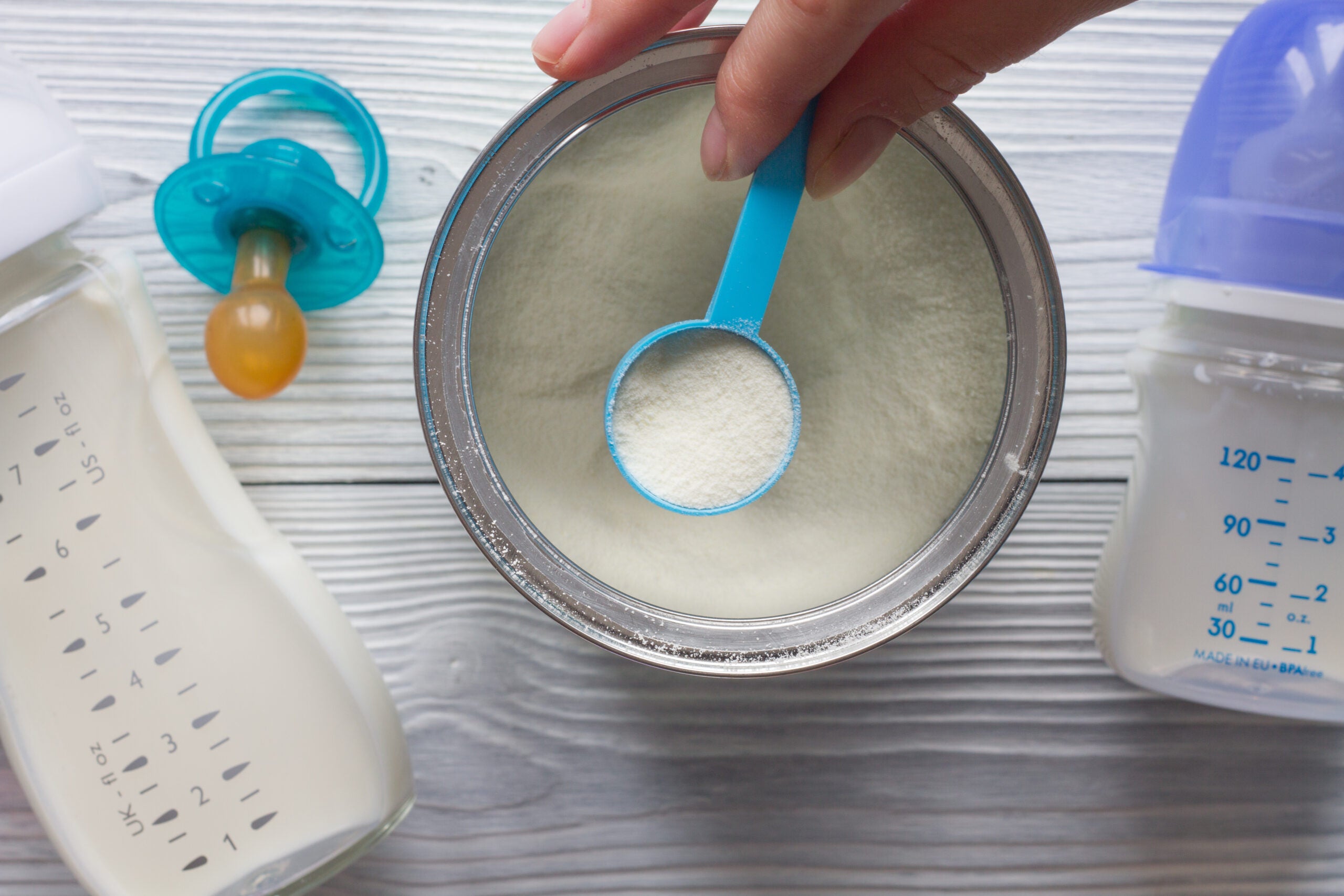
Official Responses and Interventions
The unfolding crisis prompted a multi-pronged response from federal agencies and policymakers.
Operation Fly Formula: In May 2022, the Biden administration launched "Operation Fly Formula," a program designed to expedite the importation of infant formula from countries with established safety standards. This initiative involved coordinating with manufacturers in Europe and other regions to airlift critical supplies into the U.S., bypassing some of the usual logistical hurdles. Several flights carrying specialized and standard formulas arrived in the ensuing weeks, providing much-needed relief.
FDA Actions: The Food and Drug Administration (FDA) played a crucial role in facilitating the importation of formula. The agency announced steps to streamline the review process for foreign-made infant formula, allowing for greater flexibility in approving products that met stringent safety and nutritional requirements. Commissioner Robert Califf and other FDA officials engaged directly with manufacturers and international regulatory bodies to address supply chain issues and ensure the safety of imported products. The agency also focused on working with Abbott Nutrition to bring the Sturgis plant back online safely and efficiently.
Congressional Oversight and Legislation: Congress held hearings to investigate the causes of the shortage and explore legislative solutions. Discussions centered on strengthening domestic manufacturing capabilities, diversifying the supply chain, and improving regulatory oversight. The Formula Act, introduced in the House of Representatives, aimed to create a more resilient domestic infant formula industry by providing incentives for domestic production and research. Other legislative efforts focused on increasing transparency in the formula supply chain and ensuring that federal assistance programs like WIC could adapt more quickly to shortages.
State-Level Initiatives: Many state governments also took proactive steps. This included waiving certain regulations to allow for easier distribution of formula, working with local retailers to track inventory, and providing resources to families struggling to find formula. Some states also launched public awareness campaigns to educate parents on safe alternatives and where to seek assistance.
What Families Can Do and What They Should Avoid
During the shortage, guidance for families was crucial:
What You Can Do Now:
- Check Multiple Retailers: Advise parents to broaden their search beyond their usual shopping locations. This might include different grocery stores, pharmacies, big-box retailers, and even online marketplaces.
- Contact Pediatricians: Pediatricians’ offices often have access to samples of specialized formulas or can connect families with resources and support networks. They can also advise on appropriate alternatives if available.
- Utilize WIC Resources: For eligible families, WIC offices are a primary source of support. The program worked to ensure participants could access available formula options, even if they differed from their usual purchases.
- Explore Online Options: While supply was tight, some online retailers might have had inventory. However, parents were cautioned to be wary of inflated prices and unauthorized sellers.
- Connect with Support Groups: Online and local parent support groups could offer valuable information, sharing of resources, and emotional support during this stressful period.
What Not to Do:
- Do Not Make Your Own Formula: Emphasize that homemade infant formula is extremely dangerous and can lead to severe nutritional deficiencies, illness, or even death in infants. It lacks the precise balance of nutrients required for infant development.
- Do Not Dilute Formula: Watering down formula to make it last longer can reduce its caloric and nutrient content, leading to malnutrition and failure to thrive.
- Do Not Use Expired Formula: Formula past its expiration date may have degraded nutrients and could pose a risk to infant health.
- Do Not Buy Formula from Unverified Sources: Caution against purchasing formula from unknown individuals or unfamiliar websites, as it may be counterfeit, contaminated, or unsafe.
- Do Not Hoard Formula: Encourage parents to buy only what they need to ensure availability for other families in their community.
Future Directions: Building Resilience
The infant formula crisis has illuminated the urgent need for policy changes to prevent a recurrence of such severe shortages. An article published in the American Journal of Clinical Nutrition outlines several critical action steps that could bolster the nation’s preparedness and resilience:
- Diversify Domestic Manufacturing: Reducing reliance on a limited number of manufacturing facilities is paramount. Encouraging new entrants into the market and supporting existing domestic producers through incentives and regulatory streamlining can create a more robust and distributed manufacturing base. This includes exploring ways to make it easier for smaller or specialized manufacturers to enter the market.
- Strengthen Supply Chain Transparency and Monitoring: Greater visibility into the entire infant formula supply chain, from raw material sourcing to final product distribution, is essential. This would allow for earlier detection of potential disruptions and more agile responses. Implementing robust tracking systems and requiring manufacturers to report on inventory levels and production capacity could be beneficial.
- Enhance Regulatory Flexibility and Preparedness: While maintaining rigorous safety standards, regulatory bodies like the FDA could explore mechanisms for more agile responses during emergencies. This might include pre-approved pathways for foreign formula manufacturers to enter the U.S. market quickly during a declared shortage, or establishing a national stockpile of critical infant formula.
- Support Breastfeeding and Lactation Support: Continued investment in public health initiatives that support breastfeeding, alongside comprehensive lactation support services, can reduce the overall demand for formula. This includes workplace accommodations for nursing mothers and accessible lactation consultants.
- Review and Modernize WIC Program Regulations: The WIC program, a critical safety net, could benefit from updated regulations that allow for greater flexibility in purchasing alternatives during supply disruptions. This might include expanding the approved list of formula brands or types that WIC participants can purchase, or creating mechanisms for faster procurement of alternative products.
- Invest in Research and Development: Supporting research into new and innovative infant feeding solutions, as well as improved manufacturing processes, can contribute to long-term supply chain resilience.
Broader Implications and a Call for Action
The infant formula shortage serves as a stark reminder of the interconnectedness of global supply chains and the critical importance of ensuring access to essential goods. It has underscored the vulnerability of infants, particularly those with special medical needs, and the profound impact that disruptions can have on families.
Moving forward, a sustained and collaborative effort involving government agencies, manufacturers, healthcare providers, and consumer advocacy groups will be necessary to implement lasting solutions. The lessons learned from this crisis must translate into concrete policy changes and strategic investments to build a more secure and equitable future for infant nutrition in the United States. The health and well-being of the nation’s youngest citizens depend on it.
