
The year 2022 marked a significant period for discussions surrounding food and nutrition, with the White House Conference on Hunger, Nutrition, and Health standing as a pivotal event. This landmark conference, the first of its kind since 1969, culminated in the development of a national strategy aimed at eradicating hunger and fostering increased healthy eating and physical activity by the year 2030. While the comprehensive plan outlines a number of promising initiatives, including the expansion of nutrition assistance programs and the potential inclusion of medically tailored meals within Medicare coverage, experts from the Department of Nutrition at Harvard T.H. Chan School of Public Health have also highlighted several critical omissions. Their analysis points to the need for stronger measures to protect children from pervasive unhealthy food marketing and a more robust transformation of the food system to address the escalating challenges of climate change.
The national strategy, released in September 2022, represents a concerted effort by the Biden-Harris administration to tackle deeply entrenched issues of food insecurity and poor dietary habits. The strategy’s ambitious goals are underpinned by a series of proposed actions designed to create a more equitable and health-conscious food environment. However, the perspective from leading nutrition scientists underscores that achieving these goals requires a multi-faceted approach that extends beyond the immediate scope of the current plan.
A National Strategy Takes Shape: Promises and Perceived Gaps
The White House Conference on Hunger, Nutrition, and Health, held on September 28, 2022, was a historic gathering intended to re-examine and re-energize national efforts to combat hunger and diet-related diseases. The subsequent release of the "National Strategy on Hunger, Nutrition, and Health" detailed a roadmap with five pillars: improving nutrition for all Americans, increasing physical activity, supporting healthy food environments, increasing access to nutritious food, and boosting nutrition and food security research.
Key proposals within the strategy include:
- Expanding access to nutritious food: This involves strengthening programs like SNAP (Supplemental Nutrition Assistance Program) and WIC (Women, Infants, and Children), and exploring ways to make healthy food more affordable for low-income households.
- Promoting healthy eating: The strategy aims to encourage healthier food choices through clearer labeling, updated dietary guidelines, and initiatives to reduce consumption of unhealthy foods, particularly among children.
- Increasing physical activity: Recognizing the interconnectedness of diet and exercise, the plan includes measures to promote physical activity in schools, workplaces, and communities.
- Supporting research: A significant component is the commitment to further scientific inquiry into nutrition, food security, and the social determinants of health.
However, in their commentary, Drs. Frank Hu, Walter Willett, and Lilian Cheung, prominent figures in nutrition research, voiced concerns that the strategy, while laudable in its aims, fell short in addressing some of the most potent drivers of unhealthy eating patterns and systemic food issues. Their critique, published shortly after the strategy’s release, pointed to the omission of crucial policies that could significantly alter the food landscape.
One of the most significant concerns raised was the inadequate attention to the impact of marketing on children’s dietary choices. The pervasive promotion of sugary cereals, fast food, and other less healthy options through various media channels has been widely documented as a factor contributing to childhood obesity and the early development of diet-related chronic diseases. The lack of a robust plan to curb such marketing practices was seen as a missed opportunity to create a healthier environment for the nation’s youth.
Furthermore, the experts emphasized the urgent need to integrate climate change considerations into food system policies. The current food system is a major contributor to greenhouse gas emissions, deforestation, and water pollution. Conversely, climate change poses significant threats to food production and security through extreme weather events, altered growing seasons, and increased pest and disease prevalence. A truly sustainable food system, as advocated by Drs. Hu, Willett, and Cheung, must simultaneously prioritize public health and the health of the planet.
Expert Analysis: The Imperative for Sustainable Food Systems
The call for a more holistic approach to food policy resonates with a growing body of scientific evidence. Studies have consistently shown a strong correlation between the environment in which food is produced and consumed, and the health outcomes of populations. For instance, the prevalence of food deserts, areas with limited access to affordable and nutritious food, contributes to higher rates of obesity and related conditions in underserved communities. Addressing these systemic issues requires more than individual behavior change; it necessitates structural changes that make healthy choices the easy, affordable, and accessible choices for everyone.
The sentiment expressed by the Harvard nutrition experts highlights a broader challenge: the need for unprecedented collaboration. "To have a significant impact, the administration must bring together the public and private sectors, along with philanthropists, academia, and individuals to develop truly sustainable food systems that support both public and planetary health," they stated. This collaborative framework is essential because the complex web of factors influencing hunger, nutrition, and health—from agricultural practices and food distribution to economic policies and cultural norms—cannot be addressed by any single entity or sector alone.
The Path Forward: Bridging the Gap Between Policy and Practice
The release of the national strategy and the subsequent expert commentary underscore the ongoing dialogue and evolution of thought in the realm of public health and nutrition. While the administration’s strategy sets a foundational direction, the insights from leading researchers emphasize the critical importance of:
- Robust Regulatory Measures: Implementing stricter regulations on food marketing, particularly to children, is crucial. This could include limitations on advertising unhealthy foods during children’s programming and on digital platforms frequented by young audiences.
- Climate-Smart Food Policies: Integrating climate resilience and sustainability into all aspects of food policy, from agricultural subsidies to food waste reduction initiatives, is paramount for long-term food security and environmental health. This could involve incentivizing sustainable farming practices, promoting plant-based diets, and investing in research on climate-resilient crops.
- Cross-Sectoral Collaboration: Fostering partnerships between government agencies, food industry leaders, academic institutions, non-profit organizations, and community groups is essential for developing and implementing effective, comprehensive solutions.
The White House Conference served as a vital catalyst, bringing together diverse stakeholders to confront the multifaceted challenges of hunger and nutrition. The national strategy that emerged provides a framework for action, and the critical analysis from nutrition experts offers a roadmap for strengthening that framework. As the nation moves forward, the emphasis will likely shift towards translating these ambitious goals into tangible policy changes and on-the-ground initiatives. The success of these efforts will depend on the ability to forge strong alliances and to implement evidence-based strategies that promote not only individual well-being but also the collective health of the planet.
Empowering Individuals Amidst Systemic Change
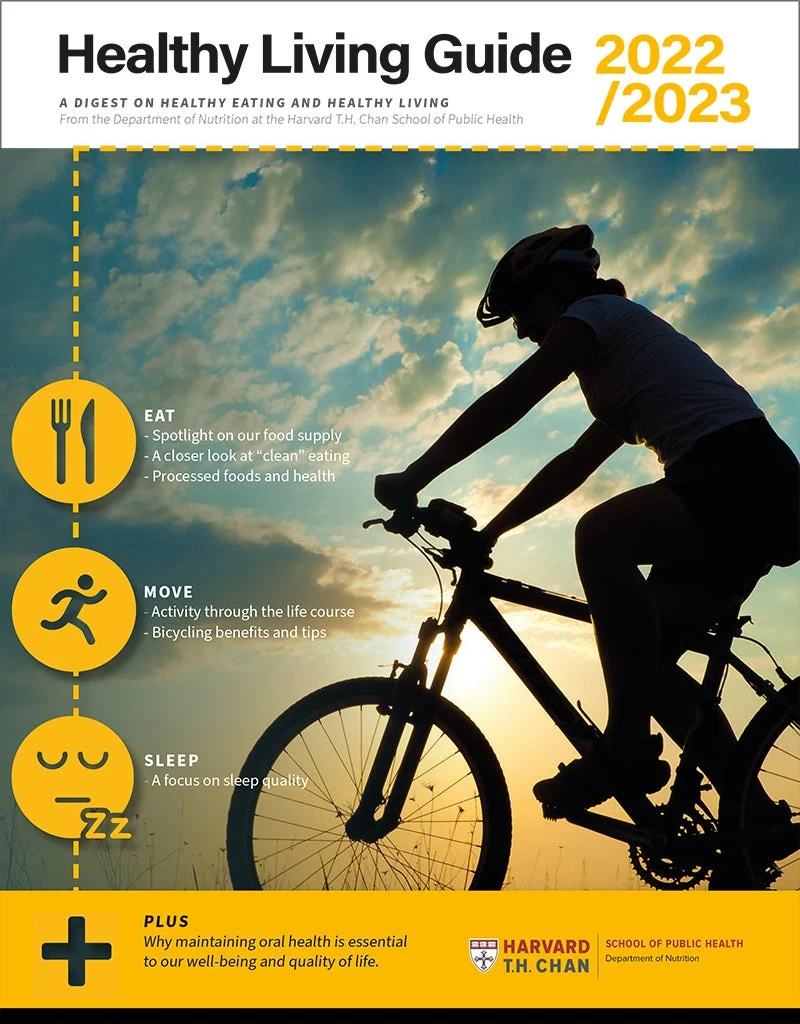
While the focus on policy and systemic change is critical, the Harvard School of Public Health’s initiative also emphasizes the importance of empowering individuals to make healthier choices in their daily lives. The "Healthy Living Guide" serves as a valuable resource for this purpose, offering practical tips and summaries that can help individuals navigate the complexities of healthy eating and living.
The availability of such guides, coupled with ongoing public health campaigns and educational initiatives, plays a crucial role in bridging the gap between national aspirations and individual actions. The principle that "no change is too small" encourages a gradual and sustainable adoption of healthier habits. This includes making informed food choices, increasing physical activity, managing stress, and prioritizing adequate sleep—all components of a holistic approach to well-being.
The guide, available for download as a printable PDF, features curated content from the past year’s publications, offering readers access to a wealth of information. This approach acknowledges that while broad policy changes are indispensable, individual agency and informed decision-making are also vital components of a healthier society. The inclusion of a knowledge quiz, with answers drawn from previous editions of the guide, further encourages engagement and reinforces learning.
The year 2023 holds the promise of continued progress and deeper engagement with the critical issues of food and nutrition. The dialogue initiated by the White House Conference, informed by the insights of leading experts and supported by resources for individual empowerment, sets a promising trajectory. The ultimate goal remains clear: to build a future where healthy eating and healthy living are not aspirational ideals but accessible realities for all, contributing to both individual prosperity and the sustainability of our planet.
