
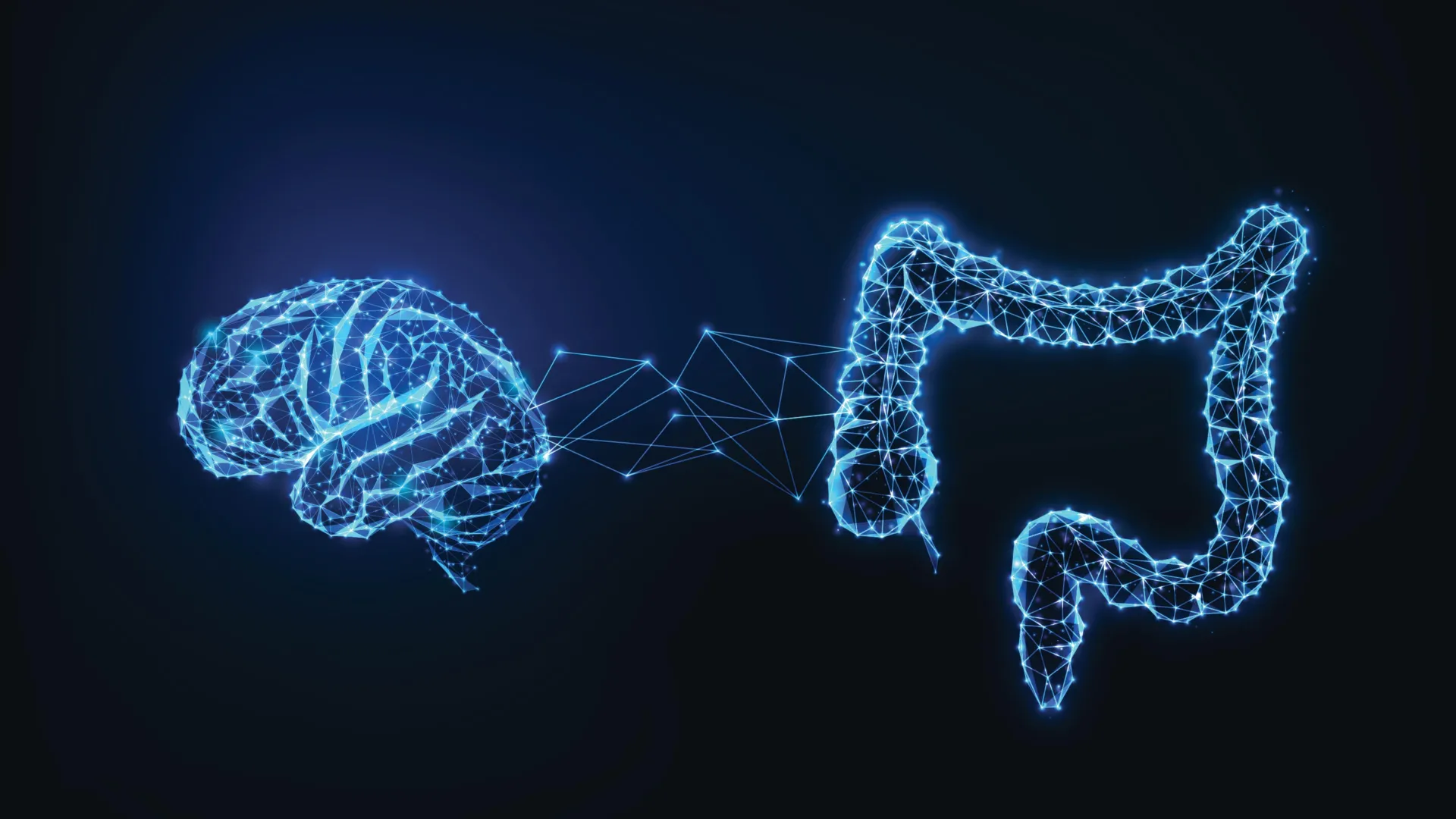
Researchers at Case Western Reserve University have unveiled a groundbreaking discovery that promises to revolutionize the medical community’s understanding and treatment of Amyotrophic Lateral Sclerosis (ALS) and Frontotemporal Dementia (FTD), two of the most debilitating neurological disorders. Their extensive work has pinpointed a previously underappreciated player in the progression of these diseases: the complex ecosystem of microbes residing within the human gut. This finding establishes a direct and actionable link between the gut microbiome and neurodegeneration, opening up novel therapeutic avenues and offering a beacon of hope for patients and their families.
The core of the research, published in the esteemed journal Cell Reports, identifies a specific mechanism by which certain gut bacteria contribute to the devastating brain damage characteristic of ALS and FTD. The team elucidated how particular bacterial sugars, specifically inflammatory forms of glycogen, can trigger destructive immune responses within the brain. Crucially, their investigations have not only illuminated this detrimental pathway but have also identified concrete strategies to interrupt and potentially halt this process. This dual discovery of cause and cure positions the research at the forefront of neurodegenerative disease investigation.
Understanding the Devastation of ALS and FTD
To fully appreciate the significance of this discovery, it is essential to understand the profound impact of ALS and FTD on the human brain and body. Frontotemporal Dementia (FTD) primarily targets the frontal and temporal lobes of the brain, regions critical for personality, social behavior, decision-making, and language comprehension. Its insidious onset often leads to marked changes in an individual’s character, rendering them unrecognizable to loved ones, and can severely impair their ability to communicate and interact with the world. This form of dementia typically affects individuals at a younger age than Alzheimer’s disease, often striking between the ages of 45 and 65, intensifying its tragic impact on families.
Amyotrophic Lateral Sclerosis (ALS), commonly known as Lou Gehrig’s disease, presents a different but equally devastating pathology. ALS specifically attacks motor neurons, the nerve cells responsible for transmitting signals from the brain and spinal cord to muscles, enabling voluntary movement. As these motor neurons progressively degenerate, individuals experience increasing muscle weakness, atrophy, and spasticity. This relentless decline ultimately leads to paralysis, impacting the ability to walk, speak, swallow, and breathe, often necessitating mechanical ventilation for survival. The average life expectancy after diagnosis is typically two to five years, underscoring the aggressive nature of the disease.
Despite decades of intensive research, the precise underlying causes of both FTD and ALS remain elusive. Scientists have explored a broad spectrum of potential etiological factors, including genetic predispositions, environmental exposures to toxins, a history of head injuries, and even dietary influences. While progress has been made in identifying genetic mutations associated with familial forms of these diseases, the majority of cases are sporadic, meaning they occur without a clear inherited link, further complicating research efforts. The Case Western Reserve University study directly addresses this knowledge gap by proposing a significant, previously overlooked environmental contributor: the gut microbiome.
Unraveling the Gut-Brain Mechanism
The research conducted at Case Western Reserve University provides a compelling molecular explanation for why certain individuals, particularly those with specific genetic vulnerabilities, develop these devastating diseases while others with similar genetic profiles remain unaffected. The study meticulously mapped out a key molecular pathway that bridges the activity within the digestive system to the observed damage in the brain.
"We identified that certain detrimental gut bacteria produce inflammatory forms of glycogen, which is a type of sugar," explained Aaron Burberry, assistant professor in the Department of Pathology at the Case Western Reserve School of Medicine. "These bacterial sugars, in turn, trigger specific immune responses that are ultimately responsible for the death of brain cells." This finding is particularly significant because it offers a tangible, modifiable target for intervention.
The team’s analysis of 23 patients diagnosed with ALS or FTD revealed a striking correlation: a substantial 70% of these individuals exhibited elevated levels of this harmful bacterial glycogen. In stark contrast, only approximately one-third of individuals without these neurological conditions showed comparable levels of this inflammatory sugar. This statistically significant difference strongly suggests that the presence of elevated harmful glycogen is not a random occurrence but rather a potent factor contributing to disease pathogenesis in susceptible individuals.
This discovery offers a crucial piece of the puzzle in understanding disease risk and variability. It posits that the gut microbiome can act as a critical environmental modulator, influencing the manifestation of neurodegenerative diseases in individuals who carry genetic predispositions. For instance, in the context of the C9orf72 mutation, the most common genetic driver of familial ALS and FTD, this research sheds light on why not all carriers develop the disease. The presence and activity of specific gut bacteria, producing inflammatory glycogen, may serve as the environmental trigger that initiates or accelerates the disease process in these genetically at-risk individuals.
New Avenues for Treatment and Hope
The implications of these findings for clinical practice are immediate and profound. By identifying harmful gut sugars as a direct driver of disease progression, researchers have unveiled novel and promising therapeutic targets. This research not only points towards potential interventions but also highlights the possibility of identifying specific biomarkers that could aid clinicians in recognizing patients who are most likely to benefit from therapies focused on modulating the gut environment.
The findings pave the way for the development of innovative treatments aimed at degrading these damaging sugars within the digestive system. Furthermore, they provide a strong scientific rationale for the creation of pharmaceuticals designed to specifically target the intricate gut-brain axis. Such therapies could potentially slow down or even prevent the relentless progression of ALS and FTD, offering a much-needed glimmer of hope to millions affected by these conditions worldwide.
Alex Rodriguez-Palacios, assistant professor in the Digestive Health Research Institute at the School of Medicine, expressed optimism about the therapeutic potential. "In our experimental models, we were able to successfully reduce these harmful sugars," he stated. "This intervention not only improved brain health but also significantly extended lifespan in our models." This experimental success in animal models provides strong preclinical evidence for the efficacy of targeting bacterial glycogen.
The Role of Advanced Research Methodologies
The groundbreaking nature of this discovery was significantly enabled by the state-of-the-art laboratory methodologies employed at Case Western Reserve University’s Department of Pathology and Digestive Health Research Institute. A critical component of their approach involved the use of germ-free mouse models. These unique animal models are raised in entirely sterile environments, devoid of any microbial life. This meticulous control allows researchers to precisely isolate and study the effects of specific microbes or microbial products, such as bacterial glycogen, on disease processes without the confounding influence of a complex endogenous microbiome.
The research program is spearheaded by Fabio Cominelli, a Distinguished University Professor and director of the Digestive Health Research Institute. A key innovation enabling this large-scale microbiome research is an advanced "cage-in-cage" sterile housing system, developed by Rodriguez-Palacios. This sophisticated setup is a rare capability, allowing for the investigation of the microbiome on an unprecedented scale. Traditional research methods often restrict scientists to studying only a small number of animals at a time, limiting the scope and statistical power of microbiome studies. The "cage-in-cage" system overcomes these limitations, facilitating the exploration of how the gut and brain communicate in a more comprehensive and robust manner.
This advanced infrastructure has been instrumental in dissecting the complex interplay between the gut microbiome and neurological health, enabling the precise identification of the specific bacterial sugars and their inflammatory consequences. The ability to conduct such detailed investigations at scale is crucial for moving from basic science discoveries to potential clinical applications.
Future Directions and Clinical Translation
The research team is now focused on the next critical steps, which involve translating these promising laboratory findings into tangible benefits for patients. "To understand when and why harmful microbial glycogen is produced, the team will next conduct larger studies surveying gut microbiome communities in ALS/FTD patients before and after disease onset," stated Burberry. This longitudinal study design will provide invaluable insights into the temporal relationship between microbiome changes and disease development, potentially identifying early indicators of risk.
Furthermore, the research strongly supports the initiation of clinical trials. "Clinical trials to determine whether glycogen degradation in ALS/FTD patients could slow disease progression are also supported by our findings and could begin in a year," Burberry added. The prospect of commencing human trials within this timeframe underscores the urgency and potential impact of this research. These trials will rigorously evaluate the safety and efficacy of interventions designed to reduce harmful bacterial glycogen in patients with ALS and FTD.
The broader implications of this research extend beyond ALS and FTD. The gut-brain axis is increasingly recognized as a critical factor in a wide range of neurological and psychiatric conditions, including Alzheimer’s disease, Parkinson’s disease, depression, and anxiety. This discovery at Case Western Reserve University may serve as a foundational insight, paving the way for similar investigations into the role of the gut microbiome in other devastating brain disorders.
The scientific community is keenly observing these developments. Experts in neurodegenerative diseases and microbiome research have hailed the findings as a significant leap forward. Dr. Emily Carter, a leading neurologist not involved in the study, commented, "This work provides a compelling mechanistic link that has been sought for years. The identification of a specific bacterial product as a driver of neuroinflammation in ALS and FTD is a paradigm shift. The therapeutic implications are immense."
The journey from laboratory bench to bedside is often a long and arduous one, but the clarity of the findings and the directness of the proposed interventions suggest that the path forward for ALS and FTD treatment may be significantly shorter and more promising than previously imagined. The gut, once considered solely an organ of digestion, is now revealing itself as a crucial modulator of brain health, offering a powerful new frontier in the fight against neurological disease.
