
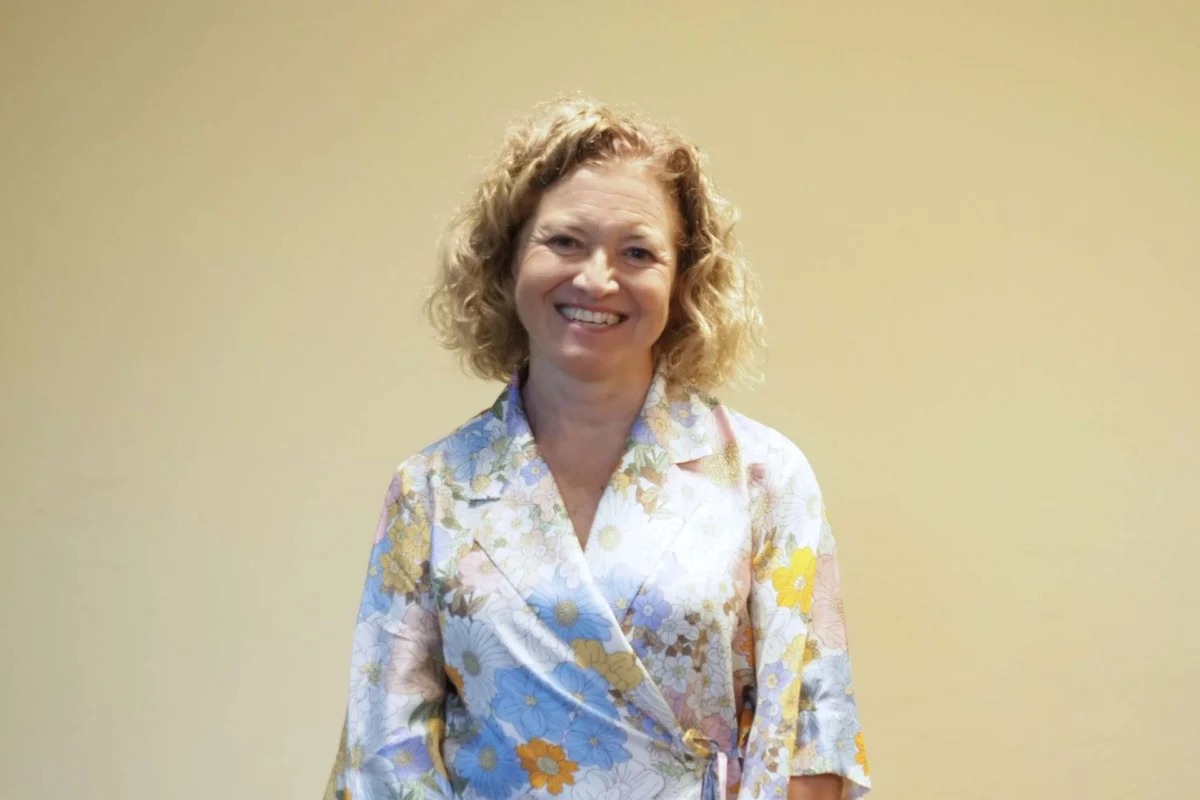
The scientific understanding of autoimmune diseases is undergoing a fundamental shift as researchers move their focus from target organs, such as the brain or pancreas, toward the complex ecosystem of the human gastrointestinal tract. At the forefront of this transition is Marika Falcone, a prominent researcher at the San Raffaele Hospital in Milan, whose recent work highlights the profound influence of the gut microbiome on extra-intestinal autoimmune conditions. Specifically, her research identifies the gut as a primary site where the immune system is "educated," suggesting that the roots of diseases like multiple sclerosis (MS) and type 1 diabetes (T1D) may lie within the trillions of commensal bacteria residing in the human gut.
For decades, autoimmune diseases were viewed through a localized lens. In multiple sclerosis, the focus was the myelin sheath of the central nervous system; in type 1 diabetes, it was the insulin-producing beta cells of the pancreas. However, Falcone’s latest findings indicate that the "priming" of self-reactive T lymphocytes—the immune cells responsible for attacking the body’s own tissues—occurs within the gut environment. This realization suggests that the gut microbiota is not merely a bystander in human health but a central regulator of systemic immune responses.
The Role of Microbiota-Derived Metabolites and T-Cell Modulation
The mechanism by which gut bacteria influence distant organs is complex, involving both direct cellular interactions and the production of metabolic byproducts. Falcone’s research group has identified specific alterations in microbiota-derived metabolites in patients diagnosed with multiple sclerosis. These metabolites, which include short-chain fatty acids (SCFAs) like butyrate and acetate, act as signaling molecules that can either suppress or promote inflammation.
In a healthy individual, the gut microbiota produces metabolites that encourage the development of regulatory T cells (Tregs), which keep the immune system in check. In patients with autoimmune predispositions, however, a state of "dysbiosis"—an imbalance in microbial populations—leads to a different signaling pathway. Falcone explains that her group has demonstrated how the gut microbiota in these patients can directly promote the activation of autoreactive T cells. Once activated in the gut, these cells migrate through the circulatory and lymphatic systems to peripheral organs. In the case of MS, they cross the blood-brain barrier to cause neuroinflammation; in T1D, they infiltrate the pancreas.
A Chronological Evolution of Microbiome Research
The journey to these findings has been decades in the making, reflecting a broader trend in medical science to integrate microbiology with immunology.
- The Late 1990s and Early 2000s: Initial observations began to link the "hygiene hypothesis"—the idea that decreased exposure to microbes leads to increased allergy and autoimmunity—to the gut. Researchers noticed that populations with higher microbial diversity had lower rates of autoimmune disorders.
- 2008 – The Human Microbiome Project: The launch of major international initiatives provided the tools necessary to sequence the microbial DNA of thousands of individuals, allowing scientists to move beyond culture-based methods and see the full scope of the "hidden organ."
- 2010–2015: Studies in animal models, particularly germ-free mice, proved that without a microbiome, the immune system fails to develop correctly. Specifically, researchers found that mice lacking certain gut bacteria were resistant to experimental models of MS, proving a causal link between the gut and the brain.
- 2018–Present: The focus shifted to human clinical trials and specific metabolite identification. Marika Falcone and her peers at San Raffaele and other global institutions began identifying the exact bacterial strains and metabolic signatures associated with disease progression.
Supporting Data: The Rising Prevalence of Autoimmune Disorders
The urgency of Falcone’s research is underscored by the rising global prevalence of autoimmune diseases. According to the Multiple Sclerosis International Federation, there are now approximately 2.8 million people living with MS worldwide, a figure that has risen significantly over the last decade. Similarly, the incidence of type 1 diabetes is increasing by roughly 3% annually across the globe, with the sharpest increases seen in children.
Data from recent clinical cohorts suggests a consistent pattern of reduced microbial diversity in these patient populations. For instance, studies have shown that MS patients often exhibit a depletion of Butyricicoccus and Prevotella—bacteria known for their anti-inflammatory properties—while showing an enrichment of pro-inflammatory taxa like Akkermansia in certain stages of the disease. Falcone’s work adds a layer of specificity to this data, linking these microbial shifts to the actual migration patterns of pathogenic T cells.
Therapeutic Perspectives: From Probiotics to Fecal Transplants
The clinical implications of Falcone’s findings are vast, offering hope for therapies that are less invasive and more targeted than traditional immunosuppressants. Current strategies under investigation at San Raffaele and other leading centers include:
- Precision Probiotics: Moving beyond over-the-counter supplements, researchers are looking at "live biotherapeutic products" (LBPs). These are specific, laboratory-grown strains of bacteria designed to restore the metabolic balance in the gut and induce the production of regulatory T cells.
- Dietary Interventions: Because the microbiome is highly responsive to diet, researchers are investigating high-fiber and specialized ketogenic diets to alter the metabolite profile of the gut. Fiber, in particular, is the primary fuel for the production of beneficial short-chain fatty acids.
- Fecal Microbiota Transfer (FMT): Perhaps the most radical intervention, FMT involves transferring the entire microbial ecosystem from a healthy donor to a patient. Falcone notes an evolving strategy: using "super-donors" or even patients who have shown an exceptional response to standard immunoregulatory therapies. The theory is that these "responders" may harbor specific microbial signatures that can be "transplanted" to help other patients achieve similar clinical outcomes.
Official Responses and Scientific Consensus
The scientific community has reacted to these developments with a mixture of optimism and cautious rigor. While the "gut-brain axis" was once considered a fringe concept, it is now a mainstay of neuroimmunology. Dr. Stephen Hauser, a leading neurologist and director of the UCSF Weill Institute for Neurosciences (not directly involved in the San Raffaele study), has previously noted that the gut is likely the "missing link" in understanding why some individuals with genetic predispositions develop MS while others do not.
Medical regulatory bodies, including the European Medicines Agency (EMA) and the U.S. Food and Drug Administration (FDA), are also taking note. The recent approval of the first fecal-derived microbiota product for the treatment of recurrent C. difficile infections has paved the regulatory pathway for similar products targeting autoimmune diseases. However, officials emphasize that while the link is clear, the transition from "correlation to causation" in human patients requires more large-scale, double-blind clinical trials.
Fact-Based Analysis: Implications for the Future of Medicine
The work of Marika Falcone and the San Raffaele Hospital represents a move toward personalized and preventative medicine. If the gut microbiota can indeed be used as a biomarker, doctors may one day be able to predict the onset of MS or T1D years before physical symptoms appear. By analyzing the stool samples of at-risk children, clinicians could potentially intervene with dietary or microbial therapies to "reset" the immune system before the destruction of the pancreas or nervous system begins.
Furthermore, this research challenges the "one-size-fits-all" approach to autoimmune treatment. If a patient’s disease is being driven by a specific microbial imbalance, then traditional drugs that suppress the entire immune system may be unnecessarily broad. Instead, a combination of traditional medicine and microbial modulation could provide a more effective, dual-action treatment plan.
The economic implications are also significant. Chronic autoimmune diseases require lifelong medication and care, costing global healthcare systems billions of dollars annually. Microbiome-based interventions, particularly those involving diet and standardized microbial transfers, could potentially offer a more cost-effective management strategy, reducing the long-term burden on both patients and providers.
Conclusion: A New Frontier in Immunology
The insights provided by Marika Falcone highlight a pivotal moment in medical history. By establishing that the gut microbiota is a central actor in the pathogenesis of extra-intestinal autoimmune diseases, her research has opened a new frontier in clinical therapy. As the medical community continues to map the intricate communication between gut bacteria and the immune system, the prospect of treating multiple sclerosis and type 1 diabetes through the gut is moving from a theoretical possibility to a clinical reality. The focus now turns to refining these interventions, ensuring they are safe, reproducible, and accessible to the millions of patients worldwide seeking a more holistic approach to managing their conditions.
