
Polycystic Ovary Syndrome (PCOS) remains one of the most prevalent endocrine disorders affecting individuals of reproductive age worldwide, with recent data from the World Health Organization (WHO) suggesting that it impacts approximately 8% to 13% of women globally. Characterized by a complex interplay of hormonal imbalances, insulin resistance, and ovulatory dysfunction, PCOS serves as a primary driver of female infertility. As clinical understanding of the condition evolves, a growing body of evidence—supported by nutrition experts and healthcare practitioners—emphasizes that targeted dietary modifications and lifestyle interventions can significantly improve reproductive outcomes. Tarryn Poulton, a PN1 Certified Nutrition Coach and a prominent voice in the PCOS advocacy space, has highlighted the critical role of metabolic management in overcoming fertility hurdles, drawing from over a decade of clinical research and personal experience to guide those navigating the complexities of conception with the disorder.
The journey toward a PCOS diagnosis often follows a period of unexplained reproductive difficulty, a pattern seen in many clinical case studies. For many, the diagnosis marks the end of a period of uncertainty but the beginning of a rigorous management phase. In the broader medical context, the diagnosis of PCOS typically follows the Rotterdam Criteria, which requires the presence of at least two of the following: irregular periods or ovulation (oligo-ovulation or anovulation), clinical or biochemical signs of high androgen levels (such as hirsutism or elevated testosterone), and the presence of polycystic ovaries as confirmed by ultrasound. For patients diagnosed under these criteria, the path to pregnancy often involves a multifaceted approach that prioritizes the stabilization of blood glucose levels and the reduction of systemic inflammation.

The Chronology of PCOS Management and Conception
The timeline for managing PCOS-related infertility varies significantly among patients, often depending on the severity of insulin resistance and the presence of co-morbidities. In many documented cases, such as those observed in specialized fertility clinics, patients may spend months or even years attempting to regulate their menstrual cycles through pharmacological or lifestyle means. Data suggests that for those who implement strict nutritional protocols, improvements in ovulatory regularity can be observed within three to six months.
A standard clinical timeline for fertility intervention in PCOS patients often begins with lifestyle modifications. If natural conception is not achieved within six to nine months of consistent cycle tracking and dietary management, medical professionals may introduce ovulation-induction agents such as Letrozole or Clomid. However, experts like Poulton argue that the foundation of any fertility plan must remain the "PCOS diet," as nutritional intake directly modulates the endocrine system. The biological objective is to create an internal environment where hormones can return to a state of equilibrium, thereby allowing for the maturation and release of healthy follicles.
The Role of Insulin and Testosterone in Reproductive Health
At the core of PCOS pathophysiology is the relationship between insulin and androgens. Approximately 70% of women with PCOS exhibit some degree of insulin resistance, regardless of their Body Mass Index (BMI). When the body becomes less responsive to insulin, the pancreas compensates by producing higher levels of the hormone. This hyperinsulinemia triggers the ovaries to produce excess testosterone, a male hormone that, in high concentrations, halts the development of follicles and prevents ovulation.

To combat this, a low Glycemic Index (GI) diet is frequently recommended by nutritionists and endocrinologists. By consuming carbohydrates that digest slowly and cause a gradual rise in blood sugar, patients can prevent the sharp insulin spikes that drive androgen production. Balancing these carbohydrates with high-quality proteins and healthy fats further stabilizes the metabolic response. Clinical studies have shown that managing these levels is not merely about weight loss but about hormonal signaling; even thin-type PCOS patients benefit significantly from insulin-sensitizing dietary habits.
Estrogen Dominance and Environmental Influences
Beyond insulin, the balance of estrogen plays a pivotal role in the success of a pregnancy. Many individuals with PCOS suffer from "estrogen dominance," a state where estrogen levels are disproportionately high relative to progesterone. This imbalance can be exacerbated by both dietary choices and environmental factors.
One area of significant debate within the nutritional community is the consumption of phytoestrogens, specifically those found in soy products. Phytoestrogens are plant-based compounds that can mimic the body’s natural estrogen. There are two competing theories regarding their impact: one suggests they may block estrogen receptors and increase circulating estrogen, while the other suggests they may signal the body to reduce its own production. However, some research indicates that high soy intake may lead to delayed ovulation in sensitive individuals. Consequently, many fertility-focused PCOS protocols recommend the temporary elimination of soy to ensure that the hypothalamic-pituitary-ovarian (HPO) axis remains undisturbed.
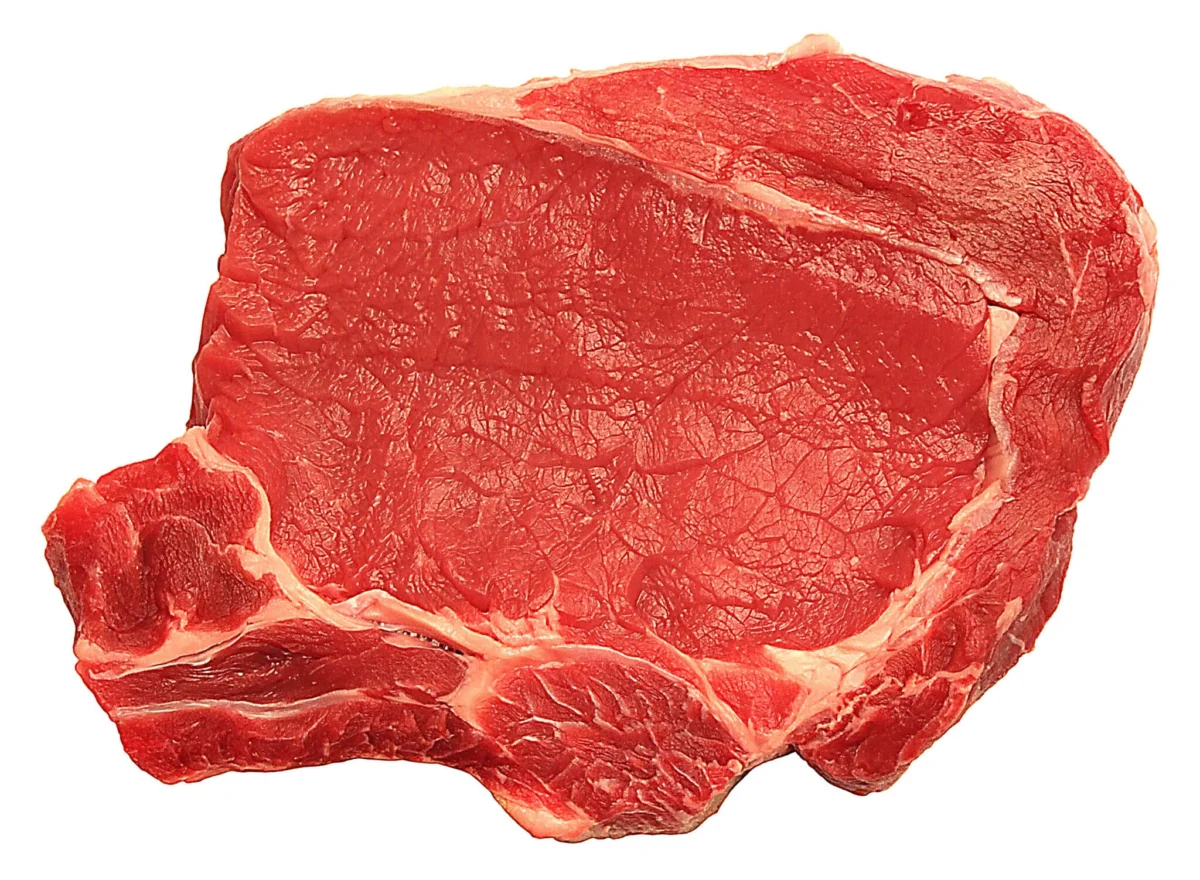
Furthermore, the ingestion of exogenous hormones through animal products is a growing concern. Conventional livestock farming often utilizes growth hormones to increase yield. For a woman whose endocrine system is already disordered, the addition of these synthetic hormones can further disrupt the delicate balance required for conception. Medical analysts suggest that opting for organic, pasture-fed meats can mitigate this risk, although the higher cost of these products remains a barrier to access for many.
Supporting Data on Weight Loss and Fertility
One of the most encouraging pieces of data for those struggling with PCOS is the efficacy of modest weight loss. While the struggle to lose weight is a hallmark symptom of the disorder due to metabolic slowing, research published in the Journal of Clinical Endocrinology & Metabolism confirms that a loss of even 5% to 10% of total body weight can lead to a significant restoration of regular ovulation.
This improvement occurs because adipose tissue (body fat) is metabolically active; it can produce and store estrogen and contribute to insulin resistance. By reducing the volume of adipose tissue, the hormonal "noise" in the body decreases, allowing the primary reproductive hormones—Follicle Stimulating Hormone (FSH) and Luteinizing Hormone (LH)—to function correctly. This 5-10% threshold serves as a critical clinical benchmark for healthcare providers when advising patients on their pregnancy plans.
Nutritional Supplementation and Nutrient Deficiencies
In addition to whole foods, targeted supplementation is often required to address the specific nutrient gaps common in PCOS patients. These deficiencies can impede the quality of both the egg and the uterine lining.
- Chromium: This trace mineral is essential for glucose metabolism. Studies have shown that chromium picolinate can enhance the body’s sensitivity to insulin, effectively lowering the insulin load and, by extension, reducing testosterone levels.
- Vitamin D and Calcium: A significant portion of the PCOS population is Vitamin D deficient. Vitamin D receptors are present in the ovaries, and the nutrient is vital for the development of mature follicles. Research indicates that supplementing with Vitamin D and Calcium can regulate the menstrual cycle and improve the "quality" of the follicles produced during each cycle.
- B-Vitamin Complex: Vitamin B6 is necessary for the production of progesterone, which is the hormone required to maintain a pregnancy once conception has occurred. Furthermore, Folic Acid (Vitamin B9) is a standard recommendation for all women of childbearing age to prevent neural tube defects such as spina bifida.
- Omega-3 Fatty Acids: Found in fish oil and certain seeds, Omega-3s are potent anti-inflammatory agents. They are also known to lower testosterone levels and improve the lipid profile of women with PCOS, contributing to better overall reproductive health.
Broader Impact and Clinical Implications
The implications of these nutritional and lifestyle strategies extend beyond immediate fertility. PCOS is a lifelong condition associated with increased risks of Type 2 diabetes, cardiovascular disease, and endometrial cancer. By adopting a "PCOS-friendly" lifestyle early—especially during the high-motivation period of trying to conceive—women can significantly lower their long-term health risks.
From a public health perspective, the move toward integrated care—combining endocrinology, gynecology, and nutritional science—is gaining momentum. Leading clinicians now recognize that while medication like Metformin or Letrozole has its place, the sustainability of reproductive health relies on the patient’s daily metabolic environment.
The social and psychological impact of PCOS-related infertility cannot be overstated. The frustration of irregular cycles and the lack of control over one’s own body often lead to high levels of anxiety and depression among patients. The shift toward empowered self-management through diet provides not only a biological advantage but also a psychological one, giving patients a sense of agency in their healthcare journey.
As research continues to unfold, the consensus among experts like Poulton and the wider medical community is clear: while PCOS presents a formidable challenge to fertility, it is a challenge that can often be managed through a disciplined, science-based approach to nutrition and supplementation. For the millions of women worldwide hoping for their own "miracle baby," these dietary interventions represent a vital bridge between a devastating diagnosis and a healthy, successful pregnancy.
