
The global pursuit of sustainable solutions has taken a significant leap forward with the announcement of a groundbreaking partnership between Novonesis, a world leader in biosolutions, and the Technical University of Denmark’s (DTU) Bright hub. This collaboration, a key component of the ambitious Acetate Consortium backed by the Gates Foundation and the Novo Nordisk Foundation, aims to transform waste carbon dioxide (CO2) into high-quality, sustainable protein. This initiative represents a pivotal moment in the burgeoning field of gas-derived proteins, promising to enhance both public health and planetary well-being by offering a novel and environmentally conscious protein source.
As the concept of "gas protein" gains traction within scientific and industrial circles, Novonesis is at the forefront of this innovation, embarking on a new fermentation project designed to produce proteins directly from captured carbon. This ambitious endeavor leverages cutting-edge bioscience to create a more circular economy, where waste emissions are repurposed into valuable resources.
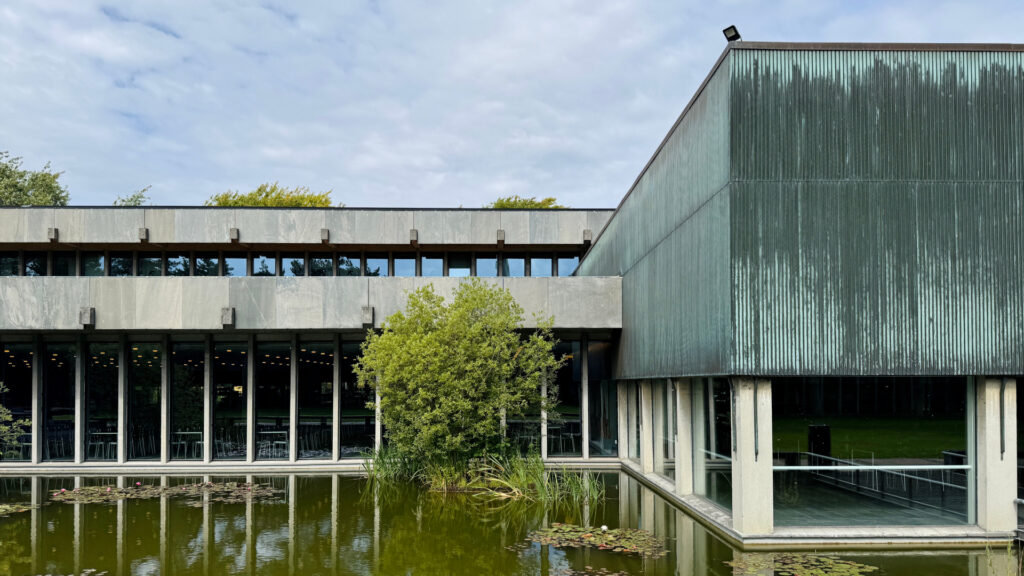
At the heart of this collaboration lies the engineering of specialized microbes capable of efficiently converting waste CO2 into proteins at an industrial scale. Novonesis has joined forces with the Novo Nordisk Foundation Biotechnology Research Institute for the Green Transition (Bright) at DTU. Bright, established earlier this year, is a testament to the growing commitment to accelerating the green transition through biosolutions, fostering a synergistic research environment between DTU and the Novo Nordisk Foundation.
The partnership is an integral part of the Acetate Consortium, which was launched in 2023 by the Gates Foundation and the Novo Nordisk Foundation. The consortium’s core objective is to develop microbial protein production systems that utilize CO2-derived acetate, commonly known as vinegar, as a primary feedstock, thereby moving away from traditional sugar-based fermentation. This strategic shift is particularly significant given that Novonesis itself is majority-owned by Novo Holdings, the investment arm of the Novo Nordisk Foundation, underscoring a deep-seated commitment to advancing sustainable biotechnologies within the organization.
The Challenge of Acetate Fermentation
A fundamental challenge in CO2-to-protein conversion lies in the microbial metabolism. While many microorganisms naturally thrive on glucose, they often struggle to efficiently metabolize acetic acid, the precursor molecule derived from captured carbon. This metabolic bottleneck has been a significant hurdle in scaling up CO2-based protein production. The Novonesis and Bright collaboration is specifically designed to address and overcome this critical limitation.
Professor Jochen Föster, Director of the Bright Biofoundry, expressed his enthusiasm for the partnership, stating, "This collaboration exemplifies what it takes to achieve significant impact: aligned partners, complementary expertise, and the courage to navigate complexity together. We eagerly anticipate continuing this work and strengthening our collaborative efforts in the years to come." This sentiment highlights the collaborative spirit and shared vision driving the project forward.
Accelerating Strain Innovation Through High-Throughput Automation
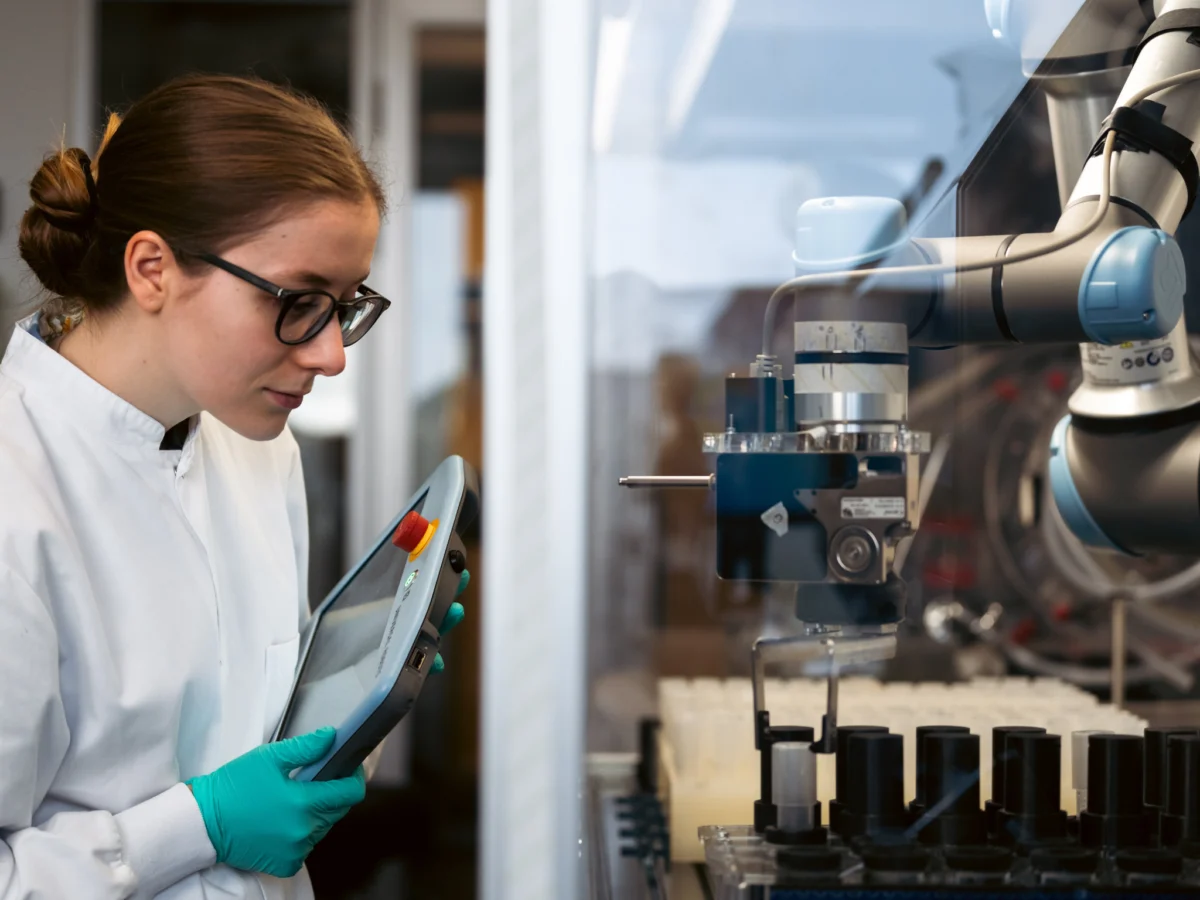
The Bright hub is a central pillar of this initiative, aiming to bolster Denmark and Europe’s bioeconomy by developing scalable products that can reduce the reliance on fossil fuels. Its strategic focus encompasses three key areas: sustainable materials, microorganisms for climate-neutral agriculture, and microbial foods. The Novonesis partnership will see Bright’s researchers applying advanced evolutionary engineering techniques to optimize yeast strains for acetate-based fermentation.
The project’s objectives are multifaceted, focusing on enhancing microbial tolerance to acetate, accelerating the rate at which microbes consume acetate, boosting protein production yields, and ultimately reducing both fermentation time and associated costs. A crucial aspect of this optimization process will be the utilization of Bright’s state-of-the-art high-throughput automated evolution platform. This sophisticated technology allows for rapid and systematic strain improvement, compressing years of conventional laboratory work into a significantly shorter timeframe.
Professor Adam Feist, who is leading the collaboration from Bright, articulated the innovative approach: "This is where evolution becomes a design tool. We are not merely investigating if microbes can grow on low-carbon inputs; we are actively evolving them to do so faster, more efficiently, and in ways that are industrially viable." This perspective underscores a paradigm shift in biological engineering, where evolutionary principles are harnessed for targeted product development.
Claus Crone Fuglsang, CEO of Novonesis, echoed this excitement, emphasizing the potential of the collaboration: "We are thrilled that Bright will now join forces with us to help transform captured CO2 into a nutritious protein source. Together, we aim to develop yeasts and fungi that grow faster, tolerate acetate more effectively, and deliver higher protein yields. This partnership brings us closer to a future where CO2-based proteins play a significant role in more sustainable food production."
The Growing Momentum of Gas-Derived Proteins
This strategic alliance between Novonesis and DTU’s Bright hub is a clear indicator of the accelerating momentum within the gas protein sector. The partnership is built upon the complementary strengths of both entities. Novonesis brings over a decade of invaluable experience in designing and optimizing production strains for various biotechnological applications. Bright, on the other hand, contributes its advanced capabilities in microbial evolution and high-throughput strain development, providing the essential tools for rapid innovation.
This venture is the latest significant development emerging from the Acetate Consortium, which has received substantial funding totaling nearly $55 million from the Gates Foundation and the Novo Nordisk Foundation. The consortium boasts a diverse membership, including prominent organizations such as Novonesis, Orkla Foods, Topsoe, Aarhus University, and Spora, the food innovation center founded by Rasmus Munk, the visionary head chef of the two-Michelin-starred restaurant Alchemist. This broad spectrum of expertise and commitment signals a robust and multifaceted approach to tackling the challenges of sustainable protein production.
The initial phase of the Acetate Consortium focused on establishing an integrated platform for converting CO2 into acetate and subsequently into single-cell and precision proteins. During this phase, consortium members successfully developed microbial strains capable of growing on 100% acetate and yielding protein content exceeding 40%. This foundational work laid the groundwork for the current phase of the project, which is set to run until 2027.
The second phase is dedicated to optimizing and scaling the developed technologies. This includes further refining microbial strains, scaling up fermentation processes, and developing and testing innovative food prototypes. A critical component of this phase will involve comprehensive modeling to assess the technical, economic, and environmental impact of the solutions generated. This holistic approach ensures that the innovations are not only scientifically sound but also economically viable and environmentally beneficial.
The increasing prominence of gas-derived proteins is further highlighted by several other pioneering initiatives. Finland’s Solar Foods has already achieved commercial success with its Solein protein, which has been integrated into beverages and is set to enter the U.S. market this year. In Denmark, Unibio is collaborating with the Saudi Industrial Investment Group to construct what is projected to be the world’s largest gas protein factory. Companies such as Air Protein, LanzaTech, Jooules, and Aerbio are also actively innovating in this dynamic field, each contributing to the growing ecosystem of CO2-to-protein technologies.
Implications for a Sustainable Future
The implications of this Novonesis-DTU Bright partnership and the broader Acetate Consortium are far-reaching. By transforming waste CO2 into a valuable protein source, these initiatives offer a compelling solution to several pressing global challenges.
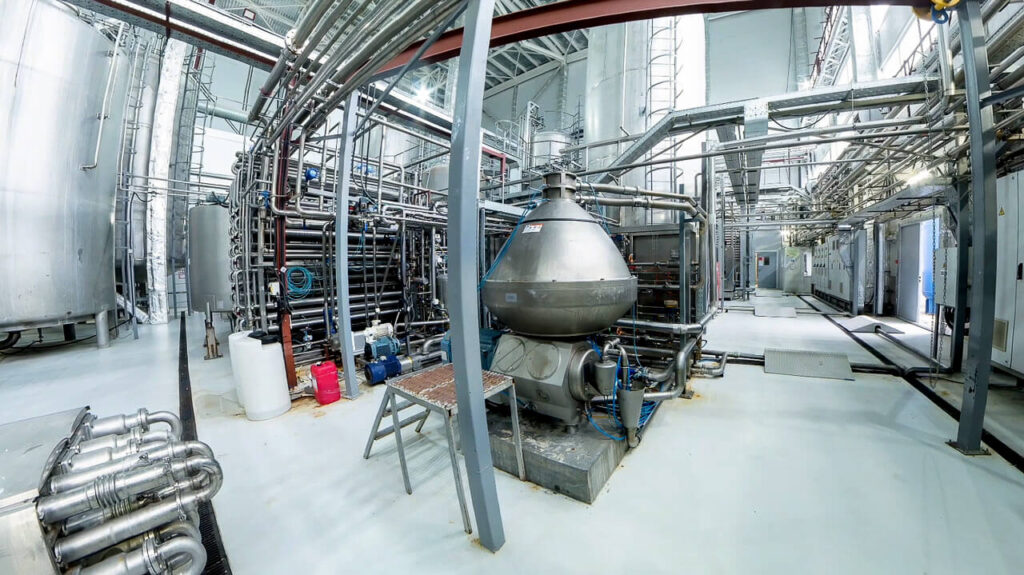
Firstly, they address the urgent need for sustainable food security. Traditional agriculture, while vital, faces limitations in terms of land use, water consumption, and greenhouse gas emissions. Gas-derived proteins offer a pathway to produce protein with a significantly reduced environmental footprint, requiring less land and water and potentially utilizing byproducts from other industrial processes.
Secondly, this technology has the potential to significantly contribute to climate change mitigation. By capturing CO2, a major greenhouse gas, and converting it into a useful product, these projects not only reduce emissions but also create a carbon-negative or carbon-neutral production cycle. This aligns with global efforts to decarbonize various industries and achieve net-zero emissions targets.
Thirdly, the development of novel protein sources can enhance global nutrition and health. As the world population continues to grow, ensuring access to affordable and nutritious food is paramount. Gas-derived proteins can provide a highly efficient and customizable source of essential nutrients, potentially addressing protein deficiencies in various populations.
The financial backing from the Gates Foundation and the Novo Nordisk Foundation underscores the global recognition of the importance and potential of this research. These foundations are known for their strategic investments in solutions that address critical global health and development challenges. Their support for the Acetate Consortium signals a strong belief in the transformative power of biosolutions for a sustainable future.
The technical complexities involved in optimizing microbial strains for acetate utilization are substantial. Acetic acid, while a simpler molecule than complex carbohydrates, can be toxic to many microorganisms at higher concentrations. Therefore, the evolutionary engineering approaches employed by Bright and Novonesis are crucial for developing robust strains that can thrive in these demanding conditions. This involves meticulous selection and adaptation processes to enhance not only acetate tolerance but also the efficiency of metabolic pathways leading to protein synthesis.
The timeline for bringing such innovations to full commercial scale is often lengthy, involving extensive research, development, pilot testing, and regulatory approvals. However, the rapid progress within the Acetate Consortium and the broader gas protein industry suggests that these timelines may be accelerating. The current phase, running until 2027, focuses on scaling and validation, which are critical steps towards market readiness.
The success of this partnership will likely pave the way for further investment and innovation in the field of carbon capture and utilization (CCU) technologies. As industries worldwide seek to reduce their carbon footprint, the ability to transform waste CO2 into valuable products will become increasingly important. This collaboration between Novonesis and DTU’s Bright hub represents a significant step towards realizing that vision, demonstrating the power of scientific collaboration and strategic investment in addressing some of the most critical challenges of our time. The future of protein production is being redefined, and it is increasingly looking towards the air we breathe.
