
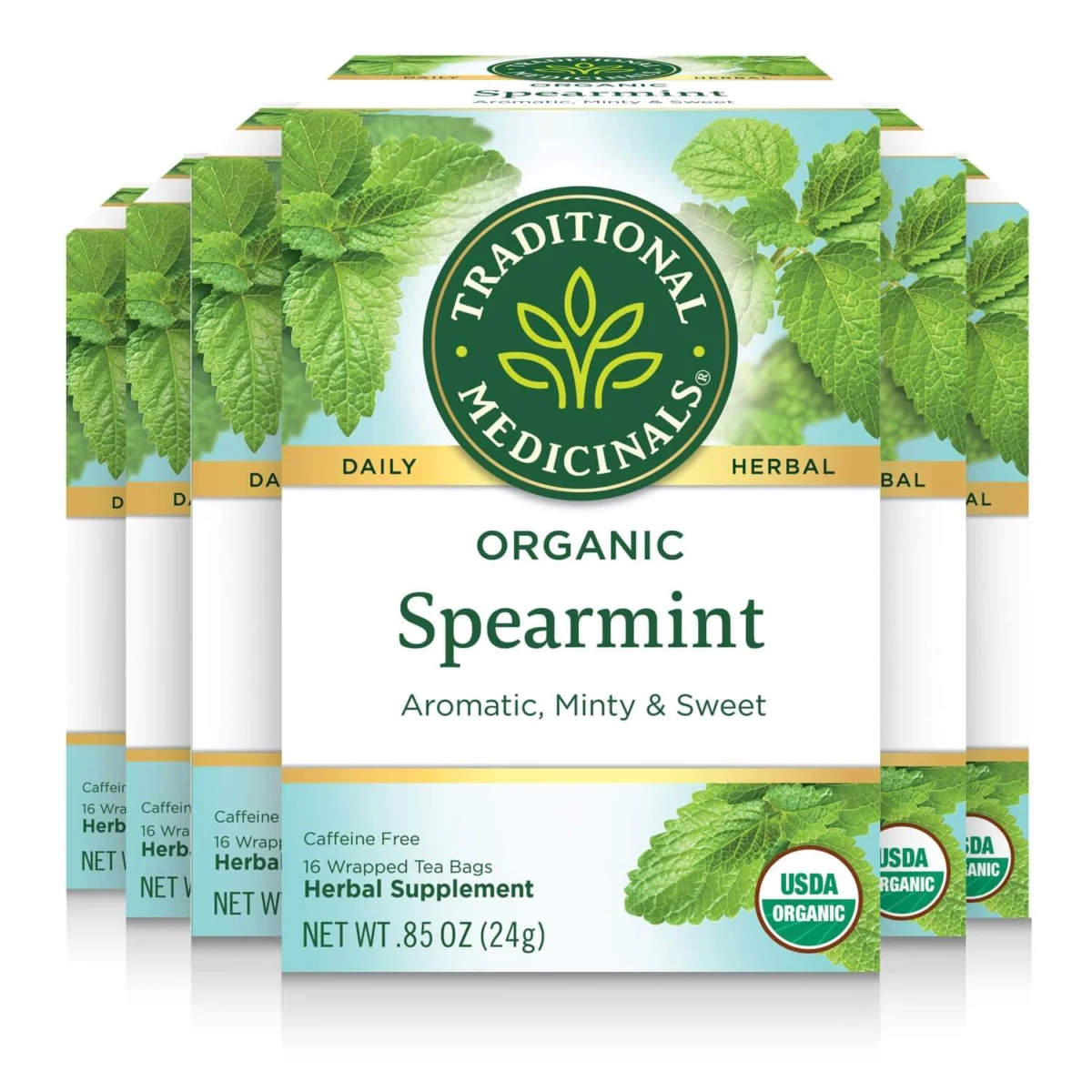
Polycystic Ovary Syndrome (PCOS) remains one of the most prevalent endocrine disorders among women of reproductive age, affecting approximately 8% to 13% of the global female population. Characterized by a complex interplay of hormonal imbalances, insulin resistance, and reproductive challenges, the condition often necessitates a multi-faceted treatment approach. While pharmacological interventions such as metformin and hormonal contraceptives are standard, a growing body of clinical research suggests that spearmint tea (Mentha spicata) may serve as a potent, natural anti-androgenic agent. Recent studies and dermatological trials indicate that the regular consumption of spearmint tea can significantly alter the hormonal profile of women with PCOS, specifically by reducing free testosterone levels and alleviating symptoms like hirsutism and inflammatory acne.
Clinical Foundations: The Impact of Spearmint on Endocrine Profiles
The scientific community’s interest in spearmint tea as a treatment for PCOS gained significant momentum following a landmark randomized controlled trial conducted to assess its anti-androgenic properties. In this study, forty-two women diagnosed with PCOS were monitored over a thirty-day period. The participants were divided into two cohorts: the experimental group consumed spearmint herbal tea twice daily, while the control group received a placebo herbal infusion.
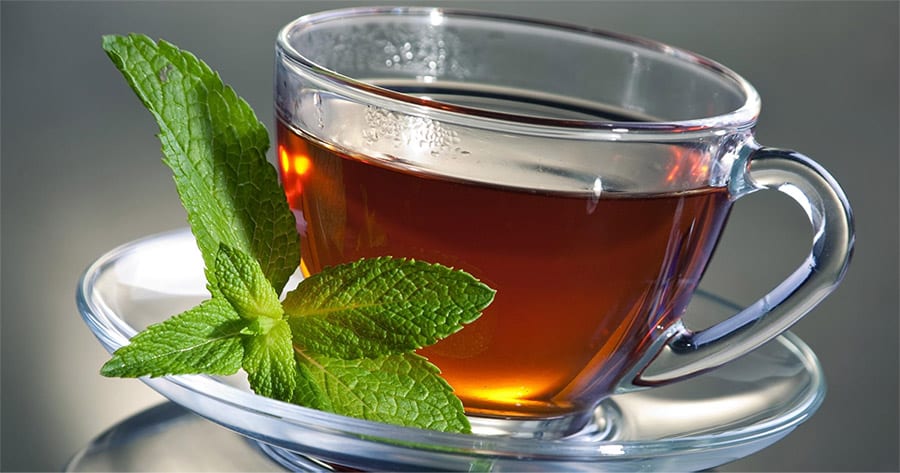
The findings, published in various medical journals, revealed a statistically significant reduction in both total and free testosterone levels among the spearmint tea consumers. Furthermore, the researchers observed an increase in luteinizing hormone (LH) and follicle-stimulating hormone (FSH). These shifts are critical for women with PCOS, as the disorder is typically defined by an elevated LH-to-FSH ratio and hyperandrogenism, which disrupts the normal ovulation cycle. While the thirty-day window was too brief to show a clinical reduction in the Ferriman-Gallwey score (a method for evaluating hirsutism), the subjective reports from participants indicated a perceived decrease in unwanted hair growth, suggesting that longer-term adherence might yield visible clinical results.
Chronology of Research and Development in Herbal Therapeutics
The exploration of Mentha spicata in the context of women’s health has evolved through several key stages over the last two decades:
- Early 2000s: Initial observations in Middle Eastern regions suggested that excessive mint consumption might affect libido, leading researchers to investigate the plant’s effect on androgen levels.
- 2009: The first major randomized controlled trial was published, establishing the link between spearmint tea and the reduction of serum androgen levels in women with PCOS.
- 2013-2015: Research expanded into the dermatological benefits. The American Academy of Dermatology highlighted spearmint’s efficacy in treating hormonal acne, noting its anti-inflammatory properties.
- 2017-2018: Studies moved beyond reproductive health to explore the metabolic and cognitive benefits of spearmint, including its impact on glycemic control in diabetic models and memory enhancement in aging populations.
- 2020-Present: Integrative medicine practitioners increasingly incorporate spearmint tea into standardized PCOS management protocols alongside dietary and lifestyle modifications.
Dermatological Implications: Addressing Hirsutism and Hormonal Acne
One of the most distressing manifestations of PCOS is hirsutism—the growth of terminal hair in a male-pattern distribution, such as on the chin, chest, or back. This condition is driven by high levels of circulating androgens, which miniaturize scalp hair while overstimulating follicles on the face and body. By inhibiting these androgens at the source, spearmint tea acts as a natural alternative to synthetic anti-androgens like spironolactone.

In addition to hair growth, spearmint has shown remarkable results in the treatment of adult hormonal acne. A 2015 study cited by the American Academy of Dermatology found that consuming two cups of organic spearmint tea daily reduced inflammatory acne lesions by 25% after just one month. By the three-month mark, the reduction reached 51%. Unlike topical treatments that only address the skin’s surface, spearmint targets the systemic hormonal fluctuations that cause sebum overproduction and subsequent breakouts.
Metabolic Health and Insulin Sensitivity
The broader impact of PCOS extends to metabolic health, with a significant percentage of patients exhibiting insulin resistance. This condition often leads to compensatory hyperinsulinemia, which further stimulates the ovaries to produce more testosterone, creating a self-perpetuating cycle of hormonal dysfunction.
While human-centric data on spearmint and blood sugar remains an area of ongoing study, animal models have provided compelling evidence. Research involving diabetic rats showed that aqueous extracts of Mentha spicata leaves significantly reduced blood glucose levels and improved lipid profiles. For women with PCOS, these findings suggest that spearmint may play a secondary role in preventing the progression from insulin resistance to Type 2 diabetes. By potentially lowering oxidative stress and protecting the pancreatic beta cells, spearmint offers a protective metabolic buffer.

Cognitive Function and the Mitigation of "Brain Fog"
Many women with PCOS report cognitive symptoms, frequently described as "brain fog," characterized by fatigue, lack of focus, and memory lapses. These symptoms are often linked to the chronic low-grade inflammation and hormonal volatility associated with the syndrome.
Spearmint contains high concentrations of polyphenols, including rosmarinic acid, which have been shown to cross the blood-brain barrier. A study involving 90 individuals with age-associated memory impairment demonstrated that a high-phenolic spearmint extract improved working memory and mental focus by 15% over a 90-day period. For the PCOS patient, this neuroprotective quality may help stabilize mood and improve daily cognitive performance, addressing the psychological burden of the disorder.
Antioxidant Properties and Oxidative Stress Reduction
Oxidative stress is a recognized factor in the pathogenesis of PCOS. Systematic reviews have indicated that women with the condition often have lower levels of circulating antioxidants and higher markers of oxidative damage. Spearmint is a rich source of antioxidants, which neutralize free radicals and reduce systemic inflammation.

By protecting the body from oxidative stress, spearmint tea may help improve the quality of ovarian follicles and support overall reproductive health. This systemic reduction in inflammation also contributes to the alleviation of joint pain and bloating, common secondary complaints among those with endocrine disruptions.
Recommended Protocols and Preparatory Methods
To achieve the therapeutic benefits observed in clinical trials, consistency and preparation are paramount. Medical consensus suggests the following protocol for women with PCOS:
- Dosage: The standard recommendation is two cups of spearmint tea per day, totaling approximately 24 ounces.
- Concentration: Use approximately 1 gram of dried spearmint leaves (or one standard tea bag) per 12 ounces of water.
- Steeping Time: To ensure the release of active volatile oils and polyphenols, the tea should be steeped in boiling water for at least 10 minutes.
- Duration: Hormonal regulation is a gradual process. Most clinical improvements in hair growth and skin clarity are not observed until at least three to six months of daily consumption.
While spearmint is generally considered safe, healthcare professionals advise caution for individuals with gastroesophageal reflux disease (GERD), as mint can relax the lower esophageal sphincter and exacerbate heartburn. Furthermore, the use of spearmint essential oils as a substitute for tea is strongly discouraged without professional supervision, as essential oils are highly concentrated and can be toxic if ingested incorrectly.
Broader Impact on Women’s Integrative Healthcare
The integration of spearmint tea into PCOS management represents a broader shift toward "Integrative Medicine"—a discipline that combines conventional medical treatments with evidence-based natural therapies. For many patients, the ability to manage symptoms through a simple, cost-effective beverage provides a sense of agency over a condition that can often feel uncontrollable.
From an economic perspective, the use of herbal adjuncts like spearmint can reduce the long-term financial burden of PCOS by potentially lowering the required dosages of expensive pharmaceuticals and reducing the need for cosmetic procedures such as laser hair removal or professional acne treatments.
Conclusion and Future Outlook
Spearmint tea stands as a scientifically backed, accessible intervention for the hormonal and dermatological challenges of Polycystic Ovary Syndrome. Its ability to lower testosterone, improve skin health, and provide antioxidant support makes it a valuable tool in the endocrine toolkit. However, it is essential to view spearmint as a component of a larger lifestyle strategy that includes a low-glycemic diet, regular physical activity, and medical oversight.

As research continues to unfold, the medical community anticipates more large-scale human trials to further refine dosage recommendations and explore the long-term impact of spearmint on fertility and cardiovascular health in the PCOS population. For now, the evidence remains strong: for women seeking to balance their hormones naturally, two cups of spearmint tea a day may offer a significant path toward symptom relief and improved quality of life.
