
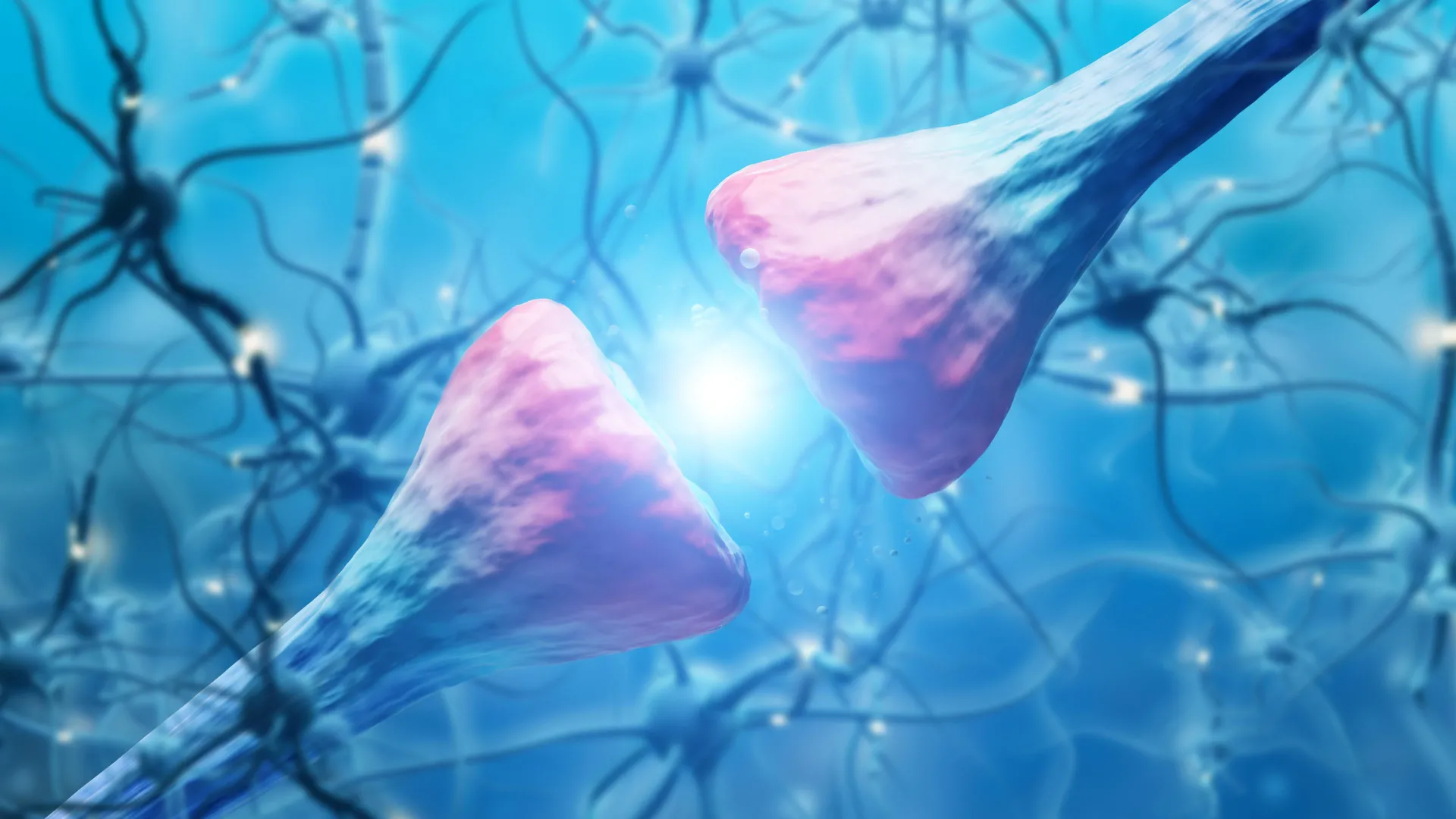
Relapsing into cocaine use is not simply a matter of weak willpower. New research emerging from Michigan State University (MSU) has illuminated the complex biological underpinnings of this persistent challenge, demonstrating that cocaine use can induce lasting changes in brain circuitry, significantly intensifying the urge to return to the drug and making resistance exceedingly difficult. This groundbreaking study, supported by the National Institutes of Health and published in the esteemed journal Science Advances, offers critical insights into the recalcitrant nature of cocaine addiction and paves the way for the development of novel therapeutic interventions.
Unraveling the Neurological Roots of Cocaine Addiction
For decades, addiction has been understood as a chronic, relapsing brain disease, a paradigm shift from earlier notions that viewed it primarily as a moral failing or a lack of self-control. The findings from MSU bolster this scientific consensus, pinpointing specific molecular mechanisms within the brain that contribute to the enduring power of cocaine cravings. At the heart of this discovery is the role of the hippocampus, a brain region indispensable for memory formation and learning, which researchers found is profoundly altered by cocaine exposure.
"Addiction is a disease in the same sense as cancer," stated senior author A.J. Robison, a distinguished professor of neuroscience and physiology at MSU. "We need to find better treatments and help people who are addicted in the same sense that we need to find cures for cancer." This analogy underscores the urgency and scientific rigor being applied to understanding and combating addiction, framing it as a complex biological challenge demanding sophisticated medical solutions.
The Elusive Cure: Why Cocaine Remains So Difficult to Quit
Cocaine addiction represents a significant public health crisis, affecting an estimated one million individuals across the United States. Despite its widespread impact, there is currently no medication specifically approved by the Food and Drug Administration (FDA) to treat cocaine addiction. This stands in stark contrast to other substance use disorders, such as opioid addiction, where pharmacological treatments exist. While cocaine withdrawal typically does not involve the severe physical symptoms seen with opioids, the psychological and behavioral components of addiction, particularly the overwhelming cravings, render abstinence exceptionally challenging.
The neurobiological explanation for this difficulty lies in cocaine’s potent impact on the brain’s reward system. The drug rapidly elevates levels of dopamine, a neurotransmitter associated with pleasure, motivation, and reinforcement. This surge creates an intense feeling of euphoria, leading the brain to erroneously associate cocaine use with survival and well-being, rather than recognizing its inherent harm. This powerful positive reinforcement loop can override rational decision-making and impulse control, solidifying the drug’s grip on the individual.
The persistence of addiction is further evidenced by alarmingly high relapse rates. Statistics reveal that approximately 24% of individuals who manage to stop using cocaine eventually return to weekly use, and an additional 18% seek treatment again within a year. These figures highlight the deeply ingrained nature of the changes that occur in the brain during chronic cocaine use, necessitating a more profound understanding of the underlying mechanisms.
The Protein Protagonist: DeltaFosB’s Role in Driving Cravings
The MSU research team, led by Andrew Eagle, a former postdoctoral researcher in Dr. Robison’s lab, identified a key molecular player in this persistent drive for cocaine: a protein known as DeltaFosB. This protein has long been suspected of playing a significant role in addiction, but the precise mechanisms through which it operates remained elusive until now.
To elucidate DeltaFosB’s function, Eagle employed a sophisticated form of CRISPR gene-editing technology. This innovative approach allowed researchers to meticulously study how DeltaFosB influences specific neural circuits when mice were exposed to cocaine. The use of animal models is a crucial step in addiction research, enabling scientists to manipulate biological pathways and observe direct cause-and-effect relationships that are ethically or practically impossible to study in humans.
A Genetic Switch: How DeltaFosB Rewires the Brain
Experiments conducted with these mouse models revealed that DeltaFosB acts as a critical genetic switch within the circuit connecting the brain’s reward center to the hippocampus. This circuit is vital for processing pleasurable experiences and consolidating them into memories, thereby reinforcing behaviors that lead to reward.
With repeated cocaine exposure, DeltaFosB begins to accumulate within this circuit. As its levels rise, it initiates a cascade of changes that fundamentally alter neuronal function and the circuit’s responsiveness to the drug. Essentially, DeltaFosB promotes the expression of certain genes while suppressing others, effectively rewiring the brain to prioritize the pursuit of cocaine.
"This protein isn’t just associated with these changes, it is necessary for them," Eagle emphasized. "Without it, cocaine does not produce the same changes in brain activity or the same strong drive to seek out the drug." This statement is pivotal, confirming that DeltaFosB is not merely a marker of addiction but an active agent in its development and maintenance.
Amplifying the Signal: Genes That Intensify Cocaine Seeking
Beyond its role as a master regulator, the research also identified additional genes that are directly influenced by DeltaFosB following chronic cocaine exposure. Among these is calreticulin, a protein that plays a crucial role in regulating neuronal communication.
The study demonstrated that elevated levels of calreticulin, orchestrated by DeltaFosB, lead to increased activity in specific brain pathways. These pathways are instrumental in driving individuals to continue seeking cocaine, effectively amplifying the reinforcing effects of the drug and accelerating the neurobiological processes that underpin addiction. This intricate interplay between DeltaFosB and genes like calreticulin paints a detailed picture of how cocaine addiction becomes so deeply entrenched.
A Beacon of Hope: Targeting DeltaFosB for Future Treatments
While the current study was conducted using animal models, the findings hold significant promise for human application. Humans and mice share a substantial portion of their genetic makeup and fundamental neural circuitry, making these discoveries highly relevant for understanding and treating cocaine addiction in people.
The MSU team is actively pursuing the translation of these findings into tangible therapeutic strategies. They are currently collaborating with researchers at the University of Texas Medical Branch in Galveston, Texas, with the goal of developing novel compounds designed to specifically target DeltaFosB. This ambitious project, bolstered by a grant from the National Institute on Drug Abuse, focuses on designing and testing molecules that can modulate how DeltaFosB interacts with DNA, thereby potentially interrupting the pathological changes that drive addiction.
"If we could find the right kind of compound that works in the right way, that could potentially be a treatment for cocaine addiction," Dr. Robison articulated. "That’s years away, but that’s the long-term goal." This long-term vision represents a significant step forward in the fight against cocaine addiction, offering a glimmer of hope for millions affected by this devastating disease.
The Next Frontier: Exploring Sex Differences in Addiction
The journey to comprehensive understanding and effective treatment is ongoing. The next phase of research for the MSU team will delve into the complex interplay between hormones and these identified brain circuits. A particularly intriguing area of investigation will be the examination of whether cocaine exerts different effects on the brains of males and females.
Scientific literature has consistently shown variations in addiction susceptibility and progression between sexes. Understanding these hormonal influences and sex-specific neurobiological responses could provide invaluable insights into why addiction risks and treatment responses sometimes differ between men and women. This knowledge could pave the way for more personalized and effective treatment approaches, tailored to the unique biological profiles of individuals seeking recovery.
Broader Implications for Addiction Science and Public Health
The research from Michigan State University represents a significant advancement in addiction science, moving beyond generalized understanding to pinpoint specific molecular targets and neural pathways involved in cocaine relapse. By demystifying the biological basis of addiction, these findings challenge lingering stigmas and reinforce the scientific consensus that addiction is a treatable medical condition.
The implications for public health are profound. A deeper understanding of DeltaFosB’s role could lead to the development of the first effective pharmacological interventions for cocaine addiction, offering a critical new tool for clinicians and a renewed sense of hope for individuals struggling with this disorder. Furthermore, the ongoing exploration of sex differences in addiction promises to refine treatment strategies, making them more precise and ultimately more successful.
As the research progresses from laboratory bench to clinical application, it underscores the vital importance of continued investment in neuroscience and addiction research. The pursuit of a cure, as Dr. Robison aptly put it, is a scientific imperative, akin to the ongoing battle against diseases like cancer. The breakthroughs achieved at MSU offer a compelling testament to the power of dedicated scientific inquiry in addressing some of society’s most pressing health challenges. The path forward, while long, is illuminated by a clearer understanding of the brain’s intricate mechanisms and a tangible hope for developing treatments that can truly alter the trajectory of cocaine addiction.
