

Brittany McKertcher, a 32-year-old dedicated nurse residing in Alberta, embodies a pervasive yet often underestimated health challenge: the relentless, two-decade-long journey with acne. Her personal narrative, marked by persistent breakouts, emotional distress, and a continuous search for effective treatment, highlights the profound impact this common skin condition can have on an individual’s life, extending far beyond adolescence into adulthood. McKertcher’s experience underscores the complexities of acne management and the critical need for early, expert dermatological intervention to mitigate its physical and psychological tolls.
A Challenging Commencement: The Onset of Adolescent Acne
McKertcher’s battle with acne began at the tender age of 13, a pivotal period of self-discovery and social integration where appearance often plays a significant role in self-perception. "It’s still an ongoing journey in my 30s," she reflects, highlighting the chronic nature of her condition. Her initial symptoms were diverse and aggressive, manifesting as "a lot of surface acne with pustules," alongside the more severe and painful "cystic acne, deep bumps under the skin." This combination of inflammatory lesions and deep-seated cysts is characteristic of moderate to severe acne, which can be particularly challenging to treat and often leaves lasting physical and emotional scars.
In the early stages, like many teenagers, McKertcher initially attempted to manage her condition independently, resorting to over-the-counter (OTC) remedies. "I was just trying over the counter things like different face washes and topicals that would hopefully help heal the acne," she recalls. This common approach, while accessible, often proves insufficient for severe forms of acne. Her efforts extended to finding cosmetic solutions, meticulously searching for a foundation that could both conceal the blemishes and avoid exacerbating skin dryness. However, the deep cystic lesions proved resistant to camouflage. "The deep bumps under the skin were not as coverable because you could still see them in the mirror even though I had makeup on," she lamented, underscoring the limitations of cosmetic concealment for profound skin issues.
The Pervasive Psychological and Social Impact on a Young Life
The impact of acne on McKertcher’s teenage years was substantial and far-reaching, fundamentally shaping her self-esteem and social interactions. She describes a continuous cycle of breakouts without respite, stating, "I did not have any clear days of healing." This constant visibility of her condition led to significant self-consciousness, particularly in social settings. Activities commonly enjoyed by teenagers, such as swimming, hot tubs, or floating on the river, became sources of anxiety and avoidance. "I did not want to do anything that would compromise the makeup on my face and expose the acne," she explains, revealing the extent to which her condition dictated her participation in everyday life.
As an active teenager involved in gymnastics, the struggle was even more pronounced. The physical exertion and inevitable sweating necessitated carrying makeup for immediate touch-ups, a constant reminder of her perceived flaw. The feeling of isolation was further amplified in her high school environment. "It didn’t help that at high school, I seemed to be the only one with serious acne," she notes, a sentiment common among adolescents with severe acne who often feel singled out despite acne being a widespread condition. Studies consistently show that acne can lead to significant psychological distress, including anxiety, depression, social withdrawal, and poor body image, mirroring McKertcher’s personal experience.
A Spiraling Journey Through Medical Interventions
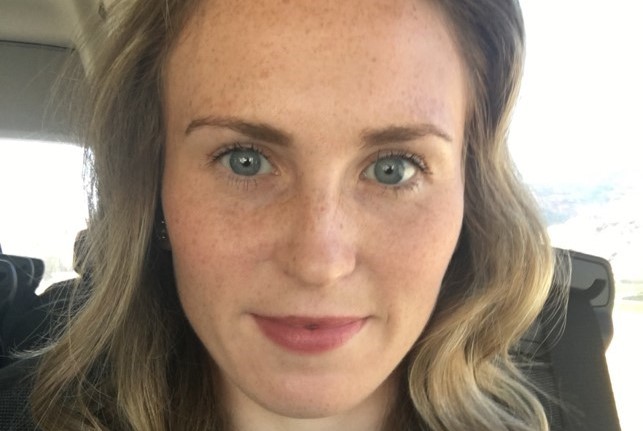
Recognizing the inadequacy of self-treatment, McKertcher sought professional medical help within a year of acne’s onset. This marked the beginning of a prolonged and often frustrating journey through various prescription treatments. Her family doctor initially prescribed topical medications, which, she states, "did not make much of a difference." The ineffectiveness of these initial treatments often prompts further medical exploration, leading to more aggressive therapies.
At the young age of 14, McKertcher was placed on birth control pills, a common hormonal therapy for acne, particularly in females where hormonal fluctuations play a significant role in sebum production and inflammation. This early intervention highlights the severity and perceived hormonal component of her acne. Subsequently, her care escalated to a dermatologist, initiating a series of more potent treatments. She underwent "a whole bunch of antibiotics," which are often used to reduce the bacterial component (P. acnes) and inflammation associated with acne. However, prolonged antibiotic use can lead to bacterial resistance and other side effects, necessitating alternative approaches.
Within a couple of years, McKertcher was prescribed isotretinoin, widely known by its brand name Accutane, a powerful retinoid considered one of the most effective treatments for severe, recalcitrant acne. While it "went OK," she experienced the well-documented side effects, including "extremely dry" skin, nosebleeds, and dry eyes, requiring constant hydration and the use of a humidifier and thick moisturizers. Isotretinoin works by significantly reducing sebum production, normalizing skin cell shedding, and possessing anti-inflammatory properties. Despite its efficacy, the rigorous monitoring requirements and potential for severe side effects, including teratogenicity (harm to a fetus), make it a treatment of last resort, especially for women of childbearing age.
Following her initial Accutane course, her acne improved to a degree, but treatments continued, reverting to birth control pills and introducing spironolactone. Spironolactone is an anti-androgen medication that can be highly effective for hormonal acne in women by blocking androgen receptors and reducing sebum production. McKertcher found this combination to be "the most helpful treatments that I experienced," a testament to the personalized nature of acne management and the potential success of hormonal therapies for specific patient profiles.
Adult Acne: A Heavier Emotional Burden
The expectation that acne is a condition primarily of adolescence, which one "grows out of," often makes its persistence into adulthood particularly challenging. McKertcher’s acne continued throughout her twenties and university years, defying the common societal narrative. Her experiences post-university further illustrated the delicate balance required in managing her condition. A switch from oral contraceptive pills to an intrauterine device (IUD) proved detrimental, causing a significant breakout that necessitated her return to regular birth control. This highlights how different forms of contraception can influence hormonal balance and, consequently, skin health.
As an adult, the emotional toll of acne intensified for McKertcher. "As a teen, everything seems like the end of the world and I felt self-conscious. But you’re kind of expected to have acne and you hope to grow out of it into adulthood," she explains, articulating a common misconception. The reality of adult acne, especially when friends do not share the same struggle, can lead to heightened feelings of isolation and self-consciousness. "The acne has taken a bigger toll on me as an adult. All my friends do not struggle with acne at all and I still feel like it affects me – that is so hard. When I look in the mirror, that is all I see," she candidly shares, illustrating the profound impact on her self-perception and daily life. Adult acne, affecting a significant portion of the population (with estimates suggesting up to 1 in 5 women over 25 experience it), often carries a unique psychological burden due to societal expectations of clear skin in adulthood.
Approximately a year ago, McKertcher embarked on another round of isotretinoin, this time a newer formulation, for about eight months. The results were initially promising, with "really good coverage" and only occasional breakouts during specific times of the month. However, a setback occurred around her wedding, when a different type of makeup was applied, leading to a widespread breakout, even on her eyelids, and the development of body acne. This incident underscores the sensitivity of acne-prone skin to external factors like cosmetics and the potential for new types of breakouts to emerge.
Currently, McKertcher faces another significant hurdle: all her effective acne treatments are on hold as she and her partner hope to start a family. This common dilemma for women of childbearing age highlights the difficult choices patients must make between managing a chronic medical condition and pursuing fertility goals, particularly given the teratogenic risks associated with treatments like isotretinoin and potential contraindications for others like spironolactone during pregnancy.

The Economic Burden and the Imperative of Early Intervention
Throughout her protracted struggle, McKertcher experimented with "many, many different face washes, over the counter acne treatments and other skin care products." Her reflection on this period reveals a significant regret: the "considerable amount of money, time and effort she put into acne skin care – without results." This financial and emotional investment in ineffective solutions is a common trap for individuals with persistent acne. "Looking back now, I know those products are not going to help with cystic acne," she concludes, emphasizing the futility of OTC remedies for severe inflammatory conditions that require prescription-strength interventions. The global market for acne treatments is vast, driven by this constant search for solutions, yet many consumers remain uninformed about the efficacy of various products for different acne types.
McKertcher’s journey culminates in powerful advice for others grappling with serious acne: "Try to see your GP sooner and get a referral to a dermatologist if you need that." This recommendation is crucial, as early intervention by a specialist can prevent the progression of acne, minimize scarring, and significantly reduce the associated psychological distress. She stresses that acne treatment is not a "one-size-fits-all" approach, advocating for personalized care. "Once I worked with my dermatologist, we found a combination that worked," she affirms, highlighting the value of expert guidance in navigating the complex landscape of acne therapies.
A key piece of her advice is to "Get on something before you have scarring." Acne scarring, both atrophic (depressed) and hypertrophic (raised), can be permanent and even more challenging to treat than active acne, adding another layer to the psychological burden. McKertcher is "really thankful that I did not end up with acne scars." She also touches upon the common and often detrimental habit of picking or squeezing blemishes: "It’s really hard to not pick your face though – don’t do it, which I should take my own advice." This habit, while tempting, can exacerbate inflammation, introduce bacteria, and significantly increase the risk of scarring and post-inflammatory hyperpigmentation.
Looking Ahead: Hope for Clear Skin and Future Research
Brittany McKertcher’s ultimate goal remains clear: "My ultimate goal is to have clear skin." This aspiration, shared by millions worldwide, underscores the profound desire for a sense of normalcy and confidence that clear skin can bring. Her current situation, with treatments paused for family planning, presents a temporary setback, but her resilience shines through. "Hopefully I won’t have to take medications forever. I hope there’s more research into treatments for acne," she expresses, articulating a broader need for advancements in dermatological science.
Indeed, the field of dermatology continues to evolve, with ongoing research into novel treatments, including new topical agents, systemic medications with fewer side effects, and targeted therapies that address specific pathways of acne pathogenesis. The development of more personalized medicine approaches, genetic profiling for treatment response, and a deeper understanding of the microbiome’s role in acne offer hope for future breakthroughs.
McKertcher’s story serves as a powerful reminder that acne is far more than a cosmetic nuisance; it is a chronic medical condition with significant physical, emotional, and financial implications. Her journey from a self-conscious teenager to a determined adult advocating for early and effective care highlights the importance of recognizing acne as a legitimate health concern deserving of professional attention. By sharing her experience, McKertcher not only validates the struggles of countless others but also champions the message that seeking timely dermatological care is paramount in achieving both clear skin and peace of mind. Her hope for more research resonates with the broader medical community’s commitment to improving the lives of individuals affected by this pervasive skin condition.
