
The year 2022 was a pivotal period for discussions surrounding food and nutrition, culminating in significant national dialogues and policy initiatives aimed at fostering healthier populations and more sustainable food systems. A landmark event, the White House Conference on Hunger, Nutrition, and Health, held in September 2022, marked the first such gathering since 1969. This conference spurred the development of a national strategy with ambitious goals: to end hunger and significantly increase healthy eating and physical activity by the year 2030.
The Biden-Harris Administration’s national strategy, a comprehensive document outlining a roadmap for change, proposes a multi-faceted approach. Key recommendations include expanding access to nutrition assistance programs, such as SNAP (Supplemental Nutrition Assistance Program) and WIC (Women, Infants, and Children), to reach more vulnerable populations. A notable inclusion is the proposal to cover medically tailored meals under Medicare, recognizing the critical role of diet in managing chronic diseases and improving health outcomes for elderly and disabled individuals. This initiative, if fully implemented, could represent a significant shift in how healthcare providers address nutrition-related conditions, moving towards a more preventative and integrated model of care.
However, despite the promising advancements outlined in the strategy, experts from Harvard T.H. Chan School of Public Health’s Department of Nutrition pointed out several critical omissions that could hinder its overall effectiveness. In a joint reflection, Drs. Frank Hu, Walter Willett, and Lilian Cheung highlighted the absence of robust policies aimed at protecting children from the pervasive marketing of unhealthy foods. The ubiquity of advertising for sugary drinks, processed snacks, and fast food, particularly through digital platforms and social media, has been linked to rising rates of childhood obesity and the early development of chronic diseases. Addressing this issue, they argue, is paramount to fostering lifelong healthy eating habits.
Furthermore, the experts emphasized the urgent need to integrate climate change considerations into food system transformations. The current food system is a significant contributor to greenhouse gas emissions, deforestation, and water pollution. A truly sustainable food system, they contend, must address these environmental impacts to ensure both public and planetary health for current and future generations. This requires a holistic approach that considers not only what we eat but also how our food is produced, processed, distributed, and consumed.
The call for a collaborative effort was a recurring theme in the discussions surrounding the national strategy. Drs. Hu, Willett, and Cheung articulated the necessity of bringing together the public and private sectors, philanthropic organizations, academic institutions, and individuals to forge truly sustainable food systems. Such a unified front is deemed essential to tackle the complex challenges of food insecurity, poor nutrition, and environmental degradation. This collaborative model recognizes that no single entity can solve these multifaceted issues alone; rather, a synergistic approach is required to drive meaningful and lasting change.
The White House Conference on Hunger, Nutrition, and Health, with its historical significance, aimed to galvanize action on a national scale. The conference proceedings and the subsequent release of the national strategy followed a period of heightened awareness about the interconnectedness of health, food, and the environment. Discussions leading up to the conference often cited statistics highlighting the burden of diet-related diseases in the United States. For instance, data from the Centers for Disease Control and Prevention (CDC) consistently shows that a significant percentage of American adults suffer from at least one chronic disease, many of which are preventable or manageable through healthy eating and lifestyle choices. The economic costs associated with these diseases are also substantial, placing a strain on healthcare systems and productivity.
The national strategy’s timeline is set for achievement by 2030, underscoring the urgency of the situation. This timeframe suggests a recognition that incremental changes are insufficient and that a more accelerated transformation is needed. The strategy’s pillars include initiatives focused on improving access to affordable, healthy food, particularly in underserved communities, and promoting nutrition education. It also emphasizes research into the drivers of hunger and diet-related diseases, aiming to inform future policy and interventions.
The reactions from various stakeholders to the national strategy have been mixed, reflecting the diverse interests and perspectives within the food and health sectors. Public health advocates generally welcomed the focus on nutrition and hunger, viewing it as a crucial step in addressing long-standing health disparities. However, many echoed the concerns raised by the Harvard experts regarding the need for stronger regulatory measures, particularly concerning food marketing and environmental sustainability.
Industry groups, while often expressing support for healthier eating, have also voiced concerns about the potential economic impacts of certain policy proposals. For example, stricter regulations on food marketing could affect advertising budgets, and mandates for more sustainable agricultural practices might necessitate investments in new technologies and processes. Navigating these differing viewpoints will be a critical challenge in the implementation phase of the strategy.
The implications of the national strategy, if fully realized, are profound. A significant reduction in hunger and an increase in healthy eating could lead to a healthier, more productive population, with a corresponding decrease in healthcare costs. Moreover, a transformation towards a more sustainable food system could mitigate the environmental impact of food production, contributing to global efforts to combat climate change. The strategy’s emphasis on equity also aims to address the disproportionate burden of food insecurity and diet-related diseases faced by low-income communities and minority groups.
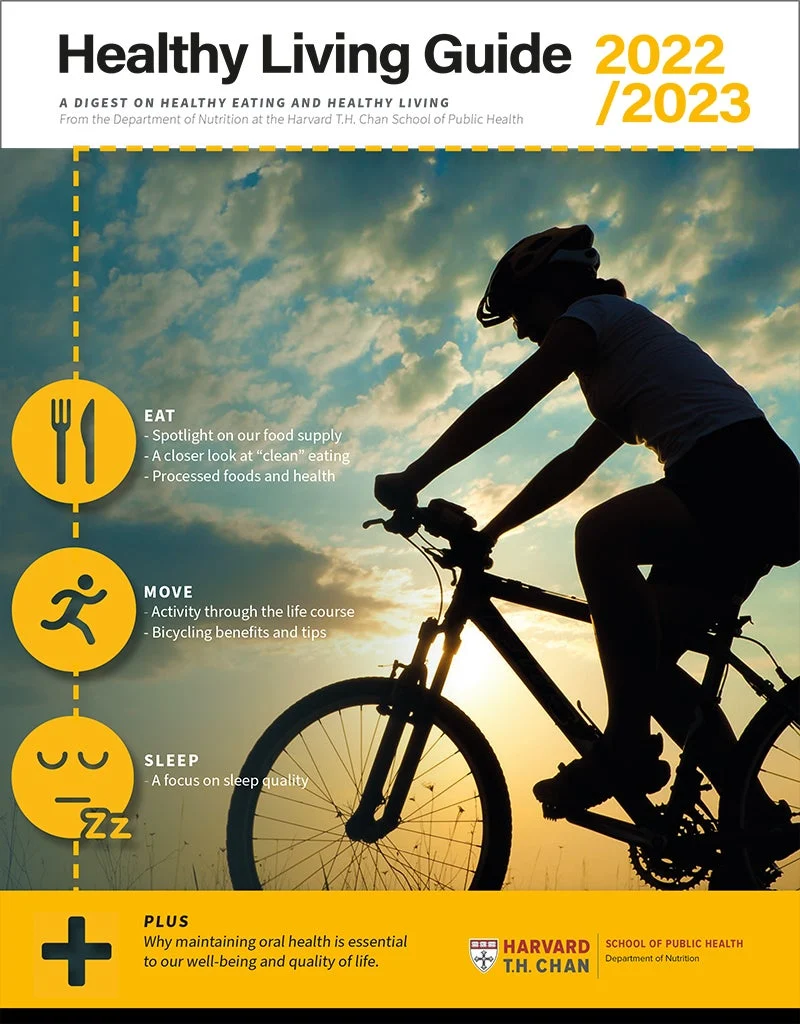
In the interim, while the wheels of national policy turn, individuals are encouraged to embrace healthy behaviors in their daily lives. The principle that "no change is too small" resonates with the understanding that cumulative individual actions can lead to significant collective impact. The Healthy Living Guide, released in conjunction with these discussions, serves as a resource for individuals seeking to make informed choices. This guide offers practical tips and summaries of key information, aiming to empower individuals to take control of their health and well-being.
The guide’s availability in a downloadable PDF format further enhances its accessibility, allowing individuals to print and refer to the information at their convenience. This aligns with a broader effort to disseminate credible health information and promote health literacy across the population. The inclusion of printable tip sheets and summaries caters to diverse learning styles and preferences, ensuring that the information is digestible and actionable.
The content within the Healthy Living Guide likely covers a range of topics essential for a healthy lifestyle. This could include evidence-based dietary recommendations, such as emphasizing whole grains, fruits, vegetables, and lean proteins, while limiting processed foods, added sugars, and unhealthy fats. Information on portion control, mindful eating, and the importance of hydration are also probable inclusions. Beyond nutrition, the guide may also touch upon physical activity guidelines, stress management techniques, and the significance of adequate sleep, all of which are integral components of a holistic approach to healthy living.
The inclusion of a quiz to test healthy living knowledge, with answers found in the previous year’s guide, serves as an engaging tool for reinforcing learning and encouraging continued exploration of health-related topics. This interactive element fosters a sense of personal investment in acquiring and applying health knowledge. Accessing the full edition of the previous year’s guide, as suggested, provides a deeper dive into the foundational information, allowing users to build upon their understanding progressively.
The ongoing dialogue surrounding food and nutrition, amplified by events like the White House Conference and the dissemination of resources like the Healthy Living Guide, underscores a growing societal recognition of the critical link between diet, health, and environmental sustainability. The challenges are considerable, requiring sustained commitment and collaboration from all sectors. As the nation embarks on implementing its strategy, the focus on both systemic change and individual empowerment will be crucial in navigating towards a healthier future. The aspiration is to create a food system that not only nourishes individuals but also sustains the planet for generations to come. The journey towards achieving these ambitious goals will undoubtedly involve ongoing research, policy refinement, and a collective commitment to prioritizing health and well-being.
