
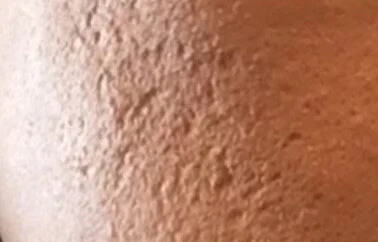
A Canadian lawyer, choosing to remain anonymous, has vividly described the debilitating impact of severe acne scarring on her life, revealing a daily struggle where "the emotional wounds feel just as raw as the physical ones." Her testimony underscores a critical public health issue often trivialized: the profound psychological and social consequences of chronic dermatological conditions, particularly for individuals from diverse ethnic backgrounds. The 40-year-old South Asian woman articulates the immense burden of carrying visible scars, especially on her face, stating, "It is easy to say ‘accept yourself, love yourself’ but the reality is that we carry many scars with us, and when you also carry them on your face, that weight becomes very heavy." Her experience brings to light the urgent need for greater understanding, comprehensive support systems, and a re-evaluation of societal beauty standards that perpetuate suffering for millions worldwide.
The Unseen Battle: A Personal Chronology of Suffering
The lawyer’s struggle began subtly around the age of 20, coinciding with her university years. Initially, her acne was manageable, a common ailment for many young adults. However, in her early 30s, the condition took a dramatic and aggressive turn. "The progression of my acne was swift and relentless," she recounts. "Within months, my face was covered in painful, cystic acne." This rapid deterioration was compounded by her South Asian heritage, placing her at a higher risk for post-inflammatory hyperpigmentation (PIH) – a common consequence of inflammation or injury to the skin, resulting in dark spots or patches. Indeed, alongside the deep, painful cysts, she developed significant hyperpigmentation, further complicating her condition and severely limiting treatment options.

The sudden transformation was not merely a physical inconvenience; it was a deeply traumatic and emotionally devastating experience. "Seeing my once-clear skin covered in large, dark and pus-filled hills made me feel helpless and shattered my confidence immensely," she recalls. The physical pain of the cystic lesions made her "extremely sensitive both emotionally and physically, flinching at the pain and the sight of my reflection." The pervasive embarrassment led to a profound withdrawal from social life. She began avoiding mirrors and dreaded social interactions, feeling perpetually judged. This self-imposed isolation has continued, with her admitting, "To date, there are days when I won’t go out in public." Specific lighting conditions and makeup application, rather than concealing, often accentuate the "deep scarring, uneven texture and years of damage." As she ages, the natural loss of skin elasticity further highlights the scars, intensifying her feelings of vulnerability and self-consciousness. She actively limits social media engagement and in-person socialization, a testament to the enduring psychological toll.
The Weight of Cultural and Societal Expectations
Her cultural background, specifically South Asian, layered an additional dimension of pain onto her experience. In many South Asian communities, skin clarity and complexion are highly valued, often linked to concepts of beauty, purity, and even marriageability. Insensitive comments about skin conditions, unfortunately, are common and often delivered with "callous disregard." She regularly experienced "cruel and unsolicited comments," which made her already isolating situation even more profound. This cultural pressure amplifies the global phenomenon of unrealistic beauty expectations, which she laments for the younger generation, whose "scars likely could last a lifetime and that is a hard thing to accept given the unrealistic beauty expectations we are surrounded by."
The Broad Landscape of Acne and Its Impact: Supporting Data and Medical Context
Acne vulgaris is one of the most common skin conditions globally, affecting an estimated 85% of individuals aged 12-24. While often associated with adolescence, adult acne, defined as acne persisting or developing after the age of 25, is increasingly prevalent, affecting up to 50% of adult women and a significant percentage of men. Severe forms, such as cystic acne, are characterized by large, painful, pus-filled cysts deep within the skin, which can lead to permanent scarring and hyperpigmentation.
The psychological burden of acne and acne scarring is well-documented. Studies have consistently shown a strong correlation between acne severity and mental health issues, including anxiety, depression, social phobia, low self-esteem, and body dysmorphic disorder (BDD). A meta-analysis published in the British Journal of Dermatology found that individuals with acne had a significantly higher risk of developing major depressive disorder. The visible nature of the condition, especially on the face, means that sufferers cannot easily conceal their ailment, leading to persistent feelings of shame and self-consciousness. This constant external visibility of an internal struggle often exacerbates the psychological impact, making it challenging for individuals to engage in everyday activities that most take for granted.
Post-inflammatory hyperpigmentation (PIH) is a particular concern for individuals with skin of color, including those of South Asian descent. Melanin-rich skin types are more prone to hyperpigmentation following inflammation or injury, meaning that even mild acne can leave behind stubborn dark spots that can persist for months or even years. These dark spots can be as distressing as the active acne itself, adding another layer of complexity to treatment and emotional recovery. The challenges in treating PIH in darker skin tones are also significant, as many conventional treatments can cause irritation or even lead to further hyperpigmentation if not carefully managed. This often limits the therapeutic options available to patients like the Canadian lawyer, leading to increased frustration and a feeling of helplessness.
Expert Perspectives: Dermatological and Psychological Insights
Dermatologists and mental health professionals alike emphasize the need for a holistic approach to acne care. Dr. Anya Sharma, a dermatologist specializing in skin of color, comments, "For patients with darker skin tones, managing acne goes beyond clearing lesions; it critically involves preventing and treating post-inflammatory hyperpigmentation. We need culturally competent care that understands both the physiological differences in skin and the unique societal pressures these patients face." She adds that delayed treatment for severe acne can dramatically increase the risk of permanent scarring, making early and aggressive intervention crucial.
Clinical psychologist Dr. Ben Carter, who often works with individuals suffering from chronic visible conditions, highlights the profound link between skin health and mental well-being. "When a condition directly affects one’s appearance, especially the face, it can shatter self-perception and lead to severe social anxiety and depression," he explains. "The constant scrutiny, whether real or perceived, creates a persistent state of hypervigilance and can lead to a profound sense of isolation. Therapy needs to address not just coping mechanisms but also challenge internalized negative beliefs about self-worth that are often rooted in societal beauty ideals." He further notes that the lack of public understanding and empathy for skin conditions often leaves sufferers feeling dismissed or told to "just get over it," which only compounds their distress.
Advocacy organizations like Acne Action Canada play a vital role in raising awareness and providing resources. They stress that acne is a medical condition, not a cosmetic flaw, and its impact extends far beyond the surface. Their initiatives aim to destigmatize acne, educate the public, and empower individuals to seek appropriate medical and psychological support. They advocate for increased research into effective treatments for severe acne and scarring, particularly for diverse skin types, and improved access to dermatological care.
Broader Implications: Public Health, Research, and Societal Change

The lawyer’s narrative serves as a powerful reminder of the broader implications of dermatological conditions. It highlights critical gaps in public health awareness, mental health support, and even dermatological research.
- Public Health: Acknowledging acne’s profound impact as a serious health concern, rather than a cosmetic issue, is essential. This includes promoting early intervention, especially for severe cases, and ensuring that mental health support is integrated into dermatological care pathways.
- Dermatological Research: There is a continuing need for research into more effective treatments for severe acne scarring and hyperpigmentation, particularly those tailored for diverse skin types, which often respond differently to treatments. Understanding the genetic and environmental factors that contribute to acne severity and PIH in specific ethnic groups is also crucial.
- Societal Attitudes: The pervasive influence of unrealistic beauty standards, often amplified by social media, places immense pressure on individuals, particularly the younger generation. There is an urgent need for a societal shift towards greater acceptance of diverse appearances and a more compassionate understanding of visible differences. Media literacy and critical thinking skills are vital for young people navigating a digitally saturated world that often promotes unattainable ideals.
- Cultural Sensitivity: Healthcare providers and society at large must cultivate greater cultural sensitivity, recognizing how different cultural contexts can amplify the psychological burden of skin conditions. This means moving beyond superficial understandings and acknowledging the deep-seated cultural values that shape individuals’ perceptions of beauty and self-worth.
The Canadian lawyer’s raw honesty about her ongoing struggle – "I wish I could offer some wisdom about accepting yourself and finding peace despite the acne and scars but I can’t – I’m not there. I still grapple with self-esteem issues" – is a powerful testament to the long-term, insidious nature of this condition. Her experience, however, has forged a deep sense of empathy within her. "A positive I have drawn from this experience is I have developed deep compassion and empathy for people who have had injuries to their face and others who have suffered facial disfigurement," she states. "If this is how intense I feel about pitted acne scars, my heart, compassion and love go out to them even more to their extremely difficult challenges." This profound compassion underscores the universal human need for understanding and support in the face of suffering, irrespective of its origin. Her story is a poignant call to action, urging society to look beyond the surface and recognize the immense, often silent, battles fought by individuals living with chronic visible conditions.
