
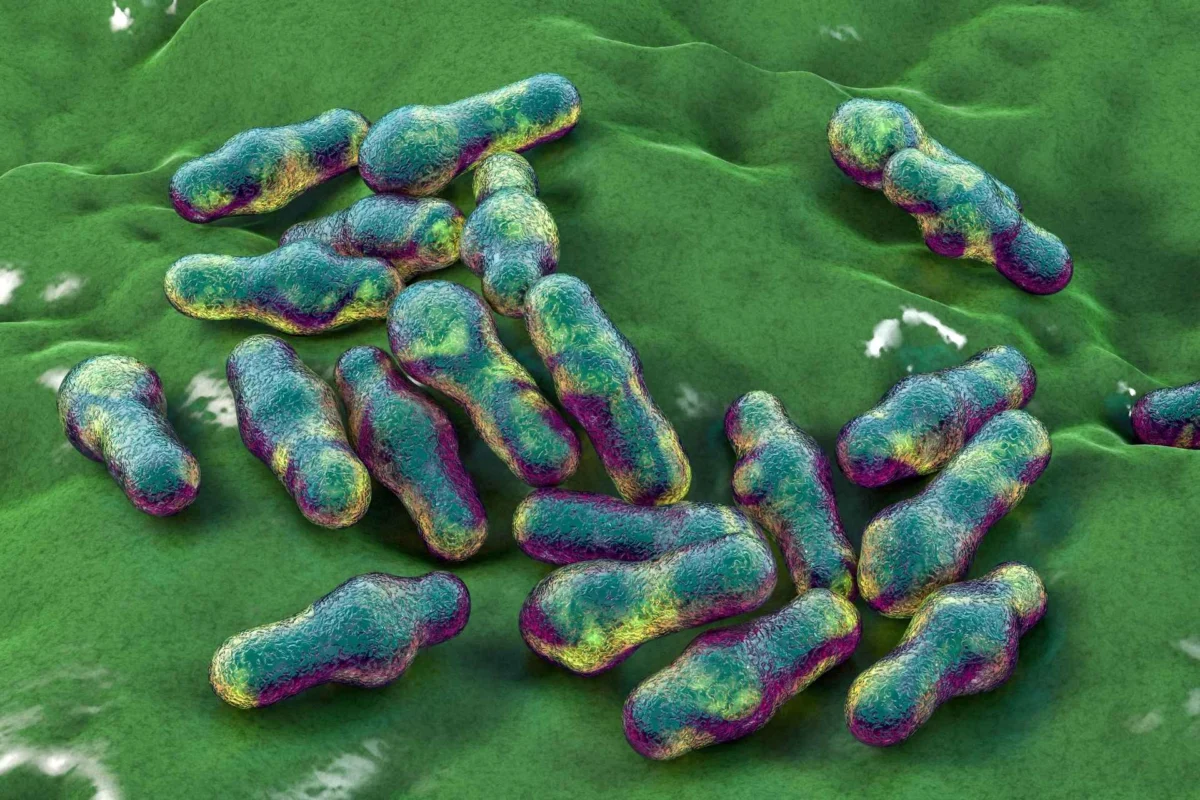
The human gastrointestinal tract is home to trillions of microorganisms, a complex ecosystem collectively known as the gut microbiome that plays a vital role in digestion, vitamin synthesis, and immune system regulation. While most of these bacteria exist in a symbiotic relationship with their host, certain triggers can turn these "friendly" microbes into drivers of chronic illness. A groundbreaking study published in the journal Science Immunology has identified a specific molecular mechanism behind this transition, focusing on the microscopic, whip-like appendages known as flagella. Researchers have discovered that the structural proteins of these flagella, called flagellins, serve as a primary determinant in whether gut bacteria maintain immune homeostasis or spark the debilitating inflammation characteristic of Crohn’s disease.
Led by Lennard Duck and a team of investigators at the University of Alabama at Birmingham (UAB), the research provides a new framework for understanding the delicate balance of the gut. By analyzing the genetic architecture of the Clostridia class of bacteria—a dominant group in the human gut—the team has successfully classified these organisms into two distinct functional groups. This classification offers a potential roadmap for future diagnostics and targeted therapies for Inflammatory Bowel Disease (IBD), a condition that affects millions of individuals worldwide.
The Dual Role of Flagellins in Immune Signaling
To understand the significance of the UAB study, one must first look at the biological function of flagella. For many bacteria, flagella are essential for motility, allowing them to navigate the nutrient-rich environment of the gut. These structures are composed of thousands of repeating protein subunits called flagellins. However, flagellins are more than just structural components; they are potent "patterns" that the human immune system is evolved to recognize.
The human body utilizes specialized sensors, such as Toll-like receptor 5 (TLR5), to detect flagellins. When flagellins bind to these receptors, they can trigger a range of responses. In a healthy gut, this interaction often leads to a low-level, "physiological" immune activation that helps the body maintain a protective barrier. Yet, in patients with Crohn’s disease, the immune response becomes dysregulated, leading to persistent inflammation and tissue damage. Until now, it remained a mystery why some flagellins prompted a calming effect while others acted as inflammatory catalysts.
Genomic Mapping of 100,000 Bacterial Samples
The research team began their investigation with a massive bioinformatic undertaking, analyzing more than 100,000 bacterial genomes derived from gut Clostridia. This broad survey allowed the researchers to look at "motility genes"—the genetic instructions that dictate how a bacterium builds and uses its flagella.
The genomic analysis revealed a surprising lack of uniformity. Even within closely related bacterial families, such as the Lachnospiraceae, the arrangement and diversity of motility genes varied significantly. Some species possessed a complex toolkit of multiple motility genes and diverse flagellins, while others maintained a much simpler genetic profile. Based on these organizational differences and the diversity of the flagellins produced, the UAB team categorized the Clostridia into two primary groups: G1 and G2.
This categorization was not merely academic. It represented a fundamental split in how these bacteria interact with the host. The G1 group was characterized by a more stable, less diverse set of motility genes, whereas the G2 group showed a high degree of variability and a more robust "motility machinery."
Experimental Chronology: From Genomes to Murine Models
After establishing the G1 and G2 classifications through genomic data, the researchers moved into the laboratory to observe these bacteria in a living system. They utilized "germ-free" mice—specialized laboratory animals born and raised in sterile environments without any natural bacteria. This model allowed the scientists to introduce specific G1 or G2 bacteria and observe their effects in isolation.
The initial phase of the experiment showed that both G1 and G2 bacteria were capable of successfully colonizing the mouse gut. Both groups stimulated the production of protective immune cells and induced the secretion of IgA antibodies, which are essential for keeping bacteria from crossing the gut lining. On the surface, both groups appeared to be behaving as normal, commensal members of the microbiome.
However, the second phase of the experiment revealed a stark contrast. When the researchers looked closer at the gene expression within the gut cells of the mice, they found that G2 bacteria triggered significantly stronger responses. The G2-colonized mice showed heightened activity in genes associated with cellular stress and pro-inflammatory signaling. In contrast, G1 bacteria primarily activated pathways involved in maintaining the gut barrier and protective functions.
The definitive proof of the groups’ different roles came when the researchers simulated a "leaky gut" scenario by slightly weakening the intestinal barrier. In this environment, the G2 bacteria caused severe inflammation and visible damage to the colon lining (colitis). The G1 bacteria, despite the weakened barrier, did not induce such a destructive response.
Identifying the "Colitogenic" Potential in Human Patients
The final and perhaps most critical stage of the research involved validating these findings in humans. The team examined tissue samples and microbiome profiles from patients diagnosed with Crohn’s disease. Their findings mirrored the results seen in the mouse models.
In the inflamed intestinal tissues of Crohn’s patients, the researchers found a significant depletion of G1 bacteria and a corresponding overabundance of G2 bacteria. Furthermore, the G2 bacteria in these patients were producing high levels of flagellins that were specifically tuned to activate inflammatory pathways. This shift in the ratio between G1 and G2 bacteria suggests that Crohn’s disease may be driven by an ecological imbalance where "pro-inflammatory" flagellated bacteria outcompete "protective" ones.
The researchers noted that G2 flagellins are particularly adept at stimulating inflammatory signals that the G1 flagellins simply do not trigger. This suggests that the G2 group possesses a "colitogenic" potential—the inherent ability to initiate or exacerbate colitis under the right conditions.
Supporting Data and Molecular Divergence
The data provided by the UAB study highlights a clear molecular divergence between the two groups. Key metrics from the research include:
- Flagellin Expression Levels: G1 bacteria were found to produce flagellins at consistently low levels, effectively "flying under the radar" of the immune system to avoid overstimulation. G2 bacteria produced flagellins at much higher concentrations.
- Immune Receptor Affinity: Molecular modeling suggested that G2 flagellins have a higher binding affinity for TLR5 receptors, leading to a more intense signaling cascade.
- Tissue Localization: In clinical samples, G2 bacteria were more frequently found in close proximity to the epithelial lining, whereas G1 bacteria tended to remain within the mucus layer, further away from sensitive immune sensors.
Broader Implications for IBD Treatment and Diagnostics
The implications of this study are far-reaching for the field of gastroenterology. Currently, Crohn’s disease is treated with broad-spectrum immunosuppressants or biologics that target the body’s inflammatory response. While effective for many, these treatments can have significant side effects and do not address the underlying microbial cause of the inflammation.
By identifying the G1 and G2 groups, scientists can now explore more targeted interventions. Potential future applications include:
- Precision Diagnostics: Doctors could potentially screen a patient’s microbiome for the ratio of G1 to G2 bacteria. A high G2 count could serve as a biomarker for an impending flare-up or as a diagnostic tool for early-stage Crohn’s.
- Targeted Probiotics: Instead of generic probiotics, therapies could involve the introduction of specific G1 strains to displace G2 populations and restore balance to the gut.
- Flagellin Vaccines: There is the possibility of developing vaccines or localized therapies that neutralize specific G2 flagellins without compromising the rest of the microbiome.
The UAB researchers concluded that their study "identified key features of specific commensal bacteria that have colitogenic potential and revealed one mechanism whereby these organisms can potentially initiate intestinal inflammation."
Analysis: The Shift from "What" to "How"
This research marks a significant shift in microbiome science. For the last decade, much of the research focused on what bacteria are present in the gut. The UAB study moves the conversation toward how these bacteria behave based on their genetic blueprints. It acknowledges that a bacterium is not inherently "good" or "bad" but that its specific structural proteins—in this case, flagellins—determine its impact on the host.
As the scientific community continues to unravel the complexities of the gut-brain-immune axis, the distinction between G1 and G2 Clostridia provides a vital piece of the puzzle. It explains why some individuals can harbor "pathogenic" bacteria without getting sick, while others suffer from chronic inflammation: it is a matter of genetic expression, barrier integrity, and the specific "flavor" of the flagellins present in the ecosystem.
The findings from Lennard Duck and his colleagues represent a major step forward in the quest to understand the microbial origins of IBD. By pinpointing the flagellin protein as a master switch for inflammation, the study opens the door to a new era of personalized medicine in digestive health.
