
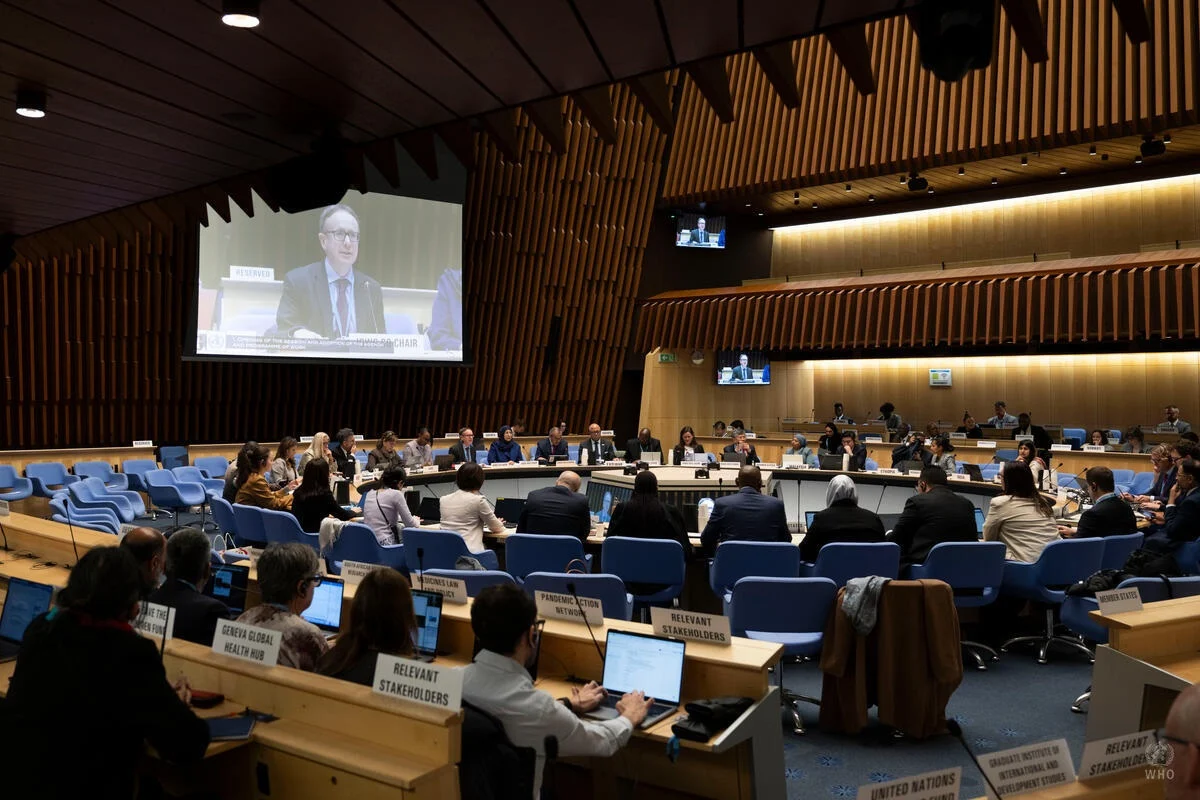
Member States of the World Health Organization (WHO) have concluded a pivotal resumed session of the Intergovernmental Working Group (IGWG), marking a significant step forward in the development of the Pathogen Access and Benefit-Sharing (PABS) system. Held from January 20 to 22, 2026, the session focused on refining the operational details of the PABS system, a framework designed to ensure that the global community can respond to emerging infectious diseases with unprecedented speed and equity. As a cornerstone of the broader Pandemic Agreement adopted by the World Health Assembly (WHA) in May 2025, the PABS system represents a historic shift in how biological data and medical resources are managed during international health emergencies.
During the three-day meeting in Geneva, delegates engaged in intensive text-based negotiations, addressing the remaining "bracketed" or disputed sections of the draft annex that will govern the system’s implementation. The discussions aimed to reconcile the diverse interests of Member States, particularly regarding the balance between the rapid sharing of pathogen samples and the guaranteed delivery of life-saving medical countermeasures to developing nations. The IGWG Bureau reported that while complex issues remain, the session successfully identified areas of convergence that had previously stalled progress.
The Strategic Importance of the PABS System
The PABS system is intended to solve a long-standing paradox in global health: the "equity gap" that characterized the response to the COVID-19 pandemic. During that crisis, many countries shared viral samples and genetic data immediately, yet found themselves at the back of the queue when vaccines and therapeutics were eventually produced using that same data. The PABS system codifies a "quid pro quo" arrangement where the sharing of pathogens with pandemic potential is inextricably linked to the fair and equitable sharing of the benefits derived from them.
Under the proposed framework, the PABS system will manage both physical biological materials and Genetic Sequence Information (GSI). This dual focus is critical because modern vaccine development, particularly mRNA technology, relies more on digital data than on physical samples. By establishing a transparent and accountable pipeline, the WHO aims to ensure that manufacturers who access this data through the PABS system contribute back to a global pool of resources, including vaccines, diagnostics, and antiviral treatments, which can be distributed based on public health need rather than purchasing power.
Chronology of the Pandemic Agreement and PABS Negotiations
The journey toward the PABS system began in the wake of the devastating socio-economic impacts of COVID-19. The timeline reflects a multi-year diplomatic effort to overhaul the International Health Regulations (IHR) and establish a new, legally binding instrument for pandemic preparedness.
- December 2021: The World Health Assembly held a rare Special Session, where Member States agreed to establish an Intergovernmental Negotiating Body (INB) to draft and negotiate a WHO convention, agreement, or other international instrument on pandemic prevention, preparedness, and response.
- 2022–2024: The INB conducted nine rounds of formal negotiations. During this period, the concept of a "Pathogen Access and Benefit-Sharing" system emerged as one of the most contentious yet vital components of the proposed treaty.
- May 2025: The 78th World Health Assembly formally adopted the WHO Pandemic Agreement. While the core treaty was approved, several technical elements, including the detailed operationalization of the PABS system, were delegated to the newly formed Intergovernmental Working Group (IGWG) for finalization.
- December 2025: The IGWG held its fourth meeting. Due to the complexity of the annexes and the high stakes involved for national security and pharmaceutical industries, Member States requested an extension, leading to the resumed session in January 2026.
- January 20-22, 2026: The resumed fourth session took place, focusing on narrowing differences in the draft annex.
- May 2026: The final outcome of the IGWG’s work is scheduled to be presented to the 79th World Health Assembly for consideration and potential adoption.
Key Stakeholder Perspectives and Points of Convergence
The negotiations have been characterized by a delicate balancing act between high-income countries, which host major pharmaceutical hubs, and low- and middle-income countries (LMICs), which often sit on the front lines of zoonotic disease outbreaks.
Ambassador Tovar da Silva Nunes of Brazil, serving as the IGWG Bureau co-chair, expressed optimism regarding the current trajectory. "I am encouraged by the progress we have made in several areas, with signs of emerging consensus for some parts of the Pathogen Access and Benefit-Sharing system," he stated. He noted that the resumed session provided a "clearer picture" of the remaining hurdles, which will be the primary focus of the upcoming fifth session.
Mr. Matthew Harpur of the United Kingdom, also a co-chair, highlighted the constructive spirit of the January talks. He emphasized that Member States demonstrated a renewed willingness to bridge differences to meet the May 2026 deadline. This sentiment is echoed by many in the diplomatic community who view the PABS system as the "litmus test" for the success of the entire Pandemic Agreement.
From a technical standpoint, the discussions have centered on the percentage of production that manufacturers must set aside for global distribution. Previous proposals suggested that 20% of pandemic-related products (10% as donations and 10% at affordable prices) should be reserved for the WHO to distribute to vulnerable populations. While this figure remains a point of debate, the January session saw increased movement toward a formula that provides predictability for manufacturers while guaranteeing access for the Global South.
Supporting Data: The Case for a Formalized System
The necessity for a formalized PABS system is underscored by data from previous health emergencies. During the 2009 H1N1 influenza pandemic, vaccines did not reach many developing nations until the outbreak had already peaked. Similarly, during the COVID-19 pandemic, as of late 2021, high-income countries had administered over 140 doses per 100 people, while low-income countries had administered fewer than 10 doses per 100 people.
Furthermore, the volume of genetic data being shared globally has increased exponentially. The GISAID database, for instance, saw millions of SARS-CoV-2 sequences uploaded during the pandemic. However, there was no legal requirement for those using the data to ensure equitable access to the resulting medical products. The PABS system aims to institutionalize these transactions, moving from a model of "charity-based" distribution to one of "rights-based" equity.
Implications for Global Health Security and the Pharmaceutical Industry
The successful implementation of the PABS system carries profound implications for multiple sectors. For public health authorities, it provides a reliable framework for "Disease X"—a placeholder for a currently unknown pathogen that could cause a future pandemic. By ensuring that samples and data flow into the WHO BioHub System and other recognized laboratories without delay, the global response can begin within hours of an outbreak’s detection.
For the pharmaceutical and biotech industries, the PABS system offers a degree of legal certainty. A standardized international framework reduces the need for companies to navigate a patchwork of bilateral agreements with individual countries, which can be time-consuming and legally fraught. However, industry representatives have raised concerns regarding intellectual property (IP) protections. The IGWG has had to carefully word the PABS annex to ensure that benefit-sharing requirements do not undermine the incentives for innovation that IP rights provide.
Dr. Tedros Adhanom Ghebreyesus, WHO Director-General, reiterated the existential importance of the negotiations. "A strong Pathogen Access and Benefit-Sharing system will be a cornerstone of a safer and more equitable world," Dr. Tedros said. He lauded the commitment of Member States to multilateralism, noting that the PABS system is not merely a technical arrangement but a moral imperative to prevent the repetition of past failures.
Analysis: The Road to the 79th World Health Assembly
As the IGWG moves toward its fifth session, the focus will shift to the most "complex issues," which likely include the legal nature of the contracts between the WHO and manufacturers, the specific triggers for activating the benefit-sharing mechanisms, and the long-term financing of the system.
The "areas of convergence" mentioned by the co-chairs suggest that Member States are reaching an agreement on the transparency of the system—how sequences are tracked and how the "benefit-sharing" contributions are monitored. However, the "outstanding issues" likely involve the governance of the PABS system—specifically, who has the final say in the allocation of resources during a declared Public Health Emergency of International Concern (PHEIC).
The outcome of these negotiations will determine the efficacy of the 2025 Pandemic Agreement. Without a functional PABS system, the agreement risks being a set of high-level principles without the operational "teeth" necessary to change the status quo. If successful, the PABS system will represent the most significant reorganization of global health governance since the creation of the WHO in 1948.
The international community now looks toward May 2026. The Seventy-ninth World Health Assembly will serve as the final arena for these deliberations. If the IGWG can deliver a consensus document, it will signal a new era of global solidarity, where the sharing of a virus’s secrets is met with a guaranteed share of the world’s protection. The progress made in the January 2026 resumed session suggests that while the path is difficult, the collective will to reach a safer, more equitable future remains intact.
