
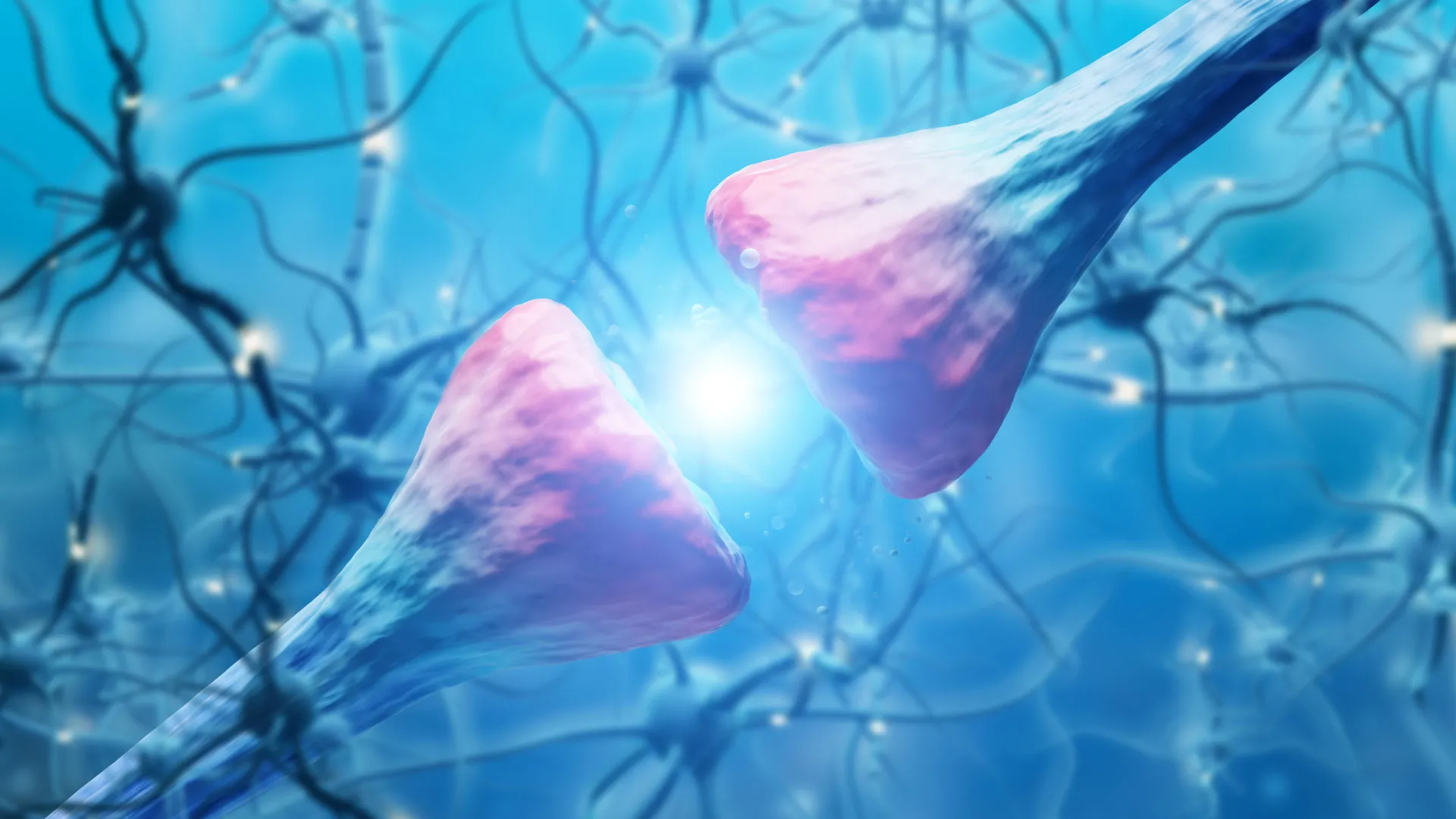
The persistent and often devastating cycle of cocaine addiction, marked by frequent relapses, is not a simple matter of diminished willpower. Groundbreaking new research from Michigan State University (MSU) offers compelling evidence that returning to cocaine use stems from profound and lasting biological alterations within the brain. Scientists have identified how cocaine fundamentally reshapes neural circuits, creating an overpowering urge that becomes exceptionally difficult to resist, even after periods of abstinence. This discovery, published in the esteemed journal Science Advances and supported by significant funding from the National Institutes of Health (NIH), not only illuminates the complex neurobiology of addiction but also paves the way for the development of novel therapeutic interventions.
The Hippocampus: A Brain Region Reshaped by Cocaine
At the core of this revelation is the identification of how cocaine fundamentally impacts the hippocampus, a critical brain region responsible for memory formation and learning. The MSU research team, led by neuroscientist A.J. Robison, found that chronic cocaine exposure triggers changes in hippocampal function that are directly linked to the intense cravings experienced by individuals in recovery.
"Addiction is a disease in the same sense as cancer," stated senior author A.J. Robison, a distinguished professor of neuroscience and physiology at MSU. "We need to find better treatments and help people who are addicted in the same sense that we need to find cures for cancer." This analogy underscores the severity of addiction as a medical condition, necessitating a scientific and compassionate approach rather than moral judgment.
The Unseen Battle: Why Cocaine Is So Challenging to Quit
Cocaine addiction remains a formidable public health crisis, affecting an estimated one million individuals across the United States. Despite its widespread impact, there is a significant gap in FDA-approved medications specifically designed to treat cocaine addiction. Unlike some other substance use disorders, such as opioid addiction, the cessation of cocaine use typically does not involve severe, life-threatening physical withdrawal symptoms. However, this absence of overt physical distress belies the immense psychological and neurological hurdles that make quitting exceptionally challenging.
The root of this difficulty lies in cocaine’s potent effect on the brain’s reward system. The drug floods these areas with dopamine, a neurotransmitter intrinsically linked to pleasure, motivation, and reinforcement. This surge creates an intensely positive reinforcement loop, leading the brain to erroneously interpret cocaine use as highly beneficial, overriding any perceived harmful consequences. This neural rewiring establishes a powerful association between the drug and feelings of reward, making the memory of that sensation a potent trigger for relapse.
The statistics on relapse rates are stark. Studies indicate that approximately 24% of individuals who manage to stop using cocaine return to weekly use, and an additional 18% re-enter treatment programs within a year of their initial cessation attempt. These figures highlight the pervasive nature of the addiction and the limitations of current treatment paradigms, which often struggle to address the underlying biological changes that perpetuate the cycle.
Unveiling the Molecular Driver: DeltaFosB and Its Role in Cravings
The breakthrough in understanding these persistent cravings centers on a specific molecule: a protein known as DeltaFosB. Andrew Eagle, the lead author of the study and a former postdoctoral researcher in Robison’s lab, identified DeltaFosB as a crucial factor in driving the compulsive seeking behavior associated with cocaine addiction.
To meticulously investigate DeltaFosB’s function, Eagle employed a sophisticated form of CRISPR technology, a gene-editing tool, to examine its influence on specific brain circuits in mice that had been exposed to cocaine. This advanced methodology allowed researchers to observe the direct impact of DeltaFosB on neural activity and behavior in a controlled experimental setting.
Genetic Switches and Neural Rewiring
The experiments conducted with mouse models provided compelling evidence that DeltaFosB acts as a critical "genetic switch." This protein has the remarkable ability to activate or suppress genes within the intricate circuit connecting the brain’s reward center, particularly the ventral tegmental area (VTA) and nucleus accumbens, to the hippocampus. This circuit is vital for associating environmental cues with rewarding experiences and forming memories of drug use.
With continued cocaine exposure, DeltaFosB accumulates within this specific neural pathway. As its levels rise, it initiates a cascade of changes that alter the fundamental behavior of neurons and profoundly reshape the circuit’s response to the drug and associated cues. This accumulation is not a transient effect; it represents a persistent alteration in the brain’s architecture and function.
"This protein isn’t just associated with these changes, it is necessary for them," Eagle emphasized, underscoring the protein’s indispensability in the addiction process. "Without it, cocaine does not produce the same changes in brain activity or the same strong drive to seek out the drug." This statement strongly suggests that DeltaFosB is not merely a marker of addiction-related brain changes but a direct causal agent.
Genes That Amplify the Drive for Cocaine
Beyond DeltaFosB’s role as a master regulator, the researchers also identified other genes that are significantly influenced by its activity following prolonged cocaine exposure. One such gene, calreticulin, emerged as particularly significant. Calreticulin plays a crucial role in regulating how neurons communicate with each other, influencing synaptic plasticity – the ability of neural connections to strengthen or weaken over time, which is fundamental to learning and memory, including the formation of addiction.
The study’s findings indicated that elevated levels of calreticulin, orchestrated by DeltaFosB, enhance activity within brain pathways that drive compulsive cocaine-seeking behavior. This essentially accelerates and intensifies the neurological processes that underpin addiction, creating a feedback loop that makes it increasingly difficult for individuals to disengage from drug-seeking.
A Promising Horizon: Targeting DeltaFosB for Future Treatments
While the current study was conducted in preclinical models using mice, the researchers are optimistic about the potential applicability of their findings to humans. This optimism stems from the fact that many of the fundamental genes and neural circuits involved in addiction are conserved across mammalian species, including humans.
In light of these discoveries, Robison’s team is actively engaged in a new collaborative effort with researchers at the University of Texas Medical Branch in Galveston. This project, bolstered by a grant from the National Institute on Drug Abuse (NIDA), is focused on the ambitious goal of developing therapeutic compounds that can specifically target DeltaFosB. The primary objective is to design and test molecules that can effectively modulate how DeltaFosB binds to DNA, thereby interfering with its role in driving addiction-related gene expression.
"If we could find the right kind of compound that works in the right way, that could potentially be a treatment for cocaine addiction," Robison stated, acknowledging the long road ahead. "That’s years away, but that’s the long-term goal." This underscores the translational research imperative, moving from basic scientific understanding to tangible clinical applications.
Future Directions: Exploring Sex Differences in Addiction
The scientific journey into the complexities of cocaine addiction is far from over. The next crucial phase of research planned by the MSU team will delve into the intricate interplay between hormones and the brain circuits implicated in addiction. A particular focus will be placed on investigating whether cocaine exerts differential effects on the brains of male and female individuals.
Understanding these potential sex-based differences in addiction neurobiology could be instrumental in unraveling why addiction risks and treatment responses sometimes vary between men and women. Such insights could pave the way for more personalized and effective treatment strategies, tailored to the unique biological profiles of individuals, ultimately improving outcomes for a broader range of patients.
The research by Robison and Eagle represents a significant leap forward in our understanding of cocaine addiction, moving beyond simplistic notions of willpower to reveal the complex biological underpinnings that make recovery such a formidable challenge. By identifying key molecular targets like DeltaFosB, this work offers a beacon of hope for the development of much-needed, targeted therapies for this pervasive disease.
