
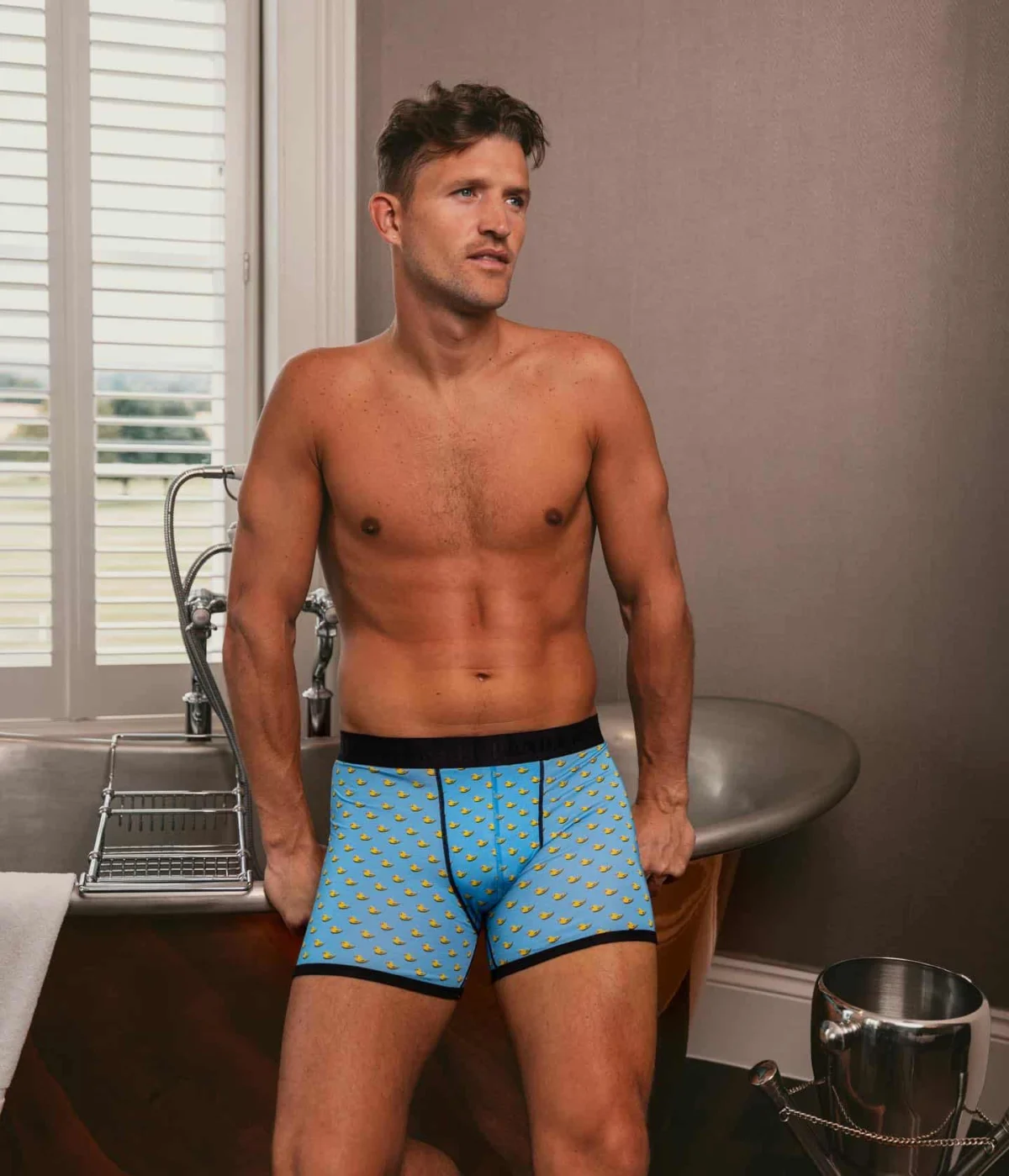
The modern men’s underwear market has undergone a significant transformation over the last decade, shifting away from standard cotton toward sustainable, performance-oriented textiles. Among these, bamboo-derived fabrics have emerged as a dominant category, promising a combination of moisture-wicking capabilities, thermal regulation, and a tactile softness often compared to silk. As of October 2026, consumer demand for these materials continues to rise, driven by an increasing emphasis on both personal comfort and environmental sustainability. However, as the market matures, the nuance between marketing terminology and textile science has become increasingly critical for the informed consumer.

Fabric Science and the Reality of Bamboo Textiles
To understand the current landscape, it is essential to distinguish between natural bamboo fiber and the industry-standard "bamboo" found in retail. Most underwear marketed as bamboo is actually a regenerated cellulose fiber, typically produced as viscose or rayon. The manufacturing process involves dissolving bamboo pulp in chemical solvents to create a fiber that is exceptionally smooth and absorbent.
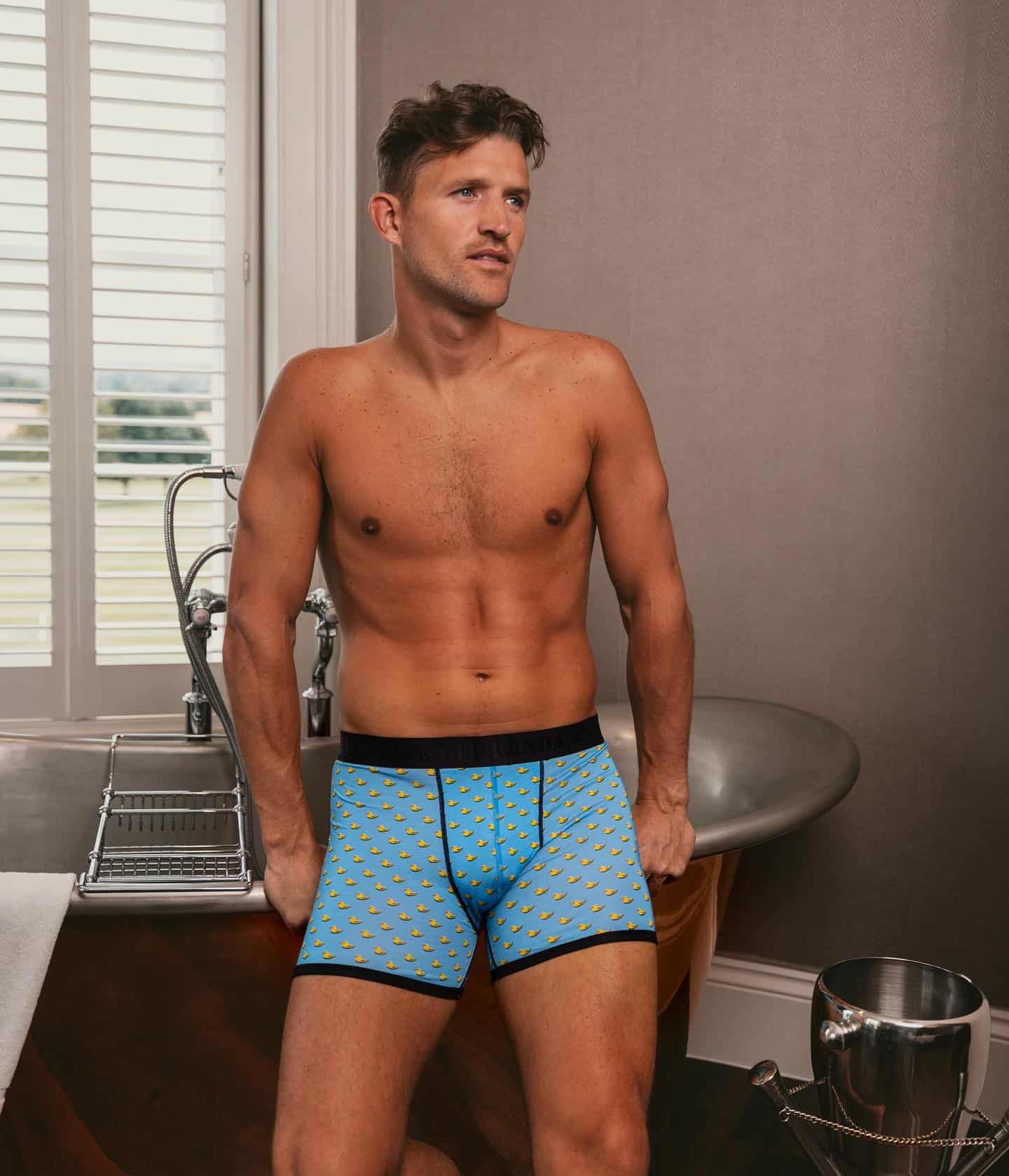
While critics of the industry point to the chemical intensity of viscose production, proponents argue that bamboo remains a highly sustainable crop due to its rapid growth rate, minimal water requirements, and lack of need for pesticides compared to conventional cotton. Consumers are advised to look for certifications such as OEKO-TEX, which ensures the absence of harmful substances in the final product. Beyond the label, the performance of the garment is largely determined by the blend; the integration of elastane or spandex is standard practice to provide the necessary structural integrity and retention of shape over time.
Chronology of the Shift Toward Synthetic-Natural Blends
The movement toward bamboo underwear gained momentum in the early 2020s, as performance-wear technology began to influence daily essentials. By 2023, major retailers and boutique brands alike began aggressively expanding their bamboo-viscose lines. The current 2026 market reflects a consolidation phase, where brands are no longer just selling "bamboo" as a novelty but are competing on the basis of specific knit densities, pouch support designs, and long-term durability.
Data from recent retail analyses suggest that while bamboo-viscose blends carry a mid-range price point, the long-term cost-per-wear is often lower than cheap cotton alternatives due to superior resistance to odor buildup and moisture-wicking properties, which prevent the fabric from breaking down as quickly under the stress of daily perspiration.

Market Leaders and Performance Evaluations
The following selection of products represents the current gold standard in the bamboo underwear category, evaluated based on material composition, durability, and ergonomic design.

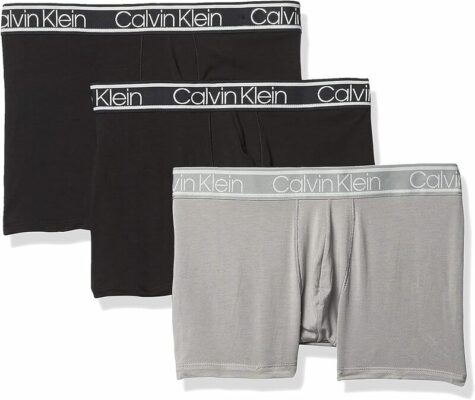
Calvin Klein Bamboo Boxer Briefs continue to dominate the market share, serving as the benchmark for quality. Their formulation, typically consisting of 66% bamboo viscose, 29% cotton, and 5% elastane, manages to marry the softness of bamboo with the structural robustness of cotton. This hybrid approach addresses one of the primary criticisms of pure bamboo-viscose garments: the tendency for the fabric to lose shape or feel "too thin" after repeated wash cycles.
In the budget-friendly category, Bamboo Sports Briefs have gained traction for their accessibility. Priced aggressively, they provide a utilitarian solution for high-activity individuals. These garments rely on a 95% bamboo rayon and 5% spandex blend, focusing on maximum moisture evaporation, which is critical for preventing chafing during exercise.

For those seeking an everyday loose-fit alternative, Chill Boys Bamboo Boxers represent a departure from the compression-style focus of the rest of the industry. By utilizing a traditional boxer silhouette, the brand leverages the thermal properties of bamboo to provide a cooling effect that is highly effective in high-temperature climates.
Technological Innovations in Pouch Design and Seamless Construction
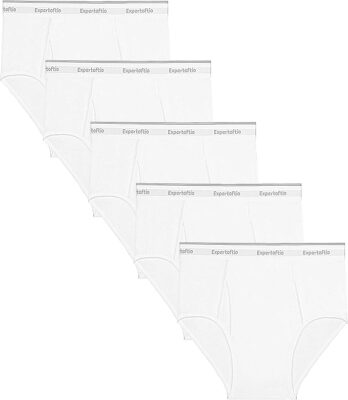
A major technical development in the 2026 market is the widespread adoption of "pouch" engineering. Brands like SUMABA have integrated double-layer open-front designs, which minimize skin-on-skin contact. This is not merely a matter of comfort but of hygiene and temperature control, as reducing contact between the legs and the groin area significantly decreases the accumulation of sweat and bacteria.
Furthermore, seamless knitting technology has allowed manufacturers to eliminate friction points that historically caused irritation. Flatlock seaming, a technique where stitches are laid flat against the fabric rather than overlapping, has become a standard requirement for premium products like the Mr. Davis collection. This attention to detail has shifted consumer expectations, making traditional, bulky-seam underwear increasingly obsolete.

Comparison and Selection Framework
When selecting bamboo underwear, consumers should prioritize the following criteria:

- Fiber Content: Ensure the product contains a significant percentage of bamboo viscose (typically 90% or higher) if looking for maximum softness, or a higher cotton blend if looking for longevity.
- Elastane Ratio: A minimum of 5% elastane or spandex is necessary for the garment to maintain its fit. Products without synthetic stretch will inevitably sag.
- Construction: Seek out "no-tag" designs and flatlock seams, which are indicative of a higher-quality manufacturing process.
- Sustainability Verification: Favor brands that disclose their manufacturing processes and adhere to environmental regulations, as "bamboo" is often used as a greenwashing term by companies using high-impact manufacturing methods.
Economic and Environmental Implications
The rise of bamboo-based undergarments is part of a broader economic trend toward "premium basics." As consumers invest more heavily in their daily essentials, the demand for high-quality, sustainable fabrics has forced manufacturers to improve supply chain transparency.

From an environmental standpoint, the industry is under pressure to move toward "closed-loop" production systems for viscose, where the solvents used to dissolve the bamboo pulp are captured and recycled rather than released into local ecosystems. While this technology is more common in Europe and North America, its adoption remains a key point of competition among global textile producers.
Final Industry Outlook

The transition to bamboo-based underwear is likely to persist as the primary trend in men’s apparel for the foreseeable future. The combination of tactile luxury and functional performance has proven to be a winning formula for modern consumers. As of late 2026, the market is no longer in a phase of experimentation; it is in a phase of refinement. Brands that continue to prioritize ergonomic support, environmental accountability, and fabric integrity are expected to maintain their position as leaders in the space.
For the consumer, the guidance remains consistent: look past the marketing buzzwords. Examine the fiber content, check for proper stretch-to-fiber ratios, and prioritize construction techniques that ensure both comfort and longevity. While the initial investment in a high-quality pair of bamboo underwear may exceed that of a conventional multi-pack of cotton briefs, the functional improvements in daily comfort and the extended lifespan of the garment provide a clear value proposition. As the industry continues to evolve, the focus will likely shift further toward advanced knit structures and specialized treatments that offer even greater odor resistance and moisture management.
