
The transition from 2020 to 2021 represented a complex shift in public health behaviors as global populations navigated the lingering shadow of the COVID-19 pandemic. While the initial months of the pandemic were defined by sudden lockdowns, supply chain disruptions, and a shift toward home-centric lifestyles, the following year saw a nuanced recalibration of these habits. As households sought a "new normal," researchers observed a regression toward pre-pandemic norms in dietary habits, even as systemic issues such as food insecurity and health disparities remained at the forefront of public health concerns.
A Year of Behavioral Flux: 2020 to 2021
The year 2020 served as a catalyst for abrupt lifestyle changes. With the closure of restaurants, schools, and offices, individuals were forced into a domestic lifestyle that drastically altered consumption patterns. Data from the International Food Information Council (IFIC) 2021 Food & Health Survey provides a clear window into these fluctuations.
In 2020, the stress and confinement of the pandemic led to a spike in sedentary snacking and overall food intake. Specifically, 32% of Americans reported an increase in snacking frequency during the onset of the pandemic. By 2021, as vaccination efforts gained momentum and businesses began to reopen, that number dropped to 18%. Similarly, reports of "eating more in general" fell from 20% in 2020 to 11% in 2021. This suggests that as individuals regained a sense of routine and external mobility, the reliance on food as a coping mechanism or a source of occupation during isolation diminished.
However, the decline in home cooking—a hallmark of the 2020 lockdowns—posed a secondary set of challenges. In 2020, approximately 60% of consumers reported cooking at home more frequently. By 2021, that figure had receded to 47%. While this reflects a return to pre-pandemic conveniences, it also highlights a potential loss of the health benefits associated with preparing meals at home, which often involves greater control over ingredients, sodium levels, and portion sizes.
The Persistent Challenge of Food Security
While behavioral trends normalized, the structural inequalities exposed by the pandemic did not disappear. The 2021 data underscores a persistent chasm in food security across different demographic groups. Economic volatility, exacerbated by inflation and the intermittent closure of essential services, meant that for millions of people, "healthy eating" was not merely a matter of personal choice but a reflection of systemic access.
Public health experts have noted that food insecurity remains a critical indicator of broader social health. The disruption of school meal programs and the economic strain on low-income families created a cycle of nutritional instability. While the 2021 survey data captures the "what" of consumer behavior, the "why" remains anchored in a landscape of economic disparity. Researchers emphasize that achieving population-wide healthy living goals requires addressing these foundational barriers, as health is inextricably linked to socioeconomic stability.
Chronology of Pandemic Health Shifts
The evolution of public health behaviors can be viewed through a three-phase timeline:
- The Acute Phase (March 2020 – August 2020): Characterized by "panic buying," a surge in home cooking, increased snacking, and a sudden reliance on digital health platforms. Public anxiety led to significant shifts in dietary quality as supply chains struggled to meet demand for fresh produce.
- The Adaptation Phase (September 2020 – December 2020): As the initial shock subsided, consumers began to establish new routines. The focus shifted toward long-term sustenance, with many households experimenting with new recipes, yet experiencing the first signs of "pandemic fatigue" regarding health management.
- The Recalibration Phase (January 2021 – December 2021): The arrival of vaccines and the gradual reopening of the economy led to a decline in home-based eating and a partial return to pre-2020 social habits. This phase was also marked by an increased focus on the long-term mental and physical impacts of the pandemic.
The Global Health Perspective
Beyond the domestic U.S. landscape, the pandemic remains a global crisis. The emergence of new variants throughout 2021—including Delta and Omicron—served as a recurring reminder of the fragility of health systems. The global health community has consistently stressed that vaccination is the primary tool for mitigating these variants. However, the disparity in vaccine access between high-income and low-to-middle-income countries remains a glaring failure in the global response.
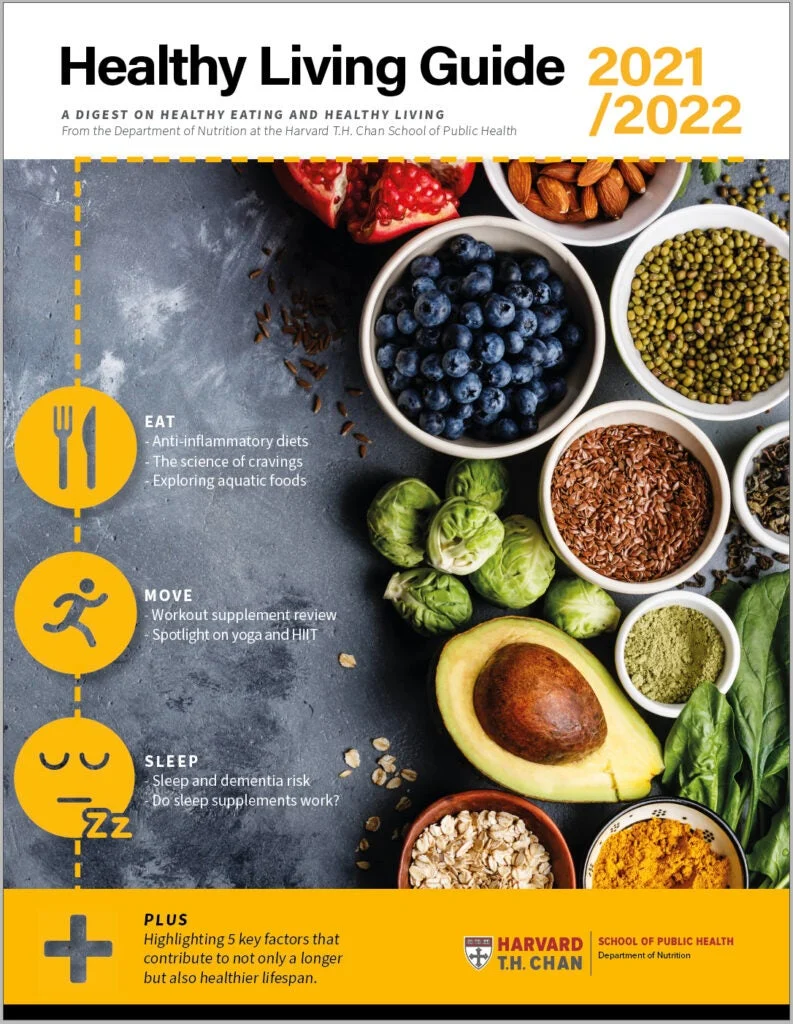
The Harvard T.H. Chan School of Public Health has been at the forefront of tracking these developments, providing resources like the Healthy Living Guide to help individuals manage their health amidst this uncertainty. The guide emphasizes that even in a volatile environment, the pillars of health—balanced nutrition, regular physical activity, and adequate sleep—remain the most effective defenses against chronic disease and stress-related health degradation.
Analysis of Implications
The data from 2021 suggests that human behavior is remarkably adaptable, yet prone to reverting to patterns of convenience when external pressures are removed. The decline in home cooking, while understandable in the context of "pandemic fatigue," is a point of concern for nutritionists. Home cooking is one of the most reliable predictors of dietary quality. When individuals shift toward restaurant meals or highly processed convenience foods, the risk of consuming excessive fats, sugars, and sodium increases.
Furthermore, the "new normal" is not a static state. As new variants emerge, the oscillation between home-based and public-based living will likely continue to impact health metrics. For policymakers, the implication is clear: public health initiatives must be flexible. Messaging that worked in the early days of 2020 is no longer sufficient to engage a public that is increasingly wary of pandemic-era restrictions. Instead, current strategies must focus on sustainable, long-term habit building that can withstand fluctuations in the external environment.
Strategies for Sustainable Health
To address the current landscape, the Healthy Living Guide emphasizes several core themes:
- Nutritional Density: Encouraging the consumption of whole foods—vegetables, fruits, whole grains, and healthy proteins—regardless of whether one is dining at home or out.
- Physical Movement: With many individuals continuing to work in hybrid or remote environments, the need to build "movement snacks" into the workday has become essential.
- Restorative Sleep: The mental health toll of the pandemic has made sleep hygiene a critical component of physical immunity and cognitive function.
- Informed Decision-Making: Using evidence-based resources to navigate the deluge of nutrition information, much of which can be misleading or commercially driven.
Moving Toward a Fulfilling Future
As we move further into the post-pandemic era, the goal of public health institutions is to translate the lessons of the last two years into actionable, lifelong behaviors. The Healthy Living Guide serves as a toolkit for this purpose. By providing printable tip sheets and research-backed summaries, the guide aims to demystify the science of health and empower individuals to make choices that are not dictated by the chaos of a global emergency, but by the pursuit of long-term wellness.
The transition from 2020 to 2021 demonstrated that while society is capable of rapid change, the sustainability of those changes depends on systemic support and individual agency. As the world continues to grapple with the multifaceted impacts of COVID-19, the focus must remain on strengthening the foundations of personal health. Whether through improving the quality of one’s diet, prioritizing sleep, or staying informed through trusted, peer-reviewed channels, individuals have the power to exert control over their well-being in an unpredictable world.
The availability of resources such as the Healthy Living Guide is a vital component of this effort, ensuring that the best available science is accessible to the public. As we look ahead, the objective remains constant: to cultivate a state of health that is resilient to change and capable of supporting a full, active, and productive life. For those seeking to further their knowledge, engaging with the comprehensive summaries and online resources provided by institutions like the Harvard T.H. Chan School of Public Health remains a proactive step toward achieving these goals. By integrating these practices into our daily lives, we can build a stronger, healthier foundation for the future.
