
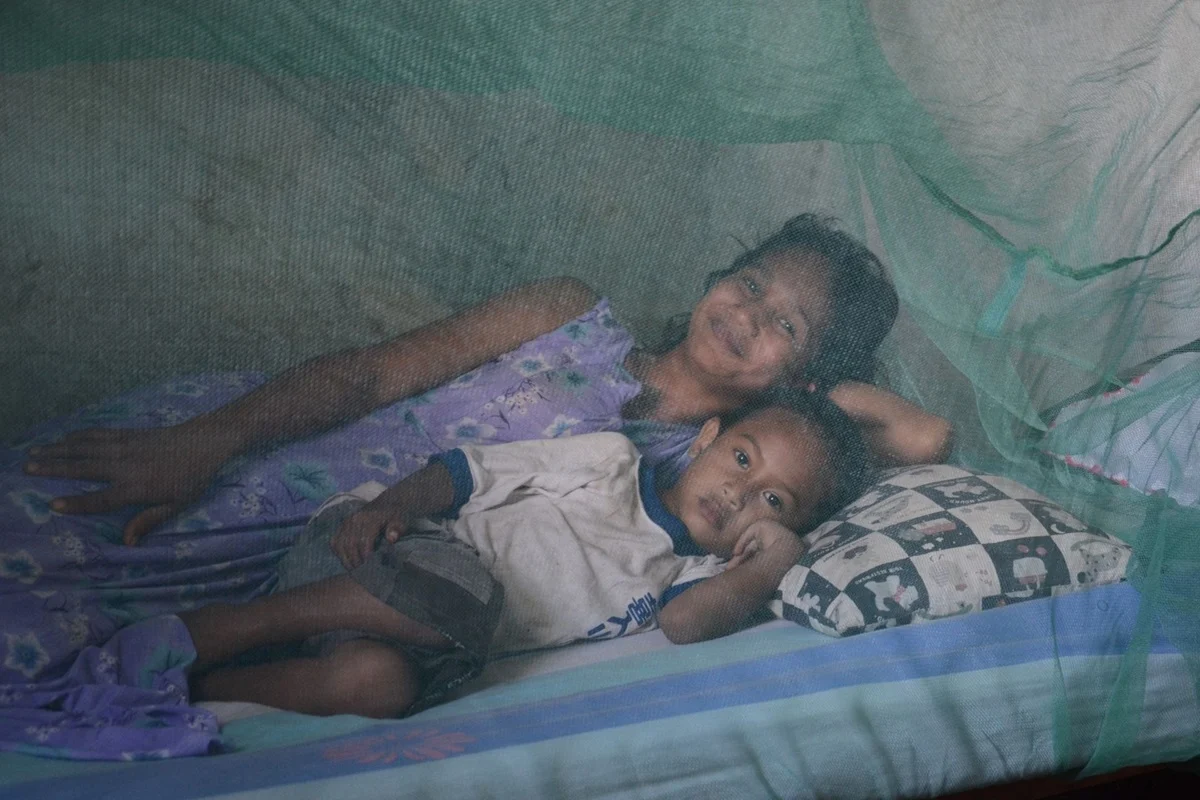
The World Health Organization has officially certified Timor-Leste as malaria-free, a monumental achievement for the young Southeast Asian nation that, since gaining independence in 2002, has transformed its health landscape from a high-burden environment to one completely devoid of indigenous malaria transmission. This certification represents the culmination of over two decades of rigorous policy implementation, strategic international partnerships, and a persistent, community-driven approach to disease eradication. Timor-Leste now joins a select group of 47 countries and one territory that have successfully eliminated the parasite, standing alongside regional neighbors Maldives and Sri Lanka, which achieved similar status in 2015 and 2016, respectively.
A Chronology of Persistence: From Crisis to Elimination
The trajectory of Timor-Leste’s fight against malaria is characterized by a rapid and disciplined shift in focus. In the immediate post-independence period, the nation faced significant health infrastructure deficits and a soaring prevalence of mosquito-borne diseases. By 2006, the country recorded more than 223,000 clinically diagnosed cases of malaria—a staggering figure for a nation with a limited health workforce and a nascent medical system.
The turning point arrived in 2003, when the Ministry of Health established the National Malaria Programme (NMP). Initially staffed by only two full-time officers, the NMP acted as the central nervous system for the country’s eradication efforts. The organization focused on three pillars: precise planning, systematic implementation, and consistent monitoring. By the late 2000s, the NMP had successfully integrated rapid diagnostic tests (RDTs) and artemisinin-based combination therapy (ACT) into the national treatment guidelines, ensuring that patients could receive accurate diagnoses and effective medication at the point of care.
By 2009, with critical financial and technical support from the Global Fund to Fight AIDS, Tuberculosis and Malaria, the government scaled up its vector control initiatives. This included the large-scale distribution of long-lasting insecticide-treated nets (LLINs) and the deployment of indoor residual spraying (IRS) in high-transmission zones. These efforts were bolstered by the expansion of diagnostic capabilities using microscopy at the primary healthcare level. The result of this multi-pronged strategy was a steady, year-over-year decline in infection rates, culminating in the complete absence of indigenous cases from 2021 through the present.
Strengthening the Three-Tier Health Architecture
The success of the malaria campaign in Timor-Leste is inextricably linked to the government’s commitment to universal health coverage and the development of a robust, three-tier health system. Recognizing that rural accessibility was the greatest barrier to malaria control, the government invested heavily in a tiered structure consisting of national hospitals, reference hospitals, community health centers (CHCs), and local health posts.
This infrastructure was specifically designed to ensure that the majority of the population could reach a healthcare facility within one hour of travel. To bridge the remaining gaps, the Ministry of Health implemented monthly mobile clinics and dedicated community outreach programs. By integrating these services into a national framework that provides free care at the point of delivery, the government removed financial barriers for its most vulnerable citizens, ensuring that even in remote areas, suspected malaria cases could be tested and treated promptly.
Furthermore, the introduction of a real-time, integrated case-based surveillance system allowed health authorities to track outbreaks with granular precision. This data-driven approach enabled the Ministry of Health to allocate resources where they were most needed, effectively creating a "ring-fencing" strategy around active transmission sites to prevent the spread of the parasite.
Official Statements and Global Recognition
The certification process, which requires a country to prove beyond reasonable doubt that the chain of indigenous transmission has been interrupted for at least three consecutive years, was overseen by the WHO. Dr. Tedros Adhanom Ghebreyesus, WHO Director-General, lauded the nation for its resolve. "Timor-Leste’s success proves that malaria can be stopped in its tracks when strong political will, smart interventions, sustained domestic and external investment, and dedicated health workers unite," he stated.
Dr. Élia António de Araújo dos Reis Amaral, the Minister of Health for Timor-Leste, framed the achievement as a victory for the country’s collective resilience. "Malaria has been one of our most relentless enemies—silent, persistent, and deadly," she noted. "From 223,000 cases to zero—this elimination honors every life lost and every life now saved." She emphasized that the certification is not merely an endpoint but a call to maintain vigilance, particularly regarding the prevention of malaria’s re-entry through border screening and continued surveillance.
Dr. Arvind Mathur, the WHO Representative to Timor-Leste, highlighted the "grit" required to maintain a malaria-free status. He emphasized that the triumph was a result of the "tireless efforts of health workers" and the unwavering focus of a young nation determined to protect its future generations from a preventable disease.
The Broader Impact: Implications for Southeast Asia
The certification of Timor-Leste carries significant implications for regional health security in Southeast Asia. As countries in the region work toward the goal of a malaria-free Asia-Pacific by 2030, Timor-Leste’s model provides a viable template for other nations facing similar resource constraints. The country has demonstrated that technical leadership and high-level political commitment can overcome the challenges of a thin health workforce.
Moreover, the achievement serves as a case study for the effectiveness of integrated, multi-sectoral collaboration. The involvement of non-governmental organizations, donor bodies like the Global Fund, and various government departments in supporting the Ministry of Health created a cohesive front that shielded the malaria program from political or economic volatility.
The economic implications are equally significant. Malaria has historically acted as a drag on economic productivity, particularly in agricultural communities. By eliminating the disease, Timor-Leste has not only improved the quality of life for its citizens but has also reduced the long-term burden on the national health budget, allowing resources to be redirected toward other pressing public health concerns, such as maternal and child health, and the management of non-communicable diseases.
The Path Forward: Sustaining Zero
Despite the celebratory nature of the WHO certification, the work of the Ministry of Health is far from over. The global standard for malaria-free status requires ongoing monitoring. The primary threat now shifts to the risk of imported cases. Because malaria remains endemic in neighboring countries and nearby regions, Timor-Leste must maintain its robust surveillance system at points of entry, including airports and maritime borders.
The government has committed to continued training for community health workers to ensure that even a single case is detected and treated immediately, preventing the re-establishment of local transmission. This "vigilance phase" is critical to ensuring that the gains made over the last 20 years are not eroded. The persistence of the community outreach programs will remain the backbone of this strategy, ensuring that the population remains informed and engaged in early reporting of symptoms.
As Timor-Leste moves forward, its experience offers a powerful lesson in global health: that even in the face of daunting odds and limited resources, the combination of scientific rigor, political consistency, and community trust can dismantle systemic health threats. The certification of Timor-Leste as malaria-free is more than a diplomatic achievement; it is a testament to the capacity of a nation to define its own health destiny and secure a safer, more prosperous future for its people. The global health community now looks to Timor-Leste as a beacon of success, proving that the dream of a malaria-free world is a tangible, achievable reality.
