

Polycystic Ovary Syndrome (PCOS) remains one of the most prevalent endocrine disorders affecting women of reproductive age, impacting an estimated 6 to 12 percent of women globally. Characterized by a complex interplay of hormonal imbalances, chronic low-grade inflammation, and metabolic dysfunction—most notably insulin resistance—PCOS presents a challenging clinical picture that often requires multifaceted management strategies. While conventional pharmacological treatments such as metformin, oral contraceptives, and fertility medications are widely prescribed, a growing body of clinical research highlights the therapeutic potential of natural compounds. Among these, berberine, a bioactive plant alkaloid, has emerged as a prominent botanical intervention studied extensively for its metabolic and hormonal benefits.
Originating from Traditional Roots to Modern Clinical Application
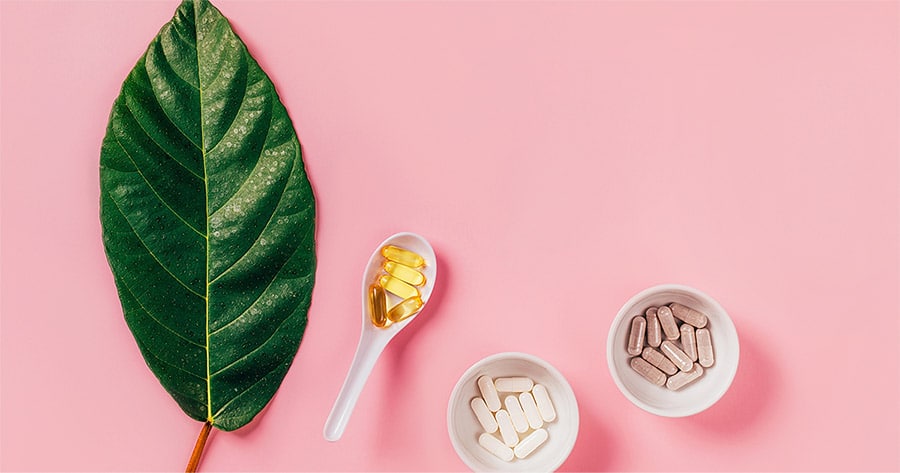
Berberine is a quaternary ammonium salt from the protoberberine group of isoquinoline alkaloids. It is naturally extracted from the roots, rhizomes, and stem bark of various plants belonging to the Berberis genus, commonly known as barberry, as well as goldenseal, Oregon grape, and tree turmeric. Historically, berberine has occupied a cornerstone position in traditional Chinese medicine and Ayurveda for over three millennia, primarily utilized for its antimicrobial, anti-inflammatory, and gastrointestinal-regulating properties.

In recent decades, Western medical research has shifted focus toward berberine’s metabolic capabilities, specifically its influence on glucose homeostasis and lipid metabolism. Because insulin resistance serves as a primary underlying driver for a significant proportion of PCOS cases—exacerbating hyperandrogenism, disrupting ovulation, and increasing long-term cardiometabolic risks—researchers have increasingly evaluated berberine as a viable adjunct or alternative to standard insulin-sensitizing pharmaceuticals.
Mechanisms of Action: How Berberine Interacts with PCOS Pathology

The therapeutic efficacy of berberine in managing PCOS stems primarily from its activation of adenosine monophosphate-activated protein kinase (AMPK). Often referred to as the body’s "master metabolic switch," AMPK regulates cellular energy homeostasis, glucose uptake, and lipid synthesis. By stimulating AMPK pathways, berberine mimics the cellular effects of exercise and caloric restriction, facilitating improved glucose uptake in peripheral tissues and downregulating hepatic glucose production.
Furthermore, berberine exhibits pronounced anti-inflammatory properties by inhibiting pro-inflammatory cytokines and mitigating oxidative stress. Because chronic inflammation actively promotes insulin resistance and impairs ovarian function, berberine’s dual action on metabolic and inflammatory pathways addresses multiple facets of PCOS pathophysiology simultaneously.

- Improves Insulin Sensitivity
Insulin resistance is a central feature of PCOS, affecting up to 70 percent of women with the condition, regardless of their body mass index. When cells fail to respond effectively to insulin, the pancreas compensates by producing excess insulin, which subsequently stimulates the ovaries to overproduce androgens (male hormones). Clinical studies indicate that berberine significantly enhances insulin sensitivity. A 12-week prospective randomized study published in Cureus demonstrated that women with PCOS receiving berberine exhibited notable improvements in insulin sensitivity markers, rivaling the efficacy of conventional pharmacological agents like metformin.
- Lowers Blood Glucose Levels
Elevated circulating glucose and insulin levels contribute heavily to the development of metabolic syndrome, chronic fatigue, cognitive fog, and weight management difficulties in PCOS patients. By increasing the translocation of glucose transporter type 4 (GLUT4) to cell membranes, berberine facilitates the efficient clearance of glucose from the bloodstream. Clinical data confirms that berberine supplementation reduces fasting plasma glucose and glycated hemoglobin (HbA1c) levels, thereby stabilizing energy levels and reducing long-term systemic risks.

- Aids in Weight Loss and Body Composition
Weight management is notoriously difficult for individuals with PCOS due to underlying metabolic dysregulation and impaired energy expenditure. Berberine influences lipid metabolism by inhibiting fat storage and enhancing thermogenesis. A systematic review evaluating the impact of berberine on weight regulation noted significant reductions in body mass index (BMI) over a 12-week intervention period, with average BMI figures shifting from clinical obesity ranges toward healthier parameters. Additionally, targeted body composition analyses indicate that berberine reduces visceral adipose tissue—the metabolically active fat surrounding internal organs—even in instances where overall scale weight changes modestly.
- Improves Lipid Profiles and Cardiovascular Risk Markers
Women diagnosed with PCOS face an elevated lifetime risk of cardiovascular disease, driven by a combination of dyslipidemia, hypertension, endothelial dysfunction, and chronic inflammation. Berberine acts as a potent lipid-lowering agent. Research demonstrates that it decreases serum concentrations of low-density lipoprotein cholesterol (LDL-C), total cholesterol, and triglycerides, while concurrently supporting or elevating high-density lipoprotein cholesterol (HDL-C). Comparative clinical trials have shown that berberine’s lipid-modulating efficacy is comparable to standard statin therapies, offering a valuable cardiovascular protective profile for younger demographics unsuited for lifelong pharmaceutical statin use.

- Regulates Menstrual Cycles and Ovulation
Chronic anovulation—the absence of regular ovulation—is a hallmark symptom of PCOS that leads to oligomenorrhea or amenorrhea and subsequent infertility. Clinical investigations, including comparative trials published in major endocrinology journals, reveal that berberine administration successfully restores menstrual regularity and improves spontaneous ovulation rates. Notably, trials comparing berberine directly with metformin found that berberine produced comparable improvements in cycle regularity while demonstrating superior outcomes regarding specific sex hormone binding parameters.
- Increases Sex Hormone-Binding Globulin (SHBG)
Sex hormone-binding globulin is a glycoprotein produced by the liver that binds to circulating androgens, such as testosterone, rendering them biologically inactive. Women with PCOS characteristically exhibit depressed SHBG levels, resulting in high concentrations of free, active androgens that drive symptoms such as hirsutism, acne, and scalp hair thinning. Clinical studies highlight that berberine treatment significantly elevates serum SHBG levels. This elevation reduces the free androgen index, thereby mitigating hyperandrogenic symptoms and lowering potential pregnancy complications, such as gestational diabetes.

- Reduces Systemic Inflammation and Oxidative Stress
Low-grade chronic systemic inflammation is intricately linked to insulin resistance and ovarian dysfunction in PCOS. Berberine functions as a natural antioxidant and anti-inflammatory compound by suppressing nuclear factor kappa B (NF-kB) signaling and reducing the release of pro-inflammatory cytokines such as tumor necrosis factor-alpha (TNF-α) and interleukin-6 (IL-6). By quenching oxidative stress within the ovarian microenvironment, berberine may additionally improve oocyte (egg) quality, a critical factor for reproductive success.
- Restores Hormonal Balance
Beyond modifying SHBG and insulin, berberine directly influences the hypothalamic-pituitary-ovarian axis. Clinical data indicates that berberine helps correct the abnormal luteinizing hormone (LH) to follicle-stimulating hormone (FSH) ratio commonly observed in PCOS diagnostic profiles. By suppressing excessive androgen synthesis within the ovarian theca cells and simultaneously enhancing progesterone production during the luteal phase, berberine supports a balanced hormonal environment necessary for sustained reproductive health.
- Enhances Fertility and Endometrial Receptivity
For individuals navigating PCOS-related infertility, restoring ovulatory function is only the first step; successful conception also requires optimal endometrial receptivity to allow for embryo implantation. Clinical studies suggest that berberine not only induces ovulation but also improves the structural and functional readiness of the endometrium. These synergistic reproductive improvements position berberine as a supportive botanical intervention for fertility-focused treatment plans.
- Alleviates Depressive Symptoms and Mood Disorders
Anxiety, depression, and mood disturbances are frequently reported yet under-addressed psychological manifestations of PCOS, heavily influenced by chronic systemic inflammation, hormonal fluctuations, and metabolic distress. Emerging pharmacological and clinical evidence indicates that berberine crosses the blood-brain barrier and exerts neuroprotective effects. It modulates neurotransmitter systems—including serotonin, norepinephrine, and dopamine—and reduces neuroinflammation, offering ancillary benefits for mood regulation and emotional well-being.

- Mitigates Non-Alcoholic Fatty Liver Disease (NAFLD)
Metabolic dysfunction-associated steatotic liver disease (MASLD), formerly known as non-alcoholic fatty liver disease, occurs at significantly higher rates in women with PCOS compared to the general female population, largely driven by insulin resistance and dyslipidemia. Berberine has demonstrated pronounced hepatoprotective effects in clinical settings. By reducing hepatic lipid accumulation, improving insulin signaling within liver tissue, and lowering systemic inflammatory markers, berberine serves as an effective therapeutic agent for managing hepatic steatosis.
- Alleviates Perimenopausal and Metabolic Shifts
As women with PCOS transition into perimenopause and menopause, the age-related decline in estrogen interacts with preexisting metabolic vulnerabilities, amplifying risks for cardiovascular disease, bone density loss, and central adiposity. Because berberine acts as a potent metabolic regulator and insulin sensitizer, its continued application provides protective metabolic cushioning during the menopausal transition, helping to control blood sugar, manage lipid parameters, and preserve favorable body composition.

Clinical Implementation, Dosage, and Safety Considerations
For individuals considering the integration of berberine into their PCOS management strategy, understanding appropriate usage and safety parameters is essential.

Dosage Guidelines: Clinical trials typically utilize a standard dosage range of 500 mg administered two to three times daily, taken alongside meals to optimize absorption and minimize potential gastrointestinal side effects. When selecting a supplement, formulations featuring berberine hydrochloride (HCl) are generally preferred due to higher bioavailability.
Duration of Efficacy: Because botanical and metabolic interventions rely on gradual physiological shifts, clinical improvements in glycemic control, lipid profiles, and menstrual regularity generally manifest within three to six months of consistent supplementation.

Safety and Side Effects: Berberine is widely regarded as safe for long-term use under appropriate medical guidance. The most frequently reported adverse effects are mild gastrointestinal disturbances, including transient nausea, cramping, diarrhea, or constipation. These symptoms are typically dose-dependent and can often be mitigated by starting with a lower dose and titrating upward alongside food.
Contraindications: Due to its ability to influence hepatic enzyme pathways (specifically cytochrome P450 enzymes) and lower blood glucose, individuals taking medications for diabetes, blood pressure, or anticoagulants should consult a qualified healthcare provider prior to initiation. Furthermore, berberine is not recommended during pregnancy or breastfeeding due to insufficient safety data concerning fetal development.
Conclusion
Berberine represents a thoroughly researched, multifaceted botanical compound with robust clinical backing for the management of Polycystic Ovary Syndrome. By directly targeting insulin resistance, reducing systemic inflammation, restoring hormonal equilibrium, and improving lipid metabolism, berberine offers a comprehensive, natural approach to alleviating the complex symptoms associated with PCOS. As with any targeted supplement regimen, patients should collaborate closely with endocrinologists, gynecologists, or integrative healthcare professionals to tailor dosages, monitor metabolic markers, and ensure safe, effective long-term disease management.
