
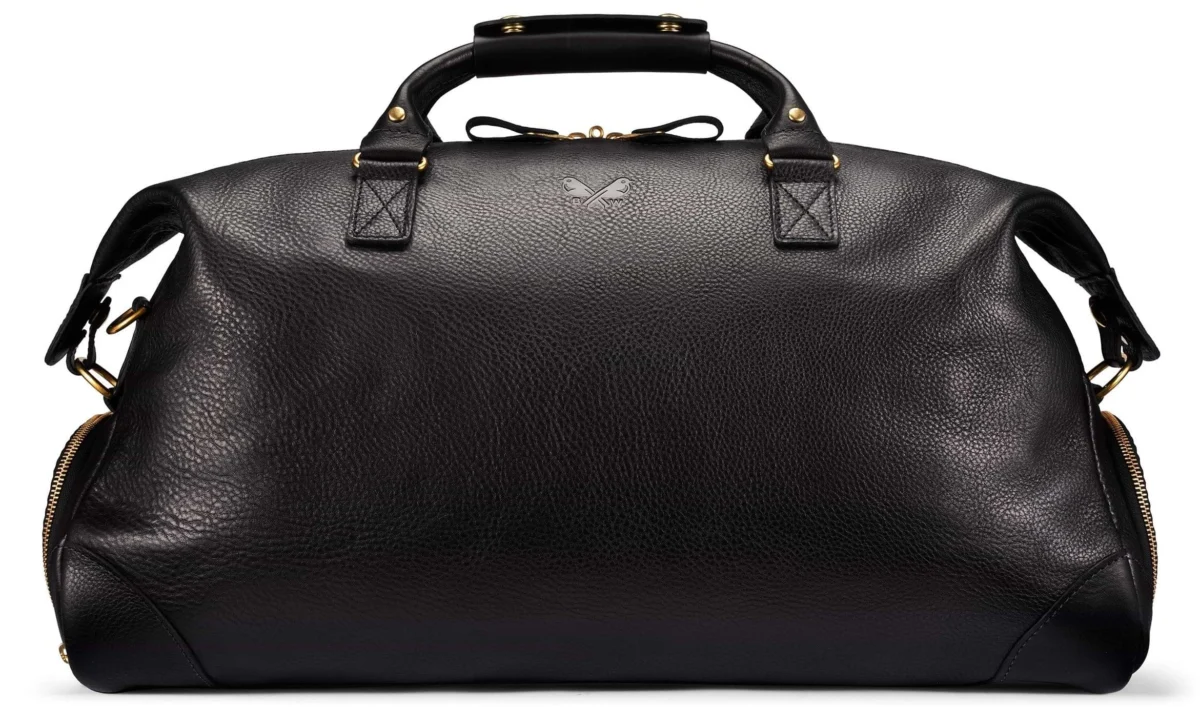
The modern traveler is increasingly moving away from the cumbersome constraints of traditional, hard-sided checked luggage in favor of agile, versatile solutions that bridge the gap between a daily gym bag and a full-scale suitcase. As air travel regulations tighten and the demand for seamless "gate-to-destination" transitions grows, the weekender bag has emerged as an essential component of the contemporary professional wardrobe. With a capacity typically ranging from 30 to 45 liters, these duffels are engineered to accommodate the essentials for 48-to-72-hour excursions without the necessity of waiting at baggage claims or paying additional checked-bag fees.

The Evolution of Travel Luggage
The rise of the weekender bag reflects a broader shift in lifestyle and work patterns. In the post-2020 landscape, the integration of remote work and "bleisure" travel—trips that blend business objectives with leisure time—has necessitated luggage that is as much a style statement as it is a functional tool. Historical data from the luggage industry indicates a 15% year-over-year increase in the sale of premium soft-sided duffels, signaling that travelers are prioritizing portability and aesthetic durability over the protective rigidity of polycarbonate shells.
Top Tier Selections for the Discerning Traveler
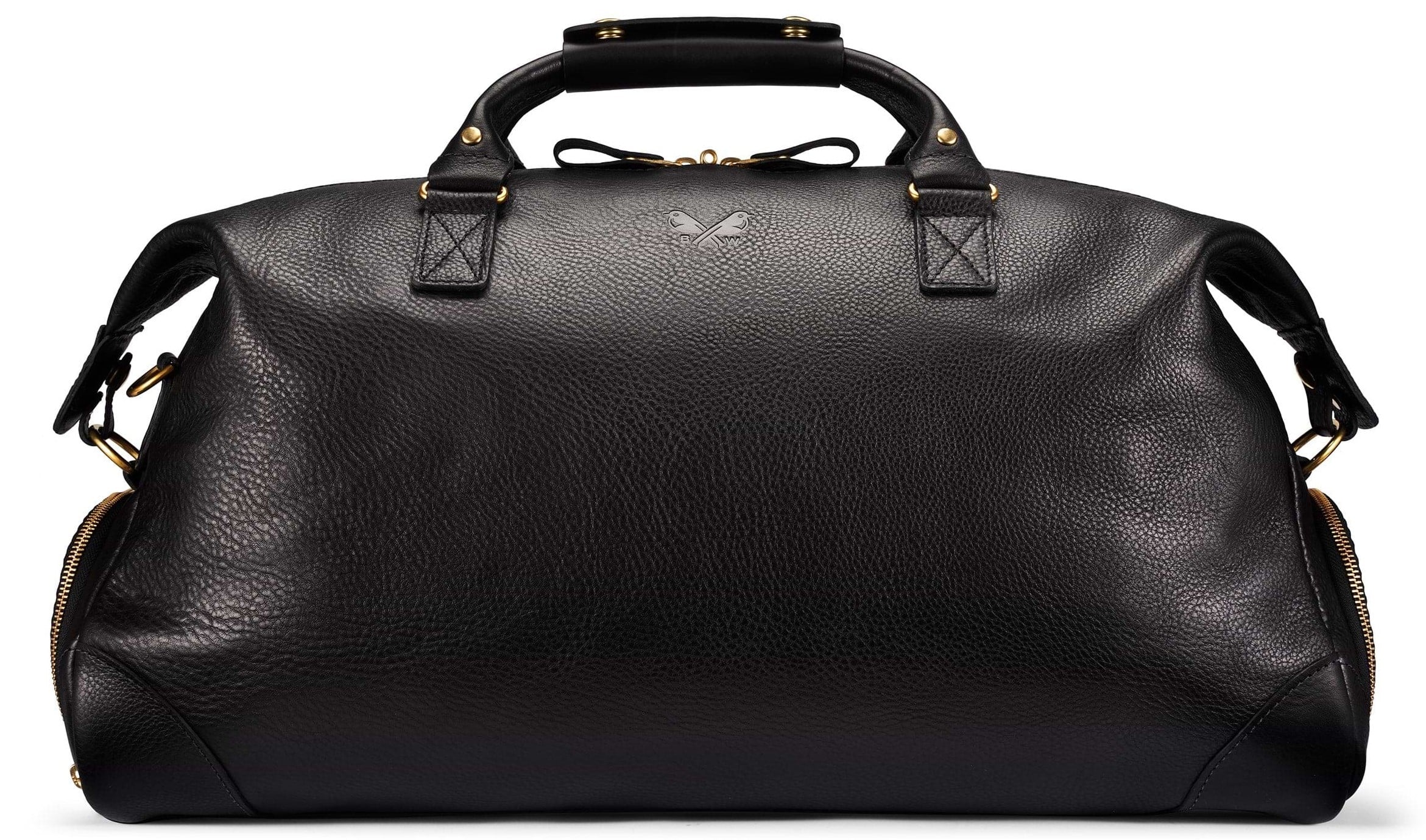
When evaluating the current market, the Rains Hilo Weekend Bag stands out as the primary choice for versatility. Its polyurethane-coated polyester construction provides an industrial-grade barrier against moisture, making it an ideal companion for climates where unpredictable weather is a factor. For the traveler focused on luxury and long-term investment, the Bennett Winch Leather Weekender remains the gold standard. Hand-constructed in England using full-grain Tuscan leather and solid brass hardware, the bag is designed to develop a unique patina over decades, effectively challenging the "fast fashion" cycle of mass-produced travel gear.

Conversely, the market also caters to those who prioritize structural organization. The Nomad Lane Bento Weekender Bag addresses the common frustration of "black hole" packing—where items settle into the bottom of a duffel—by employing a clamshell opening and dedicated internal compartments. This design is particularly favored by tech-conscious travelers who require specific slots for laptops, tablets, and mobile accessories.

Comparative Analysis of Materials and Utility
A critical factor for any buyer is the durability-to-weight ratio of the materials used. The following table illustrates the current industry standards for bag construction:

| Material Type | Durability | Weight | Best Use Case |
|---|---|---|---|
| Full-Grain Leather | High | Heavy | Executive travel, business meetings |
| Waxed Canvas | High | Moderate | Winter getaways, rugged environments |
| Coated Polyester/Nylon | Medium-High | Light | Daily commuting, rainy climates |
| Faux Leather | Low-Medium | Moderate | Budget-conscious, occasional travel |
The selection of material ultimately dictates not only the longevity of the product but also the maintenance requirements. While synthetic coatings like those found on the North Face Base Camp Duffel offer supreme water resistance and can be wiped clean with minimal effort, leather options require periodic conditioning to prevent cracking and maintain the integrity of the grain.

Strategic Packing and Airline Compliance
Understanding the dimensions of a weekender bag is paramount to ensuring a stress-free boarding process. Most international and domestic carriers adhere to a maximum carry-on dimension of 22 x 14 x 9 inches. When a bag exceeds these parameters—such as the larger, 50-liter capacity variants—travelers risk being forced to gate-check their belongings.

Strategic packing, such as utilizing compression cubes or the "clamshell" packing technique offered by bags like the Tom Beckbe Leather Duffel, allows travelers to maximize the interior volume of their bags without exceeding weight limits. This is particularly relevant as airlines continue to monitor overhead bin space closely, often prioritizing bags that can be easily squashed or tucked into tight corners.

The Role of Ergonomics in Travel Gear
Comfort is often overlooked until the traveler is navigating a long terminal walk or a transit hub. The industry has responded by diversifying carry options. While traditional grab handles are standard, the most highly-rated bags, such as the North Face Base Camp Duffel, incorporate removable, padded backpack straps. This ergonomic feature redistributes the weight of the load across the shoulders and back, significantly reducing fatigue.

However, there is a trade-off: bags with extensive padding and structural support systems are inherently heavier even when empty. The Bennett Winch model, for example, weighs approximately 2.1 kilograms before a single item is packed, an intentional design choice for those who value the structural stability of heavy-duty brass and thick leather over weight reduction.

Sustainability and Manufacturing Trends
A notable trend in the luggage market is the increased focus on sustainable manufacturing. Brands like Travelpro and Stubble & Co have begun integrating recycled plastics and sustainably sourced canvas into their product lines. This shift is in response to consumer demand for corporate responsibility, particularly among Gen Z and Millennial travelers who prioritize the environmental footprint of their purchases.

Furthermore, the "repair over replace" philosophy is gaining traction in the luxury segment. Bennett Winch’s lifetime promise and the robust construction of high-end Tuscan leather goods are positioning these items as durable assets that contribute to waste reduction, a stark contrast to the disposable nylon bags that dominated the market a decade ago.

Expert Insights on Future Travel
As someone who has lived out of a 45-liter weekender for over five years, the transition from a standard suitcase to a duffel is more than just a matter of convenience; it is a shift in mindset. Traveling with a single, high-quality bag encourages a minimalist approach to packing, forcing the traveler to curate their wardrobe effectively.

When choosing a weekender, the "best" bag is subjective. The business professional who requires a sharp, professional appearance for a conference will find the Tom Beckbe Leather Duffel’s aesthetic indispensable. In contrast, the outdoor adventurer or the traveler moving between cities on short notice will find the utilitarian nature of the Rains Hilo or the North Face Base Camp more appropriate.

Final Considerations for the Consumer
Before committing to a purchase, potential buyers should evaluate their primary mode of travel. If you are frequently flying on budget airlines with strict "personal item" dimensions, a smaller 24-liter bag like the Nomad Lane Bento is a safer bet. For those who prioritize total capacity and do not mind using overhead bin space, the 50-liter range offers maximum flexibility.

In summary, the best weekender bag for men in 2026 is one that aligns with the traveler’s specific balance of style, durability, and organizational need. By focusing on the quality of materials—whether it be the ruggedness of British Millerain canvas or the timeless elegance of full-grain leather—and ensuring the dimensions fit current airline standards, a high-quality weekender will serve as a reliable companion for years of travel. Investing in a superior piece of equipment now will not only improve the immediate quality of your travel experience but will also save the frustration and cost of replacing substandard gear in the future.
