

Polycystic Ovary Syndrome (PCOS) is one of the most prevalent endocrine disorders affecting women of reproductive age, impacting an estimated 6 to 12 percent of individuals globally. Managing the metabolic, hormonal, and reproductive complexities of PCOS becomes even more critical when planning a family or navigating pregnancy. Because the syndrome is frequently accompanied by underlying challenges such as chronic systemic inflammation, insulin resistance, and suboptimal oocyte (egg) quality, standard prenatal care protocols often require specialized dietary and nutritional adjustments. Choosing the right prenatal and preconception supplements is a fundamental step in mitigating risks, supporting fetal development, and addressing the specific metabolic demands of a PCOS pregnancy.

The Physiological Imperative of Prenatal Supplementation in PCOS
For individuals with PCOS, the preconception and prenatal phases present unique physiological hurdles. Hormonal imbalances characteristic of the condition—specifically elevated levels of androgens and impaired glucose metabolism—can adversely affect both ovulation and early embryonic development. Consequently, clinical guidelines increasingly emphasize that standard dietary intake alone is frequently insufficient to meet the heightened nutritional demands of pregnancy, particularly for women managing endocrine disorders.
Medical literature underscores that proper supplementation must begin well before conception. Initiating a targeted regimen months ahead of trying to conceive ensures that maternal nutrient stores are adequately saturated, laying a robust foundation for organogenesis during the critical first trimester. Furthermore, targeted supplementation helps stabilize metabolic pathways, reduce oxidative stress, and manage chronic inflammation, which are vital components in promoting healthy gestation for patients with PCOS.

Essential Core Nutrients for a PCOS-Optimized Regimen
According to clinical guidelines issued by organizations such as the American Pregnancy Association, a comprehensive prenatal supplement must contain several foundational nutrients. However, for patients with PCOS, specific concentrations and bioavailable forms of these nutrients carry heightened clinical significance.
Folate and Folic Acid
Folate, a vital B-complex vitamin, is indispensable for the prevention of neural tube defects, including spina bifida and anencephaly, which develop during the earliest weeks of gestation—often before a person realizes they are pregnant. Beyond neural tube protection, recent epidemiological studies highlight folate’s role in mitigating congenital heart defects and oral clefts. For patients with PCOS, healthcare providers frequently recommend methylated folate (such as L-methylfolate) over synthetic folic acid, particularly for individuals who may have genetic variations affecting folate metabolism, such as MTHFR polymorphisms. The recommended baseline daily intake remains 400 micrograms (mcg), though individualized medical advice may dictate higher doses based on metabolic panels.

Vitamin D and Metabolic Regulation
Vitamin D deficiency is remarkably prevalent among women with PCOS, with clinical studies indicating that up to 80 percent of patients present with insufficient levels. This fat-soluble vitamin functions as a prohormone, influencing insulin sensitivity, systemic inflammation, and ovarian function. During pregnancy, adequate vitamin D is essential for calcium absorption, skeletal development, and immune function, while also potentially reducing the risk of gestational complications such as pre-eclampsia and gestational diabetes. Given the high baseline rate of deficiency in the PCOS population, clinical formulations tailored for these patients often feature elevated concentrations of Vitamin D3.
Omega-3 Fatty Acids
Chronic low-grade inflammation is a hallmark of PCOS that exacerbates insulin resistance and elevates androgen production. Omega-3 fatty acids, specifically EPA and DHA derived from purified fish oil, possess potent anti-inflammatory properties. In the context of pregnancy, DHA is critical for the neurological and visual development of the fetus. For the expectant mother with PCOS, omega-3 supplementation assists in modulating inflammatory pathways, improving insulin sensitivity, and supporting cardiovascular health. Clinical consensus suggests a minimum daily intake of 300 mg of DHA, favoring bioavailable marine sources over plant-based alternatives to maximize cellular absorption.

Iron and Calcium
Iron remains vital for expanding maternal blood volume and preventing gestational anemia, a condition that can compromise oxygen delivery to the developing fetus. The standard daily requirement rises to 27 milligrams during pregnancy. Concurrently, calcium is necessary to safeguard maternal bone density while supporting fetal skeletal mineralization, with a recommended daily target of 1,000 milligrams. While these minerals are standard across all prenatal vitamins, their absorption can be influenced by the gastrointestinal side effects frequently reported by women managing metabolic sensitivities.
Preconception Versus Prenatal Formulations: Addressing Oocyte Quality
A critical distinction in nutritional management involves the transition from preconception formulations to standard prenatal vitamins. Women with PCOS frequently experience diminished oocyte quality driven by oxidative stress and hormonal dysregulation. Addressing this requires targeted preconception interventions that go beyond basic prenatal coverage.
Clinical protocols often incorporate antioxidants such as Coenzyme Q10 (CoQ10) alongside myo-inositol during the preconception window. CoQ10 supports mitochondrial function within the developing egg, a mechanism clinical trials have associated with improved fertilization rates and embryo quality. Concurrently, myo-inositol supplementation has been widely documented to improve insulin sensitivity, lower circulating androgen levels, and restore spontaneous ovulation in PCOS cohorts. Combining these targeted preconception agents with a comprehensive multivitamin creates a synergistic biochemical environment designed to optimize reproductive outcomes.
Market Overview of Specialized Prenatal Options
Navigating the commercial landscape of prenatal vitamins requires careful evaluation of ingredient purity, bioavailability, and third-party testing. Several formulations are frequently highlighted by clinicians for meeting the rigorous demands of patients with PCOS:
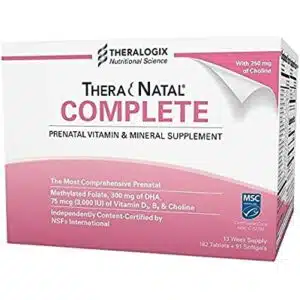
- TheraNatal Complete and TheraNatal OvaVite: Manufactured by Theralogix, these formulations are independently tested, certified gluten-free, and free of artificial dyes. TheraNatal Complete provides elevated doses of Vitamin D, methylated folate, choline, and marine-derived DHA. The OvaVite variant incorporates a dedicated CoQ10 supplement to specifically target oocyte quality during the preconception phase.
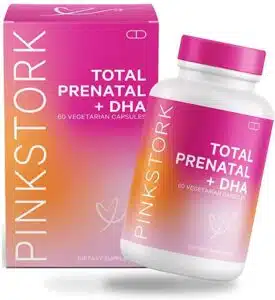
- Pink Stork Total Prenatal Vitamin: This option delivers robust concentrations of Vitamin D and Omega-3 fatty acids, complemented by a broad spectrum of B-complex vitamins, Vitamin C, E, and essential trace minerals such as zinc, selenium, and chromium, which support metabolic balance.
- Nature Made Prenatal with Folic Acid + DHA: Serving as an accessible over-the-counter alternative, this formulation provides standard essential nutrient profiles at an economical price point while maintaining adherence to major pharmacopoeia quality standards.
Clinical Implications, Risk Mitigation, and Monitoring
While targeted prenatal and preconception vitamins form a cornerstone of modern PCOS pregnancy management, healthcare specialists emphasize that supplements alone cannot prevent complex obstetrical conditions. Women with PCOS face elevated baseline risks for gestational diabetes mellitus, hypertensive disorders of pregnancy, and fetal growth abnormalities.
Consequently, comprehensive prenatal care must include rigorous clinical oversight. Healthcare providers routinely implement serial glucose tolerance testing, blood pressure monitoring, and specialized growth scans to identify and manage complications proactively. Integrating dietary modifications, such as low-glycemic eating patterns, alongside targeted pharmacological or supplemental interventions (such as continued inositol use under medical supervision) provides a multidisciplinary defense against gestational morbidity.

Ultimately, proactive nutritional planning empowers patients with PCOS to optimize their metabolic health before conception and safeguard maternal-fetal well-being throughout gestation. Close collaboration with obstetricians, endocrinologists, and registered dietitians remains essential for tailoring these regimens to individual clinical profiles.
