
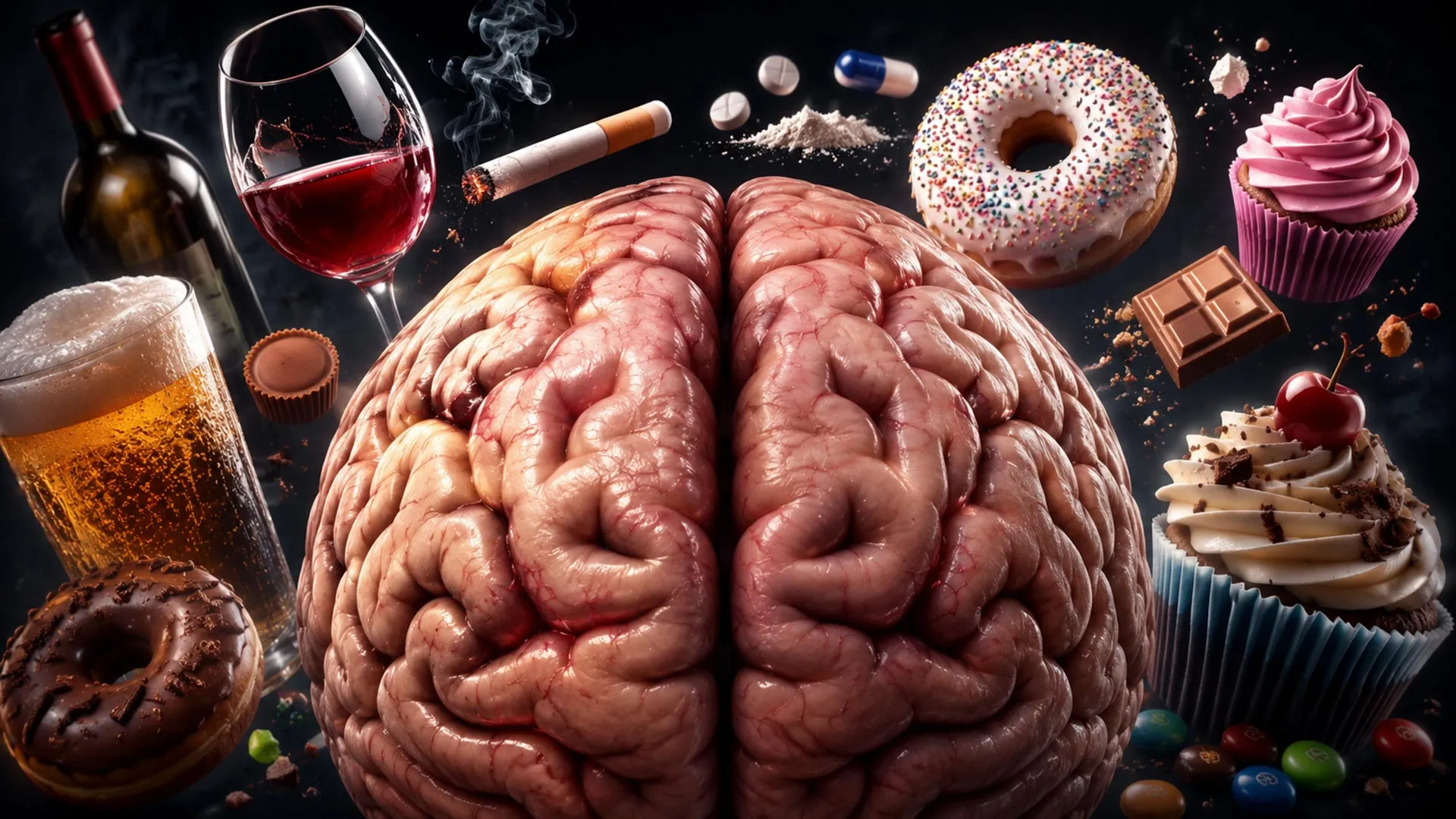
For decades, modern neuroscience has grappled with a fundamental question of human behavior: why does the mere thought of a rewarding stimulus—such as a savory meal, a cold beverage, or a rush of euphoria—exert such a powerful grip on human action? Evolutionary biology provides a straightforward initial explanation. The intricate neural link connecting thought to physical action serves a vital survival function, acting as an internal compass that drives human beings to seek out the essential resources necessary for sustaining life.
However, this deeply ingrained biological machinery is prone to dysfunction. When the brain’s preoccupation with rewarding stimuli goes awry, it can give rise to severe disorders characterized by substance overuse and behavioral compulsion. These manifestations range from chronic overeating that escalates to life-threatening obesity to profound alcohol abuse and chemical dependency. Historical documentation reveals that scientific inquiry has long recognized these patterns; studies stretching as far back as the 1970s established undeniable correlations between vivid mental imagery and the harrowing descent into drug abuse.
Deciphering the precise physiological mechanisms bridging the gap between craving a substance and consuming it has long remained one of neuroscience’s most elusive pursuits. Yet, a breakthrough may have finally arrived from an unexpected quarter. The rapid, widespread clinical adoption of a revolutionary class of medications originally developed for metabolic management has inadvertently provided researchers with the exact investigative tool needed to decode the brain’s complex reward architecture.
The Rise of GLP-1 Receptor Agonists and Metabolic Transformations
The medications driving this neurological revolution are glucagon-like peptide-1 receptor agonists, commonly known as GLP-1 agonists, which include widely prescribed brand-name drugs such as Ozempic and Wegovy. Originally engineered to treat type 2 diabetes by mimicking the endogenous GLP-1 hormone, these pharmaceutical agents successfully stimulate insulin release, slow gastric emptying, and significantly heighten feelings of satiety by signaling fullness to the central nervous system.
As these drugs entered mainstream clinical use, physicians and researchers documented a pronounced, highly publicized side effect: profound and sustained weight loss. In numerous clinical evaluations, patients achieved reductions in body mass that rivaled the dramatic outcomes typically associated with invasive bariatric surgery. This metabolic efficacy quickly propelled the drugs to blockbuster status, fundamentally reshaping the global pharmaceutical market and public health strategies alike.
Yet, alongside this metabolic success, clinicians and researchers began noticing a secondary phenomenon that received far less initial fanfare but held immense scientific significance. Human clinical studies increasingly demonstrated that GLP-1 agonists significantly suppress alcohol consumption among users. Simultaneously, a growing body of preclinical animal research suggested that these exact pharmaceutical compounds could dramatically curtail the self-administration and consumption of a wide array of addictive substances, including cocaine, amphetamines, opiates, and nicotine.
These converging observations are forcing a profound reevaluation of how medical science conceptualizes the brain’s reward circuitry. Beyond their utility in treating metabolic disorders, GLP-1 agonists are opening up entirely unprecedented therapeutic pathways for addressing obesity, alcohol dependence, and substance use disorders on a global scale.
A Chronological Timeline of Reward Circuitry and Behavioral Neuroscience
To understand the magnitude of these recent pharmaceutical revelations, it is necessary to examine the historical trajectory of reward research in neuroscience.
- 1953: Pioneering American behavioral researchers Joseph Brady and Walle Nauta publish landmark studies examining the lateral septum. They coin the term "septal rage" after observing that laboratory animals with localized damage to this specific brain region exhibited drastically increased aggression, whereas direct electrical stimulation of the exact same area effectively reduced aggressive behaviors.
- 1970s: Early academic literature begins establishing formal psychological and neurological links between vivid mental imagery, intrusive cognitive cravings, and the development of substance abuse disorders.
- Mid-to-Late 1990s: Neuroanatomical mapping identifies a dense concentration of GLP-1 receptors within the lateral septum, though the functional significance of this neurochemical abundance remains poorly understood by the broader scientific community at the time.
- 2010s: Advanced neuroimaging and optogenetic techniques allow researchers to refine their understanding of the brain’s connectivity networks, shifting the academic consensus away from isolated reward centers and toward complex, interconnected neural circuits.
- 2020–Present: Clinical data confirms that GLP-1 receptor agonists systematically reduce the consumption of alcohol and illicit substances. Concurrently, contemporary laboratory studies—including recent findings from specialized neurobiology labs—demonstrate that GLP-1 activation directly within the lateral septum dampens specific patterns of neural communication, effectively curbing the cognitive processing of cravings.
Re-evaluating the Brain’s Reward Circuitry
For generations, the scientific consensus regarding reward processing focused primarily on dopamine-producing regions deep within the subcortex. Neuroscientists mapped the ventral tegmental area (VTA) and the nucleus accumbens (NAc) as the primary epicenters of the brain’s reward circuitry. These structures became the default subjects of decades of intensive research into pleasure, motivation, and addiction.
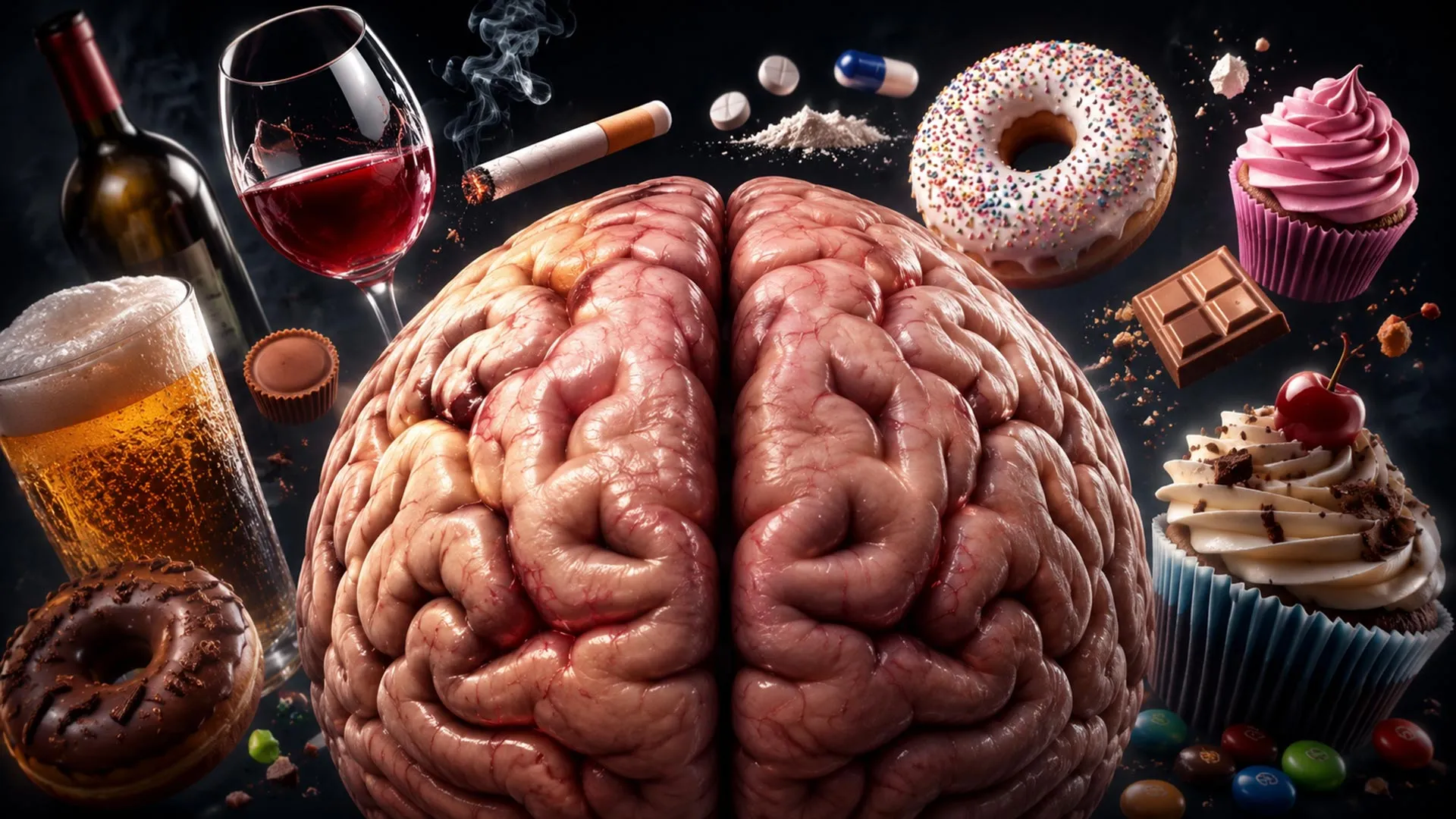
However, when researchers began investigating the direct mechanism of action for GLP-1 drugs within the central nervous system, a perplexing anatomical mismatch emerged. Despite their powerful ability to suppress cravings, the VTA and the nucleus accumbens lack a significant density of receptors for GLP-1. This glaring absence made it mathematically and biologically implausible for these traditional dopamine hubs to serve as the primary, direct targets for the anti-consumption effects of these medications.
Consequently, neuroscientists were forced to look "upstream" from the dopamine-producing machinery to identify alternative brain structures that might mediate the anti-consumption properties of GLP-1 agonists. This search directed scientific attention toward the lateral septum—a historically underappreciated brain structure historically pigeonholed into the realm of emotional regulation and the long-standing phenomenon of septal rage.
The Lateral Septum: The Brain’s Cognitive Reward Control Center
Recent neuroscientific breakthroughs have radically reframed the functional role of the lateral septum, elevating it from a regional footnote to the central nexus of cognitive craving. Anatomically, the lateral septum receives the vast majority of its primary neurological input from the hippocampus—a complex brain region universally recognized for its critical role in orchestrating long-term episodic memories.
The profound importance of the hippocampus has been understood for decades, largely informed by tragic neurological case studies such as that of Henry Molaison, historically known as patient HM. Following surgical intervention for severe epilepsy, Molaison lost the ability to form new episodic memories, leaving him trapped in a permanent present tense without a functional past. Beyond memory formation, the hippocampus houses extraordinary "place cells"—specialized neurons that fire in precise coordination with an individual’s mental perception of their physical position in space and, as cutting-edge research has demonstrated, the passage of time.
This intricate spatial and temporal data is continuously forwarded directly to the lateral septum. Contemporary research has revealed that the lateral septum also contains specialized place cells, but with a crucial functional distinction: these cells respond intensely to rewards. Essentially, the lateral septum integrates the "where and when am I" data streams originating from the hippocampus with evaluative data regarding what environmental stimuli are pleasurable or valuable in that specific context.
Once this synthesis occurs, the lateral septum communicates its findings downstream to the traditional dopamine-producing regions of the brain’s reward machinery, ultimately generating the conscious feeling of pleasure associated with a craving. Modern neuroscientists increasingly view the lateral septum as the critical cognitive control center that allows human beings to consciously "think about" rewards before the underlying biological machinery releases dopamine to reinforce the behavior.
Implications for Future Therapeutics and Public Health
The convergence of behavioral neuroscience and metabolic pharmacology has placed the lateral septum under an intense global research spotlight. Because this specific brain structure is densely saturated with GLP-1 receptors, it offers a compelling physiological explanation for the unintended anti-addictive side effects observed in patients taking drugs like Ozempic and Wegovy.
Recent empirical investigations have steadily reinforced this hypothesis. Studies published in leading neurobiology journals have demonstrated that targeted GLP-1 receptor activation directly within the lateral septum successfully suppresses food consumption in animal models. Similar peer-reviewed studies published earlier this year have extended these findings to demonstrate corresponding reductions in alcohol intake. Furthermore, cutting-edge work from specialized academic laboratories has shown that GLP-1 medications actively dampen specific patterns of neural activity within the lateral septum, effectively interrupting its ability to communicate craving signals to broader neural networks.
As clinical trials expand to formally evaluate the efficacy of GLP-1 agonists in treating alcohol use disorder, opioid dependence, and nicotine cessation, the broader implications for public health are profound. Addiction medicine stands on the precipice of a paradigm shift, moving away from purely behavioral interventions or isolated neurotransmitter blockers toward treatments that modulate the cognitive perception of reward at its structural source.
While researchers emphasize that much work remains to fully map the complex synaptic pathways connecting the hippocampus, lateral septum, and traditional dopamine circuits, the trajectory is clear. By decoding how modern weight-and-appetite medications interact with the brain’s deepest architecture of desire, science is uncovering new avenues to liberate millions from the relentless cycle of chronic craving and addiction.
