
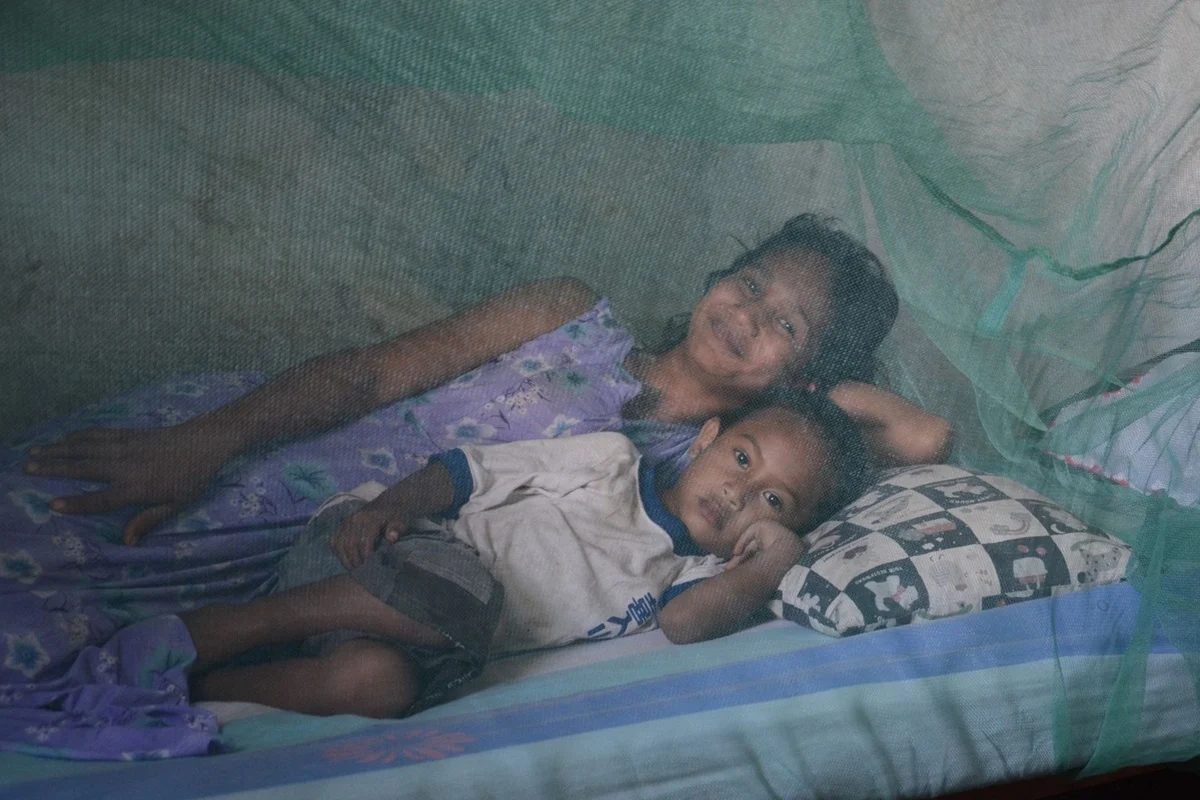
In a historic milestone for global public health, the World Health Organization (WHO) has officially certified Timor-Leste as a malaria-free nation. This designation marks the culmination of a two-decade-long campaign to eradicate a disease that once served as a primary cause of morbidity across the archipelago. The certification confirms that the country has successfully interrupted the chain of indigenous malaria transmission for at least three consecutive years, a rigorous standard required to meet the WHO’s criteria for elimination. By reaching this goal, Timor-Leste joins a prestigious but small group of 47 countries and one territory that have successfully eliminated the mosquito-borne parasite, becoming the third nation in the WHO South-East Asia region to do so, following the Maldives in 2015 and Sri Lanka in 2016.
A Journey from High Burden to Eradication
The transformation of Timor-Leste’s health landscape is nothing short of profound. Following its independence in 2002, the nation faced significant structural challenges, including a fragile healthcare infrastructure and a high burden of communicable diseases. In 2006, the country recorded a peak of over 223,000 clinically diagnosed malaria cases. Given the nation’s total population at the time, this figure represented an overwhelming public health crisis that threatened to undermine social and economic stability.
The systematic decline in malaria cases began shortly after the establishment of the National Malaria Programme (NMP) in 2003. Tasked with the dual responsibility of policy formulation and operational implementation, the NMP began with a modest team of two officers. Despite limited resources, the program prioritized data-driven interventions, technical leadership, and an aggressive, country-wide strategy that eventually brought the case count to zero starting in 2021.
Chronology of the Intervention Strategy
The eradication of malaria in Timor-Leste was not a singular event but a multi-phase strategic evolution.
- 2003–2005: Foundational Efforts: The Ministry of Health established the National Malaria Programme, focusing on mapping high-risk areas and standardizing diagnostic reporting.
- 2006–2008: Policy Implementation: The government introduced rapid diagnostic tests (RDTs) and the standardized use of artemisinin-based combination therapy (ACT), which remains the gold standard for treating uncomplicated Plasmodium falciparum malaria.
- 2009–2012: Scaling Up: With the support of the Global Fund to Fight AIDS, Tuberculosis and Malaria, the country launched a comprehensive vector control initiative. This period saw the mass distribution of long-lasting insecticide-treated nets (LLINs) and the implementation of indoor residual spraying (IRS) to minimize mosquito populations within residential areas.
- 2013–2020: Strengthening Surveillance: The health ministry refined its three-tier system, expanding diagnostic capacity to every local health post. This ensured that even the most remote residents could access care within a one-hour travel radius.
- 2021–2024: Sustenance and Certification: Following the cessation of indigenous cases in 2021, the government intensified its surveillance at international borders and within local communities to prevent re-introduction, ultimately leading to the formal WHO audit and subsequent certification.
The Role of Universal Healthcare and Infrastructure
A critical component of Timor-Leste’s success lies in its commitment to universal health coverage. The government’s policy of providing free health services at the point of care was instrumental in removing financial barriers that often prevent marginalized populations from seeking treatment. The development of a tiered health system—linking national and reference hospitals to community health centers and local health posts—ensured that malaria diagnosis and treatment were integrated into the primary healthcare delivery model rather than treated as a vertical, isolated program.
Furthermore, the introduction of monthly mobile clinics and community outreach programs proved essential in reaching the interior mountainous regions of the country. By embedding health workers within local communities, the Ministry of Health fostered a sense of shared responsibility, which was vital for the sustained compliance required for net usage and early symptom reporting.
Official Statements and International Recognition
The certification was met with commendation from the highest levels of global health governance. Dr. Tedros Adhanom Ghebreyesus, WHO Director-General, highlighted the synergy between political will and on-the-ground execution. "Timor-Leste’s success proves that malaria can be stopped in its tracks when strong political will, smart interventions, sustained domestic and external investment, and dedicated health workers unite," Dr. Tedros stated.
Dr. Ália António de Araújo dos Reis Amaral, Minister of Health of Timor-Leste, characterized the victory as a tribute to both the resilience of the health sector and the memory of those lost to the disease. "From 223,000 cases to zero—this elimination honors every life lost and every life now saved," she remarked. She emphasized that while the certification is a momentous achievement, the focus must now shift to vigilance and sustained community action to prevent the resurgence of the parasite.
Dr. Arvind Mathur, the WHO Representative to Timor-Leste, noted the grit required to achieve this goal in a young nation. "Ending transmission and maintaining zero deaths takes more than science; it takes grit. This victory protects generations, present and future, and shows what a determined country can achieve," he said.
Analysis: Implications for Global Health and Regional Security
The eradication of malaria in Timor-Leste provides a vital blueprint for other nations struggling with high burdens of endemic diseases. The success underscores three primary lessons for global health strategy:
- Surveillance as a Pillar: The implementation of a real-time, integrated case-based surveillance system allowed for rapid response to individual cases. This granular level of data collection prevented small clusters of infections from becoming widespread outbreaks.
- Cross-Sectoral Collaboration: The success was not limited to the Ministry of Health. It required the cooperation of local governments, international donors, NGOs, and the community. By treating malaria control as a national priority rather than just a clinical one, Timor-Leste ensured that infrastructure and funding were consistently aligned.
- Border Security and Future Vigilance: As a country with porous borders, Timor-Leste’s achievement is particularly significant. The success of its screening protocols for travelers and migrant populations demonstrates that elimination is possible even in nations with high cross-border mobility, provided there is a robust, well-funded diagnostic framework at ports of entry.
Looking Toward the Future
While the official certification marks a permanent change in status, the government of Timor-Leste faces the challenge of "prevention of re-introduction." In an era of increased climate variability and global travel, the risk of malaria returning via imported cases remains a persistent threat. To mitigate this, the Ministry of Health has committed to maintaining its current diagnostic infrastructure and surveillance systems.
The certification process itself is a rigorous examination. It requires a recommendation from the WHO Technical Advisory Group on Malaria Elimination and Certification, followed by validation from the Malaria Policy Advisory Group. The final decision rests with the WHO Director-General, who reviews years of longitudinal data to ensure the chain of transmission has truly been broken. Timor-Leste’s ability to meet these standards in such a relatively short timeframe since independence serves as a testament to the efficacy of its healthcare reforms.
As the international community looks toward the broader goals of the WHO’s "E-2025" initiative—a global effort to eliminate malaria in 25 countries by 2025—Timor-Leste stands as a beacon of progress. Its success confirms that with the right combination of localized innovation, international partnership, and persistent leadership, even the most persistent and deadly diseases can be relegated to the past. The achievement is a victory not only for the people of Timor-Leste but for the global effort to ensure that preventable diseases no longer dictate the health outcomes of developing nations.
