
The skin of the inguinal region, commonly referred to as the groin, possesses a unique physiological profile that distinguishes it from the rest of the body. It is characterized by thinner dermal layers, increased density of sweat glands, and a predisposition toward trapped moisture due to the nature of the anatomical area. These factors contribute to a highly sensitive environment that is frequently subjected to friction and a lack of ventilation. Consequently, dermatological experts increasingly advise that standard, high-pH soaps—often formulated with harsh surfactants—can compromise the skin barrier in this area, leading to irritation, dermatitis, or imbalances in the natural microbiome.

As the men’s grooming sector continues to expand, shifting away from generic, multi-purpose soaps toward specialized care, the market for intimate hygiene products has seen a steady rise. For 2026, the focus among consumers and manufacturers alike has pivoted toward "clean" formulations. The industry trend emphasizes the removal of synthetic parabens, sulfates, and artificial fragrances in favor of botanical extracts, pH-balanced gels, and moisture-retaining ingredients like aloe vera and vitamin E.
The Science of Intimate Hygiene and Skin Sensitivity
The primary objective of an intimate wash is to provide effective cleansing without disrupting the acid mantle of the skin. The average skin surface has a slightly acidic pH, typically ranging between 4.5 and 5.5. Many conventional bar soaps are alkaline, with pH levels ranging from 9 to 10. Prolonged use of high-alkalinity products on sensitive regions can strip away natural oils, increase transepidermal water loss, and encourage the growth of odor-causing bacteria.

Recent clinical insights into male grooming highlight that the "minimalist" approach to skincare—using one product for hair, face, and body—is often detrimental to the inguinal region. Dermatologists recommend that men seek products explicitly labeled as pH-balanced or those formulated with natural, non-comedogenic ingredients. By selecting washes that prioritize soothing agents, men can maintain optimal hygiene while mitigating the risk of common issues such as chafing, folliculitis, and contact dermatitis.
Market Leaders: A Comparative Analysis
The current grooming landscape features several standout products that address the specific needs of male anatomy. The following selections represent the pinnacle of current market offerings, categorized by their efficacy, ingredient profile, and consumer value.

1. Best Overall: Blu Atlas Body Wash
Blu Atlas has emerged as a significant player in the premium grooming segment. Their flagship body wash is formulated to be a versatile solution that bridges the gap between general body care and intimate hygiene. The product’s exclusion of sulfates and phthalates is a direct response to consumer demand for cleaner beauty standards. From a clinical perspective, its reliance on natural emollients provides a gentle cleansing experience that maintains the skin’s lipid barrier. It is particularly well-suited for men who prefer a consolidated shower routine without sacrificing quality.
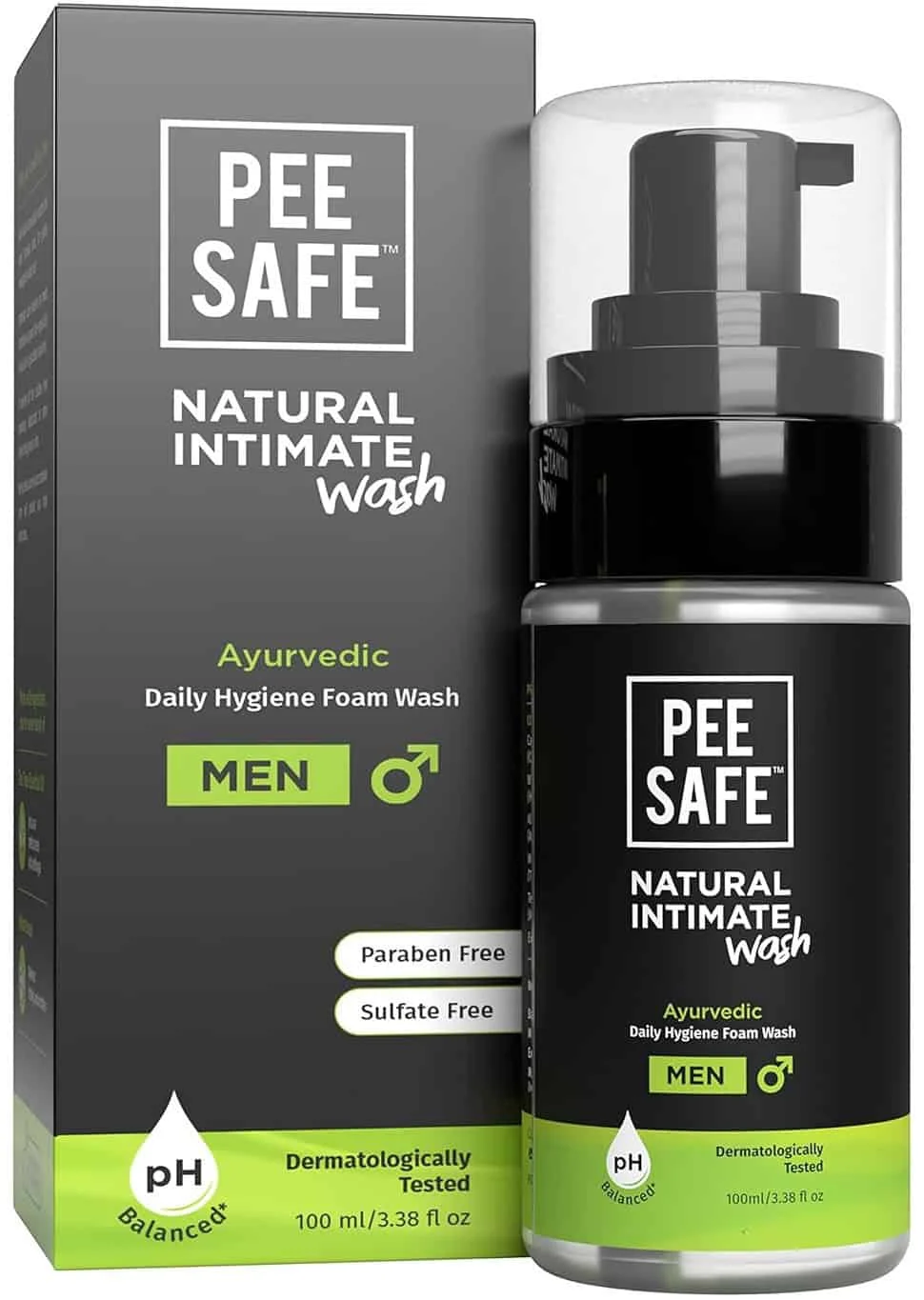
2. Best Budget Option: Pee Safe Natural Intimate Wash
Despite its unconventional brand nomenclature, Pee Safe has gained traction for its functional approach to hygiene. The product is notable for being pH-balanced, a critical factor for the maintenance of delicate skin. Its formulation, which often includes tea tree oil, provides natural antimicrobial properties that are highly effective for odor management. Priced under $10, it serves as an accessible entry point for men who are beginning to prioritize specialized intimate care.

3. Best on Amazon: Manscaped Crop Cleanser
Manscaped has effectively industrialized the "below-the-belt" grooming market. The Crop Cleanser is a targeted gel that incorporates vitamin E and aloe, both of which are recognized in dermatological literature for their soothing and anti-inflammatory properties. This product is intended for the consumer who is comfortable with a multi-step grooming regimen, as it is specifically engineered for the unique requirements of the groin area rather than acting as an all-purpose body soap.
4. Best Everyday: Brickell Invigorating Body Wash
For those prioritizing organic and natural ingredients, the Brickell Invigorating Body Wash represents a high-performance standard. Based in Portland, Maine, the company has leveraged natural, certified-organic components to create a product that is both effective and gentle. Its versatility is a key selling point, as it performs reliably across all skin zones. However, the presence of essential oils for fragrance requires that consumers with highly sensitive skin perform a patch test prior to full-body use.

5. Best Luxury: Beardbrand Utility Wash
Beardbrand’s approach to the Utility Wash is rooted in the philosophy of the "Swiss Army Knife" of soaps. Designed to be safe for hair, beards, and intimate areas, it avoids the common irritants like silicones and parabens that often plague mass-market cleansers. This product caters to the luxury consumer who values high-quality sourcing and a sophisticated fragrance profile, offering a diverse array of scents that avoid the synthetic, "chemical" smell associated with cheaper alternatives.
Strategic Considerations for Selection
When evaluating intimate washes, consumers are encouraged to apply a standardized set of criteria to ensure product compatibility.

- Ingredient Integrity: The absence of synthetic dyes and harsh surfactants is paramount. Ingredients such as sulfates (which can cause dryness) and parabens (often associated with endocrine disruption concerns) should be avoided.
- Skin Type Specificity: Men with a history of eczema or psoriasis should gravitate toward fragrance-free, hypoallergenic options. Conversely, men prone to heavy perspiration may benefit from washes containing natural deodorizing agents like witch hazel or tea tree.
- Scent Profiles: Fragrance is a common trigger for contact dermatitis. When selecting a scented wash, ensure the fragrance is derived from natural essential oils rather than synthetic compounds, which are more likely to cause allergic reactions in the groin area.
Broader Implications and Future Trends
The rise of specialized intimate washes for men is symptomatic of a broader societal shift toward proactive health management. As the stigma surrounding male self-care dissipates, the market is seeing increased investment in research and development. In the coming years, industry analysts expect to see a move toward personalized grooming, where products may be customized based on an individual’s sweat rate, skin microbiome, or lifestyle factors.
Furthermore, the environmental impact of these products is becoming a point of contention. As sustainability becomes a core pillar of modern manufacturing, brands that utilize biodegradable ingredients and recyclable packaging are gaining significant market share. The 2026 consumer is not only concerned with the immediate efficacy of the product on their skin but also with the carbon footprint associated with its production and distribution.

Final Assessment
Achieving optimal hygiene in the inguinal region requires a move away from the "one-soap-fits-all" mentality. By selecting products that respect the pH balance and sensitivity of the skin, men can prevent common discomforts and maintain a healthier skin barrier. Whether through a high-end, multi-use wash or a budget-friendly, specialized cleanser, the current market provides ample options for the modern man.
The integration of these products into a daily skincare routine—alongside established practices like hydration and proper moisture management—represents a significant improvement in overall male grooming standards. As the category matures, the continued focus on natural, high-efficacy ingredients will likely remain the gold standard, ensuring that men have the tools necessary to maintain health and comfort in even the most sensitive areas.
