
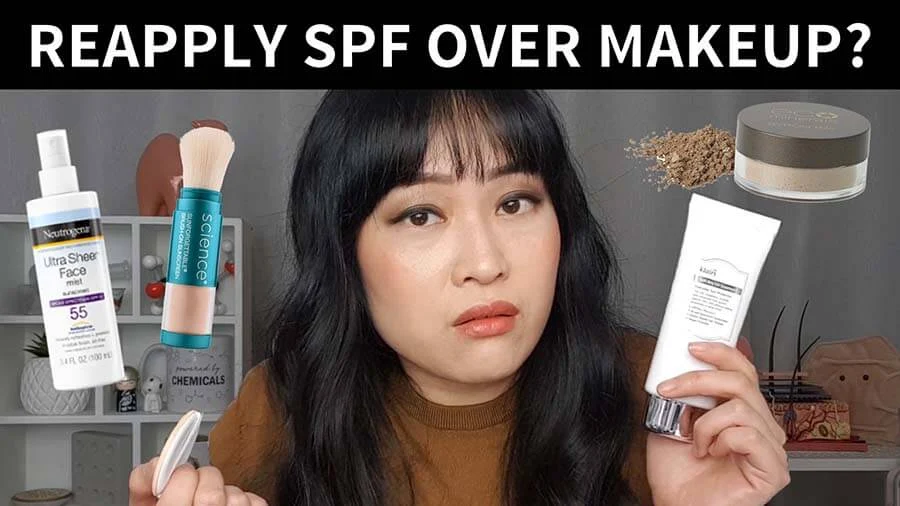
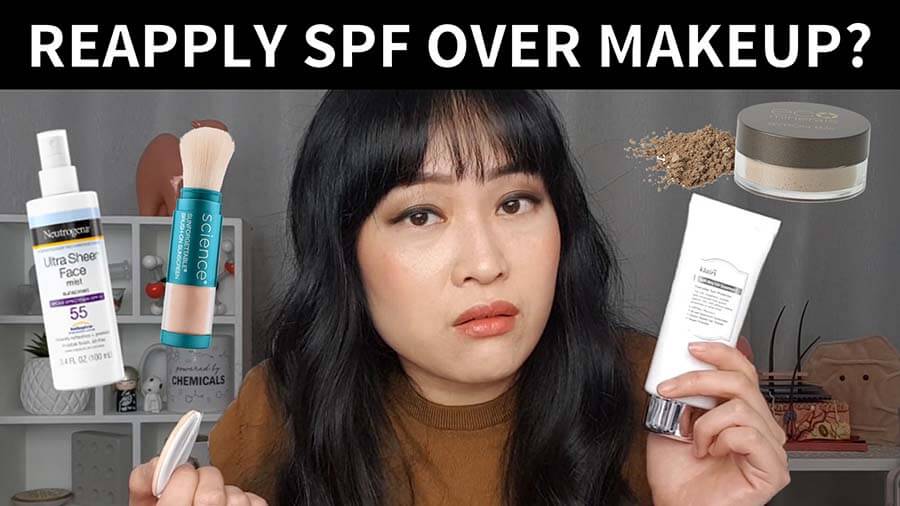
The daily ritual of applying morning skincare followed by a full face of cosmetics creates a persistent dilemma for beauty consumers and dermatology professionals alike: how to maintain adequate ultraviolet (UV) protection throughout the day without entirely disrupting cosmetic layers. Standard dermatological guidelines universally recommend reapplying sunscreen every two hours to sustain optimal photoprotection. However, executing this instruction over a finished complexion often results in smeared foundation, patchy powder, and frustrated consumers who ultimately abandon reapplication altogether.
Addressing this friction point requires a rigorous examination of why sunscreens degrade, how different cosmetic vehicles perform under testing standards, and which practical techniques offer the best compromise between aesthetic preservation and skin health.
The Science of Sunscreen Degradation Over Time
Understanding the necessity of reapplication begins with analyzing how topical sunscreens behave on human skin. When a consumer first applies a chemical or mineral formula, the product creates an even, continuous film across the epidermis. Over time, however, this protective barrier degrades through several distinct physical and chemical mechanisms.
The primary factor reducing sunscreen efficacy is physical displacement. Daily activities—ranging from subconscious facial touching to the friction of hair and clothing against the skin—gradually rub away the protective film. As cumulative product density decreases, the overall level of photoprotection drops proportionally.
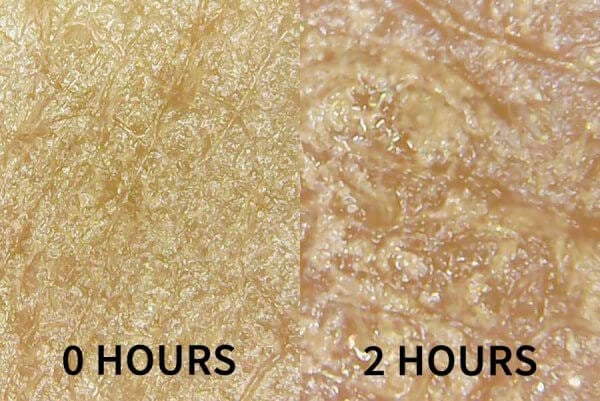
Furthermore, the natural physiological processes of the skin disrupt the protective barrier. Throughout the day, the sebaceous glands secrete sebum, and perspiration occurs continuously. As these natural oils and water droplets interact with the sunscreen film, the formula emulsifies and breaks down. Facial movements—including talking, chewing, smiling, and yawning—further compromise the layer. Skin flexing causes the dried sunscreen film to fracture, clump, and migrate into microscopic pores and dermal creases. Microscopic analysis comparing initial cosmetic application to wear after several hours demonstrates clear product migration away from high-tension areas into deeper facial folds.
Beyond physical disruption, the sunscreen film naturally thins out. Volatile components evaporate, and chemical filters partially absorb into the superficial layers of the stratum corneum, altering the absorption properties of the remaining surface film. While modern formulations frequently utilize photostable organic and inorganic filters that resist breakdown upon direct UV exposure, they remain entirely susceptible to physical removal and structural shifting.
Empirical Data on Residual Sun Protection
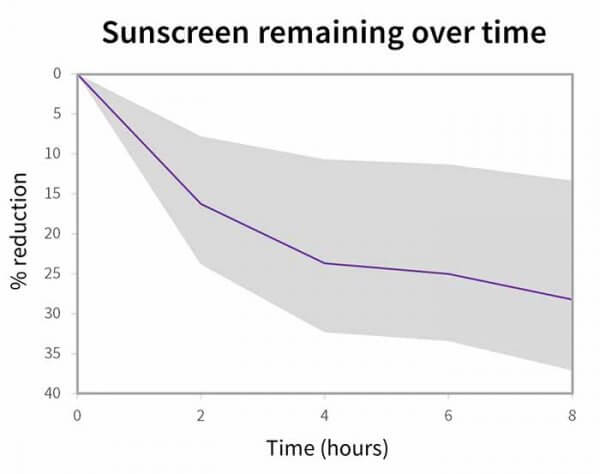
To quantify how much protection actually remains after extended wear, researchers look to clinical trials tracking product persistence. A notable open-label trial investigated twenty indoor workers who applied a standard dose of sunscreen containing a traceable dye. Researchers photographed the subjects’ faces every two hours to monitor product retention.
The empirical findings revealed that after two hours of routine indoor activity, subjects retained an average of 84% of the original product—representing a 16% reduction in coverage. Over subsequent intervals, the decline continued incrementally, culminating in an overall reduction of nearly 30% in surface coverage over an extended duration.
Translating these percentages into practical sun protection factor (SPF) values demonstrates a linear correlation: a reduction of approximately 30% diminishes an initial SPF 50 rating down to roughly SPF 35. Similarly, an SPF 30 rating drops to approximately SPF 21, while an SPF 15 decreases to roughly SPF 10. Consequently, individuals who remain primarily indoors with minimal UV exposure retain a significant baseline of residual protection by the end of the day. Conversely, individuals subjected to intense, direct outdoor environments experience rapid degradation that necessitates active intervention.
Categorizing Exposure Scenarios for Practical Application
Dermatologists and cosmetic scientists recommend tailoring reapplication strategies based on daily environmental exposure rather than adhering blindly to rigid two-hour rules regardless of context.
Situation 1: Minimal Sun Exposure
For office workers or individuals whose daily routine involves commuting primarily during low-UV morning hours, working indoors away from direct sunlight, and returning home after sunset, active reapplication over makeup is frequently unnecessary. In these controlled environments, relying on the residual morning sunscreen application combined with passive behavioral habits—such as walking on shaded pathways or sitting away from unshielded windows—provides adequate defense against cumulative UV-induced hyperpigmentation and photoaging.
Situation 2: High Sun Exposure
When facing prolonged, unavoidable outdoor exposure—such as extended recreational activities, beach outings, or manual labor under direct sunlight—prioritizing aesthetic cosmetics must take a secondary role to skin health. In these scenarios, consumers should opt for a minimalist cosmetic base paired with high-performance, water-resistant sunscreen formulations. Reapplication should occur strictly every two hours directly over the skin or minimal tint, utilizing water-resistant lotions or fluids. Cleansing wipes can be employed intermittently to remove excessive sweat, accumulated environmental debris, and previous heavy product buildup to prevent clogged pores and localized breakouts.
Situation 3: Moderate Sun Exposure
The most challenging scenario involves mixed environments—such as working indoors for part of the day, stepping outside for a midday lunch walk, and commuting home during late-afternoon sun glare. In these instances, consumers desire to keep their morning makeup intact while adding a substantive layer of fresh UV protection. Achieving this balance requires careful evaluation of reapplication vehicles.
Evaluating Products Used for Over-Makeup Reapplication
Consumers frequently turn to alternative cosmetic formats to refresh their protection without ruining a finished face. However, empirical testing reveals significant limitations across various product categories.
Liquid Foundations
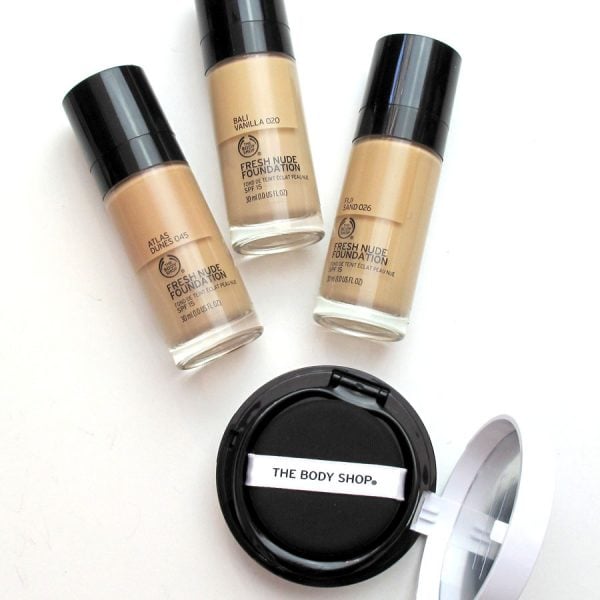
Relying solely on an SPF-rated liquid foundation for reapplication is statistically insufficient. Clinical exposure data indicates that the average application mass of liquid foundation on a standard adult face is approximately 0.54 grams. When factoring in standard SPF ratings per gram of product, a typical single pump or standard cosmetic application delivers a fraction of the product density required to reach the labeled protection factor.
Facial Powders
Powder sunscreens and pressed setting powders present even greater limitations. Historical consumer research indicates that the average application mass of face powder is roughly 85 milligrams—far below the standard 2.0 milligrams per square centimeter testing threshold established for sunscreens. Furthermore, powders struggle to form a continuous, cohesive film capable of blocking UV radiation uniformly.
While specialized mineral powder brands—such as Colorescience—utilize advanced functional coatings designed to improve skin adherence and pass rigorous water-resistance protocols, achieving the necessary product density requires extensive, prolonged brush swirling and heavy application techniques that conflict with typical consumer habits. Furthermore, the high cost per gram and small packaging sizes render powders less practical for frequent daily use.
Aerosol and Pump Sprays
Historically, sunscreen sprays were viewed as a convenient option for misting over makeup. However, subsequent testing by independent research bodies and safety organizations—including the Australian Radiation Protection and Nuclear Safety Agency (ARPANSA)—has cast serious doubt on their effectiveness. Laboratory measurements demonstrate that standard aerosol applications deliver only a fraction of the sprayed product directly to the skin surface, with significant product loss occurring via overspray and environmental drift. Additionally, propellant gases can comprise up to half the contents of a pressurized container, diluting the effective active ingredient concentration. As a result, standard facial sprays are no longer recommended as reliable standalone reapplication tools unless sprayed directly into the palm and patted onto the skin.
Sunscreen Lotions Applied via Cushion Puffs
Dermatological consensus increasingly points to traditional sunscreen lotions applied via specialized cosmetic tools as the most reliable method for over-makeup reapplication. Utilizing an inexpensive antimicrobial cushion puff—commonly found in Asian cushion foundation packaging—allows consumers to press liquid sunscreen gently over existing makeup without causing excessive smearing.
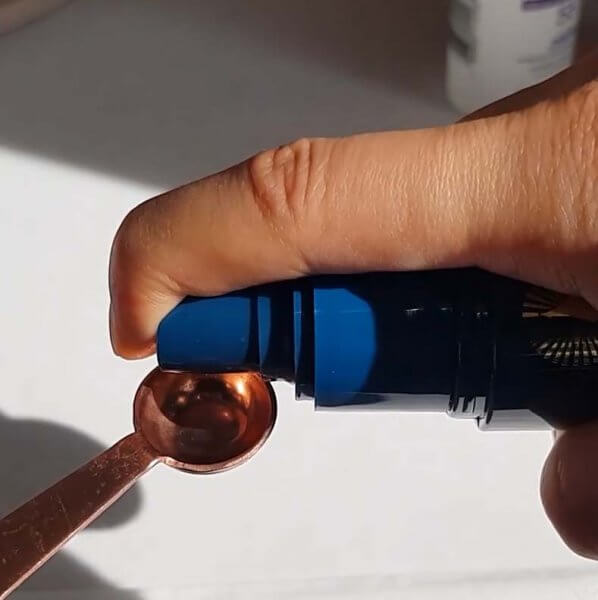
Cushion puffs absorb significantly less product than traditional beauty sponges, ensuring that the maximum amount of sunscreen transfers to the facial epidermis. The thin profile of the puff enables precise navigation around delicate contours, including the bridge of the nose and the orbital bone.
Best Practices for Cushion Puff Reapplication
Executing the cushion puff reapplication technique successfully involves a specific sequence of steps to minimize cosmetic disruption:
- Dispense a sufficient quantity of a lightweight, fluid, or silicone-based sunscreen lotion directly onto the clean cushion puff or the back of the hand.
- Begin patting the product gently onto areas of the face with minimal color cosmetics, such as the forehead, cheeks, and chin.
- Progress carefully toward areas with heavier color cosmetics, such as blush or bronzer, using a light tapping motion rather than a sweeping drag to prevent product displacement.
- Allow the newly applied layer to set undisturbed for a few moments before resuming daily activities.
By adopting evidence-based reapplication methods tailored to specific environmental exposures, consumers can successfully safeguard their skin against UV radiation while maintaining the integrity of their cosmetic routines.
