

Polycystic Ovary Syndrome (PCOS) remains one of the most prevalent endocrine and metabolic disorders affecting individuals of reproductive age, impacting an estimated 6 to 12 percent of women globally, or as many as 5 million women in the United States alone. Characterized by hormonal imbalances, ovulatory dysfunction, and metabolic complications such as insulin resistance, PCOS is widely recognized as a leading cause of female subfertility. For those diagnosed with the condition, the journey to conception often involves meticulous management of diet, lifestyle, and pharmacological interventions to restore hormonal equilibrium and promote regular ovulation.

Background Context and Clinical Challenges
The clinical recognition of PCOS has evolved significantly over the past decades, shifting from a strictly gynecological presentation defined by the Rotterdam criteria—featuring hyperandrogenism, oligo-ovulation, and polycystic ovaries—to a complex metabolic syndrome. Insulin resistance is a central pathophysiological feature, present in up to 70 to 80 percent of women with PCOS, regardless of their body mass index. This metabolic disruption leads to compensatory hyperinsulinemia, which directly stimulates the ovaries to overproduce testosterone and other androgens. Elevated androgen levels subsequently inhibit follicular development, disrupt the menstrual cycle, and prevent predictable ovulation, presenting a profound barrier to spontaneous conception.
The psychological and emotional toll of managing fertility while dealing with an unpredictable endocrine system is well-documented by reproductive endocrinologists and patient advocacy groups. Patients frequently report chronic uncertainty regarding cycle regularity, the viability of ovulation, and the efficacy of various interventions. While assisted reproductive technologies such as in vitro fertilization (IVF) and ovulation-inducing medications like letrozole or clomiphene citrate are standard clinical treatments, a substantial body of nutritional and endocrinological research emphasizes the foundational role of lifestyle modifications—specifically targeted medical nutrition therapy—in optimizing natural fertility outcomes and preparing the body for a healthy gestation.

The Role of Dietary Interventions in Hormonal Regulation
Medical nutrition therapy for PCOS focuses primarily on stabilizing blood glucose and insulin levels, which in turn mitigates hyperandrogenism. Clinical guidelines from the International PCOS Network recommend a balanced diet emphasizing low glycemic index (GI) carbohydrates combined with lean proteins and healthy fats. Low GI foods are digested and absorbed more slowly, preventing the sharp glycemic spikes that trigger excessive insulin secretion. By controlling insulin, the ovaries experience a reduction in local androgen synthesis, thereby improving the likelihood of regular ovulatory cycles.
Concurrently, researchers and clinicians have focused increasingly on the management of estrogen balance. Estrogen dominance—frequently exacerbated by exogenous factors such as xenoestrogens found in plastics and personal care products, as well as hormones historically administered in conventional livestock production—can severely disrupt the delicate feedback loops of the hypothalamic-pituitary-ovarian axis. Nutritional epidemiologists suggest that minimizing exposure to synthetic hormones by selecting organic, pasture-raised animal products can alleviate the biochemical burden on an already compromised endocrine system.
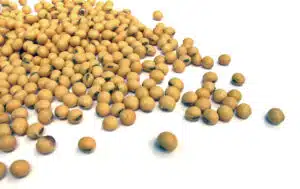
Furthermore, plant-based phytoestrogens present a complex clinical picture. These compounds can bind to estrogen receptors, potentially displacing endogenous estrogens or modulating overall hormonal signaling. Clinical studies have specifically highlighted that certain phytoestrogens, notably soy-based products, may be associated with delayed ovulation in susceptible populations. Consequently, many fertility specialists advise patients actively attempting to conceive to exercise caution or eliminate high-dose soy isolates from their dietary regimens to prevent unintended disruptions in follicular maturation.
Metabolic Impact of Weight Management
Weight management is frequently cited as a primary clinical objective for individuals with PCOS, although patients frequently encounter physiological barriers to weight loss due to underlying metabolic dysregulation. Clinical trials indicate that even modest weight reduction—specifically achieving a 5 to 10 percent loss of total body weight—can yield substantial improvements in metabolic and reproductive health. Data published in reproductive health journals demonstrate that this degree of weight loss is often sufficient to restore spontaneous ovulation, lower circulating free testosterone levels, and significantly enhance the response rate to both natural conception strategies and fertility treatments.

Targeted Nutritional Supplementation and Evidence-Based Protocols
In addition to dietary modifications, targeted supplementation has emerged as an evidence-based adjunctive therapy to address specific micronutrient deficiencies commonly observed in women with PCOS. Clinical endocrinologists frequently recommend a structured supplement regimen designed to support insulin sensitivity, cellular metabolism, and fetal development.
1. Chromium and Glucose Metabolism
Chromium is an essential trace mineral that potentiates the action of insulin and assists in cellular glucose uptake. Research indicates that chromium picolinate supplementation can significantly improve insulin sensitivity, reduce fasting blood glucose, and lower serum testosterone levels by mitigating hyperinsulinemia. Clinicians caution, however, that patients currently utilizing prescription insulin-sensitizing medications, such as metformin, must coordinate supplementation carefully to avoid episodes of hypoglycemia.
2. Vitamin D and Calcium Synergy
Vitamin D deficiency is markedly more prevalent among women with PCOS compared to the general population. Beyond its traditional role in bone homeostasis, Vitamin D acts as a secosteroid hormone that influences insulin receptor expression, ovarian folliculogenesis, and systemic inflammation. Clinical investigations have shown that co-supplementation with Vitamin D and calcium helps regulate menstrual cyclicity, improves endometrial thickness, and increases the yield of mature follicles during ovulation cycles.
3. B-Complex Vitamins and Endocrine Balance
Adequate intake of B-complex vitamins, particularly Vitamin B6 and Vitamin B9 (folic acid), is critical for reproductive health. Vitamin B6 plays a supportive role in regulating progesterone production, lengthening an inadequate luteal phase, and stabilizing blood glucose levels. Meanwhile, folic acid is universally recognized by obstetrician-gynecologists as an essential prophylactic supplement before and during early pregnancy to prevent neural tube defects, such as spina bifida, during embryonic development.

4. Omega-3 Fatty Acids
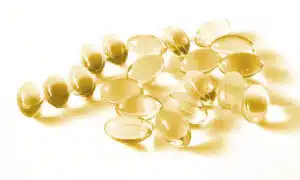
Essential fatty acids, particularly eicosapentaenoic acid (EPA) and docosahexaenoic acid (DHA) found in omega-3 supplements, exhibit potent anti-inflammatory properties. Clinical studies confirm that omega-3 supplementation significantly reduces serum testosterone levels, improves lipid profiles, and ameliorates systemic low-grade chronic inflammation associated with PCOS, thereby creating a more favorable uterine environment for implantation.
Broader Implications and Clinical Outlook
The integration of targeted dietary modifications, strategic weight management, and evidence-based supplementation represents a comprehensive, multi-disciplinary approach to managing fertility challenges associated with Polycystic Ovary Syndrome. While medical interventions remain indispensable for many patients, optimizing foundational metabolic and endocrine health through nutrition empowers individuals to actively influence their reproductive outcomes. As ongoing clinical research continues to clarify the intricate mechanisms linking metabolism, hormones, and fertility, healthcare providers increasingly advocate for personalized nutritional counseling as an essential component of comprehensive PCOS and preconception care plans.
